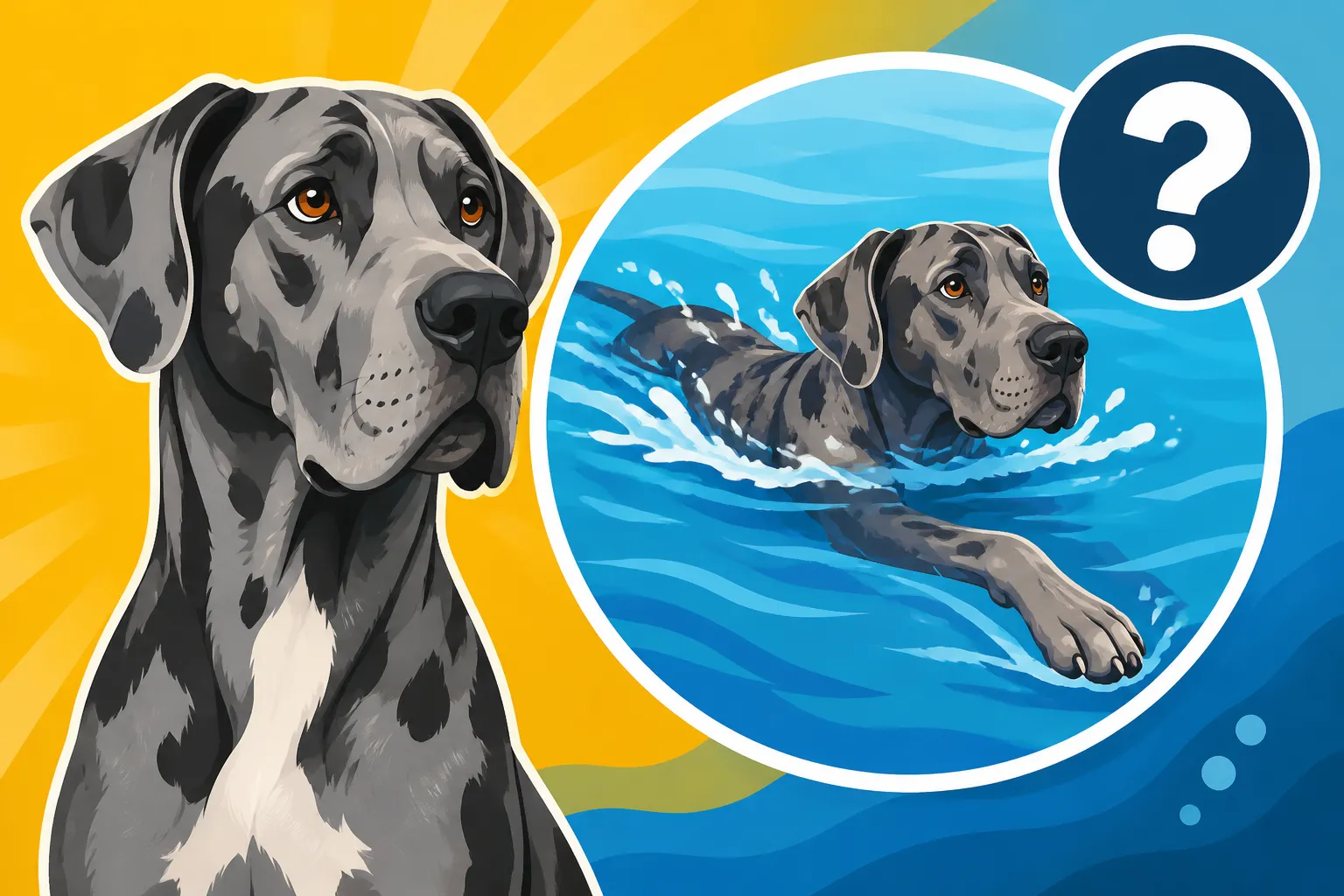
Whether a Great Dane Can Swim at All
It's a common dilemma for Great Dane owners: you see smaller, more agile breeds splashing happily, and you can't help but wonder if your own colossal companion could ever join the fun. Many assume these gentle giants are either natural-born swimmers or completely incapable, leading to confusion and sometimes even dangerous situations. This comprehensive guide will dispel myths, explore the realities of Great Danes and water, and provide actionable advice on introducing your Dane safely and positively to aquatic adventures, or respecting their decision to stay on dry land.
The Common Misconception About Great Danes and Water
When you look at a sleek Labrador or a powerful Retriever, you instantly think "water dog." They seem built for it, with their athletic frames and innate love for a dip. Then you look at your magnificent Great Dane, with their deep chest, heavy build, and perhaps a touch of clumsiness, and you might understandably scratch your head. It’s easy to assume they either can’t swim at all or that their sheer size will make them natural, effortless swimmers. The truth, like with most things Great Dane, is a little more nuanced.
Their Physical Build: Not Exactly Streamlined
Let's be realistic for a moment. Great Danes are magnificent creatures, but their physique isn't exactly designed for hydrodynamic efficiency. They have substantial bone mass and a deep, barrel chest that, while impressive on land, can make buoyancy a real challenge in the water. Their relatively short legs, compared to the length of their body, mean they have to work incredibly hard to paddle and propel themselves forward. Unlike breeds with buoyant double coats or more streamlined bodies, a Great Dane often has to fight gravity to keep afloat. It's not that they can't swim, but it's a far more strenuous activity for them than for a dog bred for water retrieval.
Think of it this way: a Great Dane doesn't float like a cork; they tend to "sink" more like a stone if they don't actively paddle. This isn't to say they'll plunge to the bottom of the pool, but they exert a tremendous amount of energy just to keep their head above water and move. This intense physical effort means they can tire out much faster than you might expect, even in seemingly calm water. Their large lung capacity helps, but it’s still an uphill battle against their own mass. It’s important to understand this inherent physical challenge when considering water activities.
The "Gentle Giant" Stereotype and Water
Great Danes are famously known as "gentle giants" – affectionate, calm, and often surprisingly delicate despite their imposing stature. This lovely temperament can sometimes lead owners to project certain expectations onto their dogs, including how they might react to water. Some might expect their Dane to be naturally fearless and gracefully glide through the water, assuming their inherent bravery translates to aquatic confidence. Others might worry that their gentle nature makes them overly timid or prone to panic when faced with something new and potentially overwhelming like a large body of water.
The reality is that their "gentle giant" reputation doesn't dictate their swimming ability or enjoyment of water. Like people, every Great Dane is an individual, and their personality plays a much larger role than their breed's general characteristics. While many Danes are indeed gentle, they can still be hesitant, clumsy, or even scared when introduced to a new environment like a lake or pool. Their large size doesn't automatically grant them aquatic prowess or courage. It's crucial to approach the topic of swimming with an open mind, putting your individual Dane's comfort and personality first, rather than relying on breed stereotypes.
Assessing Your Great Dane's Natural Inclination to Swim
Before you even think about getting a life vest, take some time to observe your Great Dane. Their reaction to water, much like their reaction to new people or situations, will be deeply personal. Some will take to it like, well, a fish to water, while others will want absolutely nothing to do with it. Understanding their individual personality and past experiences will be your best guide.
Individual Personality and Water Exposure
Every Great Dane has a unique personality. You might have a goofy, adventurous Dane who dives headfirst into anything new, or a more reserved, cautious one who prefers to observe from a distance. Their past experiences, or lack thereof, with water will heavily influence their current disposition. A puppy introduced positively to shallow water and splashes might develop a lifelong appreciation for it. Conversely, a Dane who has never seen anything deeper than their water bowl, or worse, had a negative experience, might be extremely apprehensive.
Don't assume that because you love to swim, your Great Dane will too. They need to discover it on their own terms, with gentle encouragement rather than force. Pay attention to how they react to puddles, sprinklers, or even a damp towel. Do they show curiosity, or do they recoil? These small clues can give you insight into their potential comfort level with larger bodies of water. Remember, building confidence is a process, and it often starts with respecting their current boundaries.
Signs Your Dane Might Enjoy or Fear Water
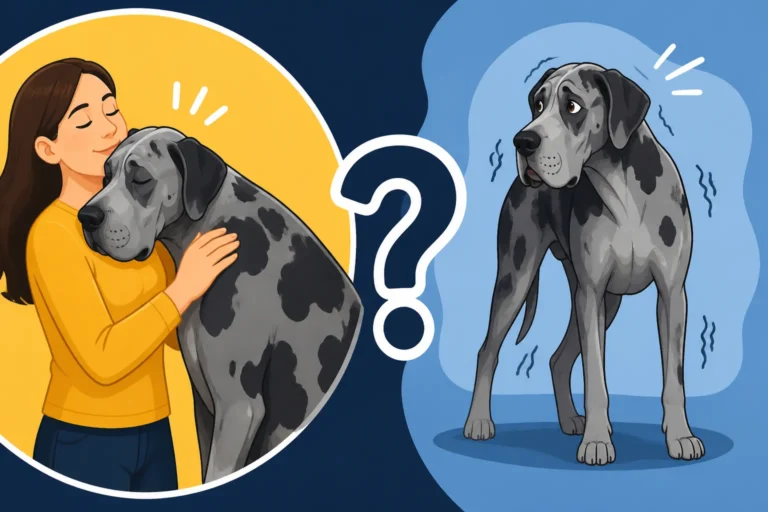
Observing your Great Dane's body language around water is crucial. A Dane that might enjoy swimming will often show signs of curiosity and a relaxed demeanor. They might paw at the water, try to lap it up, or show interest in toys tossed near the edge. Their tail might wag loosely, their ears will be relaxed, and their overall posture will be inviting. They might even try to nudge you towards the water as if asking to explore. These are good indicators that they're open to the idea.
On the flip side, signs of fear or discomfort are equally important to recognize and respect. A fearful Dane might tuck their tail, pin their ears back, adopt a stiff or lowered body posture, or try to pull away from the water's edge. They might whine, whimper, or even bark out of anxiety. Some might even try to climb on you or hide behind your legs. If you see these signs, it’s a clear signal to back off and re-evaluate your approach. Forcing them into the water will only exacerbate their fear and could create a traumatic experience that sets back any future attempts. Remember, it's always okay for a dog not to like swimming; their happiness is paramount.
Safety First: Essential Precautions for Great Danes in Water
If you're considering introducing your Great Dane to water, or if you already have a water-loving Dane, safety must be your absolute top priority. Their size and specific physical characteristics mean that what might be a minor inconvenience for a smaller dog can become a serious hazard for a Great Dane. Don't ever take chances when water is involved.
Always Supervise: Never Assume Safety
This cannot be stressed enough: never, ever leave a Great Dane unsupervised near any body of water. Not for a second. Even if they are strong swimmers, fatigue can set in rapidly due to the immense effort required for their large bodies. A tired Dane can quickly become a panicked Dane, and their size makes a rescue operation incredibly difficult, even for a strong adult. Strong currents in rivers, unexpected undertows at the beach, or even the chill of the water can quickly turn a fun outing into a crisis.
Think about the environment: are there sudden drops in depth? Hidden debris? Slippery entry points? These are all factors that can lead to an accident. Always stay within arm's reach, especially when they are first learning or if they are prone to tiring quickly. Just as you wouldn't leave a toddler unsupervised near a pool, the same vigilance applies to your massive, beloved Great Dane. Your presence and constant attention are their best lifeguards. Furthermore, always be mindful of water quality; stagnant ponds or areas with known algal blooms can pose serious health risks.
Life Vests: A Non-Negotiable for Many Danes
For many Great Danes, a well-fitting dog life vest isn't an option; it's a non-negotiable safety essential. Given their deep chests and heavy bone structure, life vests provide crucial buoyancy, reducing the energy they have to expend just to stay afloat. This means they can enjoy the water for longer periods without becoming dangerously exhausted. An added benefit is that most quality life vests come with a sturdy handle on the back, which can be an absolute lifesaver if you need to quickly guide them, pull them out of the water, or assist them if they panic or become fatigued. You can find durable, large-breed appropriate life vests on Amazon or specialized pet supply stores.
When selecting a life vest, ensure it fits snugly without restricting movement or chafing under their legs or around their neck. It should have ample flotation around their chest and under their belly to provide proper support. A vest that's too loose won't offer the necessary security. Even if your Great Dane is a confident swimmer, a life vest provides an invaluable layer of protection, especially when swimming in open water where conditions can change rapidly. It's a small investment that offers immense peace of mind.
Safe Entry and Exit Points
Imagine trying to climb out of a swimming pool if you had no hands or a flimsy ladder. That's essentially what a Great Dane faces with steep-sided pools or docks. Their powerful legs aren't designed to hoist their entire body weight straight up. When choosing a swimming spot, always prioritize locations with gradual slopes, shallow entry points, or dog-specific ramps. For backyard pools, ensure there are easily identifiable steps or, ideally, a wide, gently sloped ramp designed for large dogs. We don't want them getting into the water, only to realize they have no way of getting out.
For natural bodies of water like lakes or rivers, scout the area carefully for easy beach-like entry and exit. Avoid steep banks, rocky ledges, or areas with strong drop-offs. Practice entry and exit with your Great Dane several times, rewarding them for using the safe route. This teaches them where to go and reduces the chances of panic if they get disoriented. As Great Danes age, issues like The Age a Great Dane Is Considered Old and potential arthritis make easy access even more critical. Having clear, safe pathways in and out of the water is fundamental to a positive and safe swimming experience.
Introducing Your Great Dane to Water the Right Way
Introducing a Great Dane to water needs patience, positive reinforcement, and a gentle touch. Forget any ideas of throwing them in; that's a recipe for disaster and can create a lifelong fear. The goal is to build positive associations, making water a fun, rewarding place.
Making it a Positive Experience: Patience is Key
The key to a successful introduction to water is making it overwhelmingly positive. This means never forcing your Great Dane into the water. If you create a scary or traumatic experience, they may develop a lifelong aversion to water, and that's incredibly difficult to overcome, especially with a dog their size. Instead, use a calm, encouraging voice and bring plenty of high-value treats and their favorite floating toys.
Start with games and praise near the water. Let them explore the edge on their own terms. Toss a favorite toy just out of reach, encouraging them to get their paws wet. Every small step, even just sniffing the water or dipping a paw in, deserves enthusiastic praise and a reward. It's all about building confidence at their pace. Remember, Building Confidence in a Nervous Great Dane applies to new experiences like water, too. Positive reinforcement techniques work wonders for Great Danes, as they are often sensitive souls.
Starting Small: Kiddie Pools and Shallow Edges
When you're first getting your Great Dane used to water, think small scale. A shallow plastic kiddie pool in your backyard is an excellent starting point. Fill it with just a few inches of water – enough to cover their paws but not overwhelm them. Let them splash, play with toys, and get used to the sensation of water without the pressure of a large, deep body of water. This is a low-stress way for them to acclimate.
Once they're comfortable with the kiddie pool, you can progress to a very shallow, calm edge of a lake or a dog-friendly beach. Walk in yourself a little way, making it look fun and inviting. Coax them with treats and toys, but don't pull or drag them. If they only wade in up to their knees, that's perfectly fine for a first session. Celebrate that achievement! The idea is to keep it brief, positive, and always end before they get tired or scared. Consistency over time, with many short, happy sessions, is far more effective than one long, overwhelming attempt.
Gradual Progression to Deeper Water
Once your Great Dane is comfortable wading and splashing in shallow water, and always wearing their life vest, you can start to encourage them into slightly deeper areas. This is where getting in the water with them can be incredibly helpful. Support their body gently, especially under their belly or rear end, as they learn to coordinate all four legs for paddling. Many dogs, especially those not naturally built for swimming, tend to paddle furiously with their front legs while their back end sinks. Your support helps them understand how to use their hind legs, which is crucial for efficient and less tiring swimming.
Keep these sessions short and focused on positive reinforcement. End on a high note, with plenty of praise and treats, before they show any signs of fatigue or anxiety. Repetition and positive association are key. Over several sessions, you’ll gradually see their confidence grow. For additional guidance on training and confidence building, resources like BAXTER & Bella’s online programs can offer structured approaches that can be adapted for new experiences like swimming, helping you foster a well-rounded and confident companion. Just as you'd monitor a growing pup's exercise, be mindful of Wearing Out a Great Dane Without Wrecking Its Joints during swim time.
Enjoying Water Activities with Your Swimming Great Dane
Once your Great Dane has developed a fondness for water and is a confident swimmer with their life vest, a whole new world of fun can open up for both of you. However, even with a seasoned water dog, specific considerations remain paramount due to their sheer size and potential vulnerabilities.
Lakes, Ponds, and Controlled Environments
Natural bodies of water like lakes and ponds can be fantastic for Great Danes, offering plenty of space to swim and play fetch with floating toys. The soft bottom and gradual entry points often found in these environments are much easier on their joints than jumping into a pool. However, it’s critical to always assess the environment before letting your Dane loose. Check for strong currents, hidden debris, sharp rocks, or sudden drop-offs. Stagnant water can harbor harmful bacteria and blue-green algae, which are highly toxic to dogs. Always look for clear, clean water and be aware of any signs warning against swimming.
Supervision remains key. Even the best swimmer can get tired, distracted by wildlife, or encounter an unexpected hazard. Be mindful of fishing lines, hooks, and other human-left litter that could cause injury. After any swim in a natural body of water, it's wise to give your Dane a thorough rinse with fresh water and check their coat and paws for any hitchhikers like ticks, or potential irritants.
Pools: Considerations for Your Own Backyard
If you have a backyard swimming pool, it can be a convenient way for your Great Dane to cool off and exercise. However, pools come with their own set of considerations for giant breeds. The most critical is secure fencing around the pool area to prevent accidental falls, especially when you're not supervising. A Great Dane stumbling into a pool unexpectedly can be a terrifying and dangerous situation. Once in the pool, ensure they have a clear, easy way to exit, such as wide steps or a specialized dog ramp. Practice using these exit points every single time.
Chlorine and other pool chemicals, while safe for humans in moderation, can irritate your Dane's skin and eyes, and drinking large amounts of chlorinated water can cause an upset stomach. Always rinse your Great Dane thoroughly with fresh water immediately after a pool swim, and offer plenty of fresh drinking water nearby to discourage them from gulping pool water. Keep swim sessions shorter than you might with a more buoyant breed, recognizing their increased effort. As they get older, Caring for a Great Dane Past Six means that navigating pool exits might become more challenging, so continued practice and assistance are vital.
Post-Swim Care for Your Giant
After any water adventure, proper post-swim care is essential for your Great Dane's health and comfort. First and foremost, a thorough rinse with fresh water is crucial. This removes chlorine, salt, sand, lake muck, and any potential irritants from their coat and skin. Even if the water seemed clean, a rinse helps prevent skin irritation, dryness, or itchiness.
Next, focus on their ears. Great Danes with natural floppy ears are particularly prone to ear infections if moisture gets trapped. Gently but thoroughly dry their ears, especially the canal opening, with a soft towel. You might even use a dog-specific ear cleaner if advised by your vet. Lastly, ensure they are completely dry and warm, especially in cooler weather, as their short coats don't offer much insulation. Provide a comfortable, dry spot to relax and plenty of fresh drinking water to rehydrate. Regularly checking their paws for cuts or abrasions from rough surfaces is also a good habit.
When a Great Dane Cannot Swim: Recognizing Limitations and Finding Alternatives
It's important to acknowledge that not every Great Dane is destined to be a water dog, and that's perfectly okay. Sometimes, physical limitations or deeply ingrained fears simply mean that swimming isn't a safe or enjoyable activity for them. Respecting these boundaries is just as important as encouraging a natural swimmer.
Physical Challenges and Health Concerns
For some Great Danes, despite all best intentions and patient introductions, swimming simply isn't feasible or safe. Their unique physiology, while majestic, can predispose them to certain health conditions that make aquatic activity dangerous. Great Danes are prone to orthopedic issues such as Great Dane Hips, Elbows and Growing Joints, and the twisting and impact of paddling can sometimes exacerbate these conditions, especially in older dogs or those with existing joint problems. Similarly, Great Danes are known to be susceptible to The Heart Muscle Disease Great Danes Are Prone To. Swimming, being a strenuous cardiovascular exercise, might put undue strain on a compromised heart.
If your Dane has any pre-existing health conditions, especially cardiac or orthopedic issues, it is absolutely vital to consult with your veterinarian before introducing them to swimming. Your vet can advise you on whether swimming is safe, what intensity level is appropriate, and if any modifications are needed. Obesity can also make swimming incredibly difficult and risky, adding extra strain on their joints and heart. In these cases, it’s best to prioritize gentle, land-based exercises and explore other ways to keep them cool and comfortable.
Respecting Their Discomfort and Fear
If, after multiple gentle attempts, your Great Dane consistently shows signs of fear, anxiety, or plain disinterest in the water, please do not force the issue. Forcing a dog into a situation that genuinely scares them can lead to deep-seated phobias, erode trust, and even result in panic-induced accidents. Not every dog needs to be a swimmer, and their happiness and comfort are paramount. It’s a testament to your understanding and bond with your Dane if you can recognize and respect their limits.
There are countless other ways to keep a Great Dane cool, entertained, and active during warmer months without ever needing a pool or a lake. Consider things like setting up a sprinkler for them to play in, providing cooling mats, offering frozen treats, or simply ensuring they have access to air conditioning and shade during the hottest parts of the day. Enjoy gentle walks during cooler hours, or play indoor games. Focusing on activities they genuinely enjoy and excel at, whether it’s a leisurely stroll, a good sniffari in the park, or simply cuddling on the couch, will strengthen your bond and ensure their well-being. How Much Sleep a Great Dane Actually Needs after any activity is also a good reminder to let them rest.
| Activity/Environment | Pros for Great Danes | Cons for Great Danes | Key Precaution |
|---|---|---|---|
| Kiddie Pool | Controlled, low stress, easy introduction | Limited exercise, messy, may not satisfy water lovers | Always supervise, ensure easy entry/exit |
| Lake/Pond | Large open space, natural setting, good exercise | Unknown depths, currents, debris, algae, wildlife risks | Life vest mandatory, check water quality and temperature |
| Backyard Pool | Convenient access, familiar environment, good exercise | Steep edges, chemicals, can be difficult to exit | Secure fencing, clear exit strategy, chemical balance |
| Beach/Ocean | Expansive area, sand play, sensory stimulation | Strong currents, waves, tides, salt irritation | Life vest essential, monitor tides/waves, rinse well |
Disclaimer
This article is for general informational purposes only and does not constitute professional advice. Laws, prices and regulations vary by location and change over time. Consult a qualified professional for guidance on your specific situation.