Whether a Grown Great Dane Learns New Manners
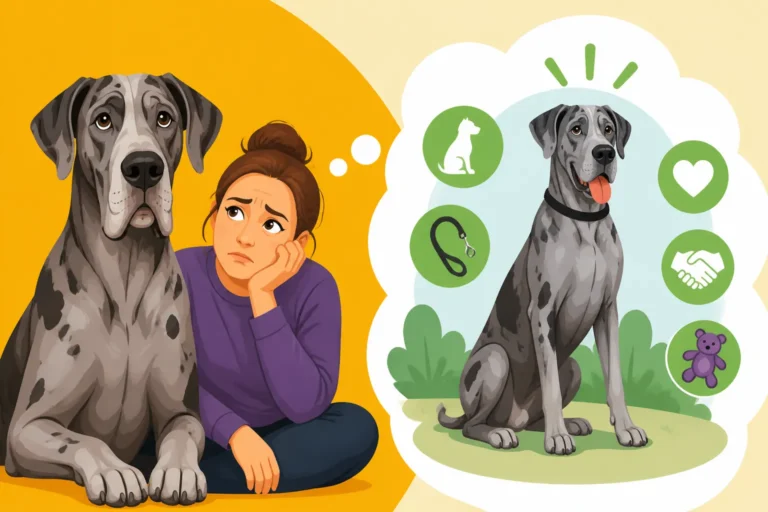
It's an age-old question, isn't it? You look at your magnificent, full-grown Great Dane, perhaps a bit set in their ways with habits you wish they didn't have – maybe they're a consistent counter-surfer, a relentless leash-puller, or a door-dashing Houdini – and you wonder if it's even possible to teach an old dog, especially one this massive, new manners. The good news, and something I've learned through years with these wonderful giants, is that it's absolutely not too late. This guide will walk you through how to successfully teach your adult Great Dane new, desirable behaviors and reshape those ingrained habits.
The Myth of "You Can't Teach an Old Dog New Tricks" (Especially a Giant One!)
Let's just address this pervasive myth head-on. The idea that you can't teach an old dog new tricks is, for the most part, simply not true. It's a phrase often uttered in frustration, perhaps after a few failed attempts, but it doesn't hold up, especially when we're talking about intelligent, bond-driven breeds like Great Danes.
Why People Believe It and Why It's Wrong for Danes
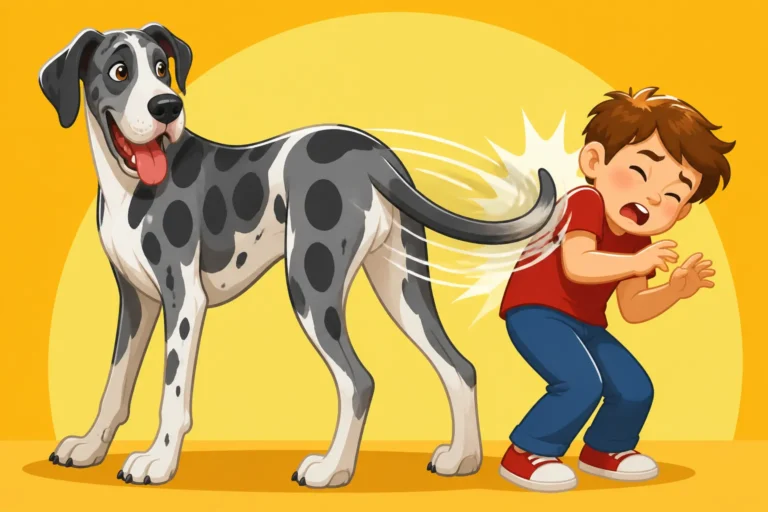
The "old dog, new tricks" adage likely stems from a few places. Sometimes, it's just plain impatience. People expect instant results, and when an older dog doesn't pick up a new command in a few sessions, they give up. For smaller breeds, their "bad" habits might be less impactful, making owners less desperate to change them. But with a Great Dane, their sheer size amplifies every undesirable behavior. A small dog jumping on guests might be annoying; a 150-pound Great Dane doing it is a potential safety hazard, especially for children or the elderly. This can lead owners to feel completely overwhelmed, resigned to the idea that their giant friend's habits are set in stone.
However, Great Danes are incredibly smart. They pick up on routines, understand our moods, and form deep attachments. While they can certainly be stubborn, that's often more about motivation than inability. Their "learned behaviors," good or bad, are just patterns of action that have been reinforced over time. The key is understanding that these patterns, though deeply etched, are not permanent. With the right approach and enough consistency, you absolutely can re-etch new, better patterns. It takes dedication, but the reward of a well-mannered giant companion is immeasurable. The Manners a Great Dane Needs Before It Grows is a great resource, but even if you missed that window, there's hope!
The Advantages of Training an Adult Great Dane
Believe it or not, training a grown Great Dane can sometimes have distinct advantages over working with a wiggly, distracted puppy.
Firstly, adult dogs generally have a longer attention span. While a puppy might have the attention span of a gnat, an adult Dane can often focus for longer periods, especially when motivated. This means more productive training sessions, even if those sessions need to be short and frequent to avoid mental fatigue.
Secondly, an adult Great Dane has already formed a bond with you. This existing relationship can be a powerful lever in training. They want to please you, and that desire, coupled with positive reinforcement, can be a huge motivator. You're not just teaching commands; you're deepening your relationship through shared activities and mutual understanding.
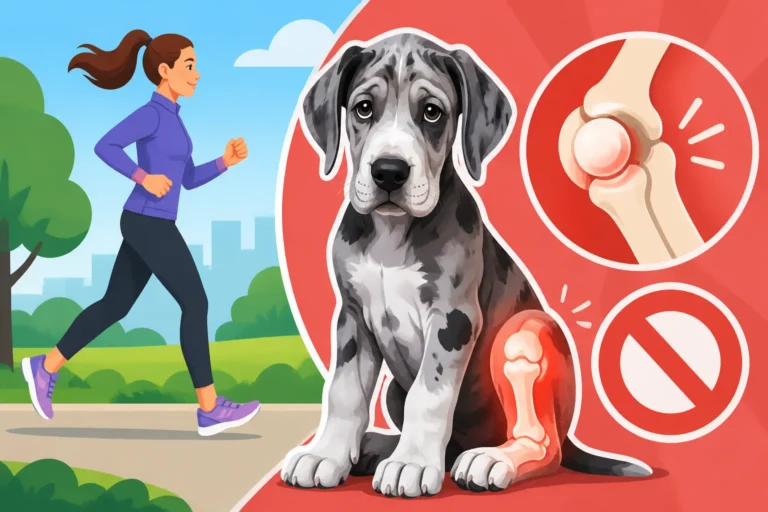
Thirdly, their physical growth plates are closed. This means you don't have the same concerns about over-exercising or putting strain on delicate, developing joints that you do with a rapidly growing Great Dane puppy. You still need to be mindful of their general joint health, especially as they age, but the frantic puppy growth period is behind them.
Finally, older dogs often have a better understanding of cause and effect. They can more readily connect a specific action (like sitting patiently) with a positive outcome (like getting a treat or a favorite toy). This cognitive maturity makes them excellent candidates for focused behavior modification.
Understanding the Challenge: What Makes Training an Adult Dane Different
While teaching new manners to an adult Great Dane is entirely possible, it's important to be realistic about the challenges involved. It's not always a quick fix, and some aspects require a different approach than puppy training.
Overcoming Ingrained Habits and Learned Behaviors
The biggest hurdle with an adult Dane is often overcoming habits that have been practiced and reinforced for months, or even years. Imagine your Great Dane has been successfully counter-surfing for treats for the last three years. Every time they've snagged a dropped piece of toast or a forgotten sandwich, they've been inadvertently "rewarded" for that behavior. That's a lot of successful "practice" that tells them, "this works!" To undo this, you need immense consistency. Every single person in the household must be on board, ensuring no more "accidental" rewards for the unwanted behavior.
Consider the "door-dashing Dane" scenario. If your Great Dane has always charged the door when the doorbell rings, pushing past you to greet visitors, that's a deeply ingrained habit. Your job is to systematically teach them a new, more appropriate behavior, like going to a mat or sitting politely, before they can charge. This often means managing the environment perfectly at first, so they don't get the chance to practice the old habit. For instance, putting them on a leash before opening the door, or having visitors wait until your Dane is settled.
Physical Considerations for a Mature Dane
While we discussed that closed growth plates are an advantage, physical limitations can still be a factor, especially for older Great Danes. Arthritis is common in large breeds as they age, and conditions like hip or elbow dysplasia might already be present. If your Dane is struggling with Arthritis in a Six-Year-Old Great Dane, high-impact activities or long, strenuous training sessions are out. You'll need to tailor your training methods to their physical capabilities.
This might mean focusing more on mental stimulation and puzzle toys than on vigorous fetch sessions. Commands that require complex physical movements might need to be modified or taught slowly and gently. For example, if "down" is uncomfortable, you might reinforce a "settle" command where they can just lay their head down, or use a soft, supportive mat. Always be attuned to your Dane's comfort levels, and consult your veterinarian if you suspect any pain is affecting their willingness or ability to train.
Patience, Consistency, and Positive Reinforcement
These three pillars are paramount when training an adult Great Dane. It cannot be overstated: adult dogs might take longer to unlearn an old behavior than they would to learn a completely new one from scratch. Don't get discouraged if progress feels slow. Every small step forward is a victory.
Positive reinforcement is your best friend. Great Danes are sensitive souls, and harsh corrections or punishment can easily shut them down, making them fearful or unwilling to engage. Instead, focus on rewarding the behaviors you want to see. When your Dane keeps "four on the floor" instead of jumping, shower them with praise and a high-value treat. If they walk politely on the leash for a few steps, mark that moment and reward. Treats a Great Dane Will Work For can be a game-changer here – figure out what truly motivates your dog.
Consistency is the golden rule. If sometimes the rules apply and sometimes they don't, your Great Dane will quickly learn that the rules are optional. Everyone in the household needs to use the same commands, the same expectations, and the same rewards. A predictable environment and routine also greatly benefit older dogs, giving them a sense of security and making it easier for new habits to form. Online training programs, like those offered by BAXTER & Bella, can be fantastic for ensuring consistency in approach, providing structured lessons you can follow at your own pace.
Practical Strategies for Teaching New Manners to Your Grown Great Dane
So, you're ready to roll up your sleeves and get to work. Here are some practical, actionable strategies to help your adult Great Dane become the well-mannered companion you know they can be.
Identify and Isolate Specific Behaviors
The first step is to avoid trying to fix everything at once. This will overwhelm both you and your dog. Instead, make a list of the top 2-3 behaviors you want to change. Then, break each of those "bad" habits down into smaller, more manageable components.
For example, instead of saying, "I want my Dane to stop jumping on people," break it down:
- "I want my Dane to keep all four paws on the floor when a guest arrives."
- "I want my Dane to sit calmly when approached by a stranger."
- "I want my Dane to only greet people when invited to do so."
This approach makes the goal less daunting. Once you've identified these specific behaviors, you can start to implement management strategies that prevent your Dane from practicing the unwanted behavior. For a counter-surfer, this means religiously clearing counters of food. For a door-dashing Dane, it might mean using Baby Gates a Great Dane Cannot Step Over to create a safe zone further from the entry point, or keeping them on a leash when expecting visitors.
Re-establishing Basic Commands with a Fresh Perspective
Even if your Great Dane "knows" basic commands like "sit," "stay," and "come," it's incredibly valuable to re-establish them. Dogs don't generalize commands well; they might know "sit" in the quiet living room, but not when at the park with distractions. Treat these foundational commands as entirely new training opportunities.
Start in a low-distraction environment, use high-value treats, and practice short, frequent sessions. Once your Dane is reliably performing the command in a calm setting, gradually introduce distractions.
- "Watch Me" / Eye Contact: This is crucial for gaining your Dane's attention in any situation.
- "Leave It": Invaluable for counter-surfers, scavenging on walks, or leaving inappropriate items alone.
- "Stay": Builds impulse control and can be applied in many scenarios, from waiting at the door to not jumping on guests.
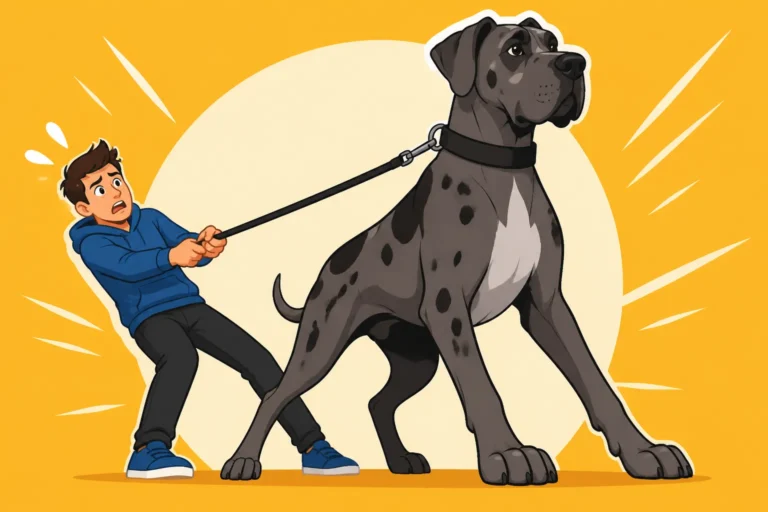
- "Loose Leash Walking": If your Dane is a puller, this will transform your walks. Great Dane Leash Manners at a Hundred and Fifty Pounds is a skill worth every minute you put into it. A front-clip harness or a head halter, properly introduced, can be very helpful tools here, and you can find many options on Amazon.
Remember, you're not just practicing the command; you're rebuilding its meaning and reliability for your adult dog. Consider signing up for an online course or seeking out a trainer. Finding a Trainer Comfortable With a Great Dane is key to success, as their size presents unique challenges.
Environmental Management and Routine Adjustments
Often, changing an adult Great Dane's behavior is as much about managing their environment as it is about direct training. Make it impossible for them to practice the behaviors you don't want.
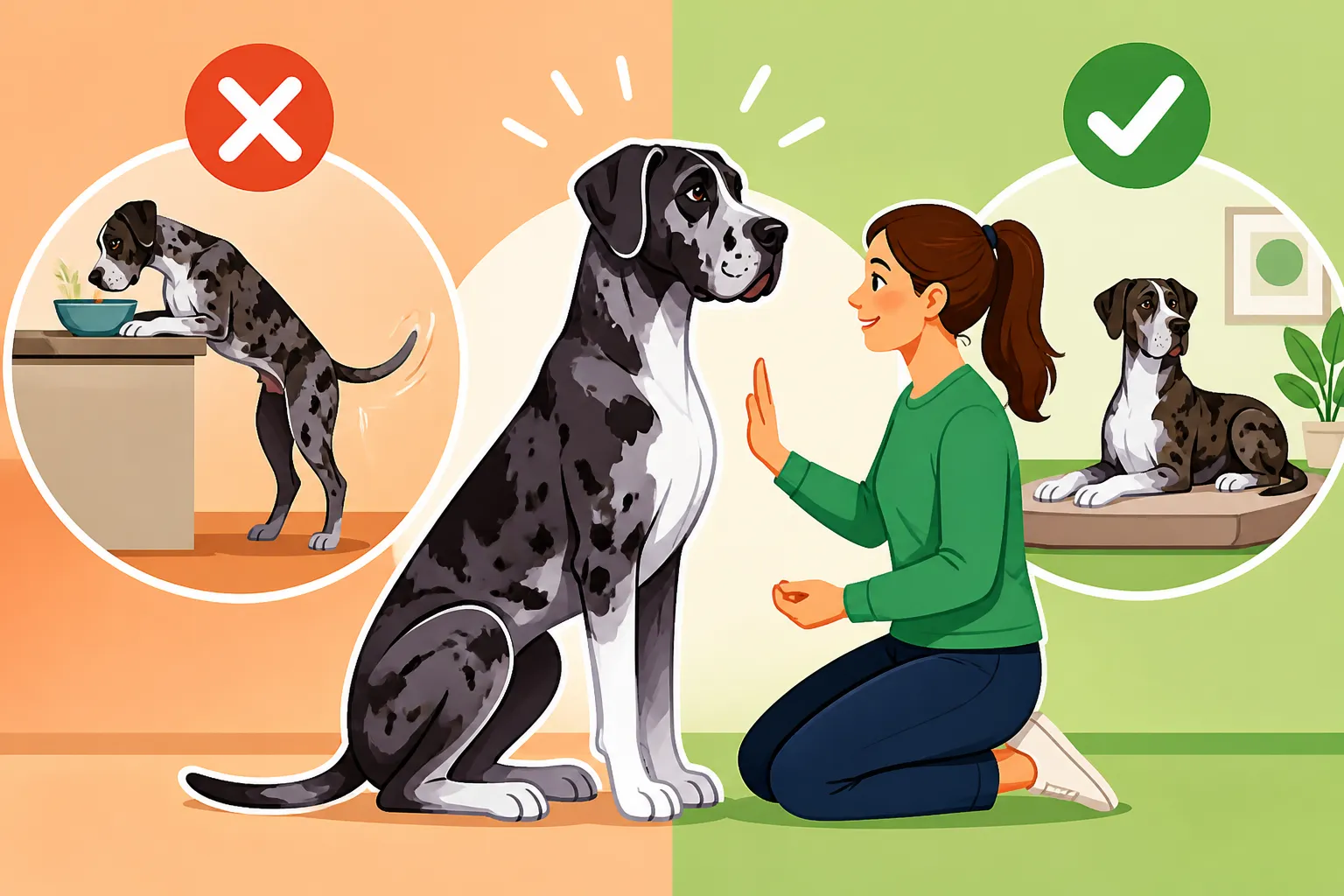
- Counter-surfing: Clear counters. Use child locks on cabinets. Keep your Great Dane out of the kitchen with a gate when you're not actively supervising.
- Jumping: When guests arrive, put your Dane on a leash before they enter. Have your Dane "sit" or "place" before allowing greetings. Instruct guests to ignore jumping, only rewarding when all four paws are on the floor. Stopping a Great Dane Jumping Up on People takes consistent practice.
- Chewing/Destructive Behavior: Provide appropriate, durable chew toys (check Amazon for giant breed-appropriate options). Supervise closely. When you can't supervise, use a crate or a safe, gated-off area.
- Schedule: Great Danes thrive on routine. A predictable schedule for meals, potty breaks, walks, and playtime can significantly reduce anxiety and unwanted behaviors. For instance, a consistent Meal Habits That Cut a Great Dane's Twist Risk is not just good for bloat prevention, but also for general behavior.
Here's a quick table to summarize some common adult Dane manners and potential solutions:
| Unwanted Behavior | Primary Goal | Management Strategy | Training Focus |
|---|---|---|---|
| Counter-surfing | Keeping paws off counters | Clear surfaces, use gates, tether, supervise | "Leave It," "Stay," "Go to Mat/Place" |
| Jumping on guests | Calm greetings, "four on the floor" | Leash management, spatial separation, crate | "Sit," "Stay," "Go to Mat/Place," polite greet |
| Leash pulling | Walking nicely by your side | Front-clip harness, head halter, proper leash | "Heel," "Watch Me," reward loose leash |
| Door dashing | Waiting calmly at the door | Leash at door, gate, crate, practice threshold | "Stay," "Wait," "Sit," impulse control |
| Excessive barking | Quiet when asked, appropriate alerts | Identify trigger, manage environment | "Quiet," "Speak" (on command), desensitize |
Seeking Professional Help and Community Support
Sometimes, you hit a wall, or the behavior feels too big to tackle alone. That's perfectly normal, especially with a dog the size and strength of a Great Dane.
When to Call in a Professional Trainer or Behaviorist
Don't hesitate to seek professional help if you're feeling overwhelmed, frustrated, or if the behaviors pose a safety risk to your household or others. A qualified dog trainer, particularly one with experience with giant breeds, can provide personalized guidance, observe your Great Dane's specific dynamics, and offer tailored strategies. A good trainer can also help with problems like A Great Dane That Pulls You Off Your Feet or A Great Dane That Lunges at Other Dogs. You can look up local trainers or consider online programs like the BAXTER & Bella family of offerings, which give you access to professional advice and a structured learning path.
For more complex or severe behavioral issues, such as aggression, severe separation anxiety, or obsessive behaviors, a veterinary behaviorist might be the best route. These are veterinarians who specialize in animal behavior and can assess if there are underlying medical conditions contributing to the behavior, and even prescribe medication if necessary alongside behavior modification.
Leveraging Online Resources and Great Dane Communities
You're not alone in this journey! Online training platforms can be incredibly helpful, providing step-by-step videos and exercises you can follow at home. Many Great Dane owners also find immense support and practical tips in breed-specific online communities and forums. These spaces are often filled with people who have faced similar challenges and can share their experiences, recommendations for products (like durable beds or toys from Amazon), and words of encouragement.
Remember that patience is paramount, and celebrating small victories will keep both you and your Great Dane motivated. Learning new manners is a process, not a single event. With consistency, positive reinforcement, and a deep understanding of your gentle giant, your adult Great Dane can absolutely learn new manners and become the best companion they can be. Retraining a Great Dane From Rescue is a testament to this fact, proving that even dogs with unknown histories can thrive with the right support.
Disclaimer
This article is for general informational purposes only and does not constitute professional advice. Laws, prices and regulations vary by location and change over time. Consult a qualified professional for guidance on your specific situation.