A Great Dane That Howls in an Empty House
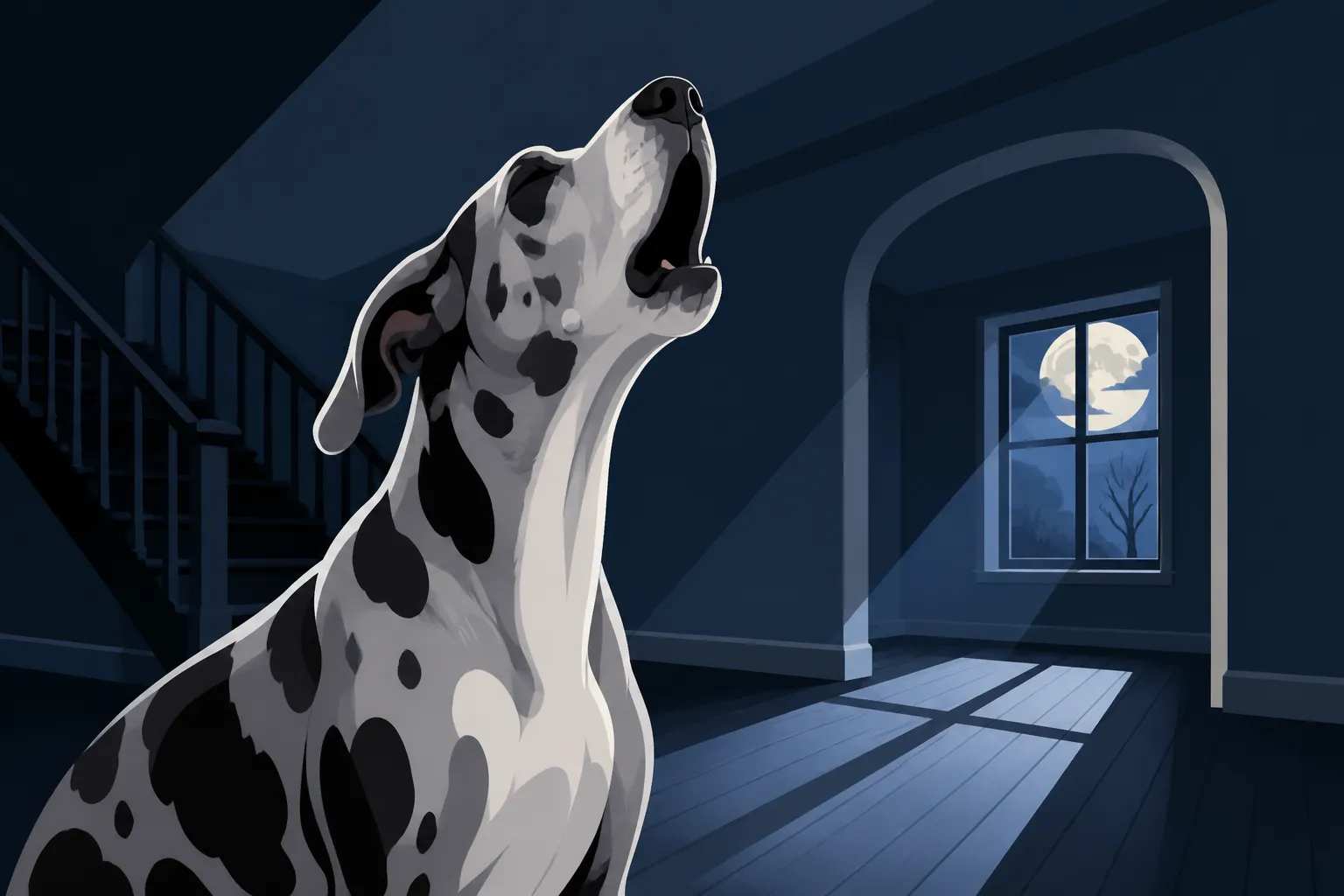
Coming home to the mournful, echoing howls of your beloved Great Dane from an empty house can be truly heartbreaking. It’s a sound that tugs at your conscience, making you wonder if you’ve done something wrong or if your gentle giant is suffering. This guide is here to help you understand why your Great Dane might be howling when you're away, and more importantly, what concrete steps you can take to foster a sense of security and calm for them during alone time.
Understanding Why Your Great Dane Howls When Left Alone
It’s easy to feel frustrated when you know your Great Dane is howling while you're out. You might think they're being "naughty" or just trying to get attention, but often, the reality is far more complex and rooted in their deep-seated need for companionship. Understanding the "why" behind the howling is the first crucial step toward finding a lasting solution.
The Root Cause: Separation Anxiety vs. Boredom
When a Great Dane howls in an empty house, it's usually coming from one of two places: genuine distress due to separation anxiety, or simply boredom. While both lead to vocalizations and potentially destructive behaviors, the underlying emotions and the best approach to solving them are quite different. It's vital to try and pinpoint which one is driving your Dane's behavior.
Separation anxiety in a Great Dane isn't just a mild case of missing you; it's a full-blown panic attack for your dog. They might start to show signs of distress even before you leave – pacing, whining, panting, or trying to block your exit. Once you're gone, the howling is often accompanied by destructive chewing, usually around exit points like doors or windows, frantic pacing, or even house-soiling, even if they are perfectly house-trained. This isn't out of spite; it's a manifestation of profound fear and loneliness. A dog with true separation anxiety is genuinely terrified of being alone, and their howling is a desperate cry for their pack to return. This is where you might see behaviors like A Great Dane That Panics When Left.
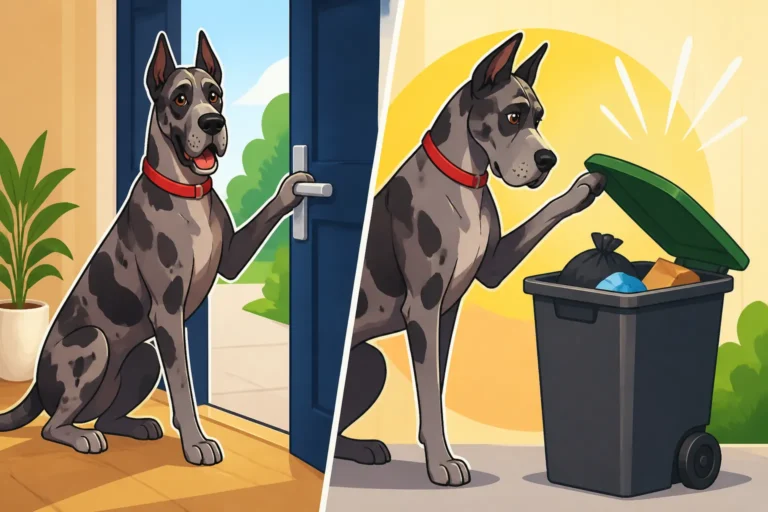
On the other hand, boredom is a common culprit for many dogs, especially intelligent and active breeds, even if your Great Dane seems like a couch potato. If your Dane isn't getting enough physical exercise or mental stimulation, they might howl simply because they have nothing better to do. This kind of howling might be less frantic and more sustained, perhaps punctuated by chewing on inappropriate items, rooting through bins, or generally just causing mischief around the house. They might greet you with excitement, but without the intense, relieved desperation of a dog suffering from anxiety. The destructive behavior in a bored dog is usually more about finding something to do rather than trying to escape or soothe intense fear.
| Behavior Trait | Separation Anxiety | Boredom |
|---|---|---|
| Howling Tone | Panicked, mournful, frantic, often continuous | Sustained, monotonous, sometimes exploratory |
| Destructive Chewing | Focused on escape points (doors, windows), self-harm | On household items, furniture, bins |
| Urination/Defecation | Often happens even if house-trained, uncontrolled | Less common, usually if left too long |
| Pre-Departure Behavior | Pacing, panting, whining, clinging to owner | Often calm, might follow owner casually |
| Post-Return Behavior | Frantic greeting, extreme relief, exhaustion | Happy greeting, energetic, ready for attention |
| Trigger | Being alone, perceived abandonment | Lack of physical/mental stimulation |
The Great Dane's Instinct for Company
Great Danes are often called "Velcro dogs" for a very good reason: they bond incredibly deeply with their families and thrive on companionship. This isn't just a cute quirk; it's part of their breed's historical temperament. While they were originally bred for hunting boar, their role evolved into that of a loyal estate guardian and, perhaps most importantly, a constant companion. They want to be with you, near you, and preferably on you! This inherent desire for proximity means that being left alone, especially for long stretches, can go against their very nature.
Their massive size only amplifies the issues that arise from this instinct. A smaller dog might quietly gnaw on a shoe if bored or anxious, but a Great Dane can quite literally dismantle a door frame or clear an entire kitchen counter. Damage a Great Dane Reaches That Smaller Dogs Cannot is a very real concern. When they feel distressed, their attempts to "escape" or self-soothe can lead to significant destruction, not because they are maliciously disobedient, but because their emotional state, combined with their sheer power, results in impactful actions. They simply aren't built for solitude, and ignoring this fundamental aspect of their temperament can lead to a lot of heartache for both you and your gentle giant.
Practical Steps to Building Alone-Time Tolerance in Your Great Dane
Once you have a better idea of whether your Great Dane is suffering from separation anxiety or just extreme boredom, you can start implementing strategies. Remember, this isn't a quick fix. Building alone-time tolerance in a giant breed requires immense patience, consistency, and a deep understanding of your dog's needs.
Gradual Desensitization and Alone Time Training
The key to helping a Great Dane feel comfortable alone is to gradually introduce them to it, starting with very short periods and slowly increasing the duration. Think of it like teaching a child to ride a bike – you don't just push them off a hill. You start with training wheels, hold them steady, and gradually let go.
Begin by making your departures and arrivals non-events. Many owners unknowingly exacerbate anxiety by making a huge fuss when they leave or return. Instead, try to be calm and quiet. Avoid prolonged goodbyes or over-the-top greetings. When you come home, wait until your Great Dane is calm before acknowledging them. This teaches them that your coming and going is a normal part of life, not a dramatic event. Next, practice "mock departures." Grab your keys, put on your coat, walk to the door, open it, and then don't leave. Just walk back in and sit down. Repeat this multiple times a day, varying the routine slightly. This desensitizes your Dane to the cues that usually trigger anxiety, making them less predictive of actual solitude.
Once your Great Dane is relaxed during mock departures, you can start leaving for very short intervals. This might be just stepping outside for 30 seconds, then coming back in. The goal is to return before your dog starts to howl or panic. If they do start to vocalize, you've stayed too long, and you need to shorten the next interval. Gradually increase the time you're away by just a minute or two at a time. It’s a slow dance, but it builds genuine confidence. You can also work on teaching a "stay" or "place" command in another room, out of sight, for short periods, building up to them being comfortable with you being in a different part of the house, then eventually outside. This methodical approach is crucial for Building Up a Great Dane's Alone Time.
Creating a Safe and Stimulating Environment
Making your Great Dane's solo space a positive and engaging place is fundamental. A boring, empty room will only invite trouble. The right environment can help redirect anxious or bored energy into constructive activities.
Crate training, when done correctly, can be an absolute lifesaver for a Great Dane, especially one struggling with alone time. A crate should never be used as punishment, but rather as a safe, comfortable den. For a giant breed, this means investing in a high-quality, appropriately sized crate. It needs to be large enough for your Great Dane to stand up, turn around, and lie down comfortably. Seriously, don't skimp here; a flimsy crate won't hold up to a determined Dane, and a too-small one will be detrimental. Think about Choosing a Crate a Great Dane Can Stand In. Cover the crate with a blanket to make it feel more like a den, and put a comfy, orthopedic bed inside. Many owners find durable, chew-resistant beds on platforms available through retailers like Amazon that can stand up to a Great Dane's size and weight.
Beyond the crate, enrichment is key. Provide long-lasting chew toys, puzzle feeders, or KONG-type toys stuffed with treats (like peanut butter or frozen wet food) that will keep them occupied for a significant period. Introducing these items only when you leave can create a positive association with your departure. These engaging activities can help alleviate boredom and give your Great Dane a productive outlet for their energy. Remember that Great Danes can be powerful chewers, so choose toys that are appropriately sized and durable for a giant breed. Some owners find rotating toys helps keep things fresh and exciting, so your dog doesn't get tired of the same old thing every day.
Exercise and Mental Stimulation Before You Leave
A tired Great Dane is a happy Great Dane, and often, a calm Great Dane. Ensuring your dog gets adequate physical exercise and mental stimulation before you leave them alone can make a world of difference. This isn't about exhausting them to the point of collapse, but rather burning off excess energy and satisfying their natural needs.
Start your day with a substantial walk or play session. For a Great Dane, this means more than just a quick trip around the block. A good, brisk walk, perhaps 30-45 minutes, will help physically tire them out. If your Dane enjoys fetching or has a securely fenced yard, a vigorous play session can be excellent. The goal is for them to feel pleasantly tired, ready for a nap, rather than restless. Just be mindful of their joints, especially if they are still growing; Exercise Limits While a Great Dane Is Still Growing are important to remember. Avoid strenuous exercise immediately before or after meals to minimize bloat risk.
Mental stimulation is just as important as physical activity. Before you leave, engage their brains with a short training session, practicing commands they know, or teaching a new trick. Even five to ten minutes of focused mental work can be surprisingly tiring for a dog. A quick game of "find the treat" where you hide kibble around the house can also engage their nose and brain. A mentally stimulated dog is less likely to resort to howling out of boredom. After this exercise and mental workout, offer them a stuffed KONG or puzzle toy as you leave, reinforcing the idea that alone time means calm, rewarding activity.
Advanced Strategies and When to Seek Professional Help
Sometimes, despite your best efforts, your Great Dane's howling persists or worsens. This is when it's time to consider more advanced strategies and, crucially, to recognize when you need to bring in the big guns – professional help.
Utilizing Technology and Training Resources
In our modern world, technology can be a fantastic tool for monitoring and even helping your Great Dane when you're not home. A simple pet camera can provide invaluable insight into what your Dane is doing while you're away. Are they pacing frantically, sleeping peacefully, or destroying the sofa? Seeing their behavior can confirm whether it's anxiety or boredom and help you tailor your approach. Some cameras even allow for two-way audio, letting you speak to your dog, though this should be used cautiously as it can sometimes escalate anxiety rather than calm it.
Beyond monitoring, there's a wealth of training resources available. Online training platforms, like those offered by BAXTER & Bella, can provide structured programs and support for tackling separation anxiety and building confidence. These resources often include video tutorials and expert advice, allowing you to work at your own pace from home. They can be particularly helpful for giant breed owners who might find traditional group classes less suitable for their large dogs. Remember, consistency is key, and using these tools as part of a comprehensive plan will yield the best results.
Addressing Severe Separation Anxiety
If your Great Dane's symptoms are severe – sustained panic, self-harm attempts (like chewing through a wall to escape), excessive drooling, or repeated house-soiling – it's time to call in the professionals. This isn't a sign of failure on your part, but rather an acknowledgment that your dog needs specialized support.
A veterinary visit is the first step. Rule out any underlying medical conditions that might be contributing to their distress. Then, your vet might refer you to a certified veterinary behaviorist or a professional dog trainer specializing in separation anxiety. These experts have the knowledge and experience to create a tailored behavior modification plan that might include counter-conditioning, desensitization, and potentially even medication. Medications, such as anti-anxiety drugs, are not a magic bullet but can be a valuable tool when used in conjunction with behavior modification, helping to lower your Great Dane's anxiety enough for them to be receptive to training. It's about taking a holistic approach to address their deep-seated fear. Don't hesitate to seek this level of support; it's the most loving thing you can do for a dog in true distress. Getting Finding a Trainer Comfortable With a Great Dane is crucial for these specialized situations.
Common Pitfalls and What NOT to Do
In your earnest desire to stop the howling, it's easy to fall into traps that can actually make the problem worse. Understanding what not to do is just as important as knowing what to do.
Punishing Howling or Destructive Behavior
It's natural to feel angry or frustrated when you come home to a chaotic house and a howling dog. However, punishing your Great Dane for howling or destructive behavior after the fact is not only ineffective but can severely damage your bond and worsen the underlying problem. Your Great Dane has no idea why you're upset. If they're howling out of anxiety, punishment will only confirm their fears that being alone leads to negative consequences, increasing their distress.
Instead of punishment, focus on positive reinforcement when they are quiet and calm, especially during those short periods of alone time training. If you witness destructive behavior while you're home, interrupt it with a calm "no" or a loud clap, and immediately redirect them to an appropriate chew toy. Never rub their nose in accidents or scold them for something that happened hours ago. Dogs live in the moment, and punishment after the fact just teaches them to fear your return. The goal is to build confidence and calm, not fear and confusion.
Rushing the Process or Giving Up Too Soon
Helping a Great Dane overcome howling and separation anxiety is a marathon, not a sprint. Their large size often means their emotional responses are also on a larger scale. It takes immense patience, consistency, and dedication. Rushing the process, trying to increase alone time too quickly, or expecting immediate results will likely lead to setbacks and reinforce the problematic behaviors.
Every Great Dane is an individual, and some will take longer than others. There will be good days and bad days, breakthroughs and regressions. It's crucial to celebrate the small victories – a minute longer of quiet, a day without destruction – and not get discouraged by the occasional slip-up. Giving up too soon, or abandoning the training plan because it feels too slow, will only leave your Great Dane stuck in a cycle of distress. Remember, their entire world often revolves around you, and adjusting to your absence is a profound shift for them. Stay consistent with your training, continue with enrichment, and if you feel overwhelmed, seek professional help. The investment of time and effort now will lead to a much happier, calmer Great Dane in the long run. Sometimes it helps to remember Why Waiting Until a Great Dane Is Grown Is Too Late for training can make these issues much harder to tackle later on.
Disclaimer
This article is for general informational purposes only and does not constitute professional advice. Laws, prices and regulations vary by location and change over time. Consult a qualified professional for guidance on your specific situation.