A Great Dane That Panics When Left
There are few things as heart-wrenching as leaving your beloved Great Dane, only to come home to a scene of destruction or to hear from neighbors that your gentle giant spent the day in a state of frantic vocalization. This isn't just about a messy house; it's about a dog experiencing profound distress and fear. This guide is here to walk you through understanding why your Great Dane might panic when left alone, how to recognize the signs, and, most importantly, how to implement strategies to help them feel secure and calm in your absence.
Understanding the Root of Great Dane Separation Anxiety
It's easy to feel frustrated or even angry when your home is torn apart, but it's crucial to remember that separation anxiety is not a behavioral issue born of spite or defiance. It's a genuine panic disorder. For Great Danes, their unique nature often makes them particularly susceptible.
Why Great Danes Are Prone to Separation Issues
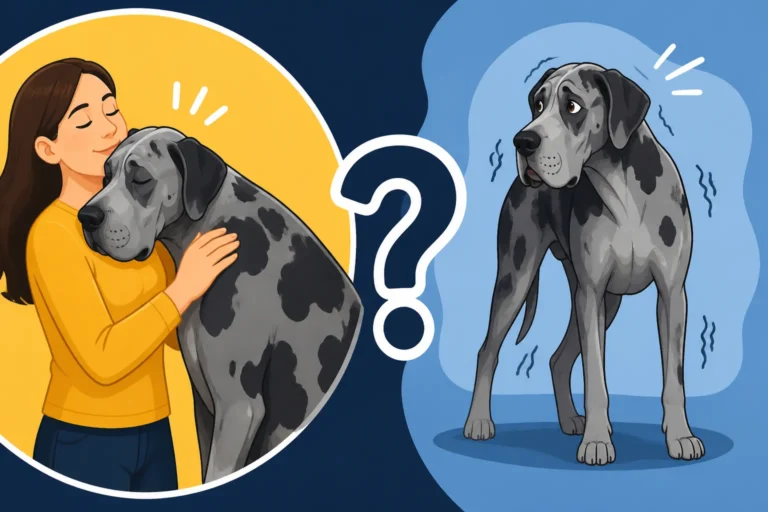
Great Danes are often affectionately called "Velcro dogs" for a reason. They thrive on companionship and form incredibly strong bonds with their human families. Their immense size belies a sensitive, often clingy personality that craves constant connection. This deep attachment, while charming and endearing when you're home, can become a significant challenge when left alone. Imagine a child, utterly dependent and used to constant presence, suddenly finding themselves completely isolated. That's often how a Great Dane experiencing separation anxiety feels. Their whole world revolves around their people, and when those people disappear, even for a short time, it can trigger an existential crisis for them. They're not just missing you; they're convinced something terrible has happened, or worse, that you're never coming back.
The physical presence of such a large dog, who is inherently close-seeking, means they often spend their waking hours literally leaning on you, following you from room to room, and acting as your shadow. When that physical connection is severed, the emotional void can feel enormous and overwhelming. Their inherent need for closeness, coupled with their often soft and sensitive temperaments, makes them particularly vulnerable to developing strong anxieties when forced into solitude.
The Difference Between Mild Distress and Full-Blown Panic
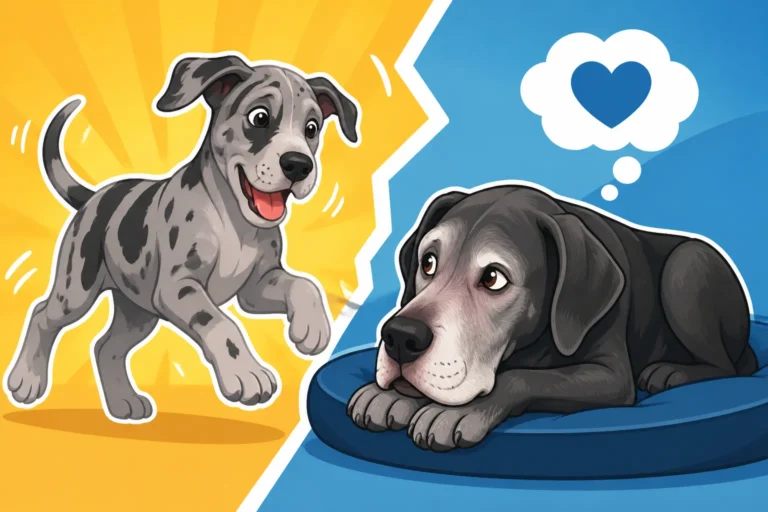
It's important to distinguish between a little bit of separation distress and a full-blown panic attack. Most dogs, even the most well-adjusted, will show some mild signs of missing their owners when left alone. This might manifest as a brief whine when you walk out the door, a few minutes of pacing, or perhaps lying by the door for a while before settling down. These are normal, understandable reactions to a change in their environment. It’s like a human child being a little sad when mom leaves for work but quickly getting absorbed in playtime.
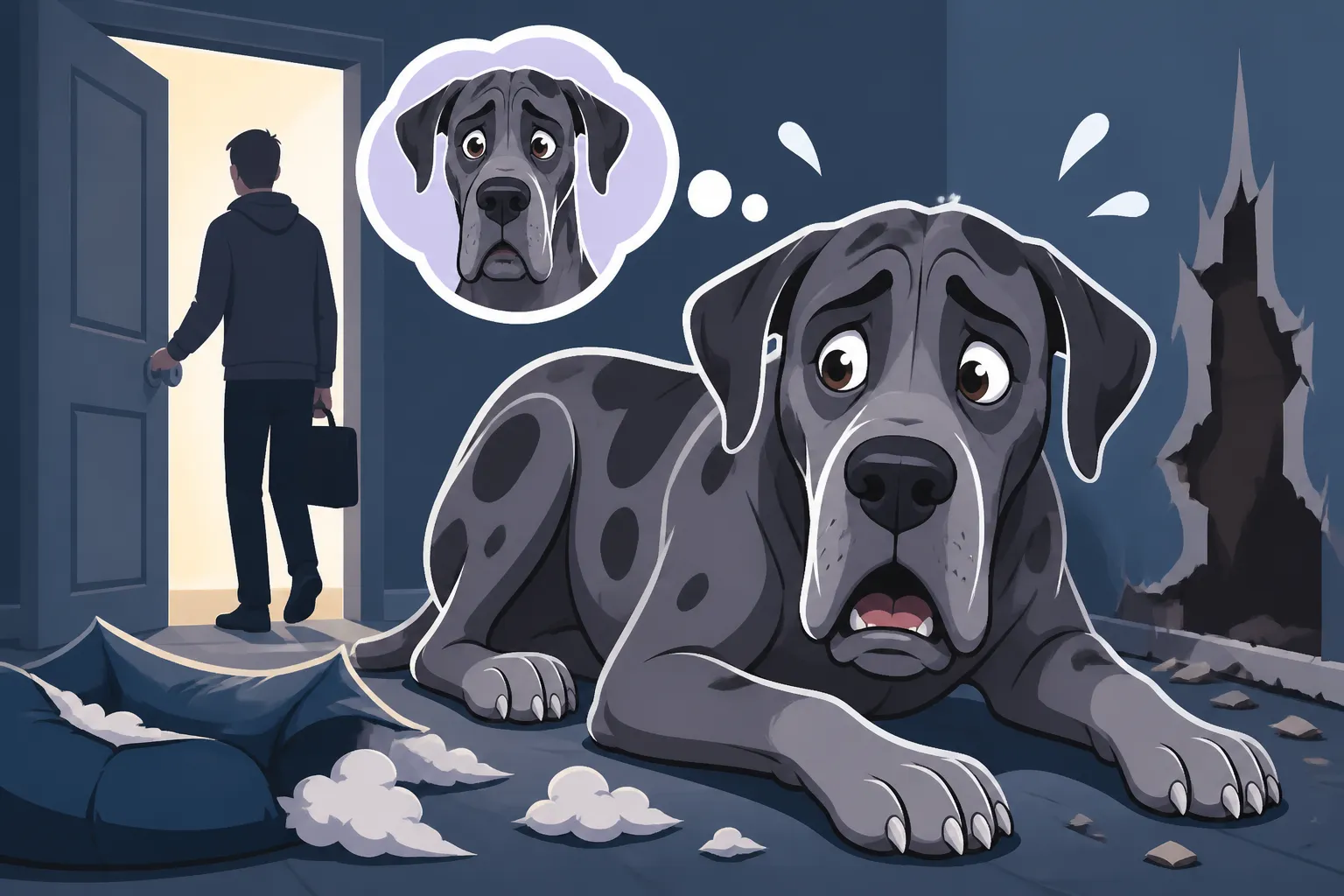
Full-blown separation anxiety, however, is on a completely different level. This isn't just sadness or boredom; it's an intense, overwhelming fear response that can be truly debilitating for your dog. A Great Dane in a state of panic might howl incessantly, injure themselves trying to escape, or completely lose control of their bladder and bowels. They are not choosing to be destructive or messy; their body is reacting to extreme stress. Observing your Great Dane's behavior when you're away, perhaps with a pet camera, can help you gauge the severity. Are they settling down after 10-15 minutes, or are they escalating into a full-blown meltdown? Understanding this distinction is the first step toward finding the right solution. You might hear neighbors complain about A Great Dane That Howls in an Empty House, which is a clear sign.
Recognizing the Signs of Panic When You Leave
When a Great Dane experiences true separation anxiety, their distress signals are often dramatic and impossible to ignore. These aren't just minor misbehaviors; they are urgent cries for help.
Vocalizations That Signal Distress
One of the most common and distressing signs of separation panic in a Great Dane is excessive vocalization. This isn't just a friendly bark at the mail carrier. We're talking about sustained, high-pitched whining, frantic barking, or deep, mournful howling that can last for hours. Your Dane might cycle through all of these sounds, desperately trying to "call" you back or express their profound anxiety. This isn't a deliberate attempt to annoy the neighbors, though it certainly can. Instead, it's a primal response, a way for your dog to communicate their terror and loneliness when you're not there. They are literally screaming for help, hoping that their distress will somehow summon you back to their side. It's their instinctive cry for connection and reassurance, a sound that can be heartbreaking for any owner to hear or imagine.
Sometimes, the vocalizations will be punctuated by periods of silence, only to start up again with renewed intensity. This can be especially frustrating for owners who might assume the dog has settled, only to discover later that the quiet moments were just brief respites before another wave of panic. The sheer volume and duration of a Great Dane's distressed vocalizations can make living in close proximity to neighbors particularly challenging, and often, it's the first sign that alerts owners to the depth of their dog's anxiety.
Destructive Behavior and Property Damage
Another common, and often costly, symptom of a Great Dane in panic is destructive behavior. Given their impressive size and strength, a Great Dane can inflict an astonishing amount of damage in a short period. This might include chewing on door frames, digging at carpets or floors, scratching paint off walls near entryways, or even attempting to chew through solid wood furniture. They might target items that smell strongly of you, like shoes or clothing, or they might try to create an escape route by destroying doors or windows. This isn't "bad dog" behavior; it's a desperate attempt to cope with overwhelming anxiety, release pent-up energy, or quite literally, try to get out and find you.
The scale of the damage a Great Dane can cause is often far beyond what you might expect from a smaller dog. They can rip through drywall, splinter wood, and completely redecorate a room in a way that suggests a small hurricane passed through. Damage a Great Dane Reaches That Smaller Dogs Cannot can be extensive and pose a risk not only to your home but also to their own safety. They might ingest foreign objects, break teeth, or injure paws in their frantic attempts to escape or self-soothe. Coming home to such a scene is incredibly stressful for owners, but remember, your Dane is not doing it to spite you; they are genuinely in crisis.
Inappropriate Urination and Defecation
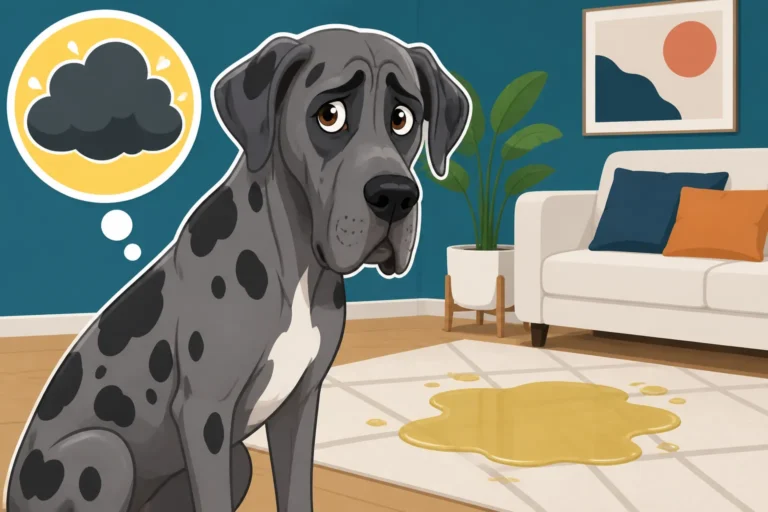
Finding puddles or piles inside your home after you've left, especially if your Great Dane is otherwise house-trained, is another tell-tale sign of separation anxiety. Many owners mistakenly attribute this to anger or spite, thinking their dog is "punishing" them for leaving. However, this couldn't be further from the truth. Inappropriate urination and defecation in the context of separation anxiety are physiological responses to extreme stress and fear, akin to a human child wetting the bed when terrified.
When a dog is experiencing intense anxiety, their body releases stress hormones, which can affect their bladder and bowel control. They are not choosing to relieve themselves indoors; their body simply can't hold it. It's an involuntary reaction, and punishing them for it will only increase their anxiety and make the problem worse. Before attributing accidents to separation anxiety, it's crucial to rule out any underlying medical issues, such as a urinary tract infection or gastrointestinal upset, by visiting your veterinarian. Once physical causes are excluded, it’s clear this is a manifestation of profound emotional distress.
Self-Harm and Physical Manifestations
In the most severe cases of separation panic, Great Danes can inflict physical harm upon themselves. This is perhaps the most heartbreaking symptom and indicates a dog in extreme mental anguish. They might excessively lick or chew at their paws, flanks, or tail until the skin becomes raw, inflamed, or even infected. This self-soothing behavior, while seemingly innocuous at first, can lead to serious dermatological issues.
Beyond licking, a panicking Great Dane might pace frantically for hours, wearing down their paw pads, or rubbing their nose and face raw on crate bars or door frames in desperate attempts to escape. They may injure their mouth trying to chew through hard surfaces or suffer broken nails and lacerations from frantic digging or scratching. These injuries are a stark reminder of the intense mental suffering your dog is enduring. It underscores that these behaviors are not naughty; they are a cry for help from a dog experiencing overwhelming fear and despair. Witnessing or discovering these injuries can be incredibly upsetting for owners, highlighting the urgency of addressing the underlying anxiety.
Proactive Steps to Prevent Separation Anxiety from Taking Hold
While it's difficult to completely guarantee a Great Dane will never experience separation anxiety, especially given their predisposition, there are many proactive steps you can take, particularly with a puppy or a newly adopted dog, to build resilience and foster independence.
Gradual Desensitization and Alone Time Training
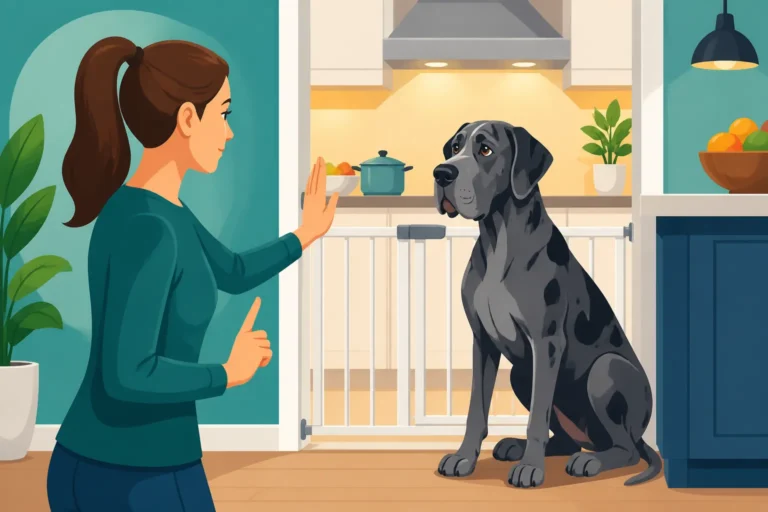
The key to preventing separation anxiety is to teach your Great Dane that being alone is not a scary event, but a normal, predictable part of life. This process, called gradual desensitization, involves slowly increasing the duration of alone time, starting with very brief periods. Begin by simply leaving the room for a few seconds, then returning calmly. Don't make a big fuss when you leave or return. Gradually extend this time to minutes, then to slightly longer periods where you might step just outside the front door and immediately come back in.
As your Dane becomes comfortable with these short absences, you can introduce cues like picking up your keys or putting on your coat, but don't actually leave. This helps desensitize them to these "departure cues" that often trigger anxiety. The goal is to make your absence a non-event. Always ensure your dog has a high-value chew or puzzle toy to distract them during these short periods. Consistency is paramount. Even if you're home all day, practice these short absences multiple times a day to build a strong foundation of comfort with solitude. Building Up a Great Dane's Alone Time slowly and steadily is far more effective than abrupt, long absences.
Establishing a Strong Independent Foundation
Beyond teaching your Great Dane to cope with your physical absence, it’s vital to foster a sense of independence even when you are home. Great Danes, being the Velcro dogs they are, often struggle with this. Encourage independent play with toys, give them a designated "place" (like a mat or a bed) where they can settle away from you, and don't feel compelled to respond to their every nudge or demand for attention. This doesn't mean ignoring your dog; it means teaching them that it's okay, and even good, to relax and entertain themselves without constant human interaction.
For example, when you're watching TV, encourage them to lie on their bed rather than on top of you. Offer them a stimulating puzzle toy in a separate room while you cook dinner. The aim is to break the habit of constant proximity and teach them that their world doesn't completely stop or become terrifying when you're not within arm's reach. This builds their confidence and reduces their reliance on your constant presence for security. This helps build a greater A Great Dane's Tolerance for an Empty House.
The Role of Exercise and Mental Stimulation
A tired dog is a good dog, and a tired Great Dane is often a calmer Great Dane, less prone to anxiety. Ensuring your Dane gets adequate physical exercise and mental stimulation before you leave them alone can significantly reduce anxiety. A brisk walk or a good play session in the yard can help burn off excess energy and calm their nervous system. However, remember that Great Danes are prone to joint issues, especially during their growth phases, so Wearing Out a Great Dane Without Wrecking Its Joints is critical. Focus on controlled walks, gentle retrieves, or even swimming, rather than intense, high-impact activities.
Mental stimulation is just as important. Engage their minds with puzzle feeders, scent games, or training sessions. A dog that has had its brain worked is often more likely to settle down and rest. Leaving them with a challenging chew toy or a food puzzle when you depart can keep them occupied and help them associate alone time with something positive. The goal is to satisfy their physical and mental needs so they are relaxed and content when you need to step out, rather than bored, antsy, or full of undirected energy. You can find a huge variety of puzzle toys and durable chews on Amazon designed for strong chewers like Great Danes.
Choosing a Crate for Safe Alone Time
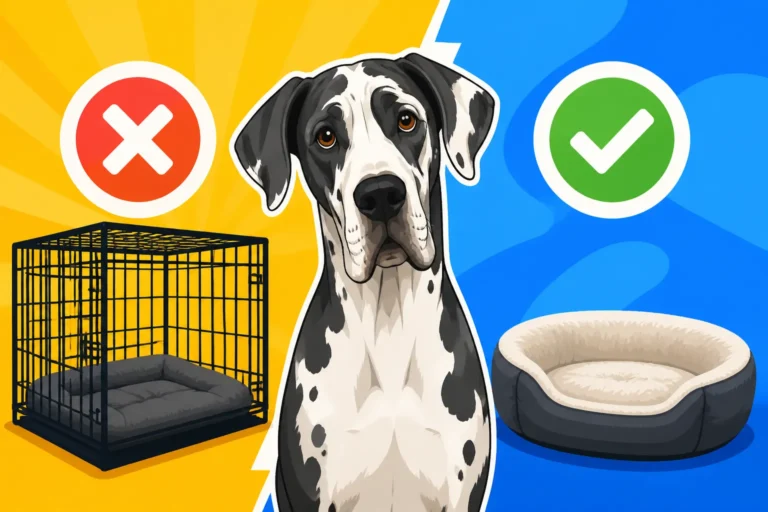
For many Great Danes, a properly introduced and positively conditioned crate can be an invaluable tool in preventing and managing separation anxiety. The crate becomes their den, a safe and secure space where they can feel protected and calm. However, it's crucial that the crate is never used as a punishment. It should be a place they willingly enter and enjoy spending time in, filled with comfortable bedding and perhaps a special toy.
When choosing a crate, remember that a Great Dane needs a truly enormous one. It must be large enough for them to stand up, turn around comfortably, and lie down in a natural position. Choosing a Crate a Great Dane Can Stand In is non-negotiable for their comfort and safety. Start by making the crate a positive experience, feeding meals inside, offering treats, and gradually increasing the time they spend in it while you're home. This positive association is key for effective Crate Training a Great Dane That Fills the Room. A well-crate-trained Dane often feels more secure when left alone, as their "den" provides a sense of enclosure and safety during their owner's absence.
Managing and Treating Existing Great Dane Panic
If your Great Dane is already exhibiting signs of severe separation anxiety, proactive prevention is no longer enough. This requires a dedicated approach, often involving professional guidance and a multi-faceted strategy.
Consulting with a Professional: Vets and Certified Trainers
When dealing with full-blown separation panic, the first and most crucial step is to consult with professionals. Start with your veterinarian to rule out any underlying medical conditions that might be contributing to or mimicking anxiety symptoms. Pain, illness, or hormonal imbalances can sometimes manifest as behavioral issues. Once physical health is confirmed, seek out a certified professional dog trainer specializing in anxiety or a veterinary behaviorist. These experts have the knowledge and experience to accurately diagnose the severity of the anxiety and develop a tailored behavior modification plan.
Trying to tackle severe separation anxiety alone can be overwhelming and often ineffective, as owners may inadvertently reinforce anxious behaviors. A professional can guide you through the desensitization process, help you identify triggers, and teach you how to respond appropriately to your Dane's panic. They can offer strategies that are specific to your dog's needs and your living situation. Online resources, like those offered by BAXTER & Bella, can be a fantastic supplement, providing structured courses and virtual support that can help you implement training techniques from home, but for severe cases, a one-on-one professional consultation is often indispensable. Don't be afraid to seek out Finding a Trainer Comfortable With a Great Dane.
Creating a Calm Environment and Routine
When you must leave your Great Dane alone, creating an environment that promotes calm can make a significant difference. Start by establishing a predictable daily routine for meals, walks, and playtime. Predictability reduces uncertainty, which is a major contributor to anxiety. Before you leave, make sure your Dane has had a chance to relieve themselves and has received some form of exercise and mental engagement.
In their designated safe space, consider leaving on a radio tuned to talk radio, a classical music station, or a television with a calming show. These familiar human sounds can help mask outside noises that might trigger alarm and create a comforting ambiance. Some dogs benefit from scent items, like an old T-shirt that smells like you, but for others, this can exacerbate their longing. Experiment to see what works best for your individual dog. Ensuring their bed is comfortable and placed in a low-traffic area can also contribute to a sense of security while you're gone.
Medication and Supplement Options
For Great Danes experiencing severe separation anxiety, behavior modification alone may not be enough, at least initially. In these cases, your veterinarian or a veterinary behaviorist might recommend medication in conjunction with a training plan. These medications, such as anti-anxiety drugs, are not a "cure-all" but can help lower your dog's overall anxiety levels, making them more receptive to behavior modification training. Think of it as a tool to help them get into a mental state where they can learn to cope, rather than being constantly overwhelmed by panic.
It's crucial to understand that these medications must be prescribed and monitored by a veterinarian. Self-medicating your dog is dangerous and ineffective. There are also various calming supplements available, often containing ingredients like L-theanine or tryptophan, which some owners find helpful for milder cases. However, always discuss any supplements with your vet before introducing them to ensure they are safe and appropriate for your Great Dane, especially if they are on other medications. Medication is typically a temporary measure, used to kickstart the training process and gradually weaned off as the dog's comfort with alone time improves.
Common Pitfalls and What NOT to Do
In our well-meaning attempts to help our Great Danes, we sometimes fall into traps that can inadvertently worsen their separation anxiety. Avoiding these common mistakes is just as important as implementing positive strategies.
Punishing Your Dane for Anxiety Behaviors
This is perhaps the most critical mistake an owner can make. Punishing your Great Dane for destructive chewing, accidents, or vocalizations that occur when you're away will never solve separation anxiety; it will only make it worse. Your dog is not being "bad" or defiant; they are experiencing a panic attack. They are not choosing to destroy your couch or pee on the floor; these are involuntary, stress-induced responses.
If you come home and punish them for something they did hours ago, they won't associate the punishment with the act itself. Instead, they will associate your return with punishment, leading to even greater anxiety around your departures and arrivals. They'll become even more terrified of being left alone, and more terrified of your return. This creates a vicious cycle of fear and confusion. Instead, clean up calmly, assess the damage, and focus your energy on positive training and management strategies. Your Dane needs empathy and guidance, not reprimand, during these stressful episodes.
Making Departures and Arrivals a Big Deal
It's incredibly tempting to shower your Great Dane with affection and dramatic goodbyes before you leave, or to greet them with an overly enthusiastic celebration when you return. However, this high-energy emotional exchange can actually heighten their anxiety. When you make a big fuss, it signals to your dog that your departure is a significant, emotionally charged event. This can ramp up their anticipation and distress.
Instead, practice calm, quiet departures and arrivals. A few minutes before you leave, ignore your dog (or give them a puzzle toy) to help them settle. Then, simply walk out the door without a dramatic farewell. When you return, enter calmly, ignore your dog for the first few minutes until they are settled, and then offer a quiet, affectionate greeting once they're relaxed. This teaches them that your coming and going is a normal, low-key part of the day, not a huge emotional event. It helps to lower the overall emotional charge surrounding your absence, making it less of an ordeal for your sensitive Great Dane.
Rushing the Training Process
Treating separation anxiety is a marathon, not a sprint. It takes immense patience, consistency, and a willingness to work at your Great Dane's pace, no matter how slow it seems. Many owners get frustrated when they don't see immediate results and try to rush the process, extending alone times too quickly or skipping steps in the desensitization protocol. This almost always backfires. If you push your Dane beyond their comfort level, you risk triggering a full-blown panic attack, which can set back your progress significantly.
Each step in the training, from seconds of absence to minutes, must be solidified before moving to the next. If your dog shows any signs of distress at a particular duration, you need to go back a step or two and build up even more slowly. It requires a tremendous amount of dedication and understanding that your Great Dane is not being difficult; they are genuinely struggling. Celebrate small victories, like an extra minute of calm alone time, and don't get discouraged by setbacks. Patience is truly a virtue when working with separation anxiety.
Relying Solely on "Cure-All" Products
The market is flooded with various "cure-all" products for separation anxiety, from calming sprays and diffusers to thunder shirts and anxiety wraps. While some of these tools can be helpful as part of a comprehensive behavior modification plan, relying on them as the sole solution is a common pitfall. A calming pheromone diffuser, for instance, might create a slightly more relaxed atmosphere, but it won't address the underlying behavioral and emotional issues that cause the panic.
These products are aids, not solutions. They can sometimes take the edge off a mild case of anxiety or support a dog undergoing intensive training, but they cannot replace the foundational work of desensitization, counter-conditioning, and professional guidance. It's easy to want a quick fix, especially when you're dealing with the stress of a panicking Great Dane, but true resolution comes from understanding and addressing the root cause, not just masking the symptoms with a product. Always approach anxiety treatment with a holistic view, combining management, training, and professional support.
Comparing Mild Distress vs. Panic Behaviors
To help you distinguish between normal reactions and severe anxiety, here's a table outlining key differences in Great Dane behavior when left alone:
| Behavior Category | Mild Distress (Normal Reaction) | Full-Blown Panic (Separation Anxiety) |
|---|---|---|
| Vocalizations | Brief whine or bark at departure, settles quickly | Sustained howling, frantic barking, high-pitched cries for hours |
| Body Language | May pace for a few minutes, lies by door, then settles, relaxed body | Frantic pacing, trembling, drooling, panting, dilated pupils, tense body |
| Destructive Behavior | Maybe an occasional chew on a forbidden item (boredom) | Extensive chewing (door frames, furniture), scratching, digging at exits |
| Elimination | Holds bladder/bowels, no accidents indoors | Urinates/defecates indoors, even if recently let out and fully house-trained |
| Self-Harm/Injury | None | Raw paws from licking/chewing, nose rubs, broken nails, mouth injuries from escape attempts |
| Duration of Distress | Few minutes post-departure, then calms down | Ongoing for minutes or hours of absence, sometimes until owner returns |
| Response to Departure Cues | May follow you, but no significant escalation in anxiety | Becomes visibly agitated, trembles, hides, tries to block you from leaving |
Conclusion
Living with a Great Dane who panics when left alone is incredibly challenging, both for you and for your beloved dog. The heartbreak of seeing their distress, coupled with the practical difficulties of managing the damage and disruptions, can feel overwhelming. But please, know that you are not alone, and there is hope. Understanding that their behavior stems from profound fear, not malice, is the first step towards healing.
By implementing consistent, patient training, seeking professional guidance, and creating an environment of security, you can help your Great Dane build the confidence they need to cope with your absence. It's a journey that requires dedication and empathy, but seeing your gentle giant learn to relax and feel safe, even when you're not by their side, is one of the most rewarding experiences of Great Dane ownership. Stick with it, advocate for your dog, and celebrate every small step forward.
Disclaimer
This article is for general informational purposes only and does not constitute professional advice. Laws, prices and regulations vary by location and change over time. Consult a qualified professional for guidance on your specific situation.