Why Waiting Until a Great Dane Is Grown Is Too Late
Bringing a Great Dane puppy into your home is an incredible joy, but many new owners quickly realize that the adorable, clumsy fluffball won't stay small for long. The biggest mistake you can make is to put off serious training, thinking you have plenty of time before they grow into their formidable size. This guide will walk you through precisely why delaying training for even a few months can create monumental challenges and how to get ahead of the curve.
The Explosive Growth of a Great Dane Puppy: Why Time is Not on Your Side
Let's be realistic: that tiny bundle of paws and floppy ears that fits snugly in your lap today is on an express train to giant dog status. Great Danes aren't just large; they are enormous. They gain weight and height at a staggering rate, often reaching half their adult weight by six months old. This isn't like raising a smaller breed where you have a bit of a grace period to work on manners. With a Dane, every week counts.
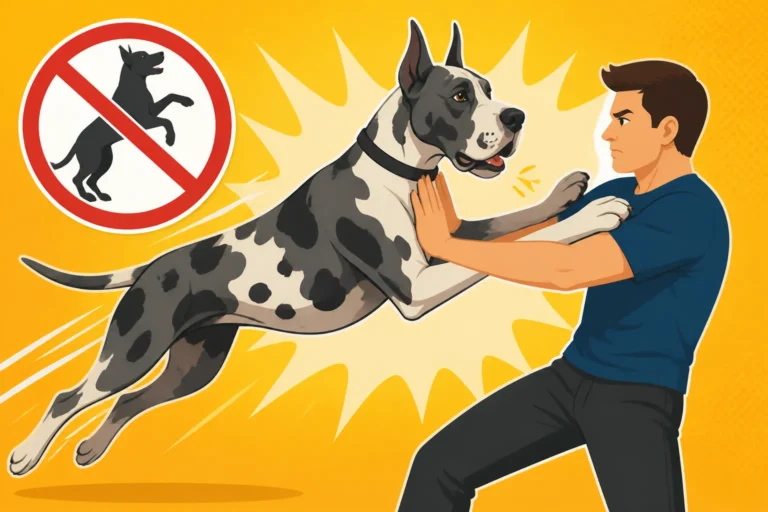
Imagine trying to teach a 30-pound puppy not to jump on guests. Manageable, right? Now picture that same puppy, six months later, weighing 90 pounds and still believing jumping is the best way to say hello. What was a minor nuisance has become a serious problem, potentially knocking over children, elderly relatives, or even strong adults. The sheer physics of a rapidly growing Great Dane mean that you simply do not have the luxury of procrastination when it comes to fundamental obedience. Their growth isn't just about size; it's about developing strength and momentum that can be difficult to control if not guided from an early age.
This rapid physical development also means that their minds are like sponges during these critical early weeks. They are eager to learn, absorb new experiences, and form habits. If you're not actively shaping those habits, they're forming their own, and trust me, "manners" aren't usually high on their self-taught curriculum. Missing this window means you'll spend far more time un-training undesirable behaviors later than you ever would have spent instilling good ones from the start. This is why addressing The Cues a Great Dane Needs Before Six Months is so crucial.
The Physical Realities: When "Cute" Becomes a Challenge
What's charming in a small dog can be downright problematic in a Great Dane. A small dog nipping playfully might elicit a chuckle; a Great Dane doing it, even gently, can be intimidating or accidentally painful. A puppy pulling on the leash is an easy fix for most people; a 150-pound adult Dane dragging you down the street? That's a serious safety hazard, not just for you but for everyone around you.
Consider the common issue of jumping. A little dog might jump up on your leg, which is annoying but harmless. A Great Dane, however, can easily reach eye level, place paws on your shoulders, and knock you flat. This isn't aggression; it's just an exuberance expressed through massive body mass. Teaching Stopping a Great Dane Jumping Up on People isn't just about good manners; it's about preventing injuries. Their size dictates that every action carries more weight, literally. Even a happy tail wag can clear a coffee table or inadvertently smack a child in the face. Their physical presence demands early, consistent instruction to ensure they navigate the world safely and politely.
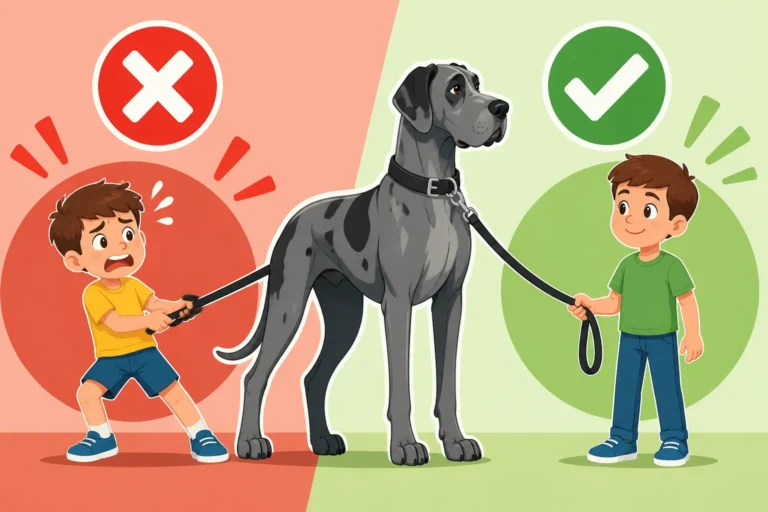
Another significant area is leash training. Many owners tolerate mild pulling from a small puppy, thinking they'll tackle it later. But later, when your Dane is fully grown, you'll be dealing with Great Dane Leash Manners at a Hundred and Fifty Pounds, which is a completely different beast. A proper, loose-leash walk isn't something that happens magically. It requires hours of patient, consistent practice during their most impressionable phase. If you wait, you might find yourself needing special equipment like a front-clip harness or even professional help just to manage walks, making what should be an enjoyable experience a constant struggle.
| Age / Weight Milestone | Training Priority | Consequence of Delaying |
|---|---|---|
| 8-16 Weeks (20-50 lbs) | Socialization, Bite Inhibition, Potty Training, Basic Cues (Sit, Stay, Come) | Fear/Anxiety towards new things, painful mouthing, accidents, unresponsive to commands. |
| 4-8 Months (50-100 lbs) | Leash Manners, "Off" command, Greeting manners, Alone time training, Handling | Pulling on leash, jumping on guests, separation anxiety, difficulty at vet/groomer. |
| 8-18 Months (100-150+ lbs) | Reinforce all basics, Adolescent challenges, Impulse control | Unmanageable walks, counter-surfing, destructive chewing, ignoring commands. |
| 18+ Months (Adult Size) | Advanced obedience, Proofing behaviors, Maintaining good habits | Deep-seated bad habits, physical impossibility of control, costly professional intervention. |
Behavioral Foundations: What Happens When They Miss Early Lessons
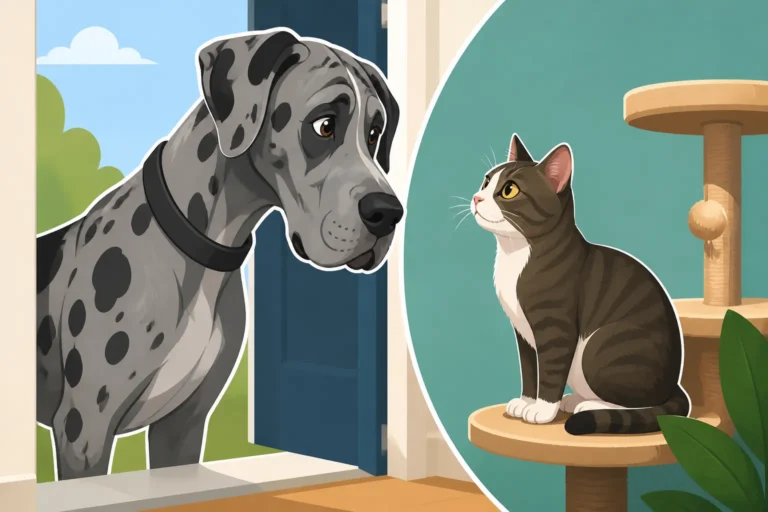
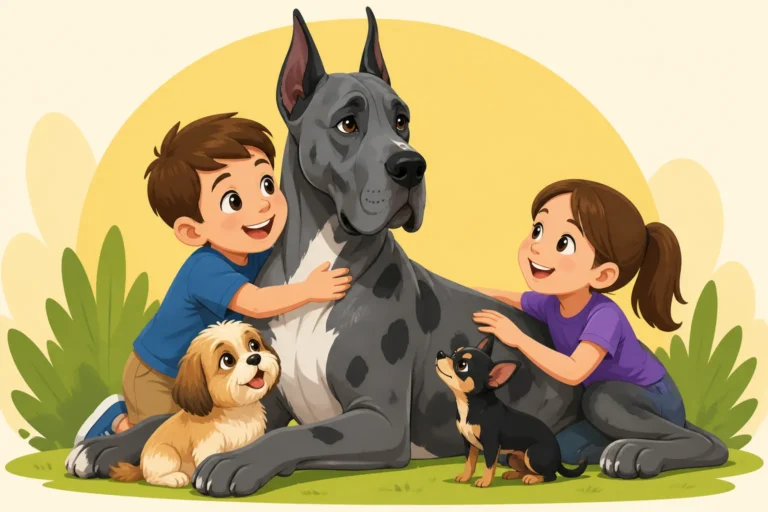
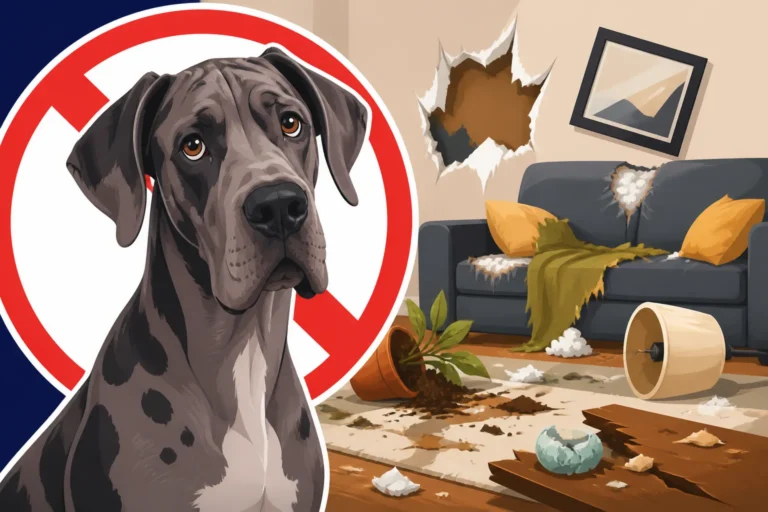
A Great Dane puppy's brain is highly receptive during its early months, particularly for socialization and basic obedience. This period, often called the "critical socialization period," extends roughly from 3 to 16 weeks of age. During this time, puppies learn about the world, what's safe, what's scary, and how to interact appropriately with other dogs, people, and environments. If a Great Dane misses out on Socializing a Great Dane Puppy Early, they can develop fear, anxiety, or reactivity later in life, which, when combined with their size, can be very challenging to manage. Imagine trying to calm a shy, 150-pound dog who is terrified of new people or loud noises – it’s a whole different ballgame than a nervous Chihuahua.
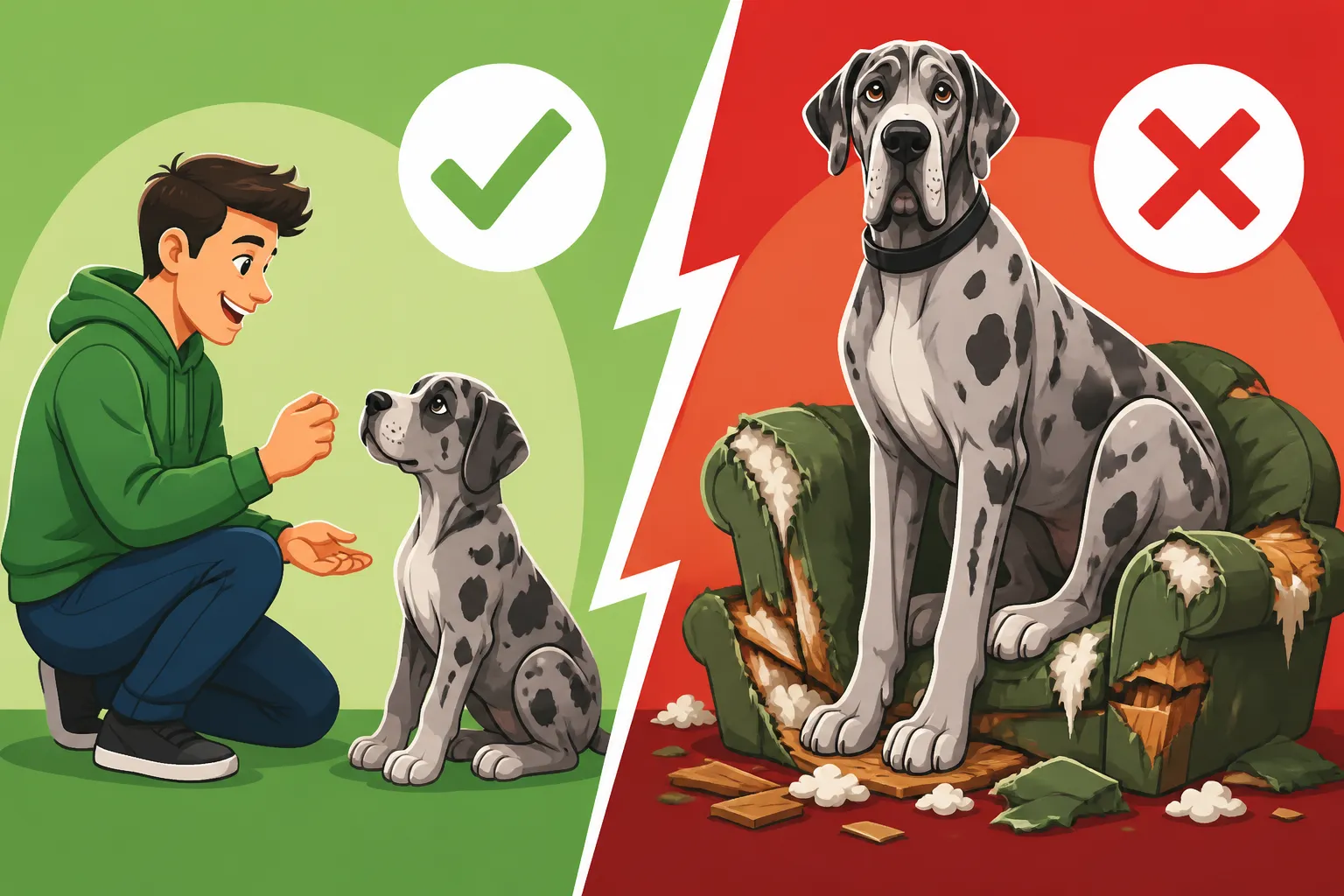
Beyond socialization, early obedience forms the bedrock of a well-behaved adult. Teaching your Great Dane simple commands like "sit," "stay," "come," and "leave it" when they are small and impressionable makes these commands second nature as they grow. If you wait, you're not just teaching a command; you're often trying to break a well-established bad habit. This is exponentially harder. For instance, Teaching a Great Dane to Sit Before It Weighs Eighty Pounds makes controlling them during greetings or meal times much easier down the line. Without these foundations, a Great Dane can quickly become an unruly giant, making daily life stressful rather than joyful.
Moreover, puppies learn what they can get away with. If a puppy discovers they can pull on the leash and still get to where they want to go, they'll continue that behavior as an adult. If they learn that jumping gets them attention, they'll keep jumping. These behaviors are simply reinforced through repetition. Brands like BAXTER & Bella offer online puppy training programs that can be incredibly helpful for new Great Dane owners, providing structured lessons and support from the very beginning. Leveraging such resources can make a huge difference in setting those crucial early boundaries and teaching appropriate responses before bad habits become ingrained.
The Cost of Delayed Training: More Than Just Frustration
The consequences of delaying a Great Dane's training extend far beyond mere frustration. There's a real financial and emotional cost involved. When a giant breed develops behavioral issues, correcting them often requires expensive professional trainers or behaviorists. These experts charge significantly more for large, powerful breeds due to the inherent risks and specialized skills required. What might have been prevented with a few hours of consistent training early on could end up costing hundreds or even thousands of dollars in remedial work. You're essentially paying a premium to undo problems that could have been avoided.
Beyond the monetary aspect, there's the emotional toll. Living with an untrained or poorly behaved Great Dane can be incredibly stressful. You might feel isolated, unable to take your dog for walks without fear of being dragged, or hesitant to have guests over because of jumping or counter-surfing. This can strain your relationship with your dog, turning a cherished companion into a source of anxiety. It impacts their quality of life too, as they might be less welcome in public spaces or even in friends' homes. Understanding this burden helps reinforce Why a Great Dane Burns Through Its Years with good experiences.
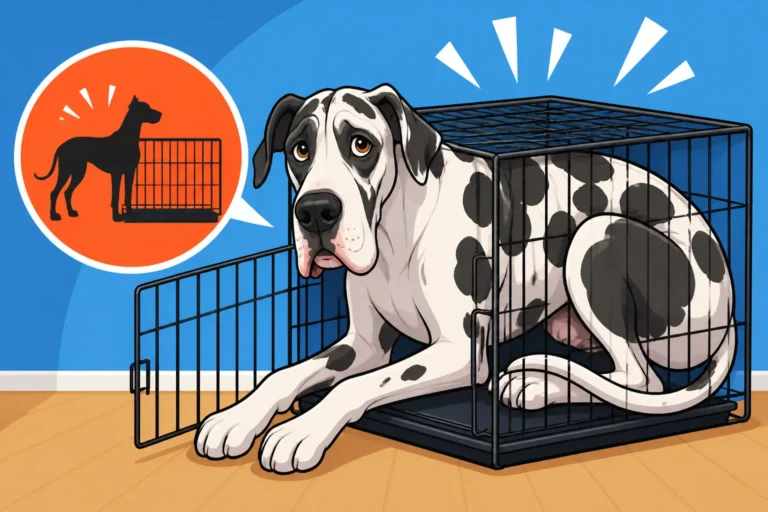
Consider everyday tasks: if your Great Dane isn't comfortable with being handled, vet visits, grooming appointments, or even just nail trims become a battle. A fully grown Great Dane who resists these necessary care routines is difficult, if not impossible, to manage without heavy sedation, adding further costs and stress. Simple management tools like extra-large crates or heavy-duty gates, often found on Amazon, can certainly help contain an unruly Dane in the short term, but they are not a substitute for proper training and management strategies developed during puppyhood. Investing your time and effort in those formative months truly pays dividends, ensuring a harmonious and happy life together with your gentle giant.
Disclaimer
This article is for general informational purposes only and does not constitute professional advice. Laws, prices and regulations vary by location and change over time. Consult a qualified professional for guidance on your specific situation.