A Great Dane That Limps Without an Injury
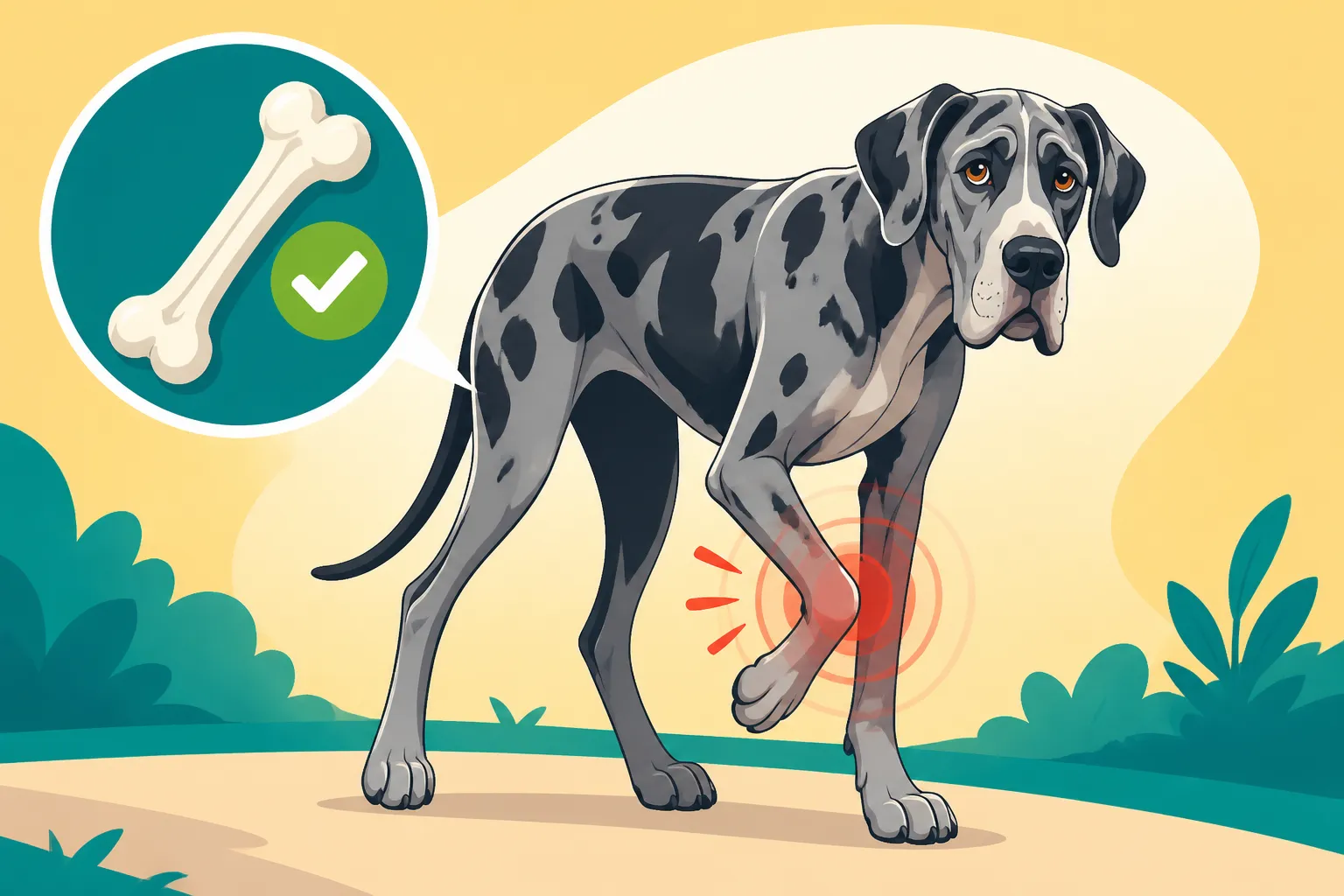
It's incredibly unsettling, isn't it? One minute your big, beautiful Great Dane is trotting along, and the next, they're favoring a leg, taking shorter steps, or completely refusing to put weight down – and you can't for the life of you see where they might have gotten hurt. No yelp, no visible cut, no obvious swelling. You might feel helpless, wondering how such a large dog could be in pain without an injury you can point to. This guide is here to help you understand the myriad reasons a Great Dane might limp without an apparent cause and what steps you can take to get them comfortable again.
Understanding the Great Dane's Unique Orthopedic Challenges
When you bring a Great Dane into your life, you’re signing up for a dog that defies most canine norms. Their sheer size and incredible growth rate, while majestic, also lay the groundwork for a unique set of orthopedic vulnerabilities. What might be a minor strain in a smaller dog can become a significant, chronic issue in a giant breed like ours.
The Impact of Rapid Growth on Joints
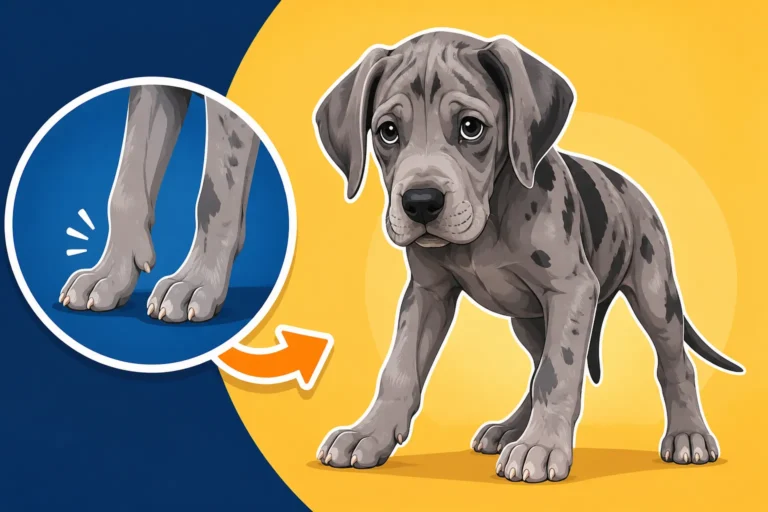
Great Danes don't just grow; they explode in size. A puppy can go from a fluffy bundle to a towering adolescent in mere months, sometimes adding several pounds and inches in a single week. This astonishing rate of development puts immense, almost unimaginable stress on their developing bones, cartilage, and joints. It's a delicate balance, and if anything goes slightly awry during this crucial period, it can lead to lifelong issues that manifest as unexplained limping. We often see conditions like Hypertrophic Osteodystrophy (HOD) or Panosteitis, often colloquially called "growing pains," crop up during these rapid growth spurts. These conditions cause inflammation in the growth plates or long bones, leading to intermittent lameness that can shift from leg to leg, leaving you scratching your head because there was no specific accident. It's why experts constantly stress Why a Great Dane Puppy Should Grow Slowly and how proper nutrition, not overfeeding, is absolutely critical.
Genetic Predispositions and Their Role
Beyond the mechanics of rapid growth, Great Danes are also predisposed to certain genetic conditions that can cause limping without an acute injury. Hip and elbow dysplasia are unfortunately common culprits. These aren't sudden injuries; they're malformations of the hip or elbow joints that develop over time. The ball and socket don't fit together correctly, leading to abnormal wear and tear, inflammation, and pain. Your dog might show subtle signs of discomfort, a slight stiffness, or a reluctance to jump or run, long before overt limping begins. As the condition progresses, that "unexplained" limp can become more pronounced. This is precisely why responsible breeders are so diligent about Great Dane Hip and Elbow Screening in parent dogs, striving to minimize the incidence of these painful conditions in their lines.
Common Causes of Unexplained Limping in Young to Adult Great Danes
Even if your Great Dane is past the frantic puppy growth stage, an unexplained limp can still emerge, often signaling a deeper, underlying issue that isn't immediately visible to the naked eye. These can range from subtle developmental issues that have quietly worsened to more insidious conditions.
Developmental Bone and Joint Diseases
One of the most frustrating aspects of owning a Great Dane is that seemingly minor developmental issues can become major sources of lameness. Conditions like Osteochondritis Dissecans (OCD) often start during the rapid growth phase but can become clinically apparent later. OCD involves a disturbance in the cartilage of a joint, leading to a flap of cartilage (and sometimes bone) that detaches and floats within the joint space. This is most commonly seen in the shoulders, but can also occur in elbows, hocks, and knees. Imagine having a pebble stuck in your shoe, constantly irritating and inflaming the area—that's what a cartilage flap can feel like for your dog. It causes pain and limping, but there's no visible trauma from the outside. If you've ever heard of Cartilage Flaps in a Great Dane Shoulder, you know how debilitating this can be, and it's a prime example of a condition that causes lameness without a 'big event.'
Soft Tissue Injuries and Strains
It's easy to dismiss a limp if you don't see a visible injury, but even the most careful Great Dane can experience soft tissue trauma. Their enormous size and power mean that a seemingly innocent misstep, a playful romp with another dog, or even just twisting awkwardly can result in muscle strains, ligament sprains, or tendonitis. These aren't always accompanied by a dramatic yelp or sudden collapse. Instead, you might notice a gradual onset of lameness, especially after exercise. The affected area might not be visibly swollen or hot to the touch, making it incredibly difficult to pinpoint. A partial tear of the cranial cruciate ligament (ACL equivalent) in the knee is another notorious culprit. While a full rupture is usually obvious, a partial tear can cause intermittent limping that waxes and wanes, leaving you wondering what's really going on. Getting to the bottom of a Cruciate Injury in a Great Dane requires a vet's careful assessment.
Neurological Conditions Mimicking Lameness
Sometimes, what looks like a limp is actually a neurological issue affecting coordination or strength, rather than a problem purely within the limb itself. For Great Danes, the most notorious of these is Wobbler Syndrome, also known as Cervical Spondylomyelopathy. This is a complex condition involving compression of the spinal cord and/or nerve roots in the neck region. Because the nerves controlling the limbs originate in the spinal cord, any compression can lead to a wobbly gait, weakness, and lameness, particularly in the hind limbs, but sometimes in all four. The First Wobbler Signs in a Great Dane can be incredibly subtle – a slight unsteadiness, a hesitation when navigating stairs, or just a general stiffness that progresses over time. It can look like an orthopedic issue, making diagnosis tricky without specialized tests. You might observe A Great Dane That Stumbles on Its Back Legs, which is a classic, though alarming, sign.
Investigating the Limp: What Your Vet Will Do
When your giant companion starts limping without an obvious injury, it’s not just a puzzle; it’s a source of real concern. The diagnostic process can feel like a journey, but it’s essential to get to the root cause so your Great Dane can get the appropriate care. Your vet isn't just looking for the obvious; they're playing detective, piecing together clues from your observations and a thorough physical examination.
The Initial Physical Examination
When you bring your Great Dane in for an unexplained limp, your veterinarian will start with a comprehensive physical examination. This is far more than just a quick look. They'll observe your dog's gait, both walking and sometimes trotting, to assess the quality of movement, weight distribution, and any subtle lameness patterns. Then comes the hands-on part: palpating every joint, from the toes all the way up to the shoulders and hips, feeling for subtle swelling, heat, or pain response. They'll gently manipulate each joint through its full range of motion, looking for restrictions, grinding (crepitus), or discomfort. It’s during this stage that a skilled vet can often identify a painful area that you, as an owner, might not have been able to pinpoint on such a large dog. They’ll also check muscle symmetry and overall body condition. Given the sheer size of these dogs, a full physical exam can be quite an undertaking, and sometimes specialized equipment or extra hands are needed, contributing to why Vet Visit Costs When a Great Dane Cannot Be Lifted can be a real consideration for owners.
Diagnostic Imaging and Advanced Tests
If the initial physical exam doesn't immediately reveal the problem, or if the vet suspects something deeper, diagnostic imaging is the next crucial step. X-rays, or radiographs, are typically the first line of defense. These images can reveal bone abnormalities like fractures (even hairline ones that might not be outwardly visible), signs of arthritis, developmental conditions like hip or elbow dysplasia, or changes associated with conditions like HOD or OCD. Sometimes, specific views or sedation might be necessary to get clear, diagnostic images of joints in a Great Dane.
However, X-rays don't show everything. For soft tissue injuries (like ligament tears) or spinal issues (like Wobbler Syndrome), your vet might recommend more advanced imaging techniques. These could include an ultrasound for certain soft tissues, or more commonly, a Computed Tomography (CT) scan or Magnetic Resonance Imaging (MRI). These sophisticated scans provide highly detailed cross-sectional images of bones, soft tissues, and the spinal cord, allowing for the precise identification of issues like nerve compression or subtle cartilage damage. If Wobbler Syndrome is a strong suspicion, knowing What Shows Up on a Great Dane Spinal Scan from an MRI can be absolutely definitive. In some complex cases, a referral to a board-certified orthopedic surgeon or neurologist might be suggested, where they have specialized equipment and expertise to diagnose and manage these intricate conditions.
Managing and Treating Unexplained Lameness
Once the cause of your Great Dane's unexplained limp is identified, the focus shifts to management and treatment. This phase can be as varied as the causes themselves, ranging from conservative, non-surgical approaches to complex surgical interventions, all aimed at improving your dog's quality of life.
Conservative Management Strategies
For many causes of limping that don't involve severe structural damage or neurological compromise, conservative management is the first approach. This typically involves a combination of rest, activity modification, and medication. Strict rest might mean crate rest for a period, limiting all strenuous activity, and only allowing short, leashed potty breaks. Anti-inflammatory medications (NSAIDs) are commonly prescribed to reduce pain and swelling, while other pain medications might be added depending on the severity of discomfort.
Beyond medication, physical rehabilitation can play a huge role. This might include hydrotherapy (underwater treadmill), therapeutic exercises, massage, and cold laser therapy to strengthen muscles, improve range of motion, and reduce pain. For Great Danes who struggle with mobility due to pain or weakness, supportive aids like slings can be invaluable for helping them get around, especially when you need to Supporting a Great Dane's Back End With a Sling to get them outdoors. Many owners also explore joint supplements containing ingredients like glucosamine, chondroitin, and MSM, though it's important to understand Whether Joint Supplements Reach a Great Dane's Dose and to discuss appropriate dosages with your vet.
Surgical Interventions
When conservative methods aren't enough, or if the underlying condition is severe or progressive (such as advanced OCD, severe dysplasia, or certain stages of Wobbler Syndrome), surgery may become a necessary option. The type of surgery will depend entirely on the specific diagnosis. For instance, OCD might require arthroscopy to remove the cartilage flap, while severe hip dysplasia could necessitate a total hip replacement in suitable candidates. Wobbler Syndrome often involves complex spinal surgery to decompress the spinal cord.
Undergoing surgery is a significant decision for a giant breed. Recovery can be extensive, involving weeks or even months of strict rest, followed by intensive physical rehabilitation. The costs associated with these specialized surgeries and the subsequent recovery care can be substantial, often running into thousands of dollars. This is precisely why many Great Dane owners find peace of mind with pet insurance. Providers like Healthy Paws can offer crucial financial support, helping to cover a significant portion of these unexpected and often life-saving veterinary expenses.
Long-Term Support and Lifestyle Adjustments
Even after successful treatment, managing a Great Dane with a history of orthopedic or neurological issues often requires ongoing commitment and lifestyle adjustments. Maintaining an ideal body weight is paramount; extra pounds put immense stress on already compromised joints. Regular, controlled exercise tailored to their condition is vital—no more wild, unrestricted play if it exacerbates their lameness.
Environmental modifications around the home can also make a huge difference. Providing orthopedic dog beds with ample cushioning is essential, not just for comfort but to prevent additional pressure sores or hygromas, emphasizing the importance of Bedding That Prevents Great Dane Hygromas. Using ramps instead of stairs, providing non-slip rugs on slick floors, and ensuring easy access to food and water can all improve their daily comfort and mobility. Regular veterinary check-ups are key to monitoring their condition, adjusting pain management as needed, and exploring new therapeutic options as they become available. Caring for a Great Dane, especially as they get older, often means adapting to their changing needs, a commitment highlighted in our guide to Caring for a Great Dane Past Six.
Preventative Measures and Early Detection
While not all causes of limping can be entirely prevented, there's a lot we, as Great Dane parents, can do to stack the odds in our favor and detect issues early, before they become debilitating. Proactive choices and diligent observation are your best tools.
Responsible Breeding and Puppy Selection
The journey to a healthy Great Dane often begins long before they even come home. Choosing a responsible breeder who prioritizes health is perhaps the most critical preventative step. A truly dedicated breeder will openly discuss The Health Testing a Great Dane Breeder Owes You, including hip, elbow, and cardiac screening results for both parent dogs. They should be able to provide documentation, such as OFA (Orthopedic Foundation for Animals) or PennHIP certifications, demonstrating that their breeding dogs are free from inheritable orthopedic conditions like dysplasia. While these tests aren't a 100% guarantee that a puppy won't develop problems, they significantly reduce the risk. Don't be shy about asking to see _Reading a Great Dane Puppy's Health Papers_—it’s your right and your responsibility as a future owner. Avoiding "bargain" puppies from questionable sources is crucial, as these breeders often skip vital health testing, inadvertently perpetuating genetic conditions.
Optimal Nutrition and Exercise for Growing Danes
Once you bring your Great Dane puppy home, their diet and exercise regimen are your direct control for preventing future lameness. It cannot be overstated: giant breed puppies require a specific diet formulated for large and giant breeds. These foods are carefully balanced with lower protein, calcium, and phosphorus levels to support slow, steady growth. Overfeeding a Great Dane puppy or feeding a regular adult dog food can lead to excessively rapid growth, which puts undue stress on their developing joints and increases the risk of conditions like HOD and OCD. This is precisely Why a Great Dane Puppy Should Grow Slowly. You should be able to feel their ribs easily but not see them prominently—a lean body condition is critical for protecting growing joints. As our guide on Whether a Great Dane Puppy Should Be Kept Lean explains, this isn't about depriving them but about protecting their fragile developing skeletal system.
Equally important are appropriate Exercise Limits While a Great Dane Is Still Growing. While it's tempting to let a playful puppy run wild, forced, high-impact exercise (like long runs, intense agility, or repetitive jumping) should be avoided until their growth plates have closed, typically around 18-24 months of age. Short, controlled walks and free play in a safe, soft environment are far more beneficial. This gentle approach helps prevent microtraumas to their vulnerable joints, which can otherwise lead to issues like Growth Disorders in a Great Dane Puppy.
Recognizing Subtle Signs and When to Act
Even with the best preventative care, issues can arise. As your Great Dane's primary caregiver, you are their first line of defense. Becoming intimately familiar with your dog's normal gait, activity level, and behavior is key. Watch for subtle changes:
- A slight shift in weight when standing.
- Reluctance to jump into the car or onto furniture.
- Hesitation before climbing stairs.
- Taking shorter steps or favoring one leg after rest or exercise.
- Lethargy or decreased enthusiasm for play.
- Changes in appetite or personality, which can sometimes be linked to chronic pain.
If you notice any of these signs, don't wait. Early veterinary intervention is crucial for diagnosing and managing conditions effectively. The sooner a problem is identified, the better the prognosis for successful treatment and maintaining your Great Dane's quality of life. Regular wellness check-ups are also vital, as your vet can often spot issues you might miss. Remember, while a Great Dane's average Why a Great Dane Only Lives Seven to Ten Years, proper care and early detection can help ensure those years are as comfortable and happy as possible.
Comparing Common Causes of Limping in Great Danes
To help you visualize the different issues that can cause an unexplained limp in your Great Dane, here's a comparative table outlining some common culprits, their typical signs, and the diagnostic approaches your vet might take.
| Condition | Common Age of Onset | Typical Signs of Limping | Common Diagnostic Tools |
|---|---|---|---|
| Panosteitis (Growing Pains) | 5-18 months | Shifting lameness, can affect one or multiple legs, acute pain on palpation of long bones. | X-rays (may show subtle changes), physical exam. |
| Hypertrophic Osteodystrophy (HOD) | 2-8 months | Swelling around joints, fever, pain, reluctance to move, severe lameness. | X-rays (distinct changes in growth plates), physical exam. |
| Osteochondritis Dissecans (OCD) | 6-18 months | Persistent lameness, often worse after exercise, limited range of motion, specific joint pain (e.g., shoulder, elbow). | X-rays (may show cartilage flap/bone changes), CT/MRI for clearer visualization. |
| Hip/Elbow Dysplasia | 6 months to adult | Stiffness, reluctance to jump/run, "bunny hopping," difficulty rising, pain, grinding sensation in joint. | X-rays (OFA/PennHIP views), physical exam. |
| Cruciate Ligament Injury (Partial Tear) | Any age, often adult | Intermittent lameness, holding leg up, clicking sound, difficulty bearing weight. | Physical exam (Cranial Drawer Test), X-rays (rule out other issues), MRI. |
| Wobbler Syndrome | 3-8 years (can be earlier) | "Drunken sailor" gait, hind limb weakness, scuffing of nails, neck pain, short-strided front limb gait. | Neurological exam, X-rays (neck), MRI/CT (definitive diagnosis). |
| Osteosarcoma (Bone Cancer) | Typically 6+ years | Persistent, often progressive lameness; swelling at affected site; bone pain; spontaneous fractures. | X-rays, biopsy, full body scans to check for metastasis. |
Disclaimer
This article is intended for informational purposes only and does not constitute veterinary advice. If your Great Dane is limping or showing any signs of pain or illness, please consult with a qualified veterinarian immediately. Early diagnosis and intervention are crucial for the best possible outcome.