Surgery Against Management for a Wobbler Dane
Seeing your magnificent Great Dane stumble, scuff their back paws, or develop that unsteady, almost drunken gait can be absolutely heartbreaking. It’s a terrifying moment when you realize something is profoundly wrong with their coordination, often hinting at the insidious progression of Wobbler Syndrome. When faced with this diagnosis, the path forward isn't always clear, leaving you grappling with the incredibly difficult choice between surgical intervention and ongoing conservative management. This guide aims to thoroughly explore both options, helping you understand what each entails for your beloved companion.
Understanding Wobbler Syndrome in Great Danes
Wobbler Syndrome, or cervical spondylomyelopathy (CSM), is one of those conditions that strikes fear into the heart of any Great Dane owner. It’s a neurological disease affecting the cervical (neck) spine, leading to compression of the spinal cord and/or nerve roots. For a breed already prone to a host of health challenges, adding this to the list can feel overwhelming.
What Exactly is Wobblers Disease?
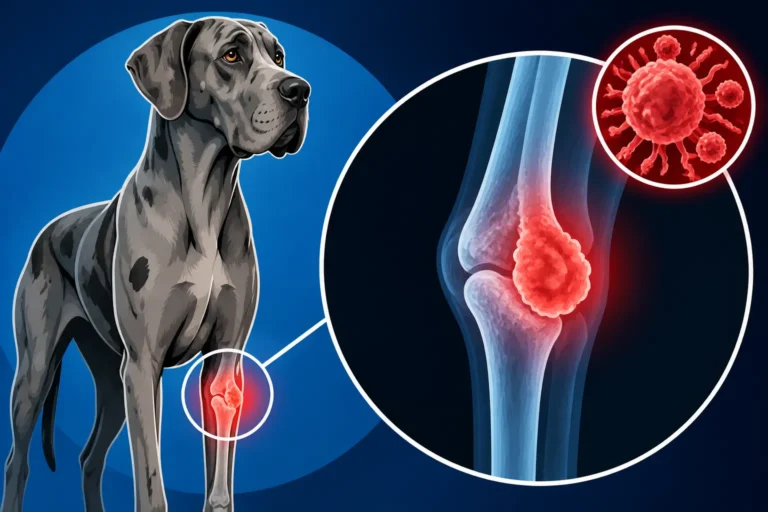
At its core, Wobblers Disease in Great Danes is a complex issue involving instability and malformation of the vertebrae in the neck. Imagine the delicate spinal cord, which is like the main highway for all communication between the brain and the body, getting pinched or squished. This compression can stem from a few different things: sometimes it’s an abnormal bone growth pushing in, other times it’s a disc bulging out, or even a combination of factors leading to a narrowing of the spinal canal. The formal term often used is cervical vertebral instability (CVI) or cervical spondylomyelopathy (CSM), and it essentially means the neck bones aren't quite doing their job of protecting the spinal cord, leading to nerve damage and those tell-tale neurological signs. For a Great Dane, their rapid growth and sheer size can contribute to the development of this condition, making them particularly susceptible.
Identifying the Signs of a Wobbler Dane
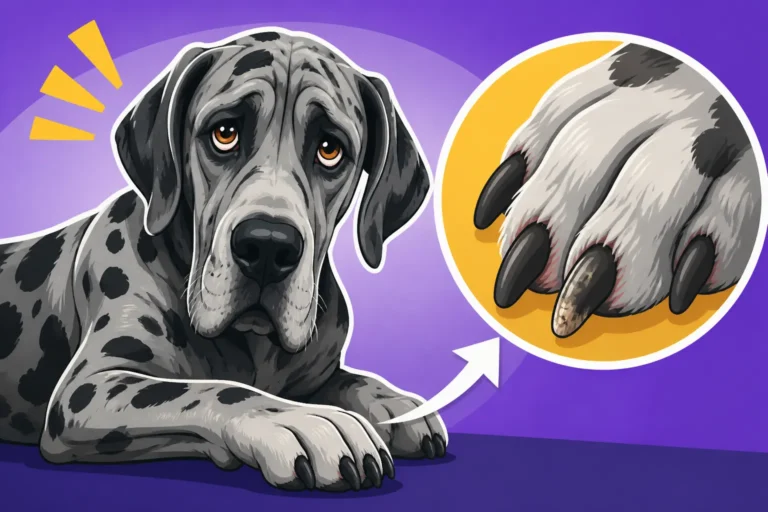
The first signs of a Wobbler Dane can be subtle, almost imperceptible at first, and often progress slowly, which makes them easy to miss if you're not looking closely. Owners frequently notice a change in their dog's gait, especially in the hind limbs. This might manifest as a slight clumsiness, a sort of "drunken sailor" walk, or what some vets affectionately (but heartbreakingly) refer to as a "bozo gait." You might start noticing a Great Dane that stumbles on its back legs or has difficulty navigating stairs or jumping into the car. A key indicator is often the scuffing of their back nails, as they lose proper proprioception – the sense of where their body parts are in space.
As the condition advances, these signs become more pronounced. They might struggle to get up from a lying position, stand with their hind legs wide apart for balance, or show weakness in their front limbs as well. In some cases, neck pain might be apparent, with your Dane being reluctant to move their head or yelping when touched in the neck area. The age Great Dane Wobbler signs start can vary, but it's often seen in younger, rapidly growing Danes (under two years old) or in middle-aged to older dogs, though the underlying cause might differ slightly between these groups. Observing these changes early is crucial, as timely intervention can significantly impact the prognosis.
Diagnosing the Condition
Pinpointing Wobbler Syndrome requires a thorough approach, starting with a comprehensive physical and neurological exam by your veterinarian. They’ll look for those classic signs of ataxia (incoordination) and proprioceptive deficits, often by checking your dog's reflexes and how they place their paws when flipped over. If Wobblers is suspected, the next step involves advanced imaging to get a clear picture of what’s happening inside your Great Dane's neck.
This typically means Imaging a Great Dane neck for Wobblers using techniques like MRI (Magnetic Resonance Imaging) or CT (Computed Tomography) scans. An MRI is often preferred as it provides excellent detail of the spinal cord and surrounding soft tissues, clearly showing where and how much the cord is being compressed. A CT scan is great for visualizing bone abnormalities. Sometimes, a myelogram – where a dye is injected into the spinal canal before an X-ray or CT – is used to highlight the areas of compression. These imaging results are critical for confirming the diagnosis, determining the exact location and severity of the compression, and guiding the decision between surgical and conservative management. What shows up on a Great Dane spinal scan will directly influence the treatment recommendations from your veterinary neurologist.
The Surgical Approach for Wobbler Syndrome
When the diagnosis confirms significant spinal cord compression, especially with severe or rapidly progressing neurological deficits, surgery often becomes a serious consideration. It's a daunting thought, putting your giant companion through such an invasive procedure, but for many, it offers the best chance at a meaningful improvement in their quality of life.
Types of Surgical Procedures
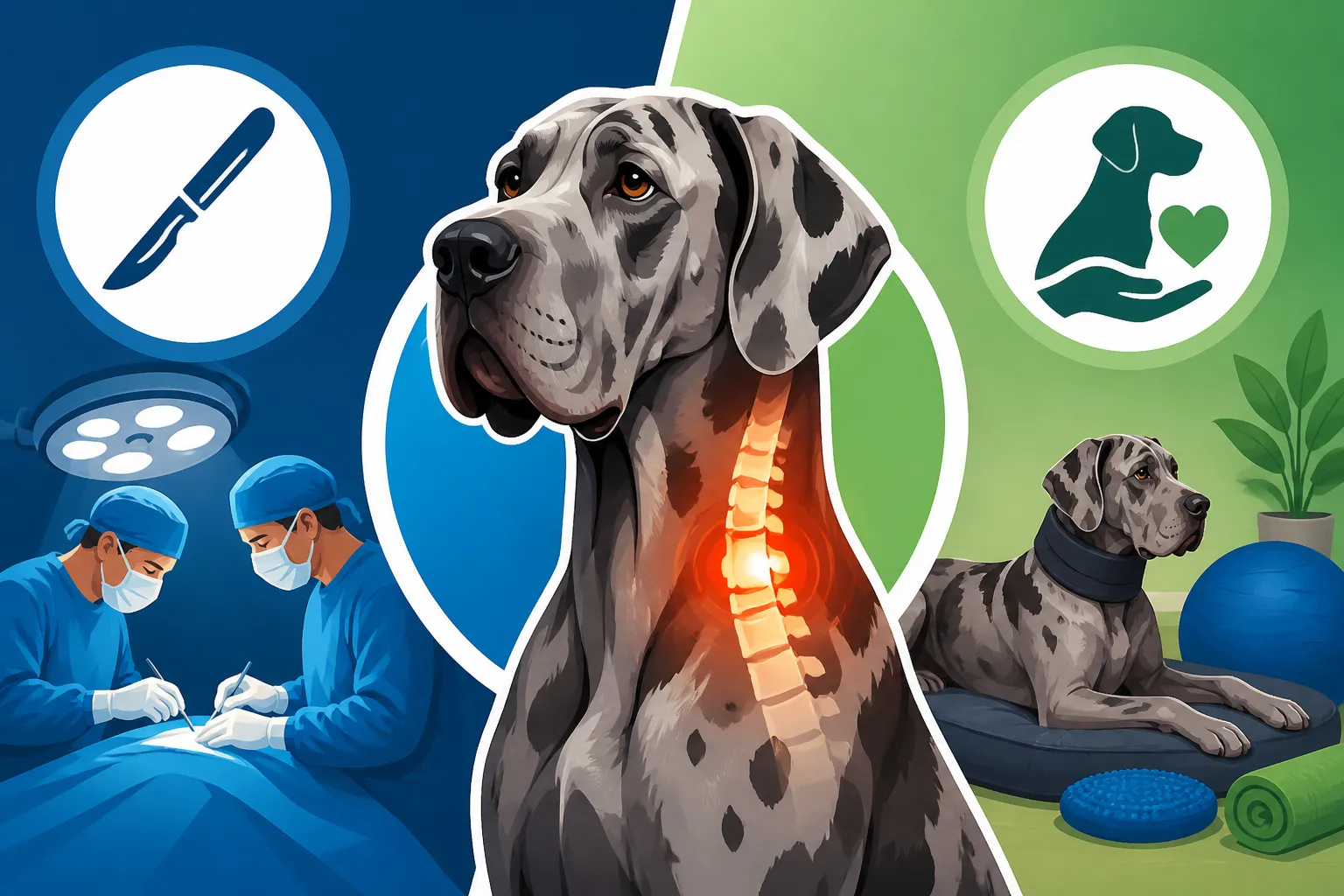
The goal of Wobbler surgery is to relieve the pressure on the spinal cord and, in some cases, stabilize the unstable vertebrae. There isn't a single "Wobbler surgery," but rather several techniques a specialist might employ, depending on the specific nature and location of the compression. One common procedure is a ventral slot decompression, where the surgeon accesses the spine from the underside of the neck, removes a small section of bone from the vertebral bodies, and takes out the offending disc material or bone spurs that are pressing on the spinal cord.
Another approach, often used when instability is a primary factor, involves distraction and stabilization using plates and screws or specialized implants. This aims to widen the space between vertebrae and fuse them together, preventing further motion that causes compression. Less commonly, a dorsal laminectomy might be performed from the top of the spine. Each of these procedures carries its own set of risks and benefits, and the choice is highly individualized, based on the specific findings from your Great Dane's diagnostic imaging. Your veterinary neurologist will explain why Great Dane neck vertebrae pinch the cord and which surgical method they believe offers the best outcome for your dog's unique situation.
When Surgery is Recommended
Deciding whether surgery suits a Great Dane for Wobblers is a complex conversation between you and your veterinary specialist. Generally, surgery is most strongly recommended for Great Danes who present with moderate to severe neurological signs, or when their condition is rapidly worsening despite conservative efforts. If your Dane is experiencing significant pain, has profound difficulty walking, or shows signs of both front and back limb involvement, surgical intervention often provides the most immediate and effective way to decompress the spinal cord and halt or reverse the progression of neurological damage.
Younger Great Danes, particularly those with dynamic compression (meaning the spinal cord is only compressed when the neck moves in certain ways), might also be better candidates for surgical stabilization, as they have more life ahead of them and potentially better healing capacity. However, it's not a universal solution, and a specialist will meticulously evaluate your dog’s age, overall health, the exact type and location of the lesion, and your financial and emotional capacity for post-operative care before making a recommendation. Pet insurance plans, such as those offered by Healthy Paws, can be incredibly beneficial in mitigating the significant costs associated with such specialized procedures.
The Recovery Journey After Surgery
The journey after Wobbler surgery is significant and requires immense dedication from owners. It’s not a quick fix; the recovery is often prolonged and demanding, involving strict rest and a tailored rehabilitation program. Immediately after surgery, your Great Dane will need intensive post-operative care in the veterinary hospital, often for several days, for pain management, monitoring, and initial mobility support. Once home, crate rest is usually prescribed for several weeks, meaning limited activity, short leash walks for potty breaks only, and carefully managed movements to protect the surgical site.
Physical therapy is absolutely critical for successful recovery. This might include passive range of motion exercises, gentle massage, balance exercises, and often hydrotherapy (underwater treadmill) to help rebuild muscle strength and coordination without putting excessive strain on the healing spine. The entire rehabilitation process can last for several months, with gradual increases in activity levels. Potential complications, while rare, can include infection, implant failure, or continued neurological deficits if the spinal cord damage was too severe or prolonged. It's a marathon, not a sprint, and your commitment to the recovery protocol will play a huge role in your Great Dane's long-term outcome.
Conservative Management Strategies
While surgery offers a direct approach to relieving spinal cord compression, it’s not always the right choice, or even an option, for every Great Dane with Wobbler Syndrome. For many, conservative management provides a viable alternative, focusing on alleviating symptoms, improving comfort, and slowing the progression of the disease without invasive surgery.
Medical Management and Medications
Conservative management for a Wobbler Dane primarily revolves around medical therapy designed to reduce inflammation, manage pain, and relax tight muscles that might contribute to discomfort. This often involves a multi-modal approach with a combination of medications. Non-steroidal anti-inflammatory drugs (NSAIDs) are a cornerstone, helping to decrease swelling around the spinal cord and reduce pain. Your vet might prescribe drugs like carprofen, meloxicam, or galliprant. For more severe inflammation or during acute flare-ups, a short course of corticosteroids might be considered, as detailed in approaches like Steroids and Crate Rest for a Wobbler Dane.
Beyond anti-inflammatories, pain medications such as gabapentin or tramadol are frequently used to control chronic discomfort. Muscle relaxants can also be helpful in easing muscle spasms in the neck and shoulders that often accompany the neurological deficits. It's important to remember that these medications manage the symptoms; they do not cure the underlying structural issues. Therefore, close monitoring and regular veterinary check-ups are essential to adjust dosages and ensure the best possible quality of life for your Great Dane.
Lifestyle Adjustments and Physical Therapy
Beyond medication, significant lifestyle adjustments and ongoing physical therapy are vital components of conservative management. One of the most important changes is swapping a Great Dane's collar for a harness. A collar can put direct pressure on the neck, potentially exacerbating spinal cord compression, while a well-fitting harness distributes pressure across the chest and shoulders, reducing strain on the cervical spine. Activity restriction is also crucial, especially during initial diagnosis or flare-ups. This means no jumping, no rough play, and limited stairs.
Physical therapy, often guided by a certified canine rehabilitation therapist, focuses on maintaining muscle mass, improving balance, and enhancing proprioception. This might include specific exercises, massage, stretching, and modalities like laser therapy or therapeutic ultrasound to reduce pain and inflammation. Hydrotherapy, particularly an underwater treadmill, is invaluable as it allows dogs to exercise and strengthen muscles without the full impact of gravity on their joints and spine. Acupuncture and chiropractic care, when performed by a qualified veterinary professional, can also be beneficial in managing pain and promoting comfort. These strategies are all about enhancing your Dane's physical well-being and adapting their routine to their condition.
When Conservative Management is Chosen
Conservative management becomes the preferred route for several reasons, often aligning with the severity of the condition, the dog's age, and the owner's circumstances. It’s frequently chosen for Great Danes with very mild or intermittent Wobbler signs, where the neurological deficits are minimal and pain is well-controlled with medication. For older Great Danes, the risks associated with anesthesia and invasive surgery might outweigh the potential benefits, making a less aggressive, palliative approach more appropriate.
Financial constraints also play a significant role. While ongoing medication and physical therapy can add up, the upfront cost of surgery is considerably higher. Some owners may not have access to specialized surgical facilities or experienced veterinary neurologists, making conservative management the most practical option. It’s also chosen when a Great Dane has other concurrent health issues that make them a poor surgical candidate. The goal is always to maintain the best possible quality of life, comfort, and mobility for as long as possible, recognizing that for some dogs, Whether Great Dane Wobblers get worse is a likely long-term reality even with the best management.
Weighing the Pros and Cons of Each Option
Making a decision between surgery and conservative management for a Wobbler Dane is a deeply personal and difficult choice. There are significant benefits and drawbacks to both paths, and what's right for one family and dog might not be for another. It's truly about balancing potential outcomes with practical considerations.
Surgical Benefits and Risks
The primary benefit of surgery for Wobbler Syndrome is the potential for a definitive solution. By directly addressing the spinal cord compression, surgery can offer the best chance for significant neurological improvement, or even a full recovery, for certain types of lesions. It can alleviate pain, restore much of a dog's coordination, and potentially stop the progression of the disease. For some Great Danes, especially those with severe and rapidly worsening symptoms, surgery is the only path that offers a hope of regaining a reasonable quality of life and preventing further, irreversible neurological damage.
However, the risks are substantial. Surgery is invasive, requiring general anesthesia, which always carries inherent risks, especially for a giant breed like a Great Dane. The cost is also incredibly high, often ranging from $5,000 to $10,000 or even more, depending on the complexity of the procedure and post-operative care. There’s a risk of complications such as infection, hemorrhage, damage to the spinal cord during surgery, or implant failure. The recovery period is long and demanding, requiring strict confinement and intensive physical therapy, which can be challenging for both the dog and the owner. Even with successful surgery, there's no 100% guarantee of full recovery, and some Great Danes may still have residual neurological deficits.
Management's Advantages and Limitations
Conservative management offers several compelling advantages, primarily its non-invasive nature. It avoids the risks associated with anesthesia and major surgery, which can be a relief for owners of older or medically fragile Great Danes. The initial costs are typically lower, making it a more accessible option for many families. It allows for a gradual adjustment to the condition, giving owners time to adapt their home environment and their dog's routine without the immediate, intense demands of post-surgical recovery. For Great Danes with mild symptoms, it can be very effective in maintaining comfort and function for a significant period.
Despite these advantages, conservative management has its limitations. It rarely offers a cure for the underlying structural issues; instead, it's primarily palliative, focusing on symptom relief. This means the disease may continue to progress, albeit potentially at a slower rate, and the dog's neurological function might gradually decline over time. Medications can have side effects with long-term use, and managing chronic pain effectively can be a constant challenge. The need for ongoing physical therapy and lifestyle modifications is perpetual, and these costs can accumulate over years. Furthermore, if the condition suddenly worsens, conservative measures may become insufficient, forcing a reconsideration of surgery at a point when the prognosis might be less favorable.
The Financial Realities
Let’s be honest, the financial aspect of Great Dane ownership is always a consideration, and when a serious condition like Wobbler Syndrome strikes, those costs can become staggering. The price tag on Wobbler surgery is substantial, typically ranging from $5,000 to well over $10,000, which includes the surgery itself, anesthesia, imaging, hospital stays, and initial post-operative medications. And that’s just the beginning; post-surgical physical therapy and rehabilitation can add thousands more.
Conservative management, while not having a huge upfront surgical bill, incurs ongoing costs that can also be significant over the lifespan of your Great Dane. Monthly medications for pain and inflammation can run into hundreds of dollars, and regular physical therapy sessions, hydrotherapy, or chiropractic adjustments add up quickly. Over several years, these cumulative costs can rival, or even exceed, the price of surgery. This is where investing in pet insurance, like Healthy Paws, really shines. Plans that cover chronic conditions, accidents, and illnesses can provide crucial financial relief, helping you make decisions based on what’s best for your Dane, rather than what you can afford out of pocket. Many owners find that the peace of mind offered by knowing a significant portion of these veterinary bills will be covered is invaluable.
| Feature | Surgical Management | Conservative Management |
|---|---|---|
| Primary Goal | Decompress spinal cord, stabilize spine | Manage pain, reduce inflammation, improve function |
| Invasiveness | High (Major surgery) | Low (Medication, physical therapy) |
| Cost (Upfront) | Very High ($5,000 – $10,000+) | Lower (Vet visits, initial meds) |
| Cost (Long-Term) | Post-op rehab, potential for maintenance meds | Ongoing meds, regular PT, vet visits |
| Recovery Time | Long and intensive (weeks to months) | Ongoing adaptation, symptom management |
| Potential Outcome | Significant improvement, potential "cure" for some | Symptom relief, slowing progression, usually palliative |
| Risks | Anesthesia, surgical complications, incomplete recovery | Disease progression, side effects from long-term meds |
| Ideal Candidate | Moderate to severe signs, worsening condition, younger | Mild signs, older dogs, poor surgical candidates |
Making the Best Decision for Your Great Dane
The decision between surgery and conservative management for your Wobbler Dane is one of the toughest you'll face as a pet parent. It’s not just a medical choice; it's an emotional and financial one, deeply impacting your Great Dane's quality of life and your family's daily routine.
Factors to Consider
When weighing your options, several critical factors come into play. First, consider the severity and progression of your Great Dane's symptoms. Is their condition mild and stable, or are they rapidly declining with severe neurological deficits? This often guides the urgency and type of intervention. The age and overall health of your Dane are also paramount. A younger, otherwise healthy Great Dane might be a better surgical candidate than an older dog with multiple co-morbidities.
Then there are the financial implications, as discussed earlier. Do you have pet insurance like Healthy Paws, or do you have the funds saved to cover potentially astronomical costs? Your lifestyle and commitment level also matter. Are you able to commit to months of strict crate rest and intensive physical therapy for a surgical recovery, or is a long-term, daily management routine more feasible for your family? Finally, consider the availability of specialized care. Do you have access to a board-certified veterinary neurologist and a rehabilitation therapist experienced with giant breeds? These questions are deeply personal and require honest self-assessment.
Seeking Expert Veterinary Opinion
You are not alone in this decision. The most crucial step is to seek out and rely on expert veterinary opinions. Start with your primary veterinarian, but if Wobbler Syndrome is suspected, a referral to a board-certified veterinary neurologist is essential. These specialists have advanced training in diagnosing and treating complex neurological conditions, and they will be instrumental in interpreting your Great Dane's imaging, explaining Why Great Dane neck vertebrae pinch the cord, and outlining the pros and cons of each treatment path in detail.
Don't hesitate to ask for second opinions, especially when faced with such a significant and costly decision. A good neurologist will be happy to discuss all available options, including the various surgical techniques and conservative protocols. They can provide realistic expectations for outcomes, recovery times, and potential complications for both approaches. This collaborative discussion, armed with all the information, will empower you to make the most informed choice for your beloved companion.
Quality of Life Considerations
Ultimately, the goal is always to provide your Great Dane with the best possible quality of life. This means prioritizing their comfort, dignity, and ability to engage in activities that bring them joy, even if those activities need to be modified. When considering surgery, you're looking at a potentially difficult recovery period in exchange for a significant improvement in long-term function. It's an investment in their future mobility and pain-free existence.
With conservative management, you're aiming to manage symptoms and keep them comfortable as the disease potentially progresses. This might mean adjusting your expectations for their activity levels and being prepared for a gradual decline. It's vital to have an honest conversation with your vet about what a "good" quality of life looks like for your Great Dane given their specific situation, and when it might be time to consider difficult decisions if their comfort and well-being can no longer be maintained. This focus on their overall happiness and comfort should be the guiding star in your decision-making process.
Living with a Wobbler Dane, Regardless of Choice
No matter if you choose surgery or conservative management, living with a Great Dane affected by Wobbler Syndrome means committing to ongoing care, observation, and creating a supportive environment. This journey will test your patience and your pocketbook, but it’s also an opportunity to deepen the bond with your beloved giant.
Supportive Home Environment
Creating a safe and supportive home environment is absolutely crucial for a Great Dane with Wobbler Syndrome. Their wobbly gait, especially when they are already a massive dog, makes them prone to slips and falls. Start by ensuring all flooring provides good traction. Lay down rugs and runners on slick surfaces like tile or hardwood to prevent slips, which can worsen their condition or lead to other injuries. Consider using dog-specific booties with rubber soles for extra grip, especially during walks.
Ramps can be incredibly helpful for getting them into cars or up onto furniture if they're still able to manage these activities, reducing the strain on their neck and spine. For Great Danes with significant hind-end weakness, a support harness or a sling designed to help with their back end with a sling can make a world of difference for assisting them with standing, walking, or going up and down stairs. Elevating their food and water bowls can also make eating and drinking more comfortable, although studies on whether raised bowls help or hurt a Great Dane for bloat prevention are mixed, for Wobblers it can certainly ease neck strain. Every little adjustment you make helps them navigate their world more safely and comfortably.
Emotional Toll on Owners
Let's be real: caring for a Great Dane with a chronic, progressive condition like Wobbler Syndrome takes an enormous emotional toll. It's physically demanding, especially when you're helping a 150-pound dog get up or managing their physical therapy. But it’s the emotional weight that often hits hardest. Watching your majestic companion struggle, seeing their coordination falter, and knowing they might be in pain can be heartbreaking. There's the constant worry about their comfort, about whether you're making the right choices, and the profound sadness that comes with the realization that their life might be shorter or more challenging than you hoped.
It's okay to feel overwhelmed, frustrated, and sad. This is a normal part of the caregiving journey for any pet with a serious illness. Lean on your support system, whether that's your family, friends, or online communities of Great Dane owners who understand these unique challenges. Don't underestimate the power of simply talking about your feelings. Remember, you are doing everything you can for your Great Dane, and your dedication is a testament to the incredible love you share.
Disclaimer
The information provided in this article is for educational purposes only and is not intended to be a substitute for professional veterinary advice, diagnosis, or treatment. Always seek the advice of your veterinarian or other qualified animal health provider with any questions you may have regarding a medical condition.