Bedding That Prevents Great Dane Hygromas
It’s a heart-sinking moment when you spot that tell-tale swelling on your Great Dane’s elbow. These gentle giants, despite their immense size, can be surprisingly fragile in certain areas, and elbow hygromas are a common, painful, and often preventable frustration. This guide is here to walk you through exactly why proper bedding is not just a luxury, but a critical investment in your Dane’s long-term comfort and health, helping you keep those elbows cushioned and safe.
Understanding Hygromas in Great Danes
Before we dive into the solutions, let's really understand the problem. It's not just a bump; it's a real issue that can cause discomfort and lead to bigger complications if ignored.
What Exactly is an Elbow Hygroma?
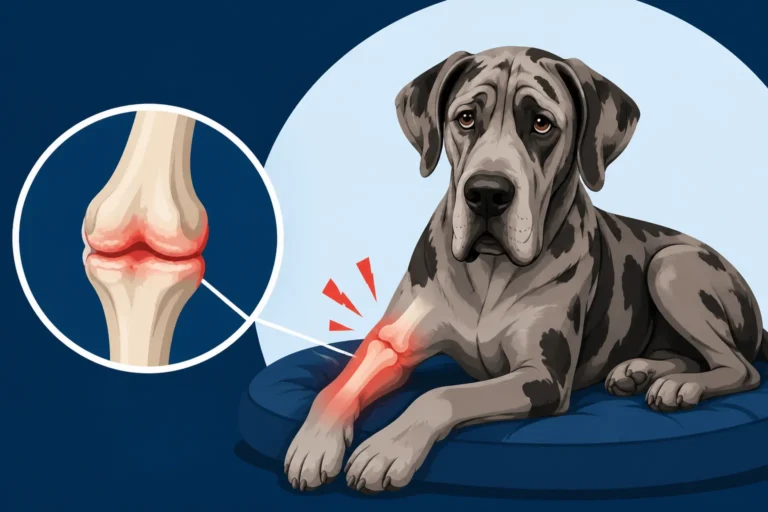
An elbow hygroma, at its simplest, is a fluid-filled sac that forms under the skin, most commonly over the bony prominence of a dog's elbow (the olecranon). Imagine repeated trauma to that spot – every time your big guy flops down on a hard floor, that elbow takes a hit. Over time, the body, in an attempt to protect the bone and joint from this constant pressure and friction, forms a bursa. This bursa then fills with serous fluid, creating the characteristic soft, sometimes squishy, swelling you see.
Initially, a hygroma might just look like a harmless bump, almost like a really thick callus. But don't be fooled. If left unchecked, these can grow quite large, become inflamed, or even rupture and get infected, turning a minor issue into a major veterinary emergency. It’s a classic example of how something seemingly small can escalate quickly with a Great Dane's weight behind it. If you ever notice what looks like A Soft Swelling on a Great Dane's Elbow, it’s crucial to get it checked by your vet.
Why Great Danes Are Prone to Them
Our beloved Great Danes, with their impressive stature and considerable weight, are unfortunately prime candidates for developing hygromas. It’s a simple matter of physics: more weight means more pressure exerted on those bony elbows every time they lie down. Unlike smaller breeds, a Great Dane's weight isn't as easily distributed when they're simply sprawling on the living room tile.
Think about how often your Dane just drops to the floor. They don't gingerly settle; they often plop down with a thud that vibrates through the house. Each impact, especially on hard surfaces like concrete, hardwood, or even thin carpet, creates micro-trauma. Add to this their tendency to stay in one spot for long periods, and those elbows are subjected to prolonged pressure. It’s not necessarily about being active, but more about their sheer mass and how they choose to rest. Plus, factors like Bone Development Problems in a Great Dane Puppy can contribute to overall joint fragility, making them even more susceptible.
The Cost and Discomfort of a Hygroma
Beyond the visual aspect, hygromas can be genuinely uncomfortable for your Great Dane. While a small, uninfected hygroma might not cause much pain, a large or inflamed one can make lying down painful, altering your dog’s natural resting positions and potentially leading to other joint issues as they try to compensate. Imagine having a persistent, sore lump on your elbow that gets jostled every time you lean on it. It’s not pleasant.
If a hygroma ruptures or becomes infected, that's when the real trouble starts. You're looking at significant pain for your dog, requiring antibiotics, surgical draining, or even extensive surgical removal in severe cases. These interventions aren’t just stressful for your dog; they’re also incredibly expensive. We’re talking vet bills that can quickly climb into the hundreds or even thousands of dollars. It’s a stark reminder that The Short Expensive Life of a Great Dane often includes unexpected health challenges. Investing in preventative measures now can save you a lot of heartache and financial strain later.
The Critical Role of Proper Bedding
This is where you, as a diligent Great Dane parent, can make a huge difference. The right bedding isn't just about giving them a comfy spot; it's a vital piece of their health puzzle.
How Firm Surfaces Contribute to Hygroma Development
We’ve all seen it: our Great Danes sprawled out on the coldest, hardest patch of floor they can find. Maybe it’s the kitchen tile, the concrete patio, or that uncarpeted corner of the living room. While they might prefer the cool surface, what they're not realizing is the cumulative damage these hard surfaces are doing to their elbows and hocks. Each time they lie down, the entire weight of their substantial body compresses the delicate tissues and skin over those bony protrusions.
On a hard surface, there's no give. The pressure isn't distributed; it's concentrated directly onto the point of contact. Over weeks, months, and years, this constant impact and friction act like a repetitive stress injury. It's similar to how a human might develop calluses or bursitis from leaning on a hard desk all day. For a dog that weighs 120-180 pounds or more, that impact is significantly amplified, creating the ideal conditions for a hygroma to form. This is why addressing the issue of Bedding That Prevents Great Dane Hygromas is so crucial.
Key Characteristics of Effective Hygroma-Preventing Beds
So, what exactly should you be looking for in a bed to protect your Great Dane? It's not just about size, although that's certainly important. The key lies in the bed's ability to absorb shock and distribute pressure evenly.
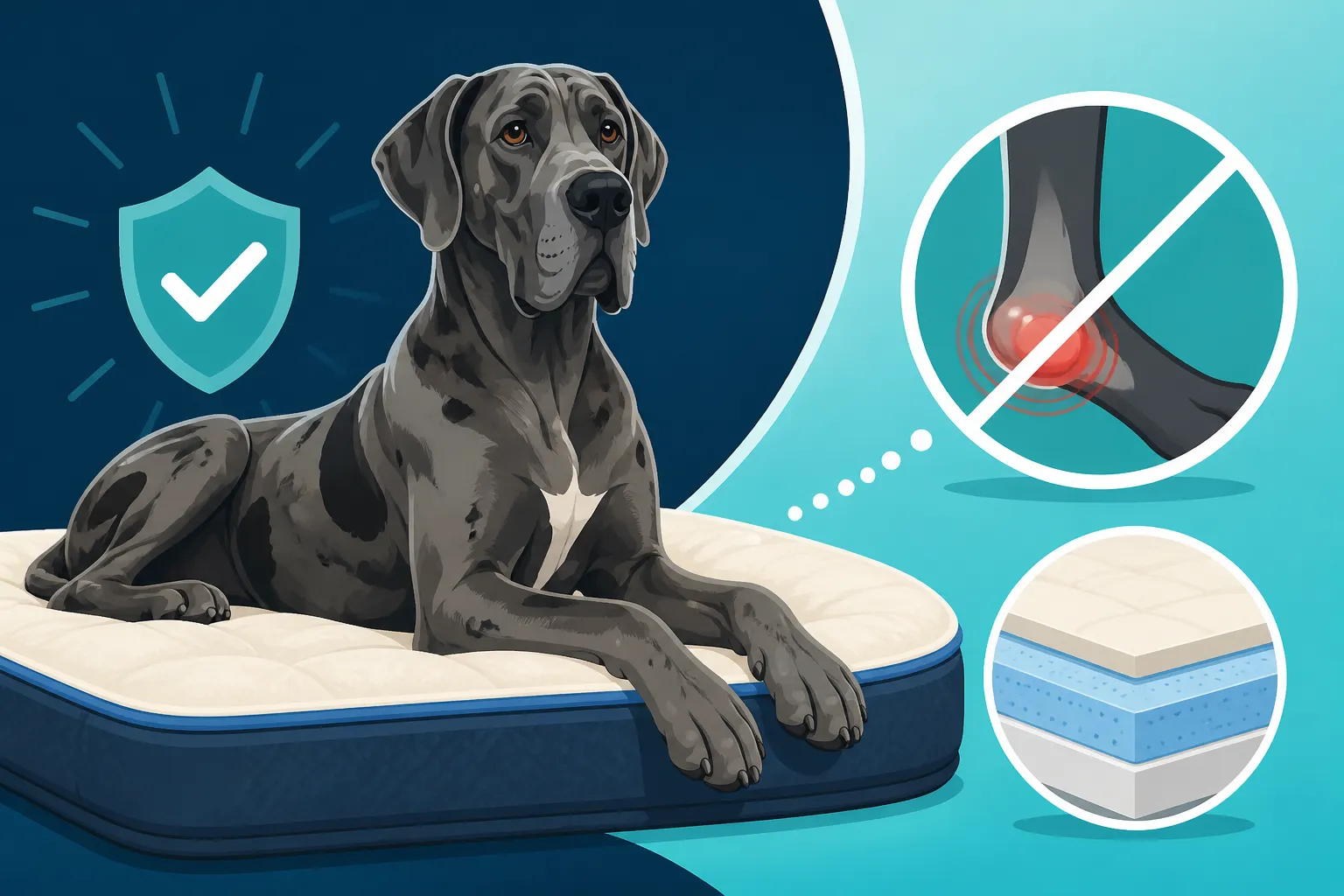
First and foremost, thickness is non-negotiable. A thin, flimsy bed, even if it claims to be "orthopedic," simply won't cut it for a Great Dane. You need at least 4-6 inches of dense, supportive material that won't flatten out under their weight. Secondly, density and resilience are critical. The bed needs to cradle your dog's body without allowing their elbows to "bottom out" and hit the hard floor beneath. It should spring back to its original shape quickly, providing consistent support. Lastly, surface softness is important, but it must be paired with underlying support. A fluffy, plush cover is nice, but if the core material is inadequate, it's just window dressing. A truly effective bed works by supporting the entire body, elevating those vulnerable pressure points off the hard ground entirely.
Material Matters: What to Look For in Great Dane Bedding
When it comes to materials, not all dog beds are created equal, especially when you're dealing with the unique needs of a Great Dane.
- Orthopedic Memory Foam: This is often the gold standard. High-density memory foam conforms to your dog's body, distributing weight evenly and relieving pressure points. Look for beds with a solid block of memory foam, or at least a very thick layer over a dense support foam base. Layers of different densities can provide both comfort and underlying structure. Brands like Big Barker and Bully Beds specialize in truly orthopedic beds designed for giant breeds.
- Supportive Polyfill or Blended Foams: While not as superior as pure memory foam, some high-quality polyfill or blended foam beds can offer adequate support if they are exceptionally dense and generously stuffed. The key here is "exceptionally dense." Avoid anything that feels light or squishy, as it will compress too easily.
- Durable Covers: Regardless of the interior, the cover needs to be tough, washable, and ideally, water-resistant. Great Danes can be messy, and easy cleaning is a must. Consider canvas, heavy-duty microsuede, or even outdoor-grade fabrics. Some covers also offer a cooling effect, which can be a bonus for Danes who like to seek out cool spots.
Remember, prevention is key, and investing in a good bed is a primary preventative measure. While pet insurance providers like Healthy Paws can certainly help with unexpected veterinary bills down the line, a quality bed is a proactive step that can potentially prevent those claims from ever happening in the first place, or at least reduce the severity of conditions like Elbow Hygromas on a Great Dane.
Types of Bedding to Consider for Your Gentle Giant
Now that we know why proper bedding is so important, let's look at the specific types of beds that can offer the best protection and comfort for your Great Dane.
Orthopedic Memory Foam Beds
These are widely considered the Cadillac of dog beds, and for good reason, especially for large and giant breeds like Great Danes. Orthopedic memory foam beds are constructed with multiple layers of high-density foam, designed to contour to your dog's unique shape and evenly distribute their weight. This means that instead of a small pressure point on the elbow or hip bearing the brunt of their weight, the entire side of their body is supported.
The magic truly lies in the density and thickness. A good orthopedic memory foam bed for a Great Dane should be at least 4 to 7 inches thick. Anything less, and your dog's heavy frame will likely compress the foam entirely, allowing their joints to "bottom out" against the hard floor beneath. The foam slowly molds around them, providing exceptional cushioning and preventing the friction and impact that trigger hygroma development. Many come with removable, washable covers, which is a lifesaver when you have a drooly or muddy Dane. While the initial investment might seem higher, the long-term benefits for your Great Dane’s joint health, including preventing conditions like Great Dane Hips, Elbows and Growing Joints, are invaluable.
Elevated or Raised Beds with Soft Inserts
Elevated beds, often featuring a sturdy frame with a stretched fabric surface, offer a fantastic solution for keeping your Great Dane off the hard floor entirely. The tension of the fabric suspends their body, allowing for excellent airflow, which is a big plus for dogs who tend to overheat. However, for hygroma prevention, you can't just rely on the suspended fabric alone, as it might still create pressure points.
The trick here is to add a substantial, soft insert or pad to the elevated bed. Think of it as combining the best of both worlds: the elevation of the cot-style bed with the pressure-relieving comfort of an orthopedic mattress. Some companies offer elevated beds specifically designed to accommodate memory foam inserts, or you can purchase a high-quality orthopedic pad separately and place it on top. This combination ensures that the elbow, hock, and hip joints are fully cushioned without ever touching a hard surface. It’s also a good option for older Danes who might struggle to get up from a floor-level bed.
DIY Solutions and Creative Alternatives
Sometimes, the budget doesn't stretch for the top-tier orthopedic beds, or you have an odd-shaped space that needs a custom solution. Don't despair! There are effective DIY and creative alternatives you can explore to protect your Great Dane's elbows.
One popular DIY method is layering. Start with a dense, firm base layer – perhaps an old futon mattress, a yoga mat, or even several layers of thick moving blankets. On top of this, add softer, plush layers like thick comforters, duvets, or even old pillows. The key is creating enough depth and cushioning so that your Dane doesn't bottom out. Ensure these layers are secured together to prevent shifting and bunching. For smaller, specific pressure points, you can even sew covers for human knee pads or elbow pads and secure them gently around your Dane's joints, though this is often a temporary or supplemental measure.
Another idea is repurposing. An old crib mattress, if the dimensions work, can sometimes provide a surprisingly good base layer for a smaller Great Dane, which can then be topped with softer bedding. Just ensure any repurposed materials are clean, non-toxic, and free of hazards. The goal is always to create a soft, supportive barrier between your dog and the floor, reducing impact and friction. Even simple things like ensuring your Dane has access to a plush rug or a thick blanket in their favorite resting spots can make a difference.
When to Replace or Upgrade Your Great Dane's Bed
Even the best dog bed won't last forever, especially with a Great Dane using it daily. Knowing when to replace or upgrade is crucial for continued hygroma prevention.
- Flattening or Sagging: The most obvious sign is if the bed starts to flatten out or sag in the middle, or if your dog’s joints are visibly sinking through to the floor when they lie down. This means the supportive core has broken down and is no longer doing its job.
- Lumps and Bumps: If your bed has a polyfill or shredded foam interior, it might start to develop lumps and uneven spots. These can create new pressure points, defeating the purpose of the bed.
- Wear and Tear: Beyond structural integrity, consider the overall condition. Torn covers, foul odors that won't wash out, or a generally dilapidated appearance can all be reasons to upgrade. A damaged bed might not be comfortable, and exposed stuffing can become a choking hazard.
- Changes in Your Dog's Behavior: If your Great Dane starts avoiding their bed in favor of softer furniture (or even a hard floor, ironically), it might be a sign that their current bed is no longer comfortable. If you notice them A Great Dane That Limps Without an Injury or showing signs of discomfort when getting up, their bedding might be part of the problem.
Generally, even high-quality orthopedic beds might need to be replaced every 3-5 years, depending on usage and your dog's weight. Regular inspection and a proactive approach will ensure your gentle giant always has a comfortable and protective resting place.
Beyond the Bed: Holistic Prevention Strategies
While proper bedding is your first line of defense, a truly comprehensive approach to preventing hygromas involves a few other key strategies. Think of it as a whole-house effort to protect those sensitive elbows.
Monitoring Your Great Dane's Elbows and Hocks
Regularly checking your Great Dane's elbows and hocks is a simple yet incredibly effective preventative measure. Just like you'd check for ticks after a walk, make it a habit to gently feel these bony areas every few days, especially if your dog tends to flop down on hard surfaces.
What are you looking for? Feel for any unusual lumps, bumps, or swelling that wasn't there before. The skin should feel smooth and relatively consistent. You might notice the beginning of a callus, which is the body's attempt to protect the area. While calluses aren't hygromas, they indicate a pressure point and are a warning sign that the area needs more cushioning. If you feel any warmth, tenderness, or a soft, fluid-filled sac, it's time to call your vet. Early detection can mean the difference between a minor adjustment to bedding and a more complicated medical intervention. Don't wait until it becomes a full-blown Elbow Hygromas on a Great Dane that is difficult to manage.
Managing Activity Levels and Resting Habits
It might sound counterintuitive, but your Great Dane’s activity levels and resting habits play a role in hygroma prevention. While they are often considered "couch potatoes" indoors, vigorous exercise can sometimes lead to more intense "flops" afterward. Ensure they have access to their comfortable, well-cushioned beds after a good romp.
It's also about gently encouraging them to use those soft spots. If your Dane consistently chooses a hard floor over their plush bed, consider why. Is the bed in a high-traffic area? Is it too warm? Is it truly comfortable enough? Sometimes, moving the bed to their preferred quiet corner or adding a cooling mat to an orthopedic bed can make it more appealing. You might even have to gently redirect them to their soft spot when you see them settling on a hard surface. This isn't about being bossy, but about guiding them towards healthier habits.
The Importance of a Healthy Weight
Maintaining a healthy weight for your Great Dane is paramount for overall joint health, and it directly impacts the risk of hygromas. Every extra pound your dog carries means more pressure on their joints, including those vulnerable elbows and hocks when they lie down.
Obesity exacerbates the problem by increasing the force of impact and the sustained pressure on the skin and tissues over bony prominences. A lean Great Dane will naturally exert less pressure on their elbows than an overweight one. Talk to your vet about your Great Dane's ideal weight and feeding regimen. This might involve adjusting their Feeding an Adult Great Dane Six to Ten Cups or focusing on foods that support a lean body condition. Regularly assess their body condition score, feeling for their ribs. If you can't easily feel them, your Dane might be carrying too much weight, increasing their risk not just for hygromas, but for more serious conditions like The Heart Muscle Disease Great Danes Are Prone To and arthritis.
Integrating Preventative Care with Veterinary Advice
Ultimately, partnering with your veterinarian is crucial for a holistic preventative approach. Your vet can offer personalized advice based on your Great Dane’s age, health history, and lifestyle.
During regular check-ups, bring up your concerns about hygromas. Ask your vet to specifically examine your dog's elbows and hocks. They can identify early signs you might miss and offer recommendations for specific bedding, supplements, or even dietary adjustments. If your Great Dane is a puppy, discuss Why a Great Dane Puppy Should Grow Slowly with your vet, as appropriate growth rates can impact joint health long-term. Remember, your vet is your best resource for comprehensive care, and proactive discussions about preventative measures can save you a lot of worry and expense down the road. Consider discussing options like Insuring a Great Dane Against Bloat and Heart Bills with a provider like Healthy Paws, as even the best preventative measures can't guarantee against every potential health issue.
Comparison of Great Dane Bedding Types
Choosing the right bed is a big decision. Here's a quick comparison to help you weigh your options:
| Bedding Type | Pros | Cons | Best For |
|---|---|---|---|
| Orthopedic Memory Foam | Excellent pressure distribution, supreme comfort, durable | Higher initial cost, can retain heat, often bulky | All Great Danes, especially those prone to hygromas, older dogs, or those with existing joint issues. |
| Elevated/Raised Beds | Keeps dog off floor entirely, good airflow, easy to clean frame | Fabric alone may still create pressure points, less plush, can be noisy | Danes who prefer cooler surfaces, those with existing hygromas (with added padding), or large outdoor areas. |
| Thick Polyfill/Blended Foam | More affordable than memory foam, generally soft | Can flatten quickly under a Dane's weight, less supportive over time | Budget-conscious owners, or as a secondary bed for occasional use if very dense. |
| DIY Layered Bedding | Highly customizable, very affordable, uses existing materials | Requires regular rearranging, aesthetics might suffer, consistency varies | Owners with specific space needs or budget constraints, willing to put in effort for layering. |
Disclaimer
The information provided in this article is for general informational purposes only and is not intended as a substitute for professional veterinary advice. Always consult with a qualified veterinarian for any health concerns or before making any decisions related to your Great Dane's care, diet, or treatment.