A Great Dane That Puts Paws on Shoulders
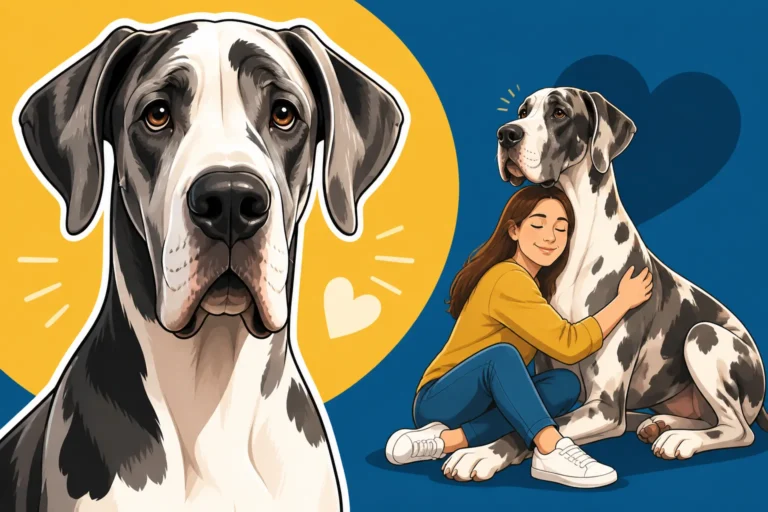
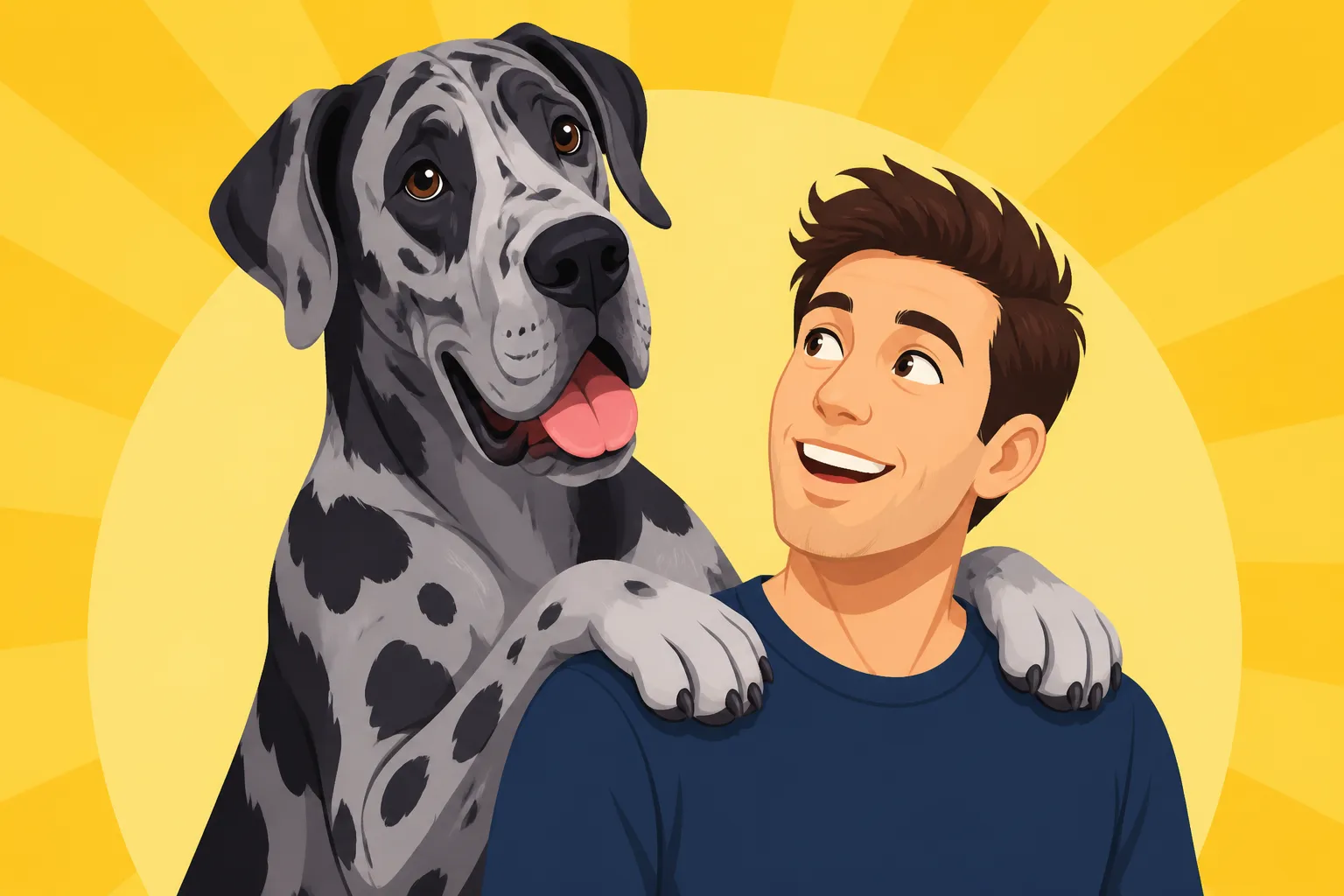
It’s a scenario many Great Dane owners dread: a beloved giant, brimming with excitement, greets a guest or even you by rearing up and placing their massive paws squarely on shoulders. While their heart is often in the right place – they just want to say hello! – a hundred-plus-pound dog doing this can be alarming, dangerous, and downright frustrating. This guide will walk you through why your gentle giant might develop this habit and, more importantly, how to teach them better, safer greeting manners.
Understanding Why Your Great Dane Jumps Up
It’s easy to feel like your Great Dane is deliberately trying to intimidate or exert dominance when they jump up, but that’s rarely the case. For most dogs, especially social, affectionate breeds like Great Danes, jumping is a natural behavior rooted in communication and enthusiasm. Understanding the 'why' behind this towering greeting is the first step in addressing it effectively.
The Natural Impulse to Greet
Think about how puppies greet their mothers or littermates. They often jump, lick faces, and paw to get attention. This instinct doesn’t magically disappear when they grow into magnificent giants. When your Great Dane was a tiny pup, jumping up might have been cute. You might have even bent down to meet them at their level, unwittingly reinforcing the behavior. As they got bigger, what was once an adorable little leap transformed into a full-body assault, but the underlying intention remains the same: "Hello! I'm so happy to see you!"
This initial impulse is often tied to seeking social interaction. Your Dane wants to be close to your face, to sniff, and to engage directly. They don't grasp that their size makes this gesture problematic. It's simply their instinctual way of saying, "Let's connect!" We often talk about Greeting Manners for a Great Dane as something learned, but the raw desire to greet is very much hardwired.
Seeking Connection and Attention
Let’s be honest, sometimes when your Great Dane jumps up, they get a reaction, right? Even a negative reaction – a gasp, a push, or a loud "no!" – is still attention. For a dog that thrives on interaction, any attention can feel like a reward, even if it’s not the positive kind you intended. If jumping occasionally gets them a head scratch, a spoken word, or even just eye contact, they learn that it’s an effective way to get what they want: your focus.
Consider this: you walk in the door, tired from work. Your Great Dane is overjoyed. They launch themselves at you. You instinctively say "down!" or push them off. To your Dane, they got exactly what they were looking for – an immediate interaction with you. They don't process the nuance of your frustration; they just register the engagement. This makes it crucial to change the type of attention they receive for jumping, or rather, ensure they receive no attention for it.
Over-Excitement and Lack of Impulse Control
Great Danes, despite their calm reputation indoors, can get incredibly excited, especially when new people arrive or when you return home after a long absence. This surge of emotion can overwhelm their ability to control their impulses. They might know "off" or "sit" in a calm environment, but in the throes of unbridled joy, those commands fly right out the window. It’s like a toddler who’s so excited they can’t sit still, but with 150 pounds of enthusiasm.
This is where training for impulse control becomes invaluable. A dog that can manage its excitement is less likely to resort to instinctual, potentially dangerous behaviors. This often ties into the larger picture of The Manners a Great Dane Needs Before It Grows, emphasizing that building a foundation of calm, controlled behavior from puppyhood is critical. When a Great Dane hasn't learned to temper their enthusiasm, jumping becomes their default response to any high-arousal situation.
The Real Dangers of a Great Dane Jumping
While your Great Dane's intentions are likely pure, their sheer size makes jumping a significant concern. It’s not just an inconvenience; it can lead to serious consequences for both people and your home. Overlooking these dangers is a disservice to everyone involved.
Physical Risk to People
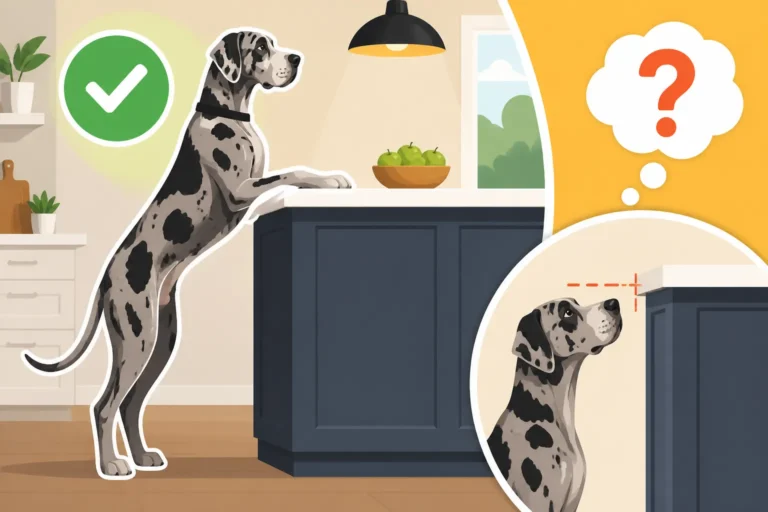
This is, by far, the most pressing concern. A full-grown Great Dane can easily weigh more than a small adult and often stands taller than most people when on their hind legs. A playful jump can inadvertently cause significant injury. Think about it:
- Children: A jumping Great Dane can easily knock a child over, resulting in head injuries, broken bones, or severe fright. Even if the dog is usually gentle, an excited leap can be catastrophic for a small body.
- Elderly or Frail Individuals: Seniors are particularly vulnerable to falls, and a Great Dane jumping up can send them tumbling, leading to hip fractures, concussions, or other serious injuries that can have long-lasting health impacts.
- Anyone Unprepared: Even a fit adult can be caught off guard and lose their balance, especially if the dog's paws connect with their chest or face. Scratches, bruises, and even broken noses are not uncommon.
- Fear and Anxiety: Beyond physical harm, repeated jumping can make guests, especially those unfamiliar with giant breeds, genuinely fearful of your dog, which can strain relationships and limit your dog's social interactions.
It’s not malicious, but the outcome can be devastating. This is why addressing A Great Dane That Knocks People Over is paramount, not just for manners, but for safety.
Property Damage and Accidental Breakage
A Great Dane isn't just a hazard to people; they can also be a walking wrecking ball in your home. Their weight and height mean that objects typically out of reach for smaller dogs are fair game when they jump.
- Counter Surfing: A jumping Dane can easily clear a kitchen counter, knocking over appliances, dishes, or hot food. Imagine a giant paw sweeping across your stovetop or coffee maker.
- Wall Scratches and Furniture Scuffs: Paws on walls leave dirty marks or even scratches. A dog jumping onto furniture can scuff or tear upholstery. Their nails can also dig into wooden door frames or walls as they jump up for attention.
- Falling Objects: Any item on a shelf or table at chest height is at risk. Lamps, vases, picture frames – anything within their vertical reach can be sent crashing to the floor.
While you might secure your valuables, it’s impossible to dog-proof every potential incident area when a giant dog is prone to jumping. This highlights the need for consistent training, not just for safety, but for maintaining your home.
Public Perception and Liability Concerns
A Great Dane that jumps on people, even playfully, can create a negative public perception. People who aren't dog owners, or those unfamiliar with the breed, might see it as aggressive or out of control. This can lead to:
- Restricted Access: You might find it harder to take your dog to public places, dog-friendly patios, or even to friends' homes if they fear your dog will jump on them or their children.
- Legal Liability: In the unfortunate event that your dog injures someone by jumping, you could face legal consequences. Depending on local laws and the severity of the injury, you could be held liable for medical bills, pain and suffering, and other damages. Some insurance policies may even have clauses regarding large dog breeds or specific behaviors.
It’s vital to manage your Great Dane’s behavior not only for the comfort and safety of those around you but also to protect yourself and your dog’s reputation. Ensuring your dog has impeccable Great Dane Leash Manners at a Hundred and Fifty Pounds and good greeting habits extends beyond your home to how they interact with the world.
Training Strategies to Stop Paws on Shoulders
The good news is that jumping is a learned behavior, which means it can be unlearned and replaced with more appropriate greetings. The key is consistency, patience, and positive reinforcement tailored to your Great Dane's immense size and loving nature.
Teaching an Alternative Greeting Behavior
The most effective way to stop an unwanted behavior like jumping is to teach your dog what to do instead. This involves consistently rewarding them for a calm, polite alternative.
The "Four Paws on the Floor" Rule
This is your golden rule. When your Great Dane approaches to greet, the instant all four paws are on the floor, you acknowledge them. This means:
- No attention for jumping: If they jump up, turn your back, cross your arms, and completely ignore them. No eye contact, no speaking, no touching. This can be tough, especially when they're nudging you, but it's crucial.
- Immediate reward for calm: The moment all four paws are on the floor, even if it's just for a second, turn around, praise them calmly ("Good stay!"), and offer a treat. Then you can give them some gentle petting. The goal is to make "four paws on the floor" the most rewarding way to get your attention.
- Practice with controlled greetings: Start by having family members practice coming through the door. Then, once your Dane is getting the hang of it, introduce friends who are willing to follow your instructions precisely. Have them enter, ignore jumping, and only reward when the dog is calm. This is essentially teaching Getting a Great Dane to Greet Without Standing Up.
The "Sit to Say Please" Method
This is a more structured alternative. Instead of just four paws on the floor, you teach your Great Dane that the only way to get attention is to sit.
- Request a sit: When your Dane approaches, ask them to "Sit." If they sit, immediately reward them with praise and a treat. If they jump, ignore them completely until they settle and you can ask for a sit again.
- Consistency is vital: Everyone in the household must use this method. If one person allows jumping, it undermines all the training. This is a behavior that ideally begins when they are a puppy; Teaching a Great Dane to Sit Before It Weighs Eighty Pounds sets them up for success.
Consistency and Management in Practice
Training a Great Dane requires a cohesive strategy and managing the environment to prevent rehearsals of the unwanted behavior.
Enlisting the Whole Family and Guests
It bears repeating: consistency is paramount. Every single person who interacts with your Great Dane must be on the same page. If your partner secretly allows jumping because they find it cute, your Dane will be confused and the behavior will persist. Hold a "family meeting" and explain the rules.
- Briefing Guests: Before guests arrive, explain your training plan. Ask them to ignore jumping and only give attention when your Dane is calm. You can even provide them with a small bag of high-value treats to reward appropriate behavior.
- Managing Entryways: For overly excited greetings, consider putting your Great Dane in a separate room or behind a baby gate (a sturdy one that can contain a Dane!) for the first few minutes after someone arrives. Once the initial frenzy dies down, you can then introduce them to your guests one by one, practicing the "four paws on the floor" or "sit" method. This is a practical application of Teaching a Great Dane a Place to Settle – giving them a specific spot to be calm.
Controlled Exposure and Practice
Don't just wait for organic opportunities; create them.
- "Doorbell Drills": Ring the doorbell yourself and practice your routine. Have your Dane go to their "place" or sit calmly. Reward lavishly.
- "Stranger Danger" (but not really!): Have a friend pretend to be a stranger arriving. This allows you to control the environment and practice without the pressure of a real visitor.
- Public Outings: When out for a walk, practice calm greetings with people you encounter. If your Dane gets too excited, calmly redirect them or move away until they settle. Always have treats on hand to reward good choices.
Tools and Aids for Training
While training is primarily about your consistency and communication, certain tools can make the process easier and safer for a giant breed.
Leashes and Harnesses
For a dog that can easily outweigh you, having appropriate control is non-negotiable, especially during greetings where excitement runs high.
- Front-Clip Harnesses: These can be invaluable. When your Great Dane pulls or tries to jump, the leash attachment on the chest redirects their momentum to the side, making it much harder for them to launch forward or upward. Brands like Easy Walk or Freedom No-Pull Harness are widely available on Amazon and can make a huge difference in managing their power.
- Sturdy Leashes: Invest in a strong, comfortable leash that won't snap or slip through your hands. Nylon or leather leashes with solid hardware are best.
- Avoid Retractable Leashes: These offer little control and can be dangerous with a large, powerful dog, allowing them to gain momentum before you can react.
Having the right equipment provides a safer foundation for teaching Harnesses and Collars That Control a Great Dane and generally improving public manners.
High-Value Treats and Clickers
Positive reinforcement is incredibly effective.
- High-Value Treats: These are small, soft, and extremely appealing treats that your Great Dane doesn't get often. Think cooked chicken, cheese, or specialized training treats. These motivate them strongly to perform the desired behavior.
- Clicker Training: A clicker marks the exact moment your dog performs the desired action (e.g., all four paws on the floor). Followed immediately by a treat, it helps your Dane understand precisely what they are being rewarded for. Many online programs, like those offered by BAXTER & Bella, incorporate clicker training into their curriculum.
Remember, a Great Dane is a sentient being, and force or punishment is rarely effective and can damage your bond. Positive reinforcement builds trust and encourages them to want to perform the right behavior.
Proactive Prevention and Long-Term Success
Stopping a Great Dane from putting paws on shoulders isn't a one-time fix; it's an ongoing commitment to training, management, and understanding their unique needs. Thinking ahead and reinforcing good habits daily will lead to lasting success.
Starting Early with a Great Dane Puppy
The best time to address jumping is before it becomes a deeply ingrained habit and before your dog reaches their colossal adult size.
- Foundation Training: As soon as you bring your Great Dane puppy home, start teaching basic obedience commands like "sit," "stay," and "off." Reward every instance of calm, polite greeting. If they jump even playfully, gently redirect them or ignore the behavior. This early work is foundational to preventing A Great Dane That Puts Paws on Shoulders as an adult.
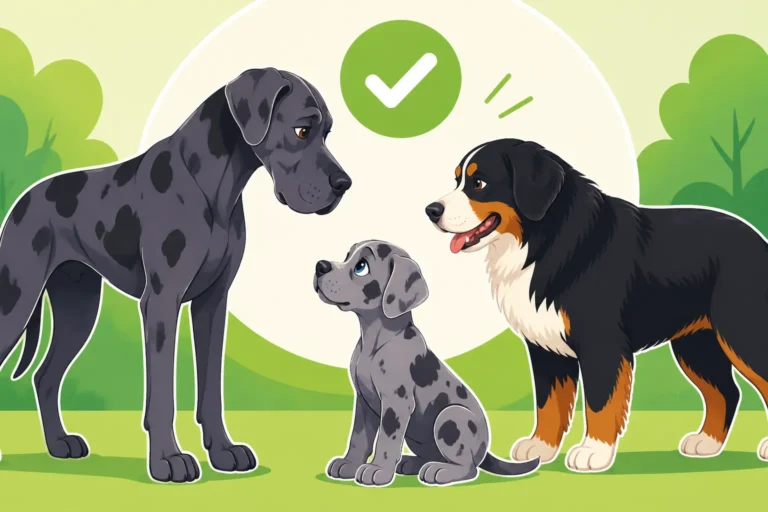
- Socialization: Socializing a Great Dane Puppy Early is crucial. Expose your puppy to a variety of people (different ages, sizes, and appearances) in controlled, positive environments. Ensure these interactions are calm and reward-based, teaching them polite greetings from the start. A well-socialized puppy is often a more confident and less excitable adult.
- Impulse Control Games: Play games that teach patience and self-control. "Wait" before eating meals, "leave it" with tempting treats, or waiting patiently at doorways. These simple exercises build the mental muscle needed for calm greetings.
Managing Guest Interactions and Excitement
Even with excellent training, high-excitement situations can be challenging. Having a plan for visitors is essential.
The "Calm Arrival" Strategy
When guests arrive, especially those your Great Dane is incredibly excited to see, implement a structured greeting plan:
- Leash Up: Have your Great Dane on a leash, even indoors, when guests are expected. This gives you immediate, gentle control.
- Meet Outside or in a Neutral Zone: If possible, have your dog meet guests outside where there's more space, or in a less confined area of your home.
- "Place" or "Settle": Train your Great Dane to go to a designated "place" (a mat, bed, or crate) and stay there calmly until released. This provides a safe, quiet spot for them during exciting moments. Practice Teaching a Great Dane a Place to Settle extensively, so they understand this command is their cue to relax.
- Gradual Introduction: Introduce guests one at a time. Have them approach calmly, speak in a low tone, and follow your instructions to only reward calm behavior. If your Dane starts to get too excited, have them back off, or you can step between your dog and the guest, creating a barrier until your dog settles again.
Preventing Rehearsal of the Behavior
Every time your Great Dane successfully jumps on someone, they are rehearsing the unwanted behavior. Your goal is to prevent these rehearsals.
- Doorbell Management: If your Dane goes wild at the doorbell, consider changing your doorbell sound, having it ring less often, or training them to go to their "place" before anyone even opens the door.
- Management Tools: Use baby gates, ex-pens, or their crate to manage access when you can't actively supervise. If you're cooking dinner and expect guests, it might be safer to crate your Great Dane for a short period to prevent them from practicing jumping on an unsuspecting family member.
Reinforcing Calmness in Daily Life
Training isn't just about specific commands; it's about fostering an overall state of calm.
- Reward Calmness Often: Don't just reward obedience; reward moments of quiet, settled behavior. If your Great Dane is lying calmly at your feet, toss them a treat or offer a quiet pet. This teaches them that being calm also earns good things.
- Appropriate Exercise: Ensure your Great Dane gets enough mental and physical exercise. A tired dog is often a well-behaved dog. However, be mindful of Exercise Limits While a Great Dane Is Still Growing to protect their developing joints. Regular, appropriate exercise can help burn off excess energy that might otherwise manifest as bouncy greetings.
- Consistency from Everyone: This really cannot be stressed enough. If you’re struggling to get everyone on board, or if the behavior is deeply ingrained, consider seeking help from a professional dog trainer who has experience with giant breeds. A skilled trainer can provide personalized guidance and help troubleshoot specific challenges. You might need to focus on Finding a Trainer Comfortable With a Great Dane due to their size.
Teaching your Great Dane not to put paws on shoulders is a commitment, but one that pays off immensely in safety, peace of mind, and a more enjoyable relationship with your magnificent companion. They want to please you, and with consistent guidance, they’ll learn to greet everyone with grace and all four paws on the floor.
Training for a Polite Great Dane Greeting
| Problem Behavior | Desired Behavior | Training Strategy | Tools/Aids | Key Principle |
|---|---|---|---|---|
| Jumping up on people | Four paws on the floor / Sit | Ignore jumping, reward calm or a sit. | High-value treats, clicker, leash | Positive reinforcement, remove reward for jumping |
| Over-excitement at greetings | Calm, controlled approach | Practice "place" command, controlled introductions | Baby gate, crate, leash | Manage environment, gradual exposure |
| Pulling on leash during greets | Loose leash walking | Front-clip harness, reward for slack leash | Front-clip harness, sturdy leash | Redirection, reward for appropriate leash tension |
| Inconsistent behavior | Reliable greeting manners | All household members & guests follow rules | Written instructions for guests | Consistency across all interactions and people |
| Accidental knocking over | Awareness of surroundings | Teach "back up" or "move" cues, reward calm entry | Spatial awareness games | Gentle guidance, spatial awareness training |
Disclaimer
This article is for general informational purposes only and does not constitute professional advice. Laws, prices and regulations vary by location and change over time. Consult a qualified professional for guidance on your specific situation.