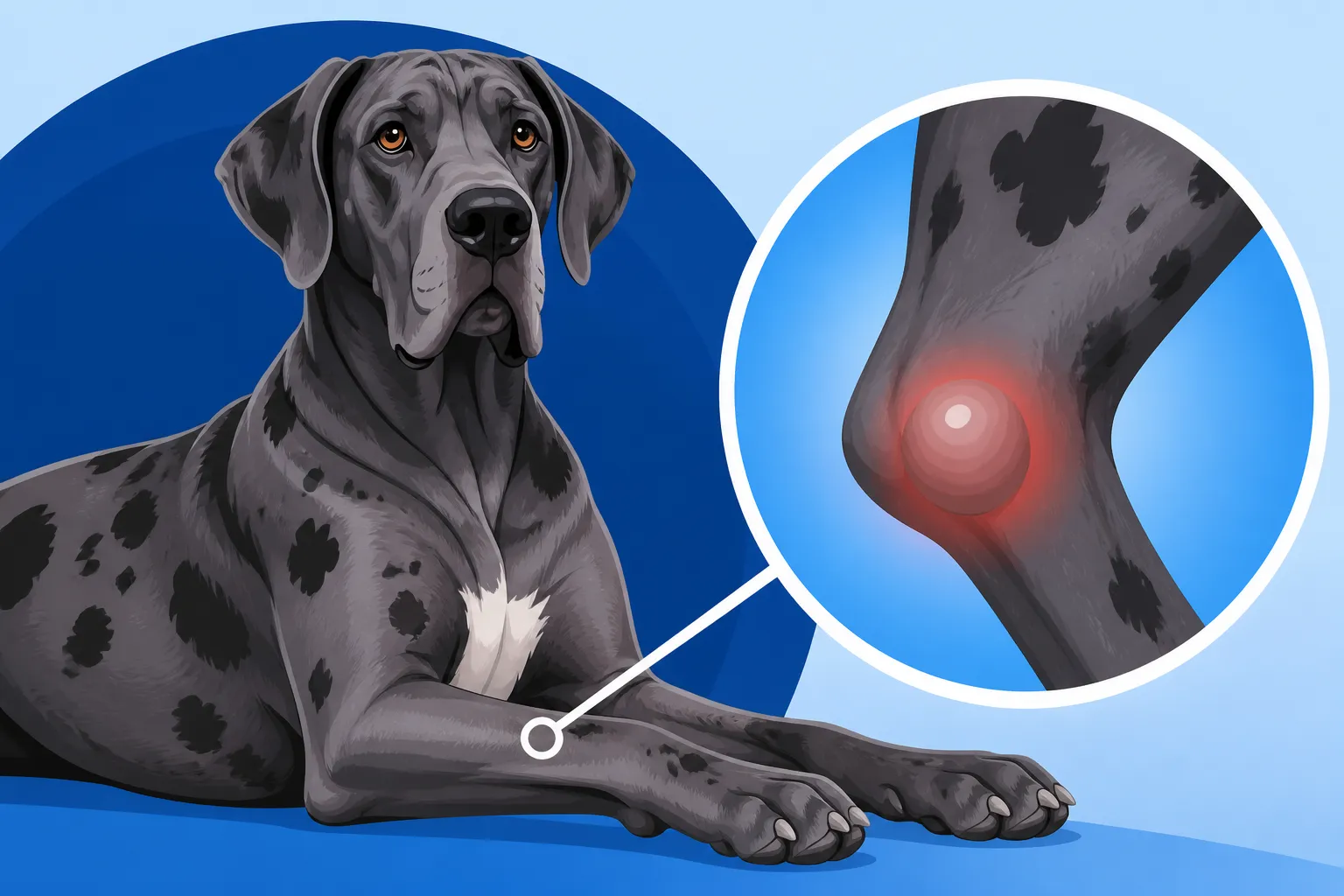
Elbow Hygromas on a Great Dane
If you're a Great Dane owner, you've probably noticed just how much these gentle giants love to sprawl out. Whether it's on a cool tile floor, a patch of sun-warmed concrete, or even just the hard ground in the yard, they find comfort in seemingly uncomfortable places. But this habit, coupled with their immense size and bony frame, often leads to a common and frustrating problem: elbow hygromas. These fluid-filled swellings on their elbows can be alarming to discover and can cause discomfort and even serious health issues if not addressed. This comprehensive guide will walk you through everything you need to know about Great Dane elbow hygromas, from what they are and why they happen, to effective prevention and treatment strategies, ensuring your beloved companion stays happy and healthy.
Understanding the Great Dane Elbow Hygroma
It's truly unsettling to feel a strange, squishy lump on your dog's elbow, especially when they're otherwise acting completely normal. For Great Dane owners, this often turns out to be an elbow hygroma, a condition that’s much more common in our big-boned friends than in smaller breeds. The sheer weight and brawn of a Dane put unique pressures on their joints, and understanding how these hygromas form is the first step in protecting your furry family member.
What Exactly Is an Elbow Hygroma?
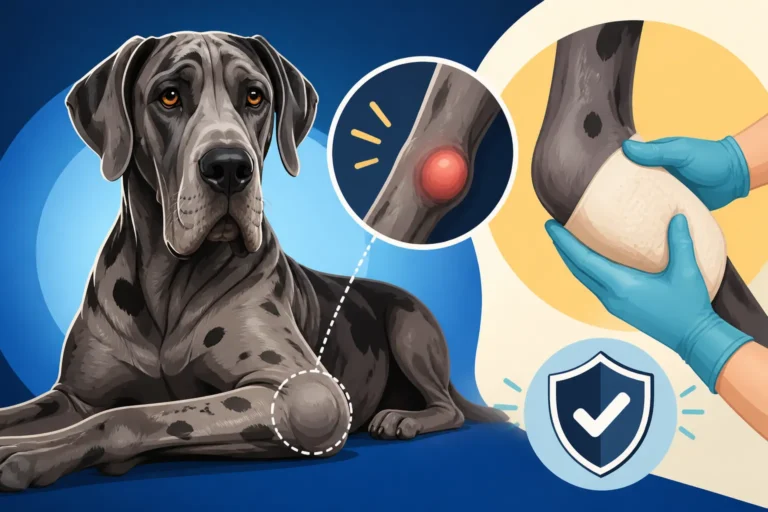
An elbow hygroma is, quite simply, a fluid-filled sac that forms over the bony prominence of your Great Dane's elbow. Think of it like a blister, but instead of forming due to friction on skin, it forms under the skin due to repeated trauma or pressure. Every time your Great Dane flops down heavily onto a hard surface – whether it’s concrete, hardwood, or even a thinly carpeted floor – that bony elbow takes a direct hit. Over time, these micro-traumas irritate the bursa, a natural fluid-filled sac that normally acts as a cushion between bone and skin, or they create a new one. The body then responds by producing an excess of fluid, swelling the area to protect itself from further impact. This accumulation of fluid leads to that characteristic soft, fluctuating swelling you feel. Initially, they might be small and seem harmless, but they can grow quite large, sometimes reaching the size of a golf ball or even larger, and can cause significant problems.
Why Great Danes Are So Susceptible
It's not just bad luck that Great Danes seem to get hygromas more often than other dogs. Our Danes possess a unique combination of factors that make them particularly prone to these swellings. First and foremost is their sheer size and weight. A fully grown Great Dane can easily weigh over 100 pounds, and when that weight drops onto an unpadded elbow, the force is substantial. Unlike smaller dogs that might gracefully lower themselves or have more padding, Great Danes often plop down with considerable impact. Secondly, their anatomy plays a crucial role. They have very prominent, bony elbows with relatively thin skin over them, offering little natural cushioning against hard surfaces. Breeds with more fat or muscle around their joints tend to be less affected.
Finally, consider their common behaviors. Great Danes are often "leaners" and "floppers." They love to stretch out, spread eagle on the coolest surface they can find, or simply drop to the floor for a nap. If these preferred resting spots are hard and unyielding, like concrete patios, tile floors, or even thinly carpeted areas that don't offer much cushion, those elbows are going to bear the brunt repeatedly throughout the day. This constant, low-grade trauma, combined with their body mass, is a recipe for hygroma development. It’s a classic example of how their magnificent size, which we love so much, comes with its own set of unique health considerations.
Recognizing the Signs and Symptoms
Spotting an elbow hygroma early can make a big difference in how easily it's managed. Many owners don't notice these until they're quite prominent, which isn't always a problem, but sometimes a small, innocuous swelling can turn into something much more serious. Knowing what to look for can help you intervene before your gentle giant experiences significant discomfort.
Early Indicators You Might Notice
Initially, an elbow hygroma might be subtle, and you might only discover it during a routine petting session or while grooming your Great Dane. You might feel a soft, slightly squishy bump on the outside of their elbow, typically on the lateral aspect, which is the side furthest from their body. At this stage, it's usually painless to the touch and doesn't seem to bother your dog at all. There might be no redness, heat, or lameness, which can lead owners to think it's nothing to worry about. The skin over the bump usually moves freely and doesn’t appear adhered to the underlying tissue. Sometimes, the hair over the affected area might be slightly thinner or rubbed away, indicating pressure. It’s important not to dismiss these early signs, even if your dog seems completely fine. This is the prime time to start implementing preventive measures, like ensuring they have adequate, thick bedding, which we'll discuss further in "Bedding That Prevents Great Dane Hygromas". Early detection and environmental adjustments can often prevent the hygroma from growing larger or becoming complicated.
When a Hygroma Becomes a Serious Concern
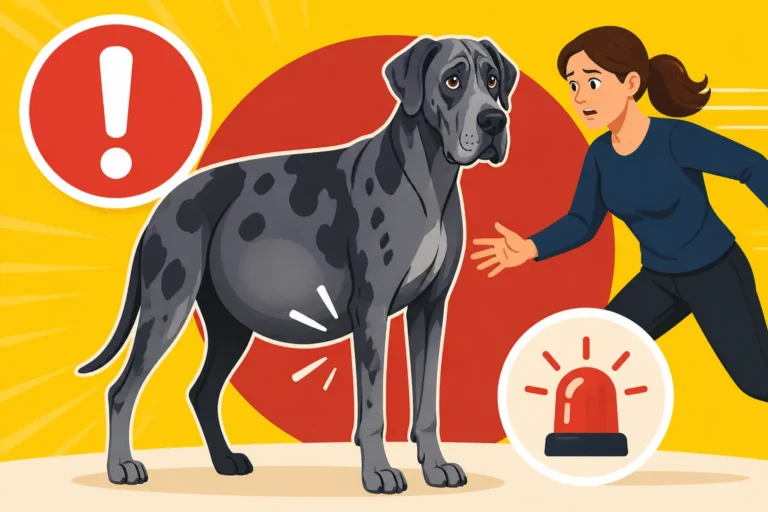
While many hygromas remain benign fluid sacs, they can unfortunately escalate into much more serious conditions if left unchecked or if further trauma occurs. The most concerning complication is infection. If the skin over the hygroma breaks due to continued pressure, scratching, or even a minor scrape, bacteria can enter the sac. An infected hygroma will typically be warm to the touch, red, swollen, and very painful for your dog. Your Great Dane might start limping, licking the area incessantly, or even become lethargic and develop a fever. This is an emergency situation and requires immediate veterinary attention.
Another serious concern is the rupture of the hygroma. While less common, a very large or chronically irritated hygroma can burst, leading to an open wound that is highly susceptible to infection and can be quite messy. Even without rupture or infection, a hygroma can become firm and fibrous over time if chronic inflammation persists. This means the soft fluid sac can turn into a solid, scar-like mass that is much harder to treat conservatively. In some cases, very large hygromas can even interfere with the normal movement of the elbow joint, leading to discomfort or an altered gait. Any change in the texture, size, color, or temperature of the hygroma, or any sign of pain or lameness, means it's time to call your vet without delay.
Preventing Elbow Hygromas from Developing
The old adage "an ounce of prevention is worth a pound of cure" couldn't be more true when it comes to Great Dane elbow hygromas. Given their predisposition, proactive steps are essential. It's far easier, and certainly less stressful and costly, to prevent these uncomfortable swellings than to treat them once they've taken hold.
The Critical Role of Proper Bedding and Surfaces
The single most impactful action you can take to prevent elbow hygromas is to provide ample, high-quality cushioning for your Great Dane to rest on. This isn't just about throwing down any old blanket; it's about investing in bedding that can truly absorb the impact of their large frame and protect those bony elbows. Orthopedic memory foam beds are often recommended for Great Danes, not just for hygroma prevention but also to support their joints generally, especially as they age and face issues like Arthritis in a Six-Year-Old Great Dane. Look for beds that are at least 4-6 inches thick and made of dense foam that doesn't flatten out quickly under their weight. Brands like Big Barker or Mammoth Dog Beds are specifically designed with giant breeds in mind, offering superior support and durability.
Beyond dedicated dog beds, consider your home environment. If you have extensive areas of hard flooring – tile, hardwood, laminate, or concrete – strategically place thick rugs, yoga mats, or even carpet remnants in your Dane's favorite lounging spots. The goal is to eliminate any hard surface they might routinely use for dropping down. Even outdoors, if your dog spends time on a concrete patio or gravel, providing an elevated cot or a well-padded outdoor bed can make a huge difference. Remember, the pressure on their elbows is cumulative, so every hard surface avoided contributes to prevention. This attention to detail in their sleeping and resting areas is paramount.
Managing Your Great Dane's Environment
Beyond just bedding, managing the overall environment your Great Dane inhabits is crucial for preventing hygromas. Take a walk through your home and yard from your dog's perspective. Where do they typically lie down? Where do they hang out when you're busy in another room? If your kitchen has hard tile and that's where they wait for you to finish cooking, placing a thick mat there could be beneficial. Consider areas like entryways, living room corners, or even under windows where they might sunbathe.
If your Dane spends time outside, especially in colder months, they might seek out sun-warmed concrete or asphalt. Ensure they have access to a comfortable, shaded area with a padded surface. It's also worth observing how your Dane lies down. Do they sprawl out slowly, or do they tend to just drop? For the "droppers," extra vigilance with padding is necessary. Furthermore, make sure their crate, if used, is well-padded. A thin blanket simply isn't enough to protect their elbows in a metal or plastic crate. A thick, custom-fit crate pad or a layer of memory foam will serve them much better. Remember, even short periods of resting on hard surfaces add up, so proactive environmental management is key to their long-term comfort and health.
Maintaining a Healthy Weight for Joint Protection
While often overlooked in hygroma prevention, maintaining your Great Dane at a lean, healthy weight is incredibly important. The heavier your dog, the greater the impact force on their elbows every time they lie down. This increased pressure exacerbates the micro-trauma that leads to hygroma formation. We often joke about Great Danes being "velcro dogs" or "lap dogs," but those extra pounds aren't just cute; they put undue stress on all their joints, including the elbows.
Regularly assess your Great Dane's body condition. You should be able to easily feel their ribs without pressing hard, and they should have a discernible waist when viewed from above. If their ribs are difficult to feel, or they have an apple-shaped body, it's time to consult your vet about a weight management plan. Reducing even a few pounds can significantly lessen the impact on their elbows and other joints, such as those discussed in Great Dane Hips, Elbows and Growing Joints. Proper nutrition, measured meals, and appropriate exercise are all parts of maintaining a healthy weight. This isn't just about preventing hygromas; it contributes to their overall longevity and quality of life, which is so crucial given that Why a Great Dane Only Lives Seven to Ten Years.
Initial Management and Home Care Strategies
Finding a hygroma on your Great Dane can be worrying, but for uncomplicated cases, there are several steps you can take at home before needing extensive veterinary intervention. The key is to address the underlying cause – the pressure – and monitor the hygroma closely for any changes.
Conservative Approaches for Uncomplicated Hygromas
If you've noticed a small, soft, non-painful hygroma on your Great Dane's elbow, the first and most critical step is to reinforce prevention. This means doubling down on the soft bedding and eliminating all hard resting surfaces. Ensure their primary sleeping area has a very thick, supportive orthopedic bed. You might even consider strategically placing extra padded mats or rugs in other areas where your Dane frequently flops down.
For the hygroma itself, applying a protective elbow sleeve or bandage can help. These are designed to cushion the area, prevent further trauma, and allow the body time to reabsorb the fluid. Brands like The Original Doggy Brace offer specialized elbow sleeves that can be custom-fitted. It’s crucial that any sleeve or bandage is properly fitted and not too tight, as it could restrict blood flow or cause chafing. You’ll need to check the skin underneath regularly for irritation. Consistent application of these protective measures, combined with diligent monitoring, often allows small, uninfected hygromas to resolve on their own. This is particularly effective when you catch them early, aligning with the advice given in Treating a Great Dane Hygroma Before It Opens. Consistency and patience are your best friends here.
When to Seek Veterinary Attention
While conservative home care can be effective, it’s absolutely vital to know when a hygroma warrants a trip to the veterinarian. Any of the following signs mean you should pick up the phone immediately:
- Pain or Tenderness: If your Great Dane shows any discomfort when the hygroma is touched, or if they start limping or favoring the leg, it's a red flag.
- Redness or Warmth: These are classic signs of inflammation or, more seriously, infection.
- Rapid Increase in Size: While hygromas can grow slowly, a sudden enlargement could indicate increased inflammation or a more severe issue.
- Open Sores or Discharge: If the skin over the hygroma breaks, oozes fluid (especially pus or bloody fluid), or has any open wounds, it's almost certainly infected.
- Lethargy or Fever: Systemic signs of illness like these often accompany a serious infection.
- Lack of Improvement: If, after a few weeks of diligent home care and padding, the hygroma hasn't started to shrink or if it continues to grow, it's time for professional evaluation.
Your vet will be able to accurately diagnose the hygroma, differentiate it from other types of lumps (like tumors or abscesses), and determine if infection is present. They may perform a fine needle aspirate (FNA) to examine the fluid, which can confirm the diagnosis and rule out other conditions. Don't hesitate to seek professional help; early veterinary intervention can prevent a simple hygroma from becoming a much more complex and painful problem for your beloved Great Dane.
Veterinary Treatments for Elbow Hygromas
When conservative methods aren't enough, or if a hygroma becomes complicated, your veterinarian will discuss various treatment options. These range from minimally invasive procedures to surgical intervention, each with its own set of considerations for a giant breed like the Great Dane.
Draining, Bandaging, and Laser Therapy
For hygromas that are bothersome but not yet severely infected, your vet might suggest draining the fluid. This involves inserting a sterile needle into the sac and drawing out the fluid. While it provides immediate relief from the swelling, it's important to understand that draining alone often leads to recurrence because the underlying cause (pressure) and the body's tendency to produce fluid haven't been resolved. To combat this, vets often follow draining with a pressure bandage, carefully applied to reduce dead space and prevent immediate refilling. This bandage must be changed regularly and monitored for any signs of skin irritation or swelling further down the leg. Some vets might also inject a steroid into the sac after draining to reduce inflammation, though this isn't always recommended due to potential side effects or complications.
Another non-invasive option gaining popularity is therapeutic laser therapy. This involves using specific wavelengths of light to stimulate cellular repair, reduce inflammation, and alleviate pain. Laser therapy can be a good adjunctive treatment for hygromas, helping to promote healing and reduce the size of the swelling without the need for needles or surgery. It's often used in conjunction with improved padding and sometimes even after draining to encourage faster resolution. However, for heavily infected or very large, chronic hygromas, these methods may not be sufficient, and more aggressive treatment might be necessary.
Surgical Intervention for Persistent or Infected Hygromas
When conservative treatments fail, or if a hygroma is chronically infected, extremely large, or interfering with mobility, surgical removal becomes the best course of action. This is a more involved procedure, especially for a Great Dane, due to their size and the unique considerations of anesthesia in a giant breed. The surgery typically involves excising the entire hygroma sac. In some cases, if there's extensive scar tissue or an open wound, the surgeon might also need to perform a rotational skin flap or skin graft to close the defect, especially if there's not enough loose skin around the elbow.
Recovery from surgery requires careful management. Your Great Dane will likely need a special bandage or even a splint to protect the surgical site, prevent swelling, and encourage healing. Activity will be restricted, which can be a challenge with a high-energy Dane. Pain medication and antibiotics (if infection was present) will be prescribed. The costs associated with such surgery, from anesthesia to post-operative care, can be significant, reinforcing Why Every Great Dane Bill Is Bigger. This is where having pet insurance, such as through Healthy Paws, can be incredibly beneficial, helping to alleviate the financial burden of unexpected surgical costs. While surgery carries risks, it offers the best chance for a permanent solution for complicated hygromas, ultimately improving your Great Dane's comfort and quality of life.
Living with a Great Dane Prone to Hygromas
For Great Dane owners, dealing with hygromas can feel like an ongoing battle, especially if your dog is particularly prone to them. It requires a mindset of constant vigilance and proactive management. It’s not just about treating the immediate problem, but about creating a lifestyle and environment that minimizes recurrence and ensures your gentle giant's long-term well-being.
Long-Term Management and Monitoring
Even after a hygroma has resolved, whether through conservative care or surgery, the work isn't over. Great Danes who have developed one hygroma are often predisposed to developing others, either in the same spot or on the other elbow. Therefore, long-term management and vigilant monitoring become a regular part of your routine. Make it a habit to check both of your Great Dane's elbows daily during petting or grooming sessions. Feel for any new lumps, changes in size or texture, or signs of heat or tenderness.
Continuous reinforcement of soft bedding is non-negotiable. This means regularly checking their dog beds for wear and tear – giant breeds can flatten even the best orthopedic beds over time, reducing their effectiveness. Replace or augment bedding as needed. Keep an eye on their weight, ensuring they remain lean to minimize joint pressure, as discussed in Keeping a Great Dane Lean for Its Joints. If your Great Dane is particularly active outdoors on hard surfaces, consider a durable, protective elbow sleeve for those times, even if they don't currently have a hygroma. This proactive, ongoing approach is crucial for preventing future flare-ups and maintaining their comfort.
Creating a Comfortable and Safe Environment
Creating a truly comfortable and safe environment for a Great Dane prone to hygromas goes beyond just their bed. It involves a holistic assessment of your living space and daily routines. Consider the layout of your home: are there areas where your Dane habitually lies down that are not adequately padded? Perhaps a rug near the front door, or an extra thick mat in their favorite spot in the living room. For outdoor areas, can you provide shaded, soft spots like a raised dog cot or a designated area with rubber mats?
Think about their activity levels. While exercise is vital for a Great Dane's overall health, excessive or high-impact activity on hard surfaces might contribute to micro-trauma. Ensure they have plenty of opportunities for walks and play on softer ground, like grass or dirt trails. Also, be mindful of their general behavior. If your Dane tends to "flop" rather than gently lower themselves, this indicates a need for even more vigilant padding. By continuously adapting their environment and being mindful of their habits, you can significantly reduce the risk of hygromas and ensure your Great Dane lives a life free from unnecessary discomfort. It's an ongoing commitment, but one that our incredible dogs are absolutely worth.
Dispelling Common Myths About Hygromas
With any common ailment, especially one that can look quite dramatic, myths and misconceptions often surface. When it comes to Great Dane elbow hygromas, misinformation can lead to ineffective treatments, unnecessary worry, or, worse, delayed care. Let's clear up some of the common misunderstandings.
The "Tough Dog" Misconception
One of the most dangerous myths circulating about hygromas, and frankly, about Great Danes in general, is that they are "tough dogs" who can simply "suck it up" or that a hygroma is "just cosmetic." This couldn't be further from the truth. While our Danes are undeniably resilient, they do feel pain and discomfort, and a hygroma, particularly one that becomes infected or very large, can be incredibly painful. To dismiss it as "just a bump" or to assume your dog will be fine because they aren't overtly crying or limping severely, is to ignore their needs. Dogs are masters at hiding pain, a survival instinct from their wild ancestors. Just because your Great Dane isn't yelping doesn't mean they aren't suffering.
Ignoring a hygroma, especially one that is growing or showing signs of inflammation, can lead to serious complications, including deep-seated infections that are difficult to treat, chronic pain, and permanent damage to the joint area. This misconception can lead to delayed veterinary care, turning a manageable problem into a severe one. Always err on the side of caution. If you're unsure, consult your vet. Your Great Dane relies on you to advocate for their health, regardless of their stoic demeanor. Remember, even the Apollo of Dogs needs gentle care and attention to those pesky bumps.
Debunking DIY Home Remedies
The internet is a vast resource, and unfortunately, it's also a breeding ground for well-meaning but often harmful DIY home remedies for pet ailments. When it comes to elbow hygromas, you might encounter suggestions like applying various poultices, piercing the hygroma yourself, or using unproven herbal remedies. Let me be clear: do not attempt to drain or treat a hygroma at home without veterinary guidance.
Attempting to drain a hygroma with a non-sterile needle or tool can introduce bacteria, leading to a severe infection that is far worse than the original hygroma. Puncturing the skin also creates an open wound, a direct pathway for pathogens. Many topical remedies or poultices can cause skin irritation, allergic reactions, or simply be ineffective. While some natural remedies might have anti-inflammatory properties, they are rarely sufficient to resolve a fluid-filled sac caused by mechanical trauma. Furthermore, delaying professional treatment by trying unproven home remedies can allow a simple hygroma to progress to a complex, painful, and potentially costly issue. Your vet has the sterile equipment, diagnostic tools, and medical knowledge to safely and effectively treat your Great Dane's hygroma. Stick to scientifically proven methods and always consult with a professional.
Navigating Great Dane Elbow Hygroma Treatment Options
| Treatment Type | Best For | Pros | Cons | Cost Implications (General) | Recovery Time |
|---|---|---|---|---|---|
| Conservative Care | Small, uninfected, non-painful hygromas | Non-invasive, often effective if caught early, low initial cost | Requires diligent owner compliance, slow resolution, high recurrence if cause isn't addressed | Low (bedding, sleeves) | Weeks to months |
| Aspiration (Draining) | Temporarily reduce size, confirm diagnosis | Quick relief of swelling, diagnostic aid | High recurrence rate, risk of infection, rarely a permanent solution alone | Moderate (vet visit, procedure, meds) | Immediate relief, but swelling returns |
| Pressure Bandaging | Post-aspiration, ongoing protection | Reduces fluid re-accumulation, offers cushioning | Needs frequent changes, can cause skin irritation, requires careful application | Moderate (vet visits for changes, materials) | Ongoing for weeks |
| Therapeutic Laser | Adjunctive therapy for inflammation/pain | Non-invasive, reduces pain and swelling, promotes healing | Not a standalone cure, requires multiple sessions, effectiveness varies | Moderate (multiple sessions) | Gradual improvement over weeks |
| Surgical Excision | Large, chronic, infected, or recurring hygromas | Best chance for permanent resolution, removes damaged tissue | Invasive, requires anesthesia, longer recovery, potential for complications, high cost | High (surgery, anesthesia, aftercare) | Weeks to months |
| Skin Flap/Graft | After large hygroma removal, extensive skin loss | Reconstructs skin defect, provides soft tissue coverage | More complex surgery, longer recovery, higher risk of complications, highest cost | Very High (specialist surgery) | Months |
Disclaimer
This article is intended for informational purposes only and does not constitute medical advice. Always consult with a qualified veterinarian for any health concerns or before making any decisions about your Great Dane's care.