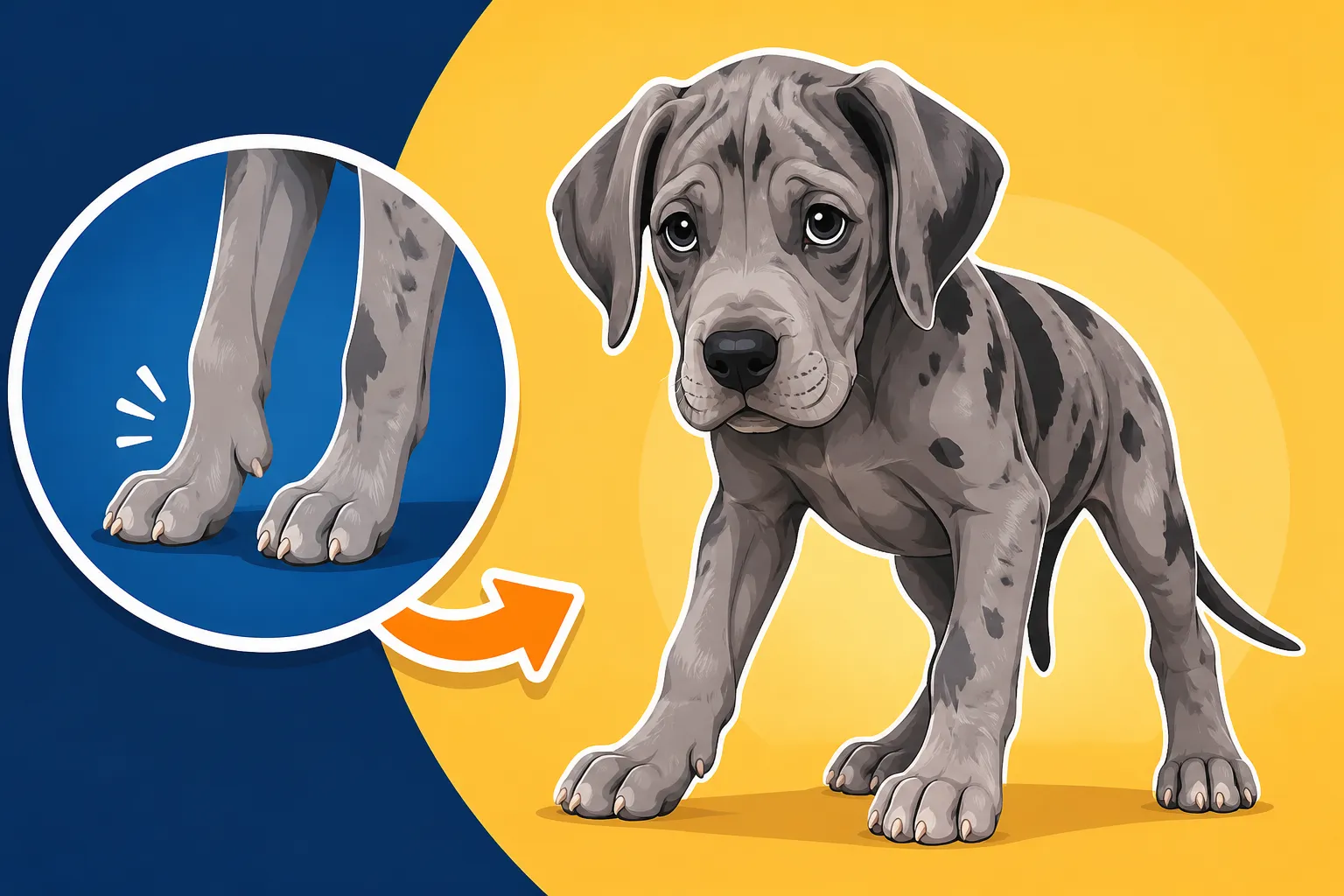
Knuckling Over in a Great Dane Puppy
It can be incredibly alarming to watch your Great Dane puppy, full of clumsy grace one moment, suddenly stumble and walk on its own knuckles. This unexpected sight, where their front paw seems to fold over itself, often sends a chill down an owner's spine, conjuring fears of broken bones or serious neurological issues. But while it always warrants a vet visit, knuckling over isn't always as catastrophic as it appears, and understanding what's happening can help you respond calmly and effectively to support your growing giant.
What Exactly Is Knuckling Over in a Puppy?
When we talk about a Great Dane puppy "knuckling over," we're describing a specific gait abnormality where the dog places weight on the top or front of its paw, rather than on the pads of its toes. Instead of the paw laying flat on the ground, the toes curl under, and the puppy ends up walking on the knuckles of its front feet, sometimes even dragging the top of the foot. It's often most noticeable in the front paws, but in some cases, it can affect the hind legs too.
Imagine trying to walk on your own curled-up fingers – it looks awkward, unstable, and clearly uncomfortable. For a Great Dane puppy, whose growth plates are rapidly changing and whose bones are still forming, this isn't just a funny quirk; it’s a sign that something is off in their development, coordination, or musculoskeletal system. It can range from a very subtle, occasional 'roll' of the paw to a more pronounced, consistent knuckling that impacts their ability to walk steadily. Owners often notice it more acutely when the puppy is tired, excited, or on certain types of flooring, making it easy to dismiss initially, but it's important not to overlook.
Decoding the Causes Behind Great Dane Puppy Knuckling
Knuckling over in Great Dane puppies isn't usually a standalone issue; it's often a symptom pointing to an underlying developmental or nutritional imbalance. Given their incredibly rapid growth rate, these big youngsters are particularly susceptible to issues that smaller breeds might not face. It’s a complex interplay of genetics, nutrition, and environmental factors that can lead to this concerning presentation.
Rapid Growth and Developmental Orthopedic Diseases
One of the most common culprits behind knuckling over in Great Dane puppies is their sheer speed of growth. Great Danes grow exponentially in their first year, often reaching adult height and significant weight well before their bones, ligaments, and tendons have fully matured or caught up. This rapid expansion can put immense stress on developing joints and growth plates.
In some cases, knuckling can be a sign of a condition called Hypertrophic Osteodystrophy (HOD), which is an inflammatory disease affecting the growth plates in rapidly growing large and giant breed puppies. HOD typically causes lameness, swelling, and pain in the limbs, often accompanied by fever and lethargy. The knuckling over might occur because the puppy is trying to shift weight away from painful areas or due to the compromised structural integrity of the affected limb. It's a serious condition that requires immediate veterinary attention and can be heartbreaking to witness your puppy in such discomfort. We talk more about this distressing condition in our guide on Hypertrophic Osteodystrophy in a Great Dane.
Another related issue is carpal laxity syndrome, sometimes referred to as "knuckling over" because of the visual similarities. This condition involves the laxity (looseness) of the ligaments in the carpus (wrist) joint, allowing the paw to roll inward or outward. It's often seen in very young, fast-growing puppies, typically between 6 and 16 weeks of age. While it can look dramatic, often affecting both front legs and making puppies appear to be walking on their 'ankles', it’s generally a self-limiting condition that resolves with appropriate management, mainly strict exercise restriction and careful dietary control. However, a vet needs to confirm this diagnosis to rule out more serious issues.
When a puppy's bones grow faster than the surrounding soft tissues, it can lead to tension and misalignments that manifest as knuckling. It's a delicate balance, and any disruption can cause problems, which is why we emphasize Why a Great Dane Puppy Should Grow Slowly and the potential consequences of pushing their growth.
The Critical Role of Nutrition
Nutrition plays an absolutely monumental role in the healthy development of a Great Dane puppy, and improper feeding is a significant contributor to developmental orthopedic diseases, including conditions that can lead to knuckling. It's a common misconception that feeding a giant breed puppy more or supplementing their diet will make them stronger or healthier. In reality, the opposite is often true.
Feeding a regular puppy food, which is typically higher in calories, protein, and critically, calcium, than large breed specific formulas, can accelerate growth to an unhealthy degree. Excess calcium, in particular, can disrupt the delicate balance needed for proper bone mineralization and cartilage development. This can lead to a host of skeletal problems, including HOD and angular limb deformities, which may present as knuckling over. This is why Why Calcium Supplements Damage a Great Dane is such an important topic for every owner to understand.
Your Great Dane puppy needs a large-breed puppy food specifically formulated to provide a controlled growth rate. These foods typically have lower calorie density and carefully balanced calcium-to-phosphorus ratios to support slow, steady development. It’s vital to follow feeding guidelines closely and resist the urge to overfeed. For more detailed information, check out our guide on What to Look For on a Great Dane Puppy Food Bag. When a puppy is growing so fast, every nutrient matters, and getting it wrong can have lasting consequences on their Bone Development Problems in a Great Dane Puppy.
Other Potential Medical Conditions
While rapid growth and nutrition are primary considerations, knuckling over can sometimes signal other, more serious medical conditions.
One such condition is Wobbler Syndrome, or cervical spondylomyelopathy. While typically associated with adult Great Danes and affecting the hind legs first, causing a characteristic wobbly gait, severe cases in younger dogs can sometimes present with front limb issues. It involves compression of the spinal cord in the neck region. This is a much more serious neurological condition that requires extensive diagnostics and treatment. You can learn more about its early indicators in The First Wobbler Signs in a Great Dane.
Less commonly, knuckling can be a sign of an injury or trauma to the paw, leg, or even the spine. A sprain, fracture, or nerve damage could cause a puppy to alter its gait or be unable to properly place its paw. Always consider the possibility of an acute injury, especially if the knuckling begins suddenly after a fall or rough play.
Finally, some cases of panosteitis, often called "growing pains," can cause shifting lameness and discomfort that might lead a puppy to adjust its gait, potentially mimicking knuckling. While panosteitis usually affects the long bones and resolves on its own, the pain can be significant. More about this can be found in Growing Pains in a Great Dane at Eight Months.
What to Do When Your Great Dane Puppy Knuckles Over
Discovering your Great Dane puppy is knuckling over can be frightening, but a calm, methodical approach is key. The most important first step is to get a professional veterinary diagnosis, as self-diagnosis can lead to incorrect treatment and worsen the problem.
The Immediate Steps and Veterinary Consultation
The moment you notice your puppy knuckling over, observe them closely. How often does it happen? Does it seem painful? Is it one paw or multiple? Take videos if possible, as this can be incredibly helpful for your veterinarian to see the behavior in action, especially if your puppy doesn't "perform" at the vet's office.
Your next and most critical step is to schedule an appointment with your veterinarian immediately. Do not wait, hoping it will resolve on its own. While some forms of knuckling are benign and self-correcting with conservative management, others are indicative of serious conditions that require prompt intervention. Your vet will conduct a thorough physical examination, including orthopedic and neurological checks. They'll assess your puppy's gait, range of motion, and look for any signs of pain, swelling, or instability.
Diagnostics might include X-rays of the affected limbs and potentially the neck or spine to evaluate bone development, growth plates, and rule out fractures, HOD, or other skeletal abnormalities. In some cases, blood work might be recommended to check for nutritional deficiencies or inflammatory markers. This initial vet visit is vital for getting to the bottom of the issue and establishing a clear treatment plan. When faced with potential advanced diagnostics or specialist referrals, it's reassuring to know that pet insurance plans, like those offered by Healthy Paws, can help cover eligible vet bills, allowing you to focus on your puppy's care without added financial stress.
Managing Diet and Exercise for Recovery
Once a diagnosis is made, your vet will likely recommend a combination of diet and exercise modifications, especially if the knuckling is related to rapid growth or nutritional imbalances.
Dietary Adjustments:
This is paramount. If your puppy is not already on a large-breed specific puppy food, your vet will almost certainly recommend switching to one designed to support slower, healthier growth. These diets are carefully formulated with lower calories and controlled calcium and phosphorus levels. Strict adherence to feeding guidelines is crucial; resist the urge to give extra portions or high-calorie treats. Overfeeding, even by a little, can exacerbate growth problems. Remember, the goal isn't to make your puppy huge quickly, but to support healthy, steady development. If your puppy is struggling to eat their prescribed food, or you notice A Great Dane Puppy That Refuses Food, it's important to discuss this with your vet to ensure they're still getting the proper nutrition.
Exercise Control:
This is equally critical. For a puppy struggling with growth-related orthopedic issues, forced or excessive exercise is detrimental. High-impact activities like jumping, running, or prolonged walks on hard surfaces should be severely limited or temporarily eliminated. Instead, focus on short, controlled leash walks on soft surfaces like grass. The idea is to allow the bones and soft tissues time to catch up and strengthen without undue stress. Free play in a secure, small yard is better than long, structured runs. Consider limiting access to stairs, and always supervise playtime to prevent overexertion. We have a detailed article on Exercise Limits While a Great Dane Is Still Growing that can provide further guidance.
Supportive Care and Physical Therapy
Beyond diet and exercise, there are additional supportive measures that can aid your puppy's recovery and comfort.
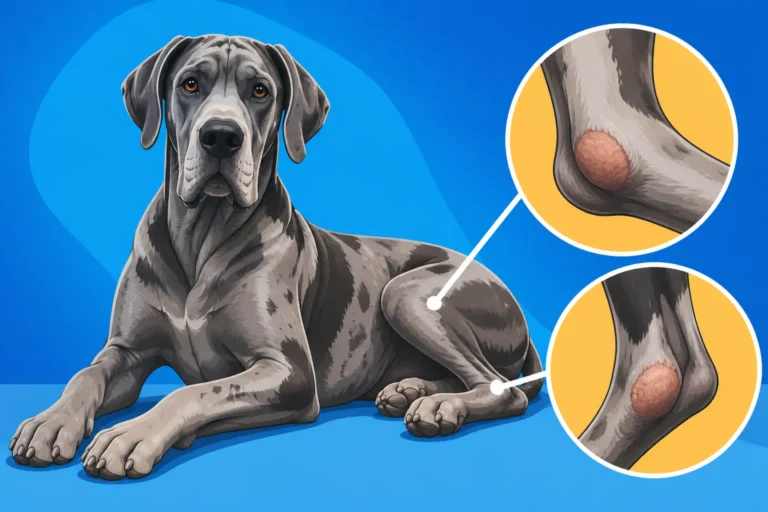
Soft Bedding: Ensure your puppy has ample soft, supportive bedding to rest on. This reduces pressure on developing joints and can prevent secondary issues like elbow hygromas, which can result from repeated impact on hard surfaces. Our guide on Bedding That Prevents Great Dane Hygromas offers excellent advice on choosing appropriate bedding.
Slippery Floors: Minimize exposure to slippery surfaces like tile or hardwood. These can cause a puppy to splay out, putting extra strain on their legs and making knuckling worse. Use rugs or runners to provide traction, especially in high-traffic areas.
Physical Therapy: Depending on the diagnosis, your veterinarian might recommend physical therapy. This can involve specific exercises, stretches, or modalities like laser therapy to strengthen muscles, improve range of motion, and promote healing. A certified canine rehabilitation therapist can design a tailored program to address your puppy's specific needs. This might sound extensive, but for a breed prone to joint and growth issues, proactive measures can make a world of difference. Pet insurance, such as Healthy Paws, can offer coverage for prescribed physical therapy, helping to ease the financial burden of these specialized treatments.
Long-Term Outlook and Prevention Strategies
Understanding the long-term outlook for a Great Dane puppy with knuckling over and implementing preventive strategies is crucial for their overall health and longevity. The good news is that many cases, especially those identified and managed early, have a positive prognosis.
Prognosis and Potential Complications
The long-term outlook for a puppy that knuckles over varies significantly depending on the underlying cause, the severity of the condition, and how promptly and effectively it was treated.
- Carpal Laxity Syndrome: Often resolves completely with conservative management (dietary control, exercise restriction) as the puppy matures and ligaments tighten.
- Nutritional Imbalances: With proper dietary adjustments to a large-breed puppy formula, puppies typically improve and develop normally, though careful monitoring is still needed.
- Hypertrophic Osteodystrophy (HOD): This can be more serious. While many puppies recover, some may experience residual pain, permanent limb deformities, or develop arthritis later in life. Recurrent episodes are also possible.
- Wobbler Syndrome: This has a more guarded prognosis, especially if surgical intervention is required. Management is often lifelong, and some neurological deficits may persist.
Ignoring knuckling over can lead to serious complications. Chronic abnormal weight bearing can cause permanent deformities, joint damage, and early-onset arthritis. It can also lead to muscle atrophy in the affected limb and compensatory issues in other parts of the body as the puppy tries to cope. Early diagnosis and intervention are absolutely key to minimizing these risks and ensuring your Great Dane has the best chance at a healthy, comfortable life.
Responsible Breeding and Early Health Screening
Preventing developmental issues begins long before you bring your Great Dane puppy home. Choosing a responsible breeder who prioritizes health is paramount. A reputable breeder will:
- Health Test Parents: They will screen their breeding dogs for genetic conditions common in Great Danes, such as hip and elbow dysplasia, cardiac diseases (like DCM), and thyroid issues. While these specific tests don't directly screen for HOD or carpal laxity, they indicate a commitment to producing healthy offspring and usually come with a deep understanding of Great Dane growth. Our article on The Health Testing a Great Dane Breeder Owes You details what to look for.
- Provide Proper Puppy Rearing: A good breeder will ensure puppies are fed an appropriate large-breed puppy food from weaning and will educate new owners on proper nutrition and exercise guidelines.
- Transparency: They should be open about any health issues in their lines and provide health clearances for the parents.
Lifestyle Choices for Healthy Development
Once your Great Dane puppy is home, ongoing preventative care and thoughtful lifestyle choices are essential:
- Appropriate Nutrition: Reiterate the importance of feeding a high-quality, large-breed specific puppy food until at least 18-24 months of age, or as advised by your vet. Avoid overfeeding and resist the urge to add supplements unless specifically prescribed by your veterinarian to correct a diagnosed deficiency.
- Controlled Exercise: Continue to manage exercise carefully throughout your puppy's growth period. Short, frequent, low-impact activities are always better than long, strenuous sessions. Allow for free play on soft surfaces but avoid forced running, jumping from heights, or prolonged stair climbing.
- Regular Veterinary Check-ups: Maintain a regular schedule of vet visits. Your vet can monitor your puppy's growth curve, assess their joint health, and catch any potential issues early. Discuss any changes in gait or behavior immediately.
- Weight Management: Keeping your Great Dane puppy lean is one of the best things you can do for their joint health. Excess weight puts additional strain on developing bones and joints, exacerbating any underlying orthopedic issues.
- Pet Insurance: Given the propensity of Great Danes to suffer from various health conditions, particularly those related to their rapid growth and size, investing in pet insurance from a provider like Healthy Paws when your puppy is young can be a lifesaver. It provides a financial safety net for unexpected vet bills related to developmental orthopedic diseases, injuries, or other health challenges that may arise as they grow. This foresight can greatly reduce stress when facing costly diagnostics or treatments, like those for Insuring a Great Dane Against Bloat and Heart Bills.
The journey with a Great Dane puppy is filled with joy, but also unique challenges due to their size and rapid growth. Being prepared and proactive can help ensure your gentle giant grows into a healthy, happy adult.
Understanding Great Dane Puppy Knuckling: A Quick Overview
| Cause of Knuckling Over | Common Age Range | Key Characteristics | Immediate Action | Long-Term Management |
|---|---|---|---|---|
| Carpal Laxity Syndrome | 6-16 weeks | Paws roll inward/outward, "walking on ankles," often bilateral. Generally no pain. | Vet diagnosis, strict exercise restriction, proper large-breed puppy diet. | Usually self-resolving with conservative care as ligaments strengthen. |
| Hypertrophic Osteodystrophy (HOD) | 2-7 months (peak at 3-5) | Swelling and pain in growth plates (often carpus/hock), lameness, fever, lethargy. Knuckling due to pain/instability. | Emergency vet visit for diagnosis and pain management. | Anti-inflammatory medication, controlled diet, pain relief, careful exercise. Prognosis varies. |
| Nutritional Imbalance/Rapid Growth | Puppyhood | Often secondary to high-calorie/high-calcium diet, leading to various growth plate issues. | Vet evaluation of diet, switch to appropriate large-breed puppy food, controlled intake. | Consistent appropriate diet, controlled exercise to support slow, steady growth. |
| Injury/Trauma | Any age | Sudden onset of knuckling, often unilateral, with potential swelling, bruising, or pain after an incident. | Vet examination and X-rays to assess for sprains, fractures, or nerve damage. | Rest, pain management, physical therapy, or surgery depending on injury. |
| Wobbler Syndrome (severe early onset) | Can be seen in young Danes | Progressive neurological signs, wobbly gait, uncoordinated steps, potential knuckling. More common in hind limbs initially. | Urgent vet neurological exam, MRI/CT scans for diagnosis. | Medical management (steroids) or surgery; rehabilitation. Prognosis guarded. |
Disclaimer
The information provided in this article is for general informational purposes only and is not intended as a substitute for professional veterinary advice, diagnosis, or treatment. Always seek the advice of your veterinarian or other qualified animal health provider with any questions you may have regarding a medical condition or the health and welfare of your pet. Never disregard professional veterinary advice or delay in seeking it because of something you have read in this article.