Great Dane Puppy Food Bills to Eighteen Months
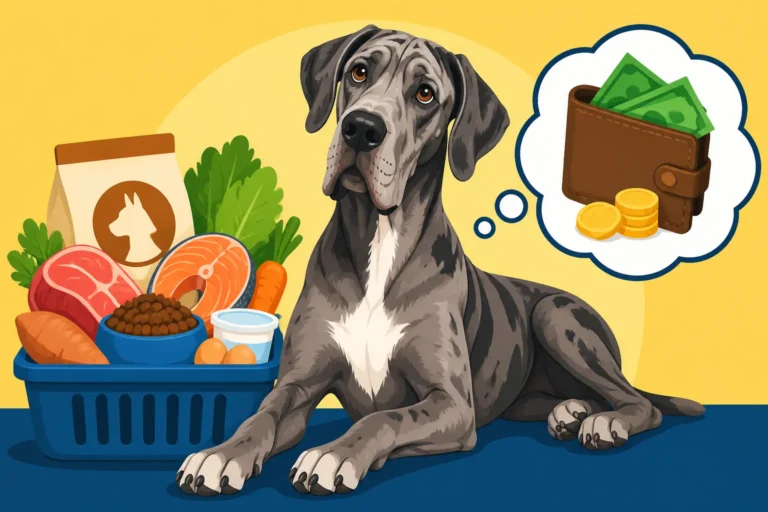
Bringing home a Great Dane puppy is an incredible joy, full of floppy ears, giant paws, and boundless love. But if you’re not prepared, the sheer volume of food your gentle giant will consume during their first 18 months can be a real shock to the wallet. This guide is here to walk you through what to expect regarding those significant Great Dane puppy food bills, from their unique nutritional needs to practical budgeting tips, so you can nourish your growing companion without breaking the bank.
The Unique Dietary Needs of a Growing Great Dane Puppy
When you first welcome that adorable, clumsy Great Dane puppy into your home, it’s easy to assume that all puppy foods are created equal. You might even grab a big bag of standard puppy kibble, thinking you're doing right by your new family member. However, for a breed that grows from a tiny bundle to potentially over 100 pounds in its first year, their dietary requirements are anything but standard. It’s a common frustration to realize that what works for a Labrador or a Poodle just won't cut it for a Great Dane, and understanding why is the first step to managing those food bills.
Why "Regular" Puppy Food Won't Cut It
Most commercial puppy foods are formulated to promote rapid growth, which is perfectly fine for smaller and medium breeds that reach their adult size quickly. The problem is, this accelerated growth can be detrimental for giant breeds like Great Danes. Their skeletal systems, joints, and ligaments are under immense pressure as they develop. If they grow too fast, it can put undue stress on these structures, potentially leading to debilitating orthopedic issues down the line, such as osteochondritis dissecans (OCD) or hypertrophic osteodystrophy (HOD). This is precisely why feeding a Great Dane puppy slowly on purpose is so crucial. You're not just feeding them; you're investing in their long-term structural health.
Think of it like building a skyscraper: you don't rush the foundation. You lay it slowly, deliberately, ensuring every beam and support is solid before adding more floors. A Great Dane puppy's growth is much the same. A standard puppy food, high in calories, protein, and calcium, can be like hitting the "fast forward" button on that skyscraper, leading to weak points. Instead, they need a carefully balanced diet designed for large and giant breed puppies that supports steady, controlled growth.
Understanding the Great Dane Growth Curve
The rate at which a Great Dane puppy grows is staggering to witness. They often reach half their adult weight by six months and can be nearly their full height by a year old, though they'll continue to fill out and mature physically until they're around two years old. This intense period of growth requires a constant supply of proper nutrition. However, it's not about maximizing how big they get, but how well they grow. Focusing on the Great Dane growth curve month by month helps owners understand these critical developmental windows.
During these months, their bodies are rapidly forming bone, muscle, and connective tissue. Their joints are especially vulnerable. Too much, too soon, can predispose them to serious conditions. The goal isn't necessarily to make them as tall or heavy as possible, but to ensure robust, healthy development that supports their massive frame throughout their lifespan. This often means carefully monitoring their body condition to ensure they are kept lean for its joints, preventing excessive weight gain that exacerbates growth plate issues.
The Critical Balance of Calcium and Phosphorus
One of the most misunderstood aspects of Great Dane puppy nutrition is the balance of minerals, particularly calcium and phosphorus. It’s often tempting for well-meaning owners to add calcium supplements to their puppy's diet, assuming "more is better" for strong bones. However, for a giant breed puppy, this couldn't be further from the truth. Why calcium supplements damage a Great Dane is a critical piece of knowledge for any owner.
Large and giant breed puppy foods are already specifically formulated with the correct calcium-to-phosphorus ratio to support proper bone development. Adding extra calcium can disrupt this delicate balance, leading to developmental orthopedic diseases. The body tries to regulate calcium levels, but too much can lead to skeletal deformities and even interfere with the absorption of other vital nutrients. It's a fine line, and sticking to a high-quality, vet-recommended large breed puppy food is almost always the safest bet to ensure the correct calcium and phosphorus in a Great Dane puppy bowl.
Breaking Down the Monthly Kibble Bill
So, you've grasped the unique nutritional needs. Now, let's get down to the brass tacks: what does this actually mean for your monthly budget? The size of a Great Dane inevitably translates to larger portions, and larger portions mean higher costs. This is where many new owners realize the initial puppy price tag was just the beginning.
Puppy-Specific Large Breed Formulas
The market for large and giant breed puppy foods has expanded, thankfully, as more owners become aware of these specialized needs. These formulas are designed with lower calorie density and controlled calcium levels to encourage slower, healthier growth. When looking at what to look for on a Great Dane puppy food bag, you'll want to see terms like "large breed puppy," "giant breed puppy," or "large breed growth formula."
Brands like Pro Plan Large Breed Puppy, Royal Canin Giant Puppy, and Purina ONE Large Breed Puppy are popular choices, but there are many others. The key is to examine the nutritional analysis, especially the calcium content, which should be within a specific, narrower range than standard puppy foods. Your veterinarian can provide guidance on specific brands and formulations that best suit your puppy's individual needs. This specialized formulation, while essential, can sometimes carry a slightly higher price point per pound compared to generic puppy foods.
Volume and Cost per Bag
This is where the reality often hits hardest. A Great Dane puppy eats a lot. We’re talking about quantities that would feed a smaller adult dog for days. As they grow, their food intake increases significantly, often peaking during their adolescent months. For instance, a growing Great Dane puppy might consume anywhere from 6 to 10 cups of dry kibble per day, depending on their age, activity level, and the specific food's caloric density.
Let's do a quick calculation without specific prices:
If a typical large bag of quality large breed puppy kibble is, say, 30-40 pounds, and your growing Dane eats 8 cups a day, that bag might last you roughly 2.5 to 3 weeks. This means you could easily be purchasing two large bags of food per month, sometimes even more during peak growth spurts. The cost accumulates rapidly, making it one of the most substantial ongoing expenses for Great Dane ownership during their first 18 months.
The great news is that many retailers, including online giants like Chewy, offer significant savings through auto-ship programs or bulk discounts. Buying larger bags or subscribing to regular deliveries can often reduce the per-pound cost, making those substantial monthly bills a little more manageable.
Considering Alternatives: Fresh Food and Raw Diets
Some owners, for various reasons, explore alternatives to traditional kibble, such as fresh-prepared or raw food diets. Companies like Ollie deliver fresh, human-grade food right to your door, offering customized meal plans. While these options can provide excellent nutrition and appeal to dogs with sensitivities or picky palates, they come with a significant increase in cost, especially at Great Dane volumes.
Imagine the sheer amount of food needed to satisfy a growing giant. Preparing a raw or fresh diet yourself also requires extensive research to ensure nutritional completeness, particularly the crucial calcium-to-phosphorus balance for giant breed puppies. Without proper formulation, these diets can be even more dangerous than inappropriate kibble. While potentially beneficial, the cost and effort involved for a Great Dane puppy can be prohibitive for many budgets. It’s important to acknowledge that whether any fresh food company serves a Great Dane at a truly affordable rate, given their caloric and volume needs, is a question many owners grapple with.
Beyond Kibble: Treats, Supplements, and Unexpected Costs
The kibble is the foundation, but a Great Dane puppy's dietary expenses don't stop there. There are numerous other items that contribute to the overall food budget, from encouraging good behavior to supporting their rapidly developing bodies.
Training Treats for a Giant Breed
Training a Great Dane puppy is non-negotiable. Their sheer size means that good manners aren't just polite; they're a safety imperative. Positive reinforcement, often through treats, is highly effective. However, the treats you use for a Great Dane puppy need to be appropriately sized for a Great Dane, appealing enough to hold their attention, and low in calories if you're using many throughout the day.
Small, pea-sized treats might get lost in their massive mouths, requiring them to take several just to register a reward. Larger, more substantial treats can add up quickly, both in cost and calories. Many owners find themselves going through bags of treats surprisingly fast, especially during intense training phases like puppy classes or house-training. Look for treats that can be easily broken into smaller pieces or consider using portions of their regular kibble as training rewards to manage both cost and calorie intake.
Joint Supplements: Proactive Care
Given their predisposition to joint issues, many Great Dane owners consider adding joint supplements as a proactive measure, even for puppies. Ingredients like glucosamine, chondroitin, and MSM are common. While a high-quality large breed puppy food should ideally provide a good foundation, some vets or breeders might recommend additional support, especially if the puppy shows any signs of growth-related discomfort or if there's a family history of orthopedic problems.
It's important to discuss any supplements with your veterinarian to ensure they are appropriate and correctly dosed for your growing Great Dane. The cost of these supplements, dosed for a giant breed, can add another layer to your monthly expenses. However, for many, the potential long-term benefits in terms of joint health outweigh the immediate cost, considering the significant bills associated with orthopedic surgeries later in life.
Managing Picky Eaters or Sensitive Stomachs
Just like humans, Great Dane puppies can have their quirks. Some might be incredibly picky eaters, turning their nose up at perfectly good kibble. Others might have sensitive stomachs, reacting poorly to certain ingredients with digestive upset. These scenarios can lead to unexpected costs as you experiment with different foods to find one that your puppy will eat and tolerate well.
Switching foods frequently can be expensive, as you often end up buying bags that only get partially eaten before you try something new. It also requires careful transition periods to avoid further digestive upset. Finding a food that agrees with your puppy might involve trying several brands or formulations, potentially incurring multiple vet visits if symptoms are severe. Sometimes, even the best kibble won't sit right, and you might find yourself adding toppers like plain canned pumpkin, bone broth, or a spoonful of wet food to entice them, all of which add to the monthly bill. This is where understanding how to change a Great Dane's food gradually becomes important to mitigate these costs and digestive issues.
Strategies for Budgeting and Saving on Great Dane Food
With such significant ongoing expenses, smart budgeting and savvy shopping strategies are essential for Great Dane owners. Managing these costs effectively means being proactive and making informed choices from the start.
Buying in Bulk and Subscription Services
One of the most effective ways to manage the cost of feeding a Great Dane puppy is to buy in bulk. Larger bags of kibble almost always offer a lower price per pound. While the upfront cost of a massive bag of food might seem daunting, it will generally save you money in the long run compared to buying smaller bags more frequently.
Online retailers like Chewy are a godsend for Great Dane owners. They frequently offer large-sized bags of premium large breed puppy foods and provide convenient auto-ship subscription services. These subscriptions often come with a discount on each order and ensure you never run out of food, which is a major convenience when your puppy is eating ten cups a day! Local pet supply stores might also offer loyalty programs or bulk discounts if you buy multiple bags. Exploring these options can significantly reduce your overall Great Dane puppy food bills.
Tracking Food Intake and Weight
Accurately tracking your Great Dane puppy's food intake and weight is not just good for your budget; it's crucial for their health. Overfeeding can lead to rapid growth and joint problems, while underfeeding can hinder proper development. Many owners find that weighing a Great Dane's ration provides a much more accurate measure than using a measuring cup, as kibble density can vary.
Regular weigh-ins (weekly for young puppies, then monthly) and monitoring their body condition will help you adjust their food amount precisely. You should be able to easily feel their ribs, but not see them prominently. If you’re questioning whether a Great Dane puppy should be kept lean, the answer is a resounding yes for their joint health. This meticulous tracking helps ensure you're not wasting food by overfeeding and that your puppy is growing at a healthy, controlled pace. Your vet can give you specific guidelines on what a Great Dane puppy should weigh at four months and how their growth should progress.
When to Transition to Adult Food
Knowing when to transition your Great Dane puppy from large breed puppy food to adult food is another key element in managing expenses and promoting health. Typically, large and giant breed puppies remain on their specialized puppy formula longer than smaller breeds, often until they are 18 to 24 months old. This allows their bones and joints to fully mature before switching to a denser adult formula.
Consult your veterinarian for their specific recommendation on when your individual Great Dane should transition. Switching too early to a regular adult food might mean they're getting too many calories or an inappropriate mineral balance for their still-developing frame. However, once they are ready, adult large breed dog food can sometimes be slightly more cost-effective per serving than the specialized puppy formulas. This transition marks an important milestone, not just in their physical maturity but also in optimizing your long-term feeding budget.
Preparing for the Investment in Your Great Dane's Future
The journey of owning a Great Dane, especially during their puppyhood, is truly a unique experience. Their incredible growth rate means that everything, including their food bill, scales up dramatically compared to smaller breeds. From their specialized large breed puppy formulas, crucial for preventing devastating orthopedic issues, to the sheer volume of food they consume, the costs are substantial.
It’s not just about filling a bowl; it’s about providing the precise nutrition required for such a magnificent and fast-growing animal. By understanding their unique dietary needs, exploring options for bulk purchasing, and staying vigilant with their growth and body condition, you can manage these costs effectively. This proactive approach ensures your Great Dane puppy receives the best start in life, setting the foundation for a healthy, happy future, and perhaps saving you larger vet bills down the line. Remember, every cup of appropriate food is an investment in the health and longevity of your beloved giant.
| Age Range | Estimated Daily Food (Cups Dry Kibble) | Purchase Frequency (per 35lb bag) | Key Nutritional Focus | Potential Added Costs |
|---|---|---|---|---|
| 8-16 Weeks | 4-6 cups | Every 3-4 weeks | Controlled Growth, Balanced Ca/P | High-value training treats |
| 4-8 Months | 6-8 cups | Every 2-3 weeks | Steady Bone & Muscle Dev. | Basic joint supplements |
| 8-18 Months | 8-10+ cups | Every 1.5-2.5 weeks | Continued Maturation, Lean Body | Advanced joint supplements, picky eater aids |
Disclaimer
This article is for general informational purposes only and does not constitute professional advice. Laws, prices and regulations vary by location and change over time. Consult a qualified professional for guidance on your specific situation.