Aftercare Costs Following Great Dane Bloat Surgery
Bringing your beloved Great Dane home after a terrifying bloat surgery is an immense relief, but the journey isn't over. Many owners find themselves unprepared for the hidden costs and dedicated care required in the weeks and months following this life-saving procedure. This guide aims to shed light on the financial realities and practical steps involved in post-surgical care, ensuring you can provide the best possible recovery for your gentle giant.
Understanding the Initial Recovery Period and Its Costs
The first few days and weeks after bloat surgery are critical, and a significant portion of the aftercare costs will arise during this immediate period. It's not just the big bill from the emergency clinic; there's a cascade of smaller, but essential, expenses that add up.
Immediate Post-Operative Care at the Clinic
Even after your Great Dane is stable enough to come home, there's often a period of careful observation and continued medical attention required at the veterinary clinic. This can involve continued intravenous fluids, pain management injections, and vigilant monitoring for any signs of complications. You might see charges for extended hospitalization, especially if your Dane needed a longer stay to stabilize or if the surgery was particularly complex. Veterinary staff are monitoring vital signs, checking the incision site for infection or dehiscence (opening up), and ensuring they are comfortable enough to start eating small amounts. This intensive care is paramount for setting the stage for a successful recovery at home.
Beyond the initial days, sometimes there are costs associated with specialized imaging, like X-rays, to ensure no internal issues are developing, or blood tests to check organ function and recovery progress. These aren't always part of the upfront surgical estimate and can be a surprise. It's truly a moment-by-moment assessment by the veterinary team, and every extra day or diagnostic test contributes to the overall post-operative bill. Remember, Great Danes are large dogs, and everything from their medications to their required anesthesia is typically dosed for their size, leading to higher baseline costs. You can learn more about why these costs are often higher for giant breeds by reading about Why Great Dane Anesthesia Is Billed Higher.
Medications for Pain, Nausea, and Infection
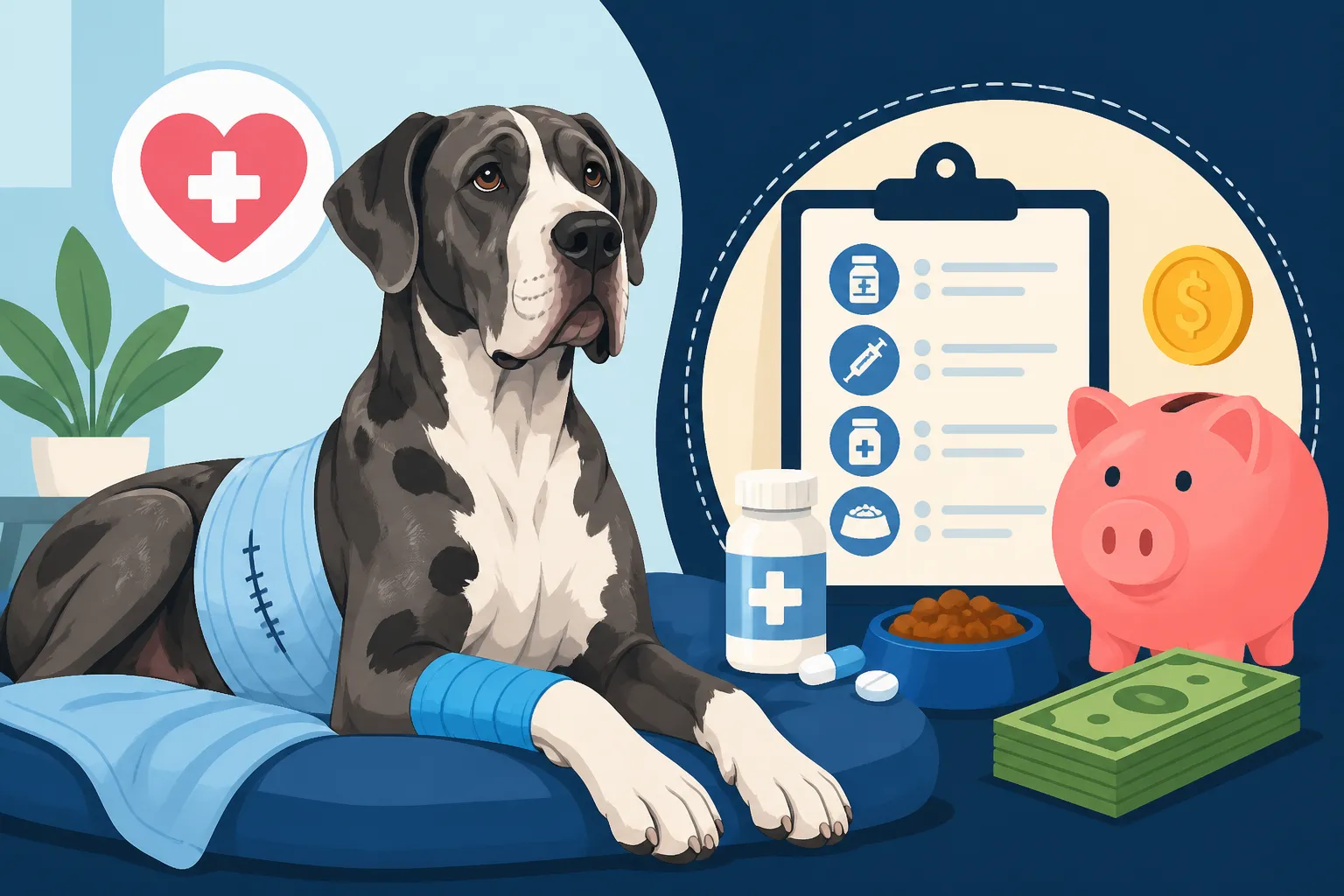
Once your Great Dane is discharged, you'll be sent home with a regimen of medications, which are crucial for managing pain, preventing infection, and often, alleviating nausea that can follow anesthesia and abdominal surgery. These typically include strong pain relievers, anti-inflammatory drugs, antibiotics, and sometimes appetite stimulants or anti-nausea medications. The cost of these prescriptions, especially in the large doses required for a Great Dane, can be substantial and continue for one to two weeks, or even longer depending on the individual case.
Keeping your Dane comfortable is not just about kindness; it's essential for their recovery. Pain can inhibit movement, depress appetite, and stress their system, all of which hinder healing. Ensuring you have a steady supply of these medications and administering them diligently as prescribed is non-negotiable. Don't be shy about asking your vet for generic alternatives if available, or inquiring about ordering from a reputable online pharmacy to compare costs, though some critical medications might need to come directly from your vet. For ongoing health needs, remember that products from retailers like Chewy can be a convenient source for approved medications and special diets, often at competitive prices.
Follow-Up Vet Visits and Suture Removal
The aftercare journey always includes at least one, and often several, follow-up appointments with your veterinarian. These visits are vital for assessing the incision site, checking for any signs of complications, monitoring overall healing, and eventually, removing sutures or staples. Each visit incurs an examination fee, and if additional tests (like blood work or imaging) are deemed necessary, those will add to the bill.
These appointments allow your vet to confirm that the incision is healing cleanly, without infection or fluid accumulation, and that your Dane is progressing well internally. They'll check for swelling, redness, discharge, or any signs that your dog might be experiencing discomfort. These visits are also your opportunity to voice any concerns or ask questions about your Dane's behavior or recovery at home. It's crucial not to skip these appointments, as catching a minor issue early can prevent a more serious and costly complication down the line.
Essential Home Care: Supplies and Special Needs
Bringing your Great Dane home means transforming your living space, at least temporarily, to accommodate their recovery needs. This involves more than just a quiet corner; it often means investing in specific supplies to ensure their comfort and safety.
Restricted Activity and Confinement Solutions
For several weeks post-surgery, your Great Dane will need strict activity restriction. This is paramount to prevent strain on the incision site and allow internal tissues to heal. No running, jumping, or roughhousing! For a large, active Great Dane, this can be a significant challenge. You might need to invest in a large, comfortable crate or set up a secure, confined recovery area within your home. This could mean purchasing extra-large baby gates to block off stairs or rooms, or even an orthopedic dog bed designed to support their joints during prolonged rest.
Consider a recovery suit or an Elizabethan collar (the dreaded "cone of shame") to prevent your Dane from licking or chewing at their incision. While some vets provide these, you might find you need a more comfortable or appropriately sized one for your giant breed. These items can add up, and their importance in preventing wound breakdown or infection cannot be overstated. Ensuring your Dane understands and accepts confinement requires patience and often, some ingenuity. Thinking about Crates and Gates Sized for a Great Dane might be helpful before they even come home.
Diet Adjustments and Special Feeding Gear
After bloat surgery, your Great Dane's digestive system will be sensitive. Your vet will likely recommend a bland diet, introduced slowly and in small, frequent meals. This might mean purchasing specific prescription recovery food, or preparing home-cooked meals (e.g., boiled chicken and rice) as directed. These specialized diets can be more expensive than regular kibble, and the need for smaller, more frequent portions might necessitate changes to your feeding routine.
Some vets also recommend specific feeding bowls designed to slow down eating or for use on the floor rather than raised stands, at least temporarily, as part of a strategy to prevent future bloat episodes. While the debate around raised bowls and bloat risk continues, following your vet's specific advice post-surgery is crucial. Products from companies like Ollie, which offers fresh, human-grade food, might be an option if your vet approves and you're looking for easily digestible meals to aid recovery, though it’s essential to transition slowly and monitor for any digestive upset.
Wound Care Supplies and Monitoring
Daily wound care is often part of the at-home routine. This includes gently cleaning the incision site and monitoring for any signs of infection, swelling, redness, or discharge. You'll likely need to purchase sterile saline solution, antiseptic wipes or sprays, and perhaps gauze pads or bandages, depending on your vet's instructions. Keeping the incision clean and dry is vital for proper healing and preventing complications.
Beyond physical supplies, there's the 'cost' of your time and vigilance. Checking the incision multiple times a day, ensuring your Dane doesn't disturb it, and recognizing potential problems are all critical tasks. It’s a dedicated process, and catching any issues early, like a developing infection, can save significant money and heartache in the long run.
Potential Complications and Unexpected Expenses
Even with the best care, complications can arise after major surgery like bloat correction. Being prepared for these possibilities, both emotionally and financially, can make a huge difference.
Addressing Post-Surgical Infections
Infections are a risk with any surgery, and a large incision in a deep-chested dog like a Great Dane is no exception. If an infection develops, it can lead to additional vet visits, a new course of antibiotics (potentially more potent or expensive ones), and in severe cases, even further surgical intervention to clean the wound. Signs of infection include excessive redness, swelling, warmth at the site, pus-like discharge, and a foul odor.
The cost of treating an infection can quickly escalate, turning what seemed like a straightforward recovery into a prolonged and expensive ordeal. This is one of the reasons consistent monitoring and adherence to prescribed medications are so important. Proactive care significantly reduces the chances of these costly setbacks.
Managing Other Surgical Complications
Bloat surgery is extensive, and other complications can occur. These might include:
- Suture Dehiscence: The incision opening up, requiring immediate veterinary attention and potentially re-suturing.
- Seroma or Hematoma: Fluid or blood accumulating under the skin near the incision, which might need draining.
- Arrhythmias: Heart rhythm disturbances, especially since Great Danes are prone to The Heart Muscle Disease Great Danes Are Prone To. The stress of surgery can sometimes exacerbate underlying cardiac conditions.
- Gastrointestinal Upset: Persistent vomiting or diarrhea, requiring dietary adjustments, anti-nausea medications, or even hospitalization for fluid support.
- Re-bloat or GDV (Gastric Dilatation-Volvulus): While the gastropexy (stomach tacking) performed during bloat surgery drastically reduces the risk of the stomach twisting again, it does not prevent the stomach from dilating (filling with gas). Therefore, even with a gastropexy, there's a small chance of another bloat episode, though a twisted stomach is far less likely. This is a critical distinction to understand. You can explore Whether Tacking Ends Great Dane Bloat Risk for more information.
Each of these complications carries its own set of diagnostic and treatment costs. The emotional toll can also be immense, as you navigate the uncertainty of your beloved dog's recovery.
The Role of Pet Insurance in Aftercare
This is where pet insurance truly shines, especially for a breed like the Great Dane. A comprehensive pet insurance plan, if enrolled before any signs of bloat appeared, can be a lifesaver for managing the exorbitant costs associated with bloat surgery and its aftercare. Policies from providers like Healthy Paws can cover a significant percentage of eligible veterinary bills, including emergency surgery, hospitalization, medications, and follow-up visits.
Without insurance, many owners find themselves facing bills easily climbing into the thousands for just the initial surgery, let alone subsequent complications. When considering pet insurance, it's crucial to understand what is covered, what the deductible is, and what reimbursement percentage you'll receive. Waiting until your Dane has already had bloat makes it a pre-existing condition, typically excluded from future coverage. This underscores the importance of Insuring a Great Dane Before the Bloat Years.
Here's a simplified look at how insurance might impact aftercare costs:
| Cost Category | Without Pet Insurance (Example) | With Pet Insurance (Example) |
|---|---|---|
| Initial Hospital Stay | High | Significantly Reduced |
| Take-Home Medications | Moderate-High | Significantly Reduced |
| Follow-Up Vet Visits | Moderate | Significantly Reduced |
| Complication Treatment (e.g., Infection) | High | Significantly Reduced |
| Special Recovery Diet | Moderate | Potentially Reduced (check policy) |
| Recovery Supplies | Moderate | Often Not Covered |
Note: These are illustrative examples. Actual costs and coverage depend heavily on your specific policy, deductible, and reimbursement rate.
Long-Term Considerations for a Recovered Dane
Once the immediate recovery period is over, your Great Dane should be back to their normal self. However, there are ongoing considerations and lifestyle adjustments that remain, often with associated costs, to support their long-term health.
Preventing Future Bloat Incidents
Even with a gastropexy, which is highly effective in preventing the life-threatening twist, owners often adopt additional preventative measures to minimize the risk of the stomach dilating or experiencing other gastrointestinal issues. This includes careful feeding practices such as feeding multiple small meals a day instead of one large one, limiting exercise an hour before and after meals, and using slow-feeder bowls. For more on preventative strategies, read about Meal Habits That Cut a Great Dane's Twist Risk.
Some owners also become more mindful of stress factors, as anecdotal evidence suggests stress can play a role in bloat. While these preventative measures don't always carry direct costs, they require consistent effort and can influence your choices in food type and feeding accessories.
Lifestyle Adjustments and Maintenance
A Great Dane that has recovered from bloat surgery might be more sensitive to certain environmental factors. Their activity level might need to be monitored more carefully, especially as they age. For example, avoiding strenuous exercise immediately after eating is a lifelong commitment. Their diet might also be a continued point of focus, opting for easily digestible foods or specific formulations to support gut health.
Regular veterinary check-ups become even more crucial, allowing your vet to monitor their overall health, including any subtle changes in their digestion or general well-being. These routine visits are part of the ongoing cost of responsible Great Dane ownership, and they're particularly important after a major health event. Understanding The Yearly Checkup a Great Dane Needs will help you budget for these essential appointments.
Ongoing Monitoring for Overall Health
Beyond bloat-specific concerns, Great Danes are prone to other significant health issues, such as dilated cardiomyopathy (DCM) and various cancers. Recovering from bloat surgery doesn't remove these risks. In fact, the stress of surgery and recovery might even highlight or accelerate underlying conditions. This means diligent, ongoing health monitoring is essential.
This could involve regular cardiac screenings, especially if your Dane is of a certain age or has a family history of heart problems. An annual check-up might include specific blood tests or imaging if any concerns arise. The goal is to catch any new health issues early, which can often lead to more effective and less costly treatment in the long run. Caring for a Great Dane is a marathon, not a sprint, and their unique physiology demands a proactive approach to their health for their entire Why a Great Dane Only Lives Seven to Ten Years.
Disclaimer
This article is for general informational purposes only and does not constitute professional advice. Laws, prices and regulations vary by location and change over time. Consult a qualified professional for guidance on your specific situation.