Emergency Vet Fees for a Great Dane
The sudden, terrifying rush to the emergency veterinary clinic with your beloved Great Dane is an experience no owner ever wants to face. Beyond the immediate fear for their health, the anxiety of unknown costs can loom large, adding an extra layer of stress during an already traumatic time. This guide is here to shed some light on the reality of emergency vet fees for Great Danes, helping you understand why they can be so high and how you can better prepare for the unpredictable.
The Unique Financial Burden of a Great Dane Emergency
Owning a Great Dane is a joy, but it also comes with a unique set of considerations, especially when it comes to their healthcare. Their sheer size and specific breed predispositions mean that emergency veterinary care can escalate in cost much faster and higher than for smaller breeds. It’s not just about the severity of the condition; it's also about the scale of the dog.
Why Size Matters in Veterinary Bills
Imagine the medication dosage for a Chihuahua versus a Great Dane. A small pill for a tiny dog might be a dozen pills for your giant companion. This applies across the board, from anesthesia and pain relief to antibiotics and other life-saving drugs. Everything is dosed by weight, and when you have a dog that can easily outweigh an adult human, those costs add up quickly.
Beyond medication, diagnostic tools like X-rays or ultrasounds often require more film, more time, or more powerful equipment to get a clear image of such a large internal landscape. Even basic supplies like bandages, IV fluids, and surgical drapes are needed in much larger quantities. Furthermore, the specialized handling required for a giant breed in distress means more staff may be needed to safely move, restrain, and care for them, especially if they are in pain or disoriented. A tiny carrier won't do; you might need a special gurney just to get them to the treatment area.
Breed-Specific Risks That Drive Up Costs
Great Danes are unfortunately predisposed to several serious health conditions that frequently land them in the emergency room. One of the most notorious is bloat, or Gastric Dilatation-Volvulus (GDV), a life-threatening condition where the stomach fills with gas and can twist. This requires immediate, complex surgery, and the window of time for intervention is incredibly narrow. The intensity and specialized nature of this procedure naturally command a higher price tag.
Beyond bloat, Great Danes are also prone to certain heart conditions, like dilated cardiomyopathy (DCM), which can lead to sudden crises requiring cardiac stabilization and specialized medications. They can also face orthopedic issues, even in emergencies, due to their rapid growth and heavy frames, such as sudden lameness or severe joint pain that demands immediate attention. Understanding these inherent risks helps us grasp why their emergency bills often start higher and climb faster. For more on this, you might want to read about The Lifetime Bloat Risk in a Great Dane or The Heart Muscle Disease Great Danes Are Prone To.
Specialized Care and Equipment
Emergency veterinary hospitals are equipped to handle critical cases, but for a Great Dane, even more specialized resources might be needed. Think about the size of an oxygen cage required to comfortably house a Dane, or the strength of the surgical table needed to safely support their weight during a procedure. Anesthesia for a Great Dane is also more complex and often more expensive, as they can be more sensitive to certain drugs and require careful monitoring throughout. You can learn more about Why Great Dane Anesthesia Is Billed Higher if you're curious.
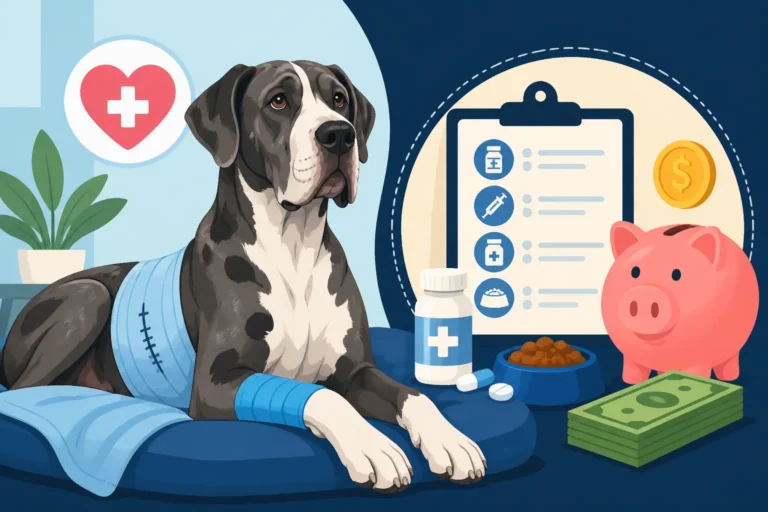
Post-operative care is also a major factor. A Great Dane recovering from major surgery requires extensive monitoring, larger kennels for recovery, and sometimes specialized lifting equipment to help them stand and move. The staff-to-patient ratio might need to be higher, especially in the crucial first 24-48 hours. All these factors contribute to the elevated costs associated with providing critical care for our giant companions.
Common Emergency Scenarios and Their Cost Components
When a Great Dane faces an emergency, the costs typically break down into several categories: initial examination and stabilization, diagnostics, treatment (which can include surgery, medication, and fluid therapy), and hospitalization for recovery and monitoring. Let's look at a few common scenarios.
Gastric Dilatation-Volvulus GDV Bloat
This is arguably one of the most feared emergencies for any Great Dane owner. When a Dane experiences bloat, time is of the essence. The initial emergency visit will involve a rapid assessment, potentially X-rays to confirm GDV, and immediate attempts to decompress the stomach. If a twist (volvulus) is present, emergency surgery is the only definitive treatment. This surgery, a gastropexy, involves untwisting the stomach and permanently attaching it to the abdominal wall to prevent future occurrences. Discover more about What to Do the Minute a Great Dane Bloats and Stomach Tacking Surgery for a Great Dane if you haven't already.
The cost components for a GDV emergency are extensive. They include emergency examination fees, sedation, X-rays, IV fluids, pre-surgical bloodwork, anesthesia for a giant breed, the complex surgical procedure itself, post-operative pain medication, antibiotics, and often several days of intensive hospitalization with round-the-clock nursing care. Even after discharge, follow-up visits and medications will be necessary. This single event can easily accumulate a bill that is daunting for any pet owner.
Sudden Injuries and Orthopedic Crises
Great Danes, despite their gentle nature, are still large, active dogs, and injuries can happen. A sudden limp, a fall, or an accident could lead to a fracture, a torn ligament, or a severe soft tissue injury. Given their weight and size, these injuries are often more complicated to diagnose and treat than in smaller dogs. For example, a minor tear in a cruciate ligament for a smaller dog might require less invasive surgery, but for a Great Dane, it's a significant orthopedic challenge.
Emergency care for an injury might start with an examination, pain relief, and sedation for X-rays or other imaging like an MRI if needed. If surgery is required, such as for a fracture or a cruciate ligament repair, the costs will encompass anesthesia, the surgical procedure (which often requires specialized implants strong enough for a Dane's bones), and an extended recovery period with physical therapy and follow-up. Even without surgery, extensive pain management and strict rest protocols are common. Conditions like Bone Cancer in a Great Dane can also present as sudden lameness and require extensive diagnostic workup, including biopsies, which adds to the initial emergency bill.
Acute Illnesses and Diagnostic Mazes
Sometimes, a Great Dane might suddenly become acutely ill with symptoms like severe vomiting, diarrhea, lethargy, or difficulty breathing. These situations require prompt emergency evaluation to determine the underlying cause. The diagnostic process can be extensive and may involve blood tests (complete blood count, chemistry panel, electrolytes), urinalysis, fecal exams, X-rays of the chest and abdomen, and ultrasound. In some cases, more advanced imaging or endoscopy might be recommended.
Each diagnostic test carries its own fee, and when you combine several for a large dog, the costs mount quickly. Once a diagnosis is reached, treatment could range from intensive supportive care with IV fluids, anti-nausea medications, and antibiotics, to more specific interventions depending on the condition. For example, a sudden onset of pneumonia would require hospitalization, oxygen therapy, and powerful antibiotics. Managing a severe allergic reaction or an acute cardiac event would also involve specific medications and close monitoring.
Here’s a simplified breakdown of typical emergency components:
| Service/Category | Common Reasons for Great Danes | Cost Factors |
|---|---|---|
| Emergency Exam & Stabilization | Bloat, severe injury, acute illness, collapse | Initial assessment, immediate pain relief, oxygen, IV catheter, fluids, basic diagnostics |
| Diagnostics | Bloat confirmation (X-rays), internal bleeding (ultrasound), organ failure (bloodwork) | Number and type of tests, size-dependent equipment/materials (e.g., more X-ray plates) |
| Anesthesia & Surgery | GDV surgery, fracture repair, foreign body removal | Anesthetic drugs by weight, monitoring time, surgical complexity, specialized equipment/implants for size |
| Hospitalization | Post-surgery recovery, severe illness, intensive monitoring | Duration of stay, level of care (ICU), specialized kenneling, staffing ratios, medication administration |
| Medication | Pain relief, antibiotics, anti-nausea, cardiac drugs | Dosage based on weight, duration of treatment, specific drug cost |
| Aftercare & Follow-Up | Recheck exams, bandage changes, prescription diets, physical therapy | Number of visits, specific treatments needed |
Preparing for the Unpredictable: Financial Safeguards
The truth is, no one can predict when an emergency will strike, but you can certainly prepare for the financial impact. Being proactive is the best way to ensure your Great Dane gets the care they need without you having to make impossible choices.
The Lifeline of Pet Insurance
Pet insurance is a game-changer for Great Dane owners. Given the breed's predispositions and the high costs associated with their size, insurance can literally be a lifesaver. Policies vary, but generally, they cover a significant portion of emergency vet bills, including diagnostics, surgery, and hospitalization, once your deductible is met. Companies like Healthy Paws offer comprehensive accident and illness plans that can provide immense peace of mind. It’s absolutely critical to enroll your Great Dane when they are young and healthy, before any pre-existing conditions develop.
Many owners regret not getting insurance until after their first major vet bill. Remember to thoroughly research different plans, understand what's covered (and what isn't, like routine care or pre-existing conditions), and compare deductibles and reimbursement percentages. While premiums for a large breed like a Great Dane might seem high initially, they pale in comparison to a sudden, multi-thousand-dollar emergency bill. This is a topic so important, we dedicated a whole article to it: Insuring a Great Dane Before the Bloat Years.
Building an Emergency Fund
Even with pet insurance, there will always be deductibles, co-pays, and potentially some things not covered. This is where a dedicated emergency fund comes in. Try to set aside a certain amount each month specifically for your Great Dane's healthcare. This fund acts as a buffer for those unexpected costs, allowing you to focus solely on your dog's recovery without the added financial strain.
Think of it as your "Great Dane Rainy Day Fund." Even small, consistent contributions can grow into a substantial amount over time. If you have insurance, this fund can cover your deductible and any percentage of the bill not reimbursed. If you don't have insurance, this fund becomes even more critical for covering the full brunt of emergency costs. Having immediate access to funds can make all the difference in treatment decisions. Considering articles like Building a Fund Before a Great Dane Needs It can help you strategize.
Exploring Payment Options When Disaster Strikes
Sometimes, despite our best efforts, an emergency bill can exceed our prepared funds. It’s important to know what other payment options might be available. Many veterinary clinics offer payment plans through third-party services like CareCredit, which works like a credit card for healthcare expenses, often with deferred interest options if paid within a certain timeframe.
Discussing financial concerns openly with your veterinary team is always a good idea. They might be able to offer options or help you prioritize essential treatments. Some clinics also work with local animal welfare organizations that offer financial aid for emergency cases, though these often have strict eligibility requirements. While not ideal, knowing these options exist can provide a small measure of relief during a crisis. Remember, resources like Chewy and Ollie focus more on routine care and nutrition, but knowing how to manage overall pet expenses can free up funds for emergencies.
What to Expect During an Emergency Vet Visit
When you arrive at an emergency vet clinic, things will move quickly, but understanding the process can help you feel a little more in control.
The Initial Assessment and Stabilization
The first thing that happens when you rush your Great Dane into an emergency vet is what's called triage. Just like in a human ER, the veterinary staff will quickly assess your dog's condition to determine the severity and prioritize treatment. If your Dane is in critical condition, they will be taken immediately to the treatment area for stabilization. This might involve placing an IV catheter, administering oxygen, giving pain medication, or taking immediate steps to address a life-threatening issue like bloat.
During this initial phase, you might feel a bit helpless or even confused as things happen fast. This is normal. The veterinary team's priority is your Great Dane's life and immediate comfort. They will gather essential information from you about your dog's medical history, symptoms, and any medications they are on. Be prepared to answer questions about when symptoms started, what you've observed, and any relevant past health issues. For critical conditions like bloat, every minute counts, so this rapid assessment is crucial.
Communication and Decision-Making
Once your Great Dane is stable, or at least the immediate life threats are managed, a veterinarian will speak with you in more detail. They will explain their findings, discuss diagnostic tests they recommend (like X-rays, bloodwork, or ultrasound), and provide an estimate for the initial phase of care. This is your opportunity to ask all your questions, no matter how small they seem. Don't hesitate to ask for clarification on medical terms or procedures.
The vet will present you with treatment options, often outlining the best-case scenario and alternative approaches, along with their associated costs. This is where financial planning becomes invaluable, as you might need to make quick decisions under immense pressure. Being prepared means you can focus on what's best for your Great Dane, rather than panicking about the bill. For Great Dane owners, discussions about surgical options, like a gastropexy for bloat, are common, and understanding How a Great Dane Gastropexy Is Done can help you make informed choices.
Aftercare and Follow-Up Expenses
The emergency vet visit doesn't always end when you take your Great Dane home. Depending on the condition, there will almost certainly be aftercare instructions, prescription medications, and follow-up appointments with your regular veterinarian or a specialist. These follow-up expenses are an integral part of the overall cost of an emergency.
For instance, if your Great Dane had surgery, they might need pain medication for several weeks, special diets (which you can often find great prices on through Chewy or even specialized fresh food services like Ollie, if medically appropriate and discussed with your vet), and restricted activity. Physical therapy might be recommended for orthopedic injuries. Regular recheck appointments are crucial to monitor healing and recovery. Don't underestimate these ongoing costs; they are part of ensuring a full and healthy recovery for your giant friend. This continued care is essential, especially for complex issues such as those detailed in Recovery After Great Dane Bloat Surgery or managing chronic conditions after an acute flare-up.
Disclaimer
This article is for general informational purposes only and does not constitute professional advice. Laws, prices and regulations vary by location and change over time. Consult a qualified professional for guidance on your specific situation.