Nursing a Great Dane Through Its Last Weeks
Watching your beloved Great Dane, that magnificent "gentle giant" who has filled your life with joy and slobbery kisses, begin to slow down and face their final weeks is an incredibly heartbreaking experience. It's a journey filled with tough decisions, profound sadness, and an overwhelming desire to ensure their remaining time is as comfortable and full of love as possible. This guide aims to walk you through the practical and emotional steps of nursing your Great Dane through their last chapter, helping you provide the best possible care while also taking care of your own heart.
Recognizing the Subtle Shifts in Your Senior Great Dane
It's often hard to pinpoint exactly when a Great Dane transitions from being "old" to truly "failing." Their sheer size can mask subtle changes, and their stoic nature might lead them to hide discomfort. However, being attuned to both behavioral and physical cues is paramount as you begin Caring for a Great Dane Past Six. Understanding these shifts is the first step in providing appropriate end-of-life care.
Behavioral Changes to Watch For
Your Dane's personality might start to change in ways that are heartbreakingly subtle. They might become less engaged with family activities, preferring to rest alone rather than be in the center of the action. This isn't necessarily a sign of sadness, but rather an indication that their energy reserves are dwindling, or they're in discomfort. You might notice them sleeping more deeply and for longer periods, sometimes seeming disoriented when they first wake up.
Loss of interest in favorite toys, walks, or even food can be a significant red flag. That once voracious appetite might wane, or they might become picky eaters. They might also start to seek more solitude or, conversely, become clingier, following you from room to room as if seeking reassurance. Changes in their interaction with other pets or children in the home, such as increased irritability or avoidance, can also signal that they're not feeling their best. It's important to remember that these aren't signs of disobedience or stubbornness, but usually symptoms of an underlying issue.
Physical Signs of Worsening Health
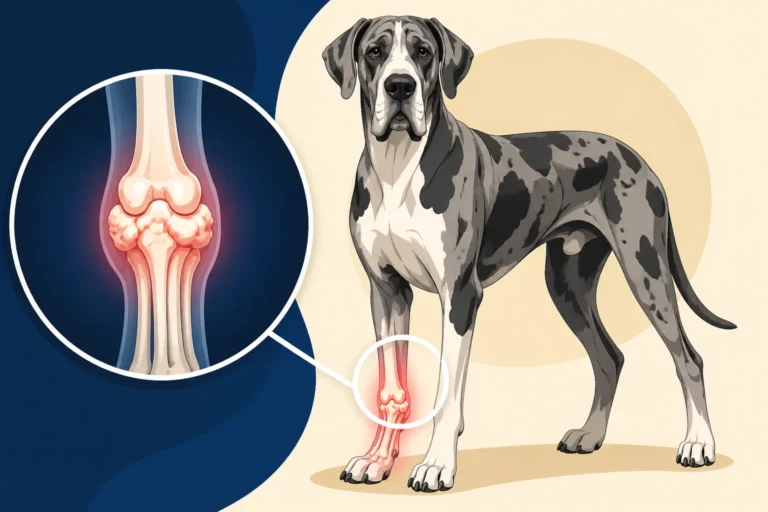
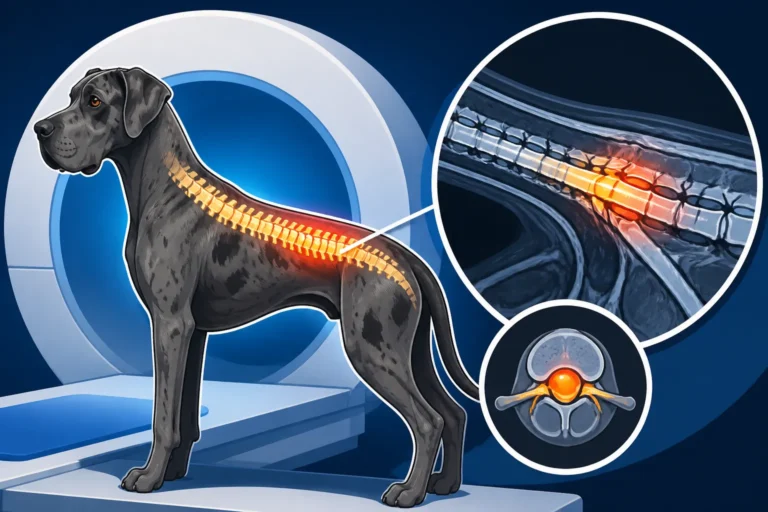
Beyond behavioral shifts, physical signs will become more apparent. Mobility issues are incredibly common in aging giant breeds. You might see increased stiffness, difficulty getting up from a lying position, or a reluctance to climb stairs or jump into the car. A Great Dane That Stumbles on Its Back Legs might be suffering from a neurological issue or severe arthritis. Trembling, especially in their hindquarters, can also indicate weakness or pain.
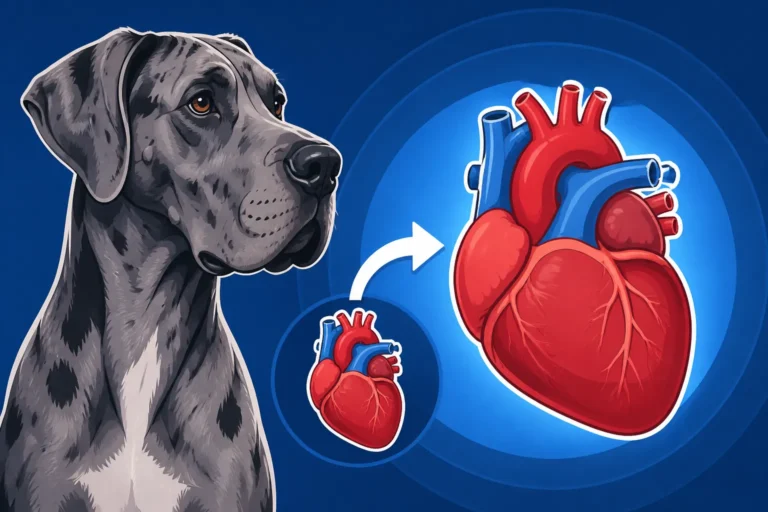
Monitoring their vital functions is also crucial. Changes in breathing patterns, such as increased panting even at rest, or a shallow, rapid breath, could indicate cardiac or respiratory distress. Urinary or fecal incontinence, which can be devastating for a previously house-trained dog, might occur more frequently as they lose muscle control or can't hold it long enough to get outside. Weight loss, despite a seemingly adequate diet, can also be a sign of advanced disease, as their bodies struggle to process nutrients. Keep an eye on their coat condition, too; a dull, dry, or thinning coat can sometimes be an indicator of declining health, or even reveal underlying conditions like A Great Dane That Thickens and Loses Hair due to thyroid issues.
Table: Common Signs of Decline in Senior Great Danes
| Category | Early Signs | Advanced Signs |
|---|---|---|
| Behavioral | Reduced play, increased sleep, less enthusiasm | Social withdrawal, disorientation, clinginess/irritability |
| Appetite | Picky eating, occasional skipped meals | Refusal to eat or drink, significant weight loss |
| Mobility | Stiffness, slower movements, reluctance to jump | Difficulty standing/walking, hindquarter weakness, trembling |
| Hygiene | Less self-grooming, occasional accidents indoors | Frequent incontinence, matted or dirty coat |
| Breathing | Mild panting at rest, slight decrease in stamina | Persistent panting, labored breathing, coughing |
| Overall Demeanor | More quiet, easily startled | Appears unwell, distant gaze, lack of interest in surroundings |
Optimizing Comfort and Safety at Home
Once you start seeing these signs, your primary goal shifts to maximizing comfort and safety. Your home, once a playground, needs to become a sanctuary tailored to their changing needs. This involves thoughtful adjustments to their environment and proactive measures to support their mobility.
Creating a Low-Impact Environment
The sheer size of a Great Dane means every step, every rise, every turn takes effort, especially when they're in pain or weak. Hardwood floors and tile can become treacherous, leading to slips and falls that can cause further injury or distress. Investing in non-slip rugs, runners, or carpet tiles, especially in high-traffic areas and paths to their favorite resting spots, can make a world of difference. These provide much-needed traction and reduce the impact on their aching joints.
Think about their sleeping arrangements. A plush, orthopedic dog bed is no longer a luxury but a necessity. The best beds will offer firm, supportive foam that contours to their body, alleviating pressure points and providing insulation from cold floors. Consider placing multiple beds in different rooms, allowing your Dane to choose where they want to rest without having to travel far. This reduces the need for them to navigate stairs or slippery floors unnecessarily. Ensure their chosen spots are away from drafts but also not too hot, as Great Danes can Overheat Easily.
Enhancing Mobility and Accessibility
Getting up and moving around can become incredibly challenging. Ramps can be invaluable for helping your Dane get into and out of cars, or even up a few steps into the house. Avoid having them use stairs whenever possible. If stairs are unavoidable, consider using a sturdy, supportive sling to assist their hindquarters, taking some of the weight off their weakened limbs. There are many excellent Mobility Aids for a Failing Great Dane available that can make a huge difference in their daily life.
Consider the layout of your home. Can you move their food and water bowls closer to their main resting area? Perhaps even have multiple water bowls around the house to encourage hydration without requiring long walks. Ensure pathways are clear of clutter to prevent trips and falls. If your Dane struggles with depth perception or vision, consistent pathways and minimal changes to furniture placement can help them navigate more confidently. For older Great Danes, especially those facing issues like Great Dane Hips, Elbows and Growing Joints, even small changes can have a huge impact on their comfort and quality of life.
Navigating Pain Management and End-of-Life Care Decisions
This is often the hardest part, dealing directly with their discomfort and eventually making decisions about their quality of life. It requires a close partnership with your veterinarian and an honest assessment of your Dane's condition.
Working with Your Veterinarian on Pain Relief
Your vet is your most important ally during this time. They can assess your Dane's pain levels, which can be difficult for owners to gauge accurately, and prescribe appropriate medications. Non-steroidal anti-inflammatory drugs (NSAIDs) like Rimadyl, Galliprant, or Deramaxx are commonly used to manage arthritis pain. However, long-term use requires monitoring of Kidney and Liver Values in an Old Great Dane as these medications can have side effects. Sometimes, additional pain medications, such as gabapentin or tramadol, might be added to the regimen for more severe or neuropathic pain. Your vet might also discuss alternative therapies, like acupuncture or therapeutic laser, which can offer relief for some dogs.
It’s crucial to administer all medications exactly as prescribed and to communicate any changes in your dog's condition or response to treatment promptly. Don't be afraid to ask questions, voice your concerns, or seek clarification on dosages or potential side effects. The goal is to keep them as comfortable as possible for as long as possible. Many pet owners, myself included, have found peace of mind knowing we're doing everything possible to manage pain effectively, even if the bills add up. This is where having pet insurance, like a plan from Healthy Paws, can truly make a difference, covering a significant portion of these ongoing medical costs and allowing you to focus on care, not just cost.
Understanding When It's Time
This is the conversation every Great Dane owner dreads. Knowing When a Great Dane Is Done is one of the most painful decisions you'll ever make. It's rarely a clear-cut moment but rather a gradual decline in their quality of life. Your vet can help you assess this through various metrics, often using a "quality of life" scale that considers factors like pain, appetite, hydration, hygiene, happiness, and mobility.
It's about observing whether they still find joy in anything – a treat, a gentle petting, a sunny spot. Are their "bad days" starting to outnumber their "good days"? Is their pain manageable, or are you seeing signs of chronic discomfort that no medication can truly alleviate? It’s important to understand that holding on for too long can prolong suffering. Making this decision, while agonizing, is the ultimate act of love and selflessness. It means putting their comfort and dignity above your own desire to keep them with you. Many owners find comfort in knowing they've provided a peaceful passing in a familiar, loving environment, either at home or at the veterinary clinic. Remember, no amount of money, even with the help of Healthy Paws coverage, can buy back a truly lost quality of life.
Providing Sustenance and Love
Even in their final weeks, proper nutrition and unwavering emotional support remain vital. These acts of care reinforce the bond you share and help maintain their dignity.
Gentle Feeding and Hydration Strategies
As your Dane's health declines, their appetite can become erratic. What they loved yesterday, they might turn their nose up at today. This can be incredibly frustrating when you know they need to eat. Offer small, frequent meals of highly palatable foods. This might mean human foods like cooked chicken, scrambled eggs, plain rice, or cottage cheese – whatever tempts them. Warm their food slightly to enhance the aroma. If they're struggling to chew, blend their food into a gruel. Sometimes, a special prescription diet from your vet designed for convalescing animals might be helpful. Remember, at this stage, calories and comfort often trump strict dietary rules.
Hydration is just as important. Offer water frequently, even using a syringe or dropper if they're too weak to drink from a bowl. You can add a little low-sodium chicken broth to water to make it more appealing. Ice chips can also be a refreshing treat for a dog who's struggling. If your Dane is severely dehydrated and unable to drink, your vet might recommend subcutaneous fluids given at home, which can significantly improve their comfort. It's not uncommon for an old Dane to have struggles to chew their kibble, so soft, appealing foods are key.
The Importance of Emotional Connection
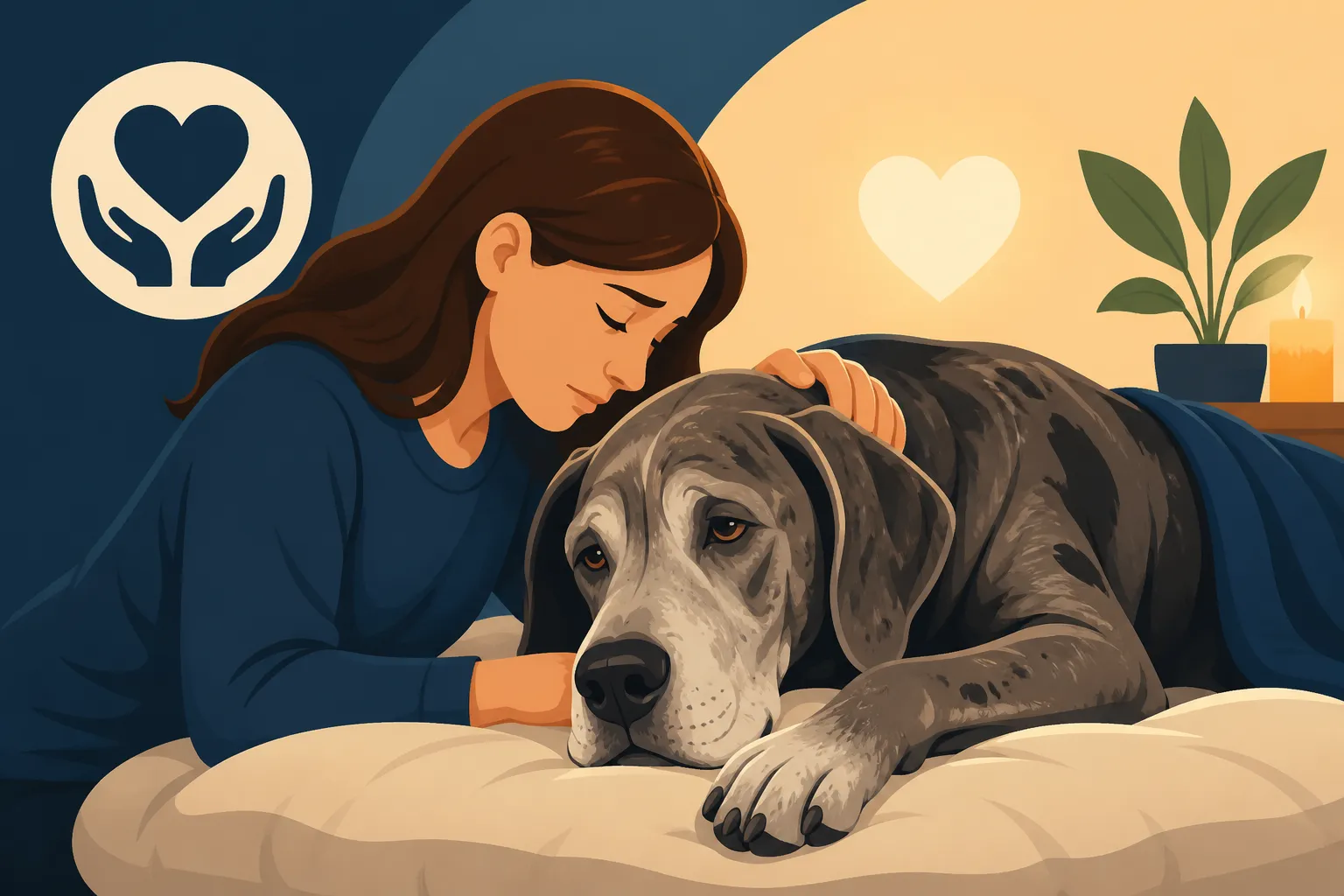
Your presence and touch are perhaps the most vital comfort you can offer. Great Danes are deeply sensitive and tuned into their owners' emotions. Even if they are less active, they still crave your love and attention. Spend quiet time with them, petting them gently, talking to them in a soft voice, or simply lying beside them. These moments are precious for both of you.
Maintain a routine as much as possible, as predictability can be comforting for an ailing dog. If they still enjoy short, slow walks, continue them, adapting to their pace. Even just a few minutes in the yard, sniffing familiar scents, can bring them a sense of normalcy and joy. For many of us, our Great Danes are family, and these last weeks are an opportunity to show them the depth of our love and gratitude for everything they've given us. The love you share isn't something that fades, and knowing you've provided comfort and peace at the end of their journey is a solace that stays with you.
Disclaimer
This article is for general informational purposes only and does not constitute professional advice. Laws, prices and regulations vary by location and change over time. Consult a qualified professional for guidance on your specific situation.