Caring for a Great Dane Past Six
Watching your beloved Great Dane reach their golden years is a bittersweet journey. While their puppy exuberance might have mellowed, new challenges often emerge as they age, from creaky joints to changes in appetite and energy levels. This comprehensive guide will walk you through the specifics of caring for your senior Great Dane, ensuring their comfort, health, and happiness in their twilight years.
Understanding the Great Dane Senior Years
It’s a tough truth that Great Danes, like many giant breeds, experience a compressed lifespan compared to smaller dogs. While it feels like they just left puppyhood, a Great Dane is considered a senior much earlier than you might expect, bringing with it a unique set of care considerations.
When a Great Dane Enters Seniority
For a Great Dane, "senior" isn't a badge they earn at seven or eight years old like a smaller dog might. Most vets and Great Dane enthusiasts consider these magnificent giants to be seniors starting around five or six years of age. This earlier entry into seniority means that changes in their health and behavior can begin to manifest sooner, and as owners, we need to be proactive in adapting their care. It’s a bit of a shock, really, to think of a six-year-old dog as "old," especially when they still have so much love and life to give. But recognizing this early transition is key to providing them with the best possible support.
The physical and metabolic changes that define seniority, such as a slowing metabolism, decreased joint cartilage, and a higher risk for age-related diseases, accelerate rapidly in larger breeds. This means that a six-year-old Great Dane might already be showing subtle signs of conditions typically seen in much older smaller dogs. Understanding The Seven to Ten Year Great Dane Lifespan helps set realistic expectations and emphasizes the importance of early detection and intervention in their later years. It's not about dwelling on the inevitable, but about maximizing the quality of the years you have together.
Why Great Danes Age Faster
The accelerated aging process in Great Danes is largely attributed to their massive size and rapid growth rate. Their bodies undergo tremendous strain from the moment they are born, growing at an astonishing pace from tiny puppies to towering adults in a short span of time. This rapid growth can put a significant burden on their skeletal system, cardiovascular system, and other organ functions over their lifetime. The metabolic rate required to sustain such a large body also plays a role. Think of it like a finely tuned, powerful engine that runs at a higher stress level throughout its operational life; it naturally experiences wear and tear more quickly.
The science behind Why a Great Dane Ages Faster Than Smaller Dogs points to a combination of genetic factors and physiological demands. Their sheer body mass means their hearts work harder, their joints bear more weight, and their cells divide more rapidly, potentially leading to a higher incidence of cellular errors and diseases like cancer. This isn't to say all Great Danes are destined for early decline, but it highlights why we must be extra vigilant in their senior years. It truly puts into perspective why every year with them is so precious, and why their care needs to evolve significantly once they hit that five or six-year mark.
Navigating Mobility Challenges in Older Danes
One of the most common and heartbreaking changes we see in senior Great Danes is the decline in their mobility. Their large frames, once so powerful and agile, can become stiff, slow, and sometimes painful. It's tough to watch them struggle with activities they once did with ease, like hopping onto the couch or getting up after a nap.
Addressing Arthritis and Joint Pain
Arthritis, or osteoarthritis, is almost an inevitability for many large breed dogs as they age, and Great Danes are no exception. The cumulative wear and tear on their joints over years of supporting their immense weight can lead to inflammation, pain, and reduced range of motion. You might notice your Great Dane being reluctant to jump, a slower gait, difficulty with stairs, or even a subtle limp, especially after resting. This isn't just "slowing down"; it's a sign of discomfort that needs to be addressed. Early intervention is crucial here to maintain their quality of life.
Managing Arthritis in a Six-Year-Old Great Dane involves a multi-faceted approach. Your vet might recommend a combination of anti-inflammatory medications, such as NSAIDs, to reduce pain and inflammation. Beyond pharmaceuticals, there are many supportive therapies that can make a huge difference. Joint supplements containing glucosamine, chondroitin, and MSM can help support cartilage health, though consistency is key. Additionally, physical therapy, hydrotherapy, or even acupuncture can provide significant relief by improving muscle strength, flexibility, and overall comfort. Maintaining a healthy weight is also paramount, as every extra pound adds strain to already compromised joints.
Supporting Mobility with Aids and Environment
As arthritis progresses, or if other conditions like Wobbler's Syndrome (cervical spondylomyelopathy) develop, your senior Great Dane might benefit immensely from mobility aids. It can feel strange at first, but these tools are designed to extend their comfortable years with you. Ramps, for instance, can replace steps or allow easier access into a car, preventing painful jumps or strains. Harnesses with handles, like the Help'EmUp Harness or the Ruffwear Web Master, can give you the leverage needed to assist your Dane in standing up, navigating stairs, or getting in and out of the car. These are particularly useful if your dog has weakness in their hindquarters or front legs.
Beyond specific aids, creating a supportive home environment is essential. Laying down non-slip rugs or runners on slick floors can prevent slips and falls, which can be devastating for an arthritic dog. Ensuring they have easily accessible, comfortable orthopedic bedding is also critical for pressure point relief and joint support. Soft, memory foam beds that are thick enough to prevent them from "bottoming out" are a worthwhile investment. For dogs with significant rear-end weakness, a dog wheelchair, though a big step, can offer an incredible boost to their independence and allow them to enjoy walks again. While the initial investment might seem significant, companies like Healthy Paws pet insurance often help with the costs of these mobility aids and physical therapy, making these essential tools more accessible for families.
Tailoring Nutrition for the Aging Giant
Just as our own dietary needs change as we age, so do those of our Great Danes. What fueled their boundless puppy energy or sustained their adult muscle mass might not be the ideal diet for their senior years. Their metabolism slows, activity levels decrease, and specific health concerns often arise, all of which influence their nutritional requirements.
Adjusting Caloric Intake and Protein Levels
As Great Danes transition into their senior years, their activity levels typically decrease. This means they burn fewer calories throughout the day, and if their caloric intake remains the same, weight gain can become a real problem. Excess weight puts additional strain on already aging joints and can exacerbate conditions like arthritis, making mobility even more challenging. Therefore, it's often necessary to slightly reduce their daily caloric intake to prevent unhealthy weight gain. However, this isn't a one-size-fits-all reduction; it needs to be done thoughtfully.
At the same time, maintaining adequate protein levels is crucial for senior Danes. While a lower-calorie diet is often needed, senior dogs still require sufficient protein to maintain muscle mass. Sarcopenia, the age-related loss of muscle, is common in older dogs, and feeding a diet with high-quality, digestible protein can help mitigate this. Look for foods specifically formulated for senior large breeds, which often strike this balance. These diets typically have a slightly lower calorie count but maintain excellent protein content to support muscle and overall body condition. Regular weigh-ins and body condition scoring, often done at your vet visits, will help you determine the right balance. You want to ensure your Dane remains lean but not underweight, as being too thin can also have its own set of health issues.
Incorporating Joint and Organ Support Supplements
Beyond their base diet, many senior Great Danes benefit greatly from targeted nutritional supplements. As mentioned, joint supplements like glucosamine, chondroitin, and MSM are almost universally recommended to support cartilage health and reduce inflammation. These aren't magic bullets, but consistent use can certainly help manage the discomfort associated with arthritis. Omega-3 fatty acids, particularly EPA and DHA from fish oil, are also incredibly beneficial for their anti-inflammatory properties, supporting both joint health and overall skin and coat quality.
Furthermore, as organs like the kidneys and liver start to age, they may benefit from specific dietary support. Some senior dog foods include ingredients aimed at supporting kidney and liver function, such as reduced phosphorus or easily digestible proteins. Antioxidants like Vitamin E and C can also help combat oxidative stress on cells. Before adding any supplements, it’s always best to consult with your veterinarian. They can help you choose the right supplements and dosages based on your individual Great Dane’s health status, ensuring you're not inadvertently causing harm or interfering with other medications. This holistic approach to Feeding and Grooming an Old Great Dane truly enhances their quality of life.
Monitoring Organ Health and Common Senior Illnesses
The golden years often bring with them an increased susceptibility to various health conditions. For Great Danes, whose lifespan is already condensed, being vigilant about potential health issues as they age is paramount. Early detection and proactive management can significantly extend their comfortable years.
Recognizing Signs of Heart Disease
Great Danes are unfortunately predisposed to certain heart conditions, most notably Dilated Cardiomyopathy (DCM). This is a progressive disease where the heart muscle weakens and thins, leading to an enlarged heart that struggles to pump blood effectively. Early Heart Signs in a Great Dane can be subtle and easily missed in the initial stages. You might notice your senior Dane becoming winded more easily during walks, showing a decreased tolerance for exercise, or having a soft, persistent cough, especially at night. Some might even experience fainting spells (syncope).
Regular veterinary check-ups become even more critical for monitoring heart health. Your vet might recommend yearly cardiac screenings, including an echocardiogram (ultrasound of the heart) and a Holter monitor (a wearable ECG device for 24-hour heart rhythm monitoring), especially from middle age onwards. If DCM is diagnosed, medications like Pimobendan for a Great Dane can help improve heart function and quality of life. While DCM is a serious condition, with careful management and medication, many Great Danes can still live comfortably for a significant period after diagnosis. Consistent monitoring and following your vet's advice are essential.
Addressing Kidney and Liver Function
As dogs age, their kidneys and liver, vital organs for filtering waste and processing nutrients, can become less efficient. Regular bloodwork, specifically screening for Kidney and Liver Values in an Old Great Dane, is a crucial part of senior wellness exams. Elevated kidney values (BUN, creatinine, phosphorus) can indicate kidney disease, while changes in liver enzymes (ALT, ALP) might signal liver issues. Catching these changes early allows for dietary modifications, medication, or supplements to support organ function and slow disease progression.
Signs of declining kidney function can include increased thirst and urination, decreased appetite, weight loss, and lethargy. Liver disease might manifest with similar signs, along with vomiting, diarrhea, jaundice (yellowing of gums or eyes), or increased fluid retention. Your vet might recommend a therapeutic diet specifically formulated for kidney or liver support, which often involves controlled protein levels and other specific nutrients. Maintaining good hydration is also vital for kidney health. Again, early and regular veterinary screening is your best tool to catch these issues before they become severe. Pet insurance like Healthy Paws can be a real lifesaver when it comes to the ongoing diagnostics and specialized prescription foods often required for these chronic conditions.
Spotting Cancer Early
Sadly, cancer is a leading cause of death in Great Danes, and the risk increases significantly with age. Osteosarcoma (bone cancer) is particularly prevalent in the breed, often affecting the long bones of the legs. Other common cancers include lymphoma, hemangiosarcoma, and mast cell tumors. Being aware of the potential signs and seeking prompt veterinary attention can make a difference in outcomes.
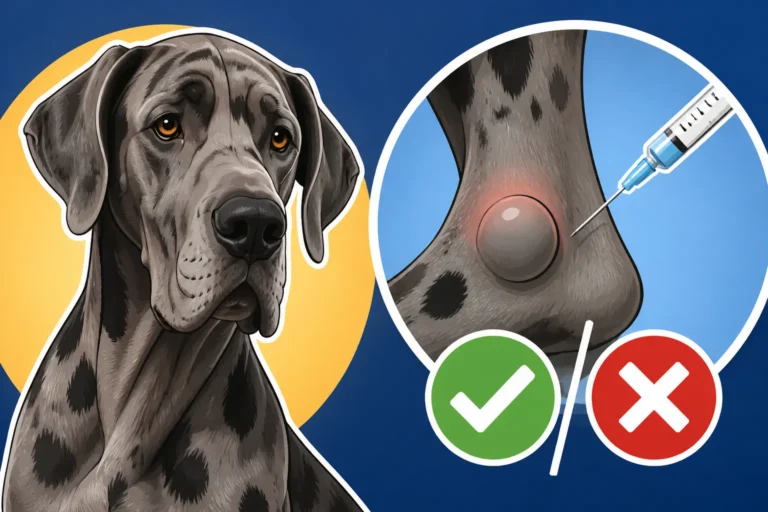
Signs of cancer can be varied and non-specific. For osteosarcoma, a persistent limp that doesn't resolve, swelling in a limb, or unexplained pain can be indicators. Other warning signs include unexplained weight loss, loss of appetite, lethargy, new lumps or bumps (especially if rapidly growing or changing), chronic vomiting or diarrhea, or difficulty breathing. During your regular wellness checks, your vet will perform a thorough physical exam, palpating for lumps and assessing any changes. If anything suspicious is found, further diagnostics like X-rays, blood tests, or biopsies will be recommended. While a cancer diagnosis is terrifying, advances in veterinary oncology mean that treatments like surgery, chemotherapy, and radiation can offer extended quality of life for many dogs. Being observant at home and proactive with vet visits gives your Dane the best chance.
Maintaining Mental Well-being and Comfort
Physical health isn't the only concern for senior Great Danes; their mental and emotional well-being are just as important. Cognitive decline, changes in sleep patterns, and increased anxiety can all impact their comfort and happiness. Providing a supportive and stimulating environment is key to keeping their minds sharp and spirits high.
Addressing Cognitive Decline and Behavioral Changes
Just like people, dogs can experience cognitive decline as they age, often referred to as Canine Cognitive Dysfunction (CCD). This can manifest as disorientation (getting "stuck" in corners, staring blankly), changes in social interaction (less interest in playing, becoming withdrawn or more clingy), altered sleep-wake cycles (pacing at night, sleeping more during the day), house-soiling accidents, and changes in activity levels or learning ability. It can be confusing and frustrating for owners, but understanding it as a medical condition rather than "just getting old" is crucial.
Managing CCD involves a combination of strategies. Maintaining a consistent routine can help reduce confusion and anxiety. Gentle, regular mental stimulation through puzzle toys, short training sessions, or exploring new, safe environments can help keep their brains active. Dietary supplements containing antioxidants, omega-3s, and specific nutrients like medium-chain triglycerides (MCTs) can also support brain health. Some veterinarians might prescribe medications that help manage the symptoms of CCD. Most importantly, patience and understanding are paramount. Your senior Dane isn't acting out; they're genuinely struggling, and they need your continued love and support more than ever.
Ensuring a Calm and Safe Environment
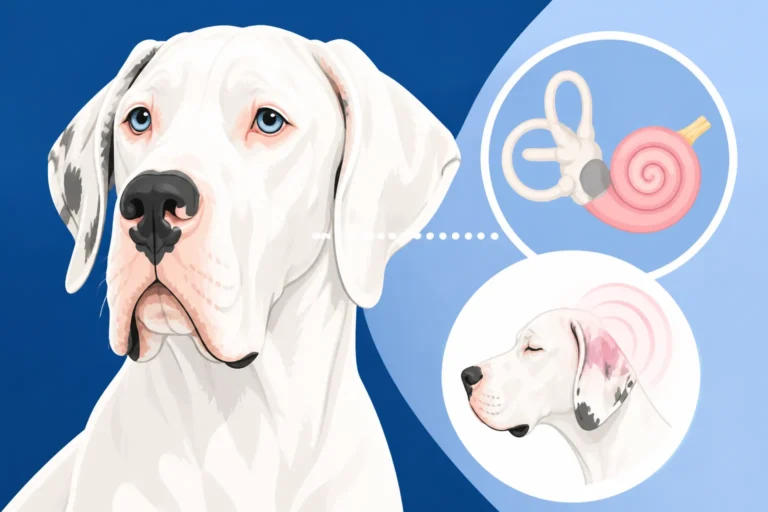
A senior Great Dane needs a home environment that prioritizes their comfort, safety, and peace of mind. As their senses (sight, hearing) may decline, and their mobility becomes limited, sudden changes or loud noises can be more unsettling. Creating a predictable and serene atmosphere helps reduce stress and anxiety. Provide them with their own quiet space, perhaps a large, soft bed in a less trafficked area, where they can retreat and feel secure.
Beyond comfort, safety adjustments are essential. If their vision is poor, avoid rearranging furniture to prevent collisions. Block off dangerous areas like steep stairs if they struggle to navigate them. As their balance and strength diminish, they might be more prone to slips and falls, so ensuring non-slip surfaces throughout the house is important. Consider night lights for Danes who get disoriented in the dark. Regular, gentle interaction and reassurance are also vital. They might lean on you more, seeking comfort and connection, which is a beautiful part of Living With a Great Dane That Leans on You. Your steady presence is a huge source of security for them as they navigate the changes of old age.
Routine Veterinary Care for Your Senior Great Dane
When your Great Dane reaches their senior years, their veterinary care routine needs to shift from a focus on prevention and basic health to more detailed monitoring and proactive management of age-related conditions. Twice-yearly vet visits become the gold standard, allowing for earlier detection of potential issues.
The Importance of Bi-Annual Check-ups
For senior Great Danes, annual vet visits simply aren't enough. Many age-related conditions, from heart disease to kidney problems or cancer, can progress rapidly in a six-month period. Bi-annual (twice-yearly) check-ups allow your veterinarian to catch subtle changes sooner, often before symptoms become obvious to you at home. This early detection can be critical for successful treatment and better management of chronic conditions. During these visits, your vet will perform a thorough physical exam, checking for new lumps, assessing joint health, listening to their heart and lungs, and evaluating their overall body condition.
These more frequent visits also provide opportunities to discuss any behavioral changes, new lameness, changes in appetite or thirst, and to adjust medications or supplements as needed. It's a chance to build a comprehensive picture of your senior Dane's health, allowing for proactive rather than reactive care. This proactive approach can lead to a better quality of life and potentially extend their comfortable years. Regular communication with your vet about any concerns, no matter how minor they seem, is key to maximizing the benefits of these essential check-ups.
Comprehensive Senior Blood Panels and Diagnostics
Beyond the physical exam, comprehensive senior blood panels are a cornerstone of bi-annual check-ups for older Great Danes. These tests provide invaluable insights into the internal workings of their body, often revealing issues before they present with outward signs. A typical senior panel includes a complete blood count (CBC) to check for anemia, infection, and other blood disorders, as well as a chemistry panel to evaluate organ function, including kidney and liver enzymes, glucose levels, and electrolytes. A thyroid panel is also often included, as hypothyroidism can be common in Great Danes and can mimic other age-related issues.
Urinalysis is another crucial diagnostic tool, providing information about kidney function, hydration status, and checking for urinary tract infections or diabetes. Depending on your Dane's specific health profile and breed predispositions, your vet might also recommend more specialized diagnostics. For example, regular Screening a Great Dane's Heart Each Year with echocardiograms is vital due to the breed's high incidence of DCM. Regular radiographs (X-rays) might be used to monitor arthritic changes or screen for certain cancers. While these diagnostics add to the cost of care, remember that Healthy Paws, or similar pet insurance, can significantly alleviate the financial burden, allowing you to make medical decisions based on what’s best for your dog, not just your wallet. Investing in these tests is an investment in your senior Dane's comfort and longevity.
Creating a Supportive Home Environment
As your Great Dane transitions into their senior years, their physical and mental needs will change. Adapting your home environment to meet these evolving requirements is crucial for their comfort, safety, and overall well-being. A supportive home can make a significant difference in their quality of life.
Comforting Bedding and Accessible Spaces
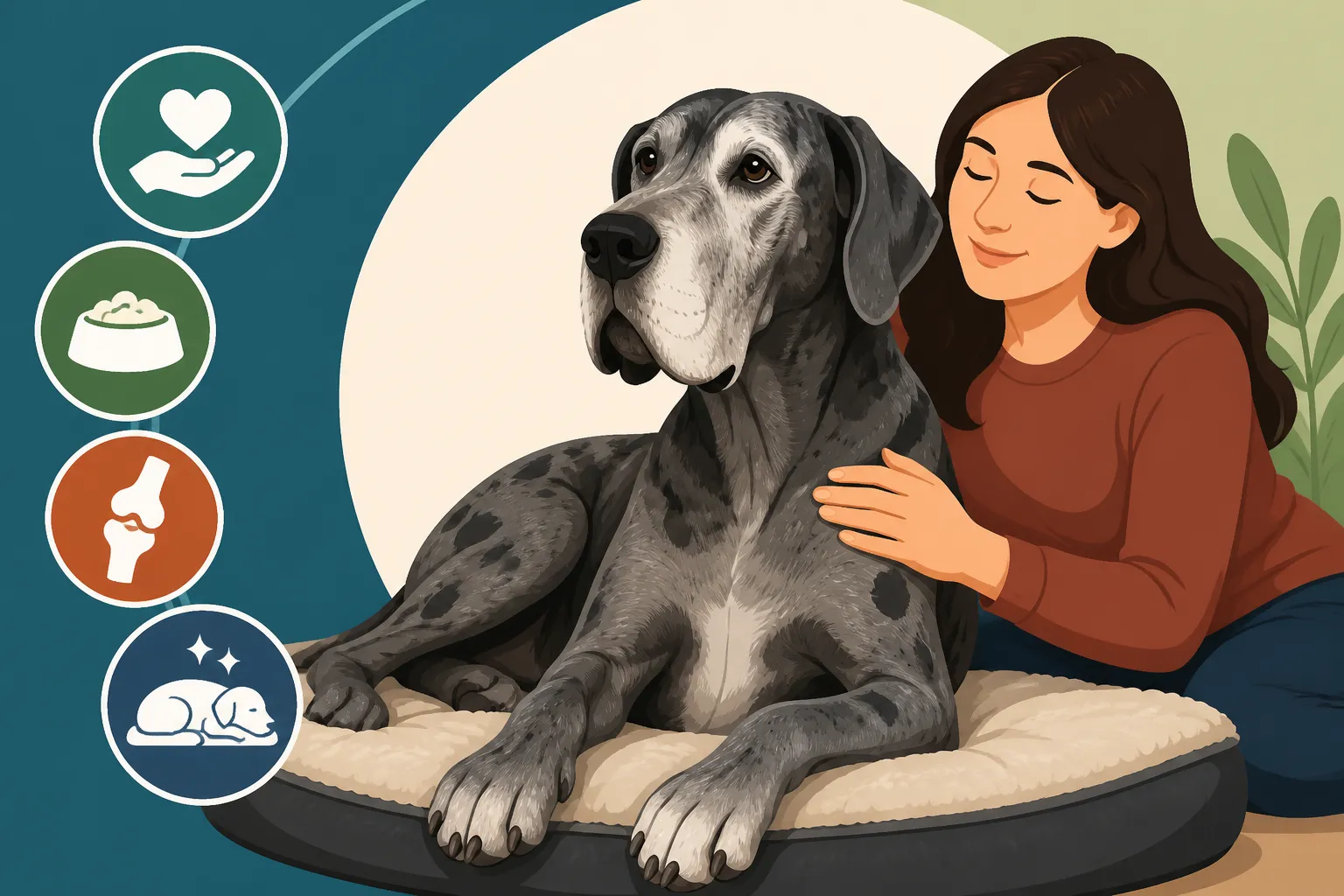
A good quality orthopedic bed is not a luxury, but a necessity for a senior Great Dane. Their large, heavy bodies put immense pressure on their joints and bony prominences, especially when lying down. A firm, supportive memory foam bed, thick enough to prevent them from sinking to the floor, will provide cushioning and relieve pressure points, helping to prevent uncomfortable calluses and painful stiffness. Consider having multiple comfortable resting spots throughout the house so they don't have to travel far to find a soft place to lie down. Raised beds can also be beneficial as they offer support and keep them off cold, hard floors, making it easier for them to get up.
Accessibility is key. If your Great Dane struggles with stairs, consider blocking them off or installing a ramp. Providing non-slip mats or runners on hardwood, tile, or laminate floors can prevent dangerous slips and falls, which can easily lead to serious injuries in large, elderly dogs. Ensure their food and water bowls are easily accessible and at a comfortable height – raised bowls are often recommended for Great Danes, though opinions vary on their impact on bloat risk, for senior Danes, they can certainly ease neck strain. Having a dedicated, quiet space where they can retreat from household commotion is also important, especially if their hearing or vision is declining, making them more easily startled.
Managing Environmental Challenges
Beyond basic comfort, managing potential environmental challenges is crucial for a senior Great Dane. As their mobility decreases, they may find it harder to get up from slippery surfaces or navigate crowded areas. Keep pathways clear of obstacles to reduce tripping hazards. If they have vision impairment, avoid moving furniture unnecessarily, as a consistent layout helps them navigate by memory. For dogs with declining hearing, approaching them gently and visually signaling your presence can prevent startling them.
Temperature regulation can also become more challenging for older dogs. Ensure they have access to cool, shaded areas in summer and warm, draft-free spots in winter. A thin, elderly Dane might feel the cold more acutely, so a comfortable, lightweight sweater or jacket for outdoor excursions in cooler weather might be appreciated. If your senior Dane is becoming incontinent, protective coverings for their beds and frequent outdoor breaks are essential to maintain hygiene and dignity. The goal is to anticipate their needs and proactively modify their environment to prevent discomfort, injury, and stress.
End-of-Life Considerations and Quality of Life
Facing the reality of your Great Dane's final chapter is incredibly difficult. It's a journey filled with love, grief, and often, tough decisions. Preparing for this stage and focusing on their quality of life can help both you and your beloved companion navigate it with grace and peace.
Assessing Quality of Life
One of the hardest aspects of caring for a senior Great Dane is knowing when their quality of life has diminished to an unacceptable point. This isn't a single event but a process that unfolds, requiring honest and frequent assessment. Your veterinarian can provide invaluable guidance, but ultimately, you, the owner, are the expert on your dog's daily happiness and comfort. Pay attention to their "good days" versus "bad days." Are the good days still outweighing the bad? Are they still finding joy in their favorite activities, even if modified?
Consider key indicators: their appetite and thirst, their ability to move comfortably (even with assistance), their engagement with you and their surroundings, their ability to manage bodily functions, and whether they are experiencing chronic, unmanageable pain. Tools like the HHHHHMM scale (Hurt, Hunger, Hydration, Hygiene, Happiness, Mobility, More Good Days Than Bad) can provide a structured way to evaluate their well-being. The conversation around Knowing When a Great Dane Is Done is never easy, but it’s a compassionate one, focusing on preventing prolonged suffering. It's about prioritizing their comfort and dignity above all else.
Preparing for Final Decisions and Grief
Having open and honest conversations with your veterinarian about your Great Dane's prognosis and potential end-of-life care options is crucial. Discuss pain management strategies, palliative care, and when euthanasia might become the most humane choice. Understanding these options beforehand can help you make decisions without added emotional pressure in a crisis. Some vets offer hospice care, helping you manage your Dane's comfort at home for as long as possible. Many pet owners find it helpful to consider financial aspects during this time; while heartbreaking, Healthy Paws might cover some end-of-life care, alleviating stress.
The grief that accompanies the loss of a Great Dane is profound. They are truly members of our family, and their immense presence leaves an equally immense void. Allow yourself to grieve. There are many resources available, from pet loss support groups to online communities, that can provide comfort and understanding during this incredibly difficult time. Remembering the joy and love they brought into your life, and knowing you provided them with comfort and peace through their final days, is a testament to the incredible bond you shared. Nursing a Great Dane Through Its Last Weeks is an act of profound love, and the emotional toll is real, but so is the solace of a life well-lived and loved.
| Common Senior Great Dane Health Concerns | Typical Signs to Watch For | Management Strategies |
|---|---|---|
| Arthritis/Joint Pain | Difficulty standing/walking, limping, stiffness after rest, reluctance to jump/use stairs, crying out when touched | Pain medication (NSAIDs), joint supplements (glucosamine/chondroitin), physical therapy, orthopedic bedding, ramps, weight management |
| Dilated Cardiomyopathy (DCM) | Decreased exercise tolerance, persistent cough (especially at night), lethargy, fainting, increased breathing rate | Regular cardiac screenings (echo/Holter), heart medications (e.g., Pimobendan), special diets, limited exercise |
| Kidney Disease | Increased thirst/urination, decreased appetite, weight loss, vomiting, lethargy | Regular blood/urine tests, prescription kidney diet, fluid therapy, medications to manage symptoms |
| Cancer (e.g., Osteosarcoma) | Unexplained limping, swelling on limbs, weight loss, lethargy, new lumps/bumps, chronic vomiting/diarrhea | Early detection via exams/imaging, surgery, chemotherapy, radiation, pain management |
| Cognitive Dysfunction (CCD) | Disorientation, altered sleep cycles, house soiling, changes in interaction, anxiety, pacing | Consistent routine, mental stimulation, supplements (antioxidants, MCTs), medications, patience |
| Vision/Hearing Loss | Bumping into objects, startle response, ignoring commands, difficulty locating objects | Consistent home layout, gentle communication, clear pathways, night lights |
Disclaimer
This article provides general information and recommendations for caring for a senior Great Dane and should not be considered a substitute for professional veterinary advice. Always consult with your veterinarian for accurate diagnosis and treatment plans tailored to your individual dog's health needs.