Whether a Great Dane Puppy Should Be Kept Lean
It's a common dilemma for Great Dane puppy parents: you want your magnificent giant to grow big and strong, but you're also constantly told to keep them "lean." This often leads to confusion, anxiety about feeding, and the nagging worry that you might be doing something wrong. This guide aims to demystify what "lean" truly means for a growing Great Dane puppy, why it’s so important, and how you can achieve it for a healthier, happier life for your furry companion.
The Critical Balance of Great Dane Puppy Growth
Bringing home a Great Dane puppy is an exciting time, full of dreams of a majestic, gentle giant. However, many new owners, and even some seasoned ones, can get caught up in the idea that bigger is always better, pushing their puppies to grow as fast as possible. This mindset, unfortunately, can pave the way for a lifetime of health challenges. Great Danes aren't like smaller breeds where a plump puppy is just "cute"; for these magnificent giants, growth needs to be a slow, controlled journey.
Why "Fast Growth" is a Red Flag for Great Danes
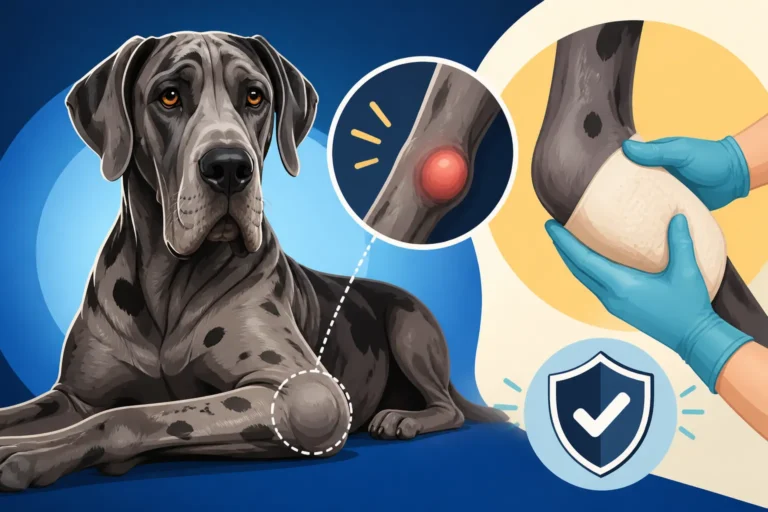
Imagine a skyscraper being built too quickly, without proper time for the foundation and structural elements to cure and settle. That's essentially what happens to a Great Dane puppy when its growth is accelerated. Their bones, joints, and ligaments are designed to support an immense amount of weight, but this development needs to happen at a controlled pace. Rapid growth, often fueled by overfeeding or inappropriate nutrition, places undue stress on immature skeletal structures. Their growth plates, the soft, cartilaginous areas at the ends of long bones that are responsible for increasing bone length, are particularly vulnerable. When these plates are forced to grow too quickly, they can become inflamed, damaged, or develop abnormally, leading to painful and often debilitating conditions. This is a primary reason why you hear about issues with Great Dane Hips, Elbows and Growing Joints.
We're talking about serious developmental orthopedic diseases (DODs) here, not just minor aches and pains. Conditions like osteochondritis dissecans (OCD), panosteitis (Pano), and even aspects of hip and elbow dysplasia are strongly linked to how quickly a giant breed puppy grows. It's a cruel irony that trying to make your Great Dane "big" as a puppy can actually lead to them being less capable, and certainly less comfortable, as an adult. Breeders and veterinarians constantly stress this point: Why Fast Growth Wrecks Great Dane Joints. It's not about denying your puppy nutrients; it's about providing the right kind and right amount of nutrients to support gradual, healthy development.
The Ideal Growth Curve: Slow and Steady Wins the Race
So, if fast growth is bad, what does healthy growth look like? For a Great Dane, it's a slow and steady progression, not a dramatic surge. You want a puppy that is consistently gaining weight and height, but without periods of sudden, rapid increase that outpace the development of their supporting structures. The goal is to reach their adult size and weight at a natural, unforced rate, often taking up to 18-24 months to fully mature.
Monitoring this isn't about meticulously weighing your puppy every day or stressing over every ounce. It's more about visual assessment and regular check-ups with your vet. A healthy growth rate means your puppy should generally be able to move freely and comfortably, without stiffness or lameness. Their body condition should remain lean, allowing you to feel their ribs easily without seeing them sharply defined, and observe a distinct waist when viewed from above. While specific weights can vary, understanding What a Great Dane Puppy Should Weigh at Four Months can give you a general benchmark, but it's more about their overall condition than a precise number on the scale.
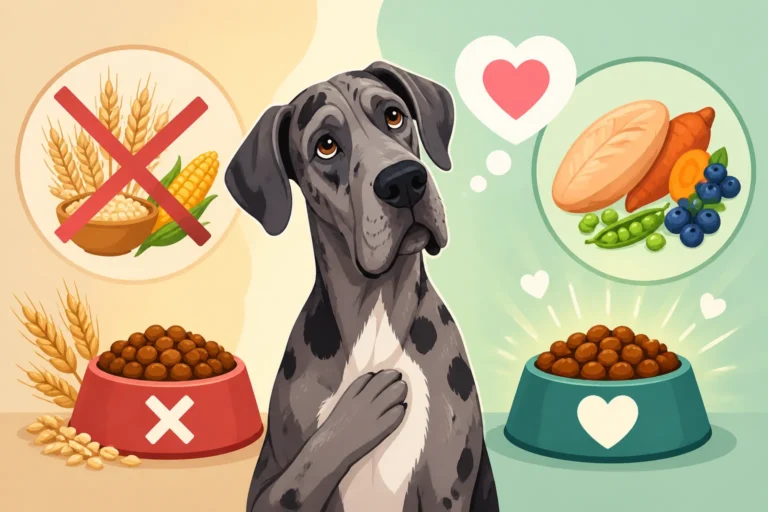
The cornerstone of this slow and steady approach is proper nutrition. This means feeding a high-quality, large or giant breed specific puppy food. These formulas are specifically designed with lower protein, fat, and calcium levels compared to regular puppy foods, precisely to prevent accelerated growth. The idea isn't to starve them, but to provide nutrient-dense food that supports healthy bone and muscle development without encouraging rapid linear growth. Always consult with your veterinarian to ensure your puppy's diet is appropriate and that you're managing their growth effectively, especially if you're concerned about Whether a Great Dane Puppy Is Growing Too Fast.
Understanding "Lean" in a Great Dane Puppy
The term "lean" can be confusing because it conjures images of an underweight or skinny dog, which is certainly not what we're aiming for. For a Great Dane puppy, "lean" means healthy, athletic, and without excess body fat that would place strain on their developing joints. It's about finding that sweet spot where they have ample energy and are thriving, but aren't carrying any unnecessary weight.
What "Lean" Actually Looks Like (and Doesn't Look Like)
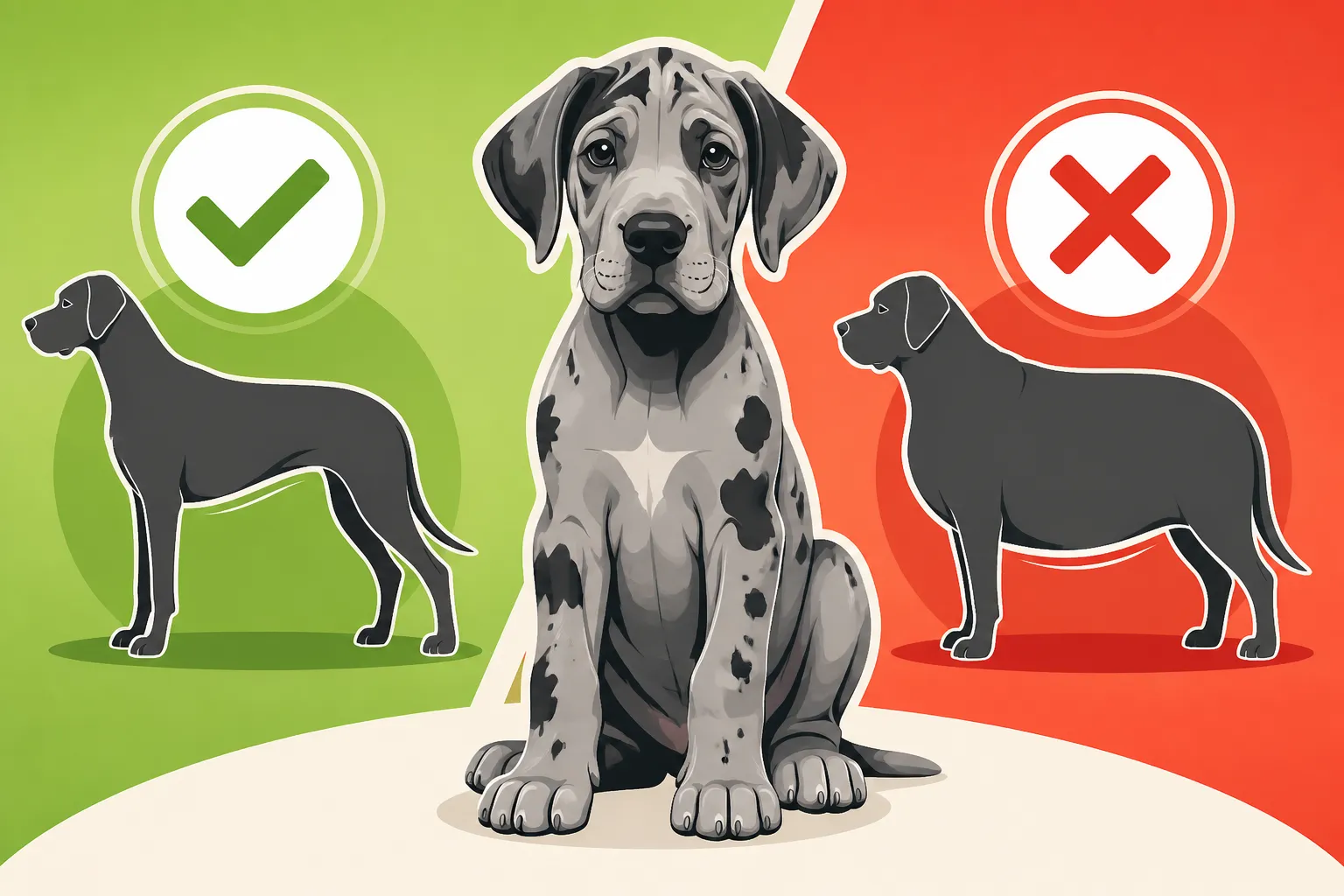
Visualizing "lean" is key. We often use a Body Condition Score (BCS) chart, typically on a 1-5 or 1-9 scale, where an ideal score is around 4-5 on a 9-point scale. For a Great Dane puppy, being on the leaner side of this ideal is preferable. What does that mean in practical terms?
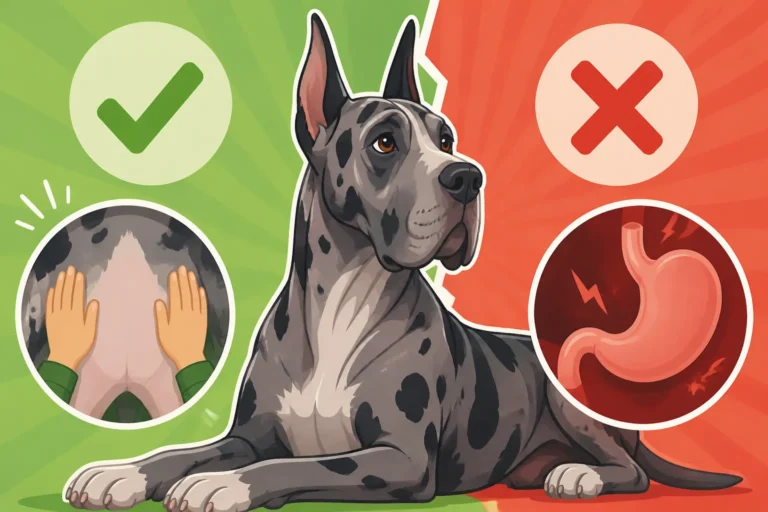
- Ribs: You should be able to easily feel your puppy's ribs when you run your hands along their sides, much like feeling the knuckles on the back of your hand. You shouldn't see them prominently poking out, but they shouldn't be hidden under a layer of fat either. If you can't feel them without pressing, your puppy is likely carrying too much weight. This "rib test" is a great, simple way of Reading Ribs on a Great Dane.
- Waist: From above, your puppy should have a discernible waistline, an hourglass shape where the body tucks in behind the ribs.
- Abdominal Tuck: When viewed from the side, their belly should tuck up slightly from their chest, not hang low or be straight across.
It's crucial to debunk the myth that a Great Dane puppy needs to be "chunky" or "fat" to grow into a large adult. In fact, the opposite is true. A chunky puppy is a puppy at higher risk for joint issues, not a healthier one. While it's tempting to want to see a big, robust puppy, remember that their health in adulthood depends on careful, controlled growth now. Don't fall into the trap of thinking a visibly plump puppy is a sign of good health – it's often a precursor to Growth Disorders in a Great Dane Puppy and other long-term problems.
The Dangers of Overfeeding and Underfeeding
Achieving that "lean" body condition is a careful balancing act, and both extremes—overfeeding and underfeeding—come with their own significant risks.
Overfeeding Risks:
This is the more common pitfall for Great Dane owners, driven by the understandable desire to see their puppy thrive. However, overfeeding can lead to:
- Rapid Growth: As discussed, this stresses developing growth plates and increases the likelihood of orthopedic diseases like OCD, hip and elbow dysplasia, and panosteitis.
- Obesity: Even in puppyhood, excess weight puts immense strain on immature joints, contributing to pain and accelerating the onset of arthritis later in life. Obesity also carries other health risks like diabetes and heart problems.
- Nutritional Imbalances: Often, overfeeding means an excess of certain nutrients, particularly calcium, which can paradoxically interfere with proper bone development in giant breeds. It’s a common misconception that more calcium is better for growing bones, but for Great Danes, too much can be detrimental.
Underfeeding Risks:
While less common, underfeeding is also a concern, though usually easier to correct.
- Nutrient Deficiencies: Not providing enough food means a lack of essential vitamins, minerals, and calories necessary for healthy development, impacting bone growth, muscle mass, and organ function.
- Stunted Growth: While controlled growth is good, true stunting due to inadequate nutrition can lead to a smaller, weaker adult dog.
- Weakened Immune System: A puppy not receiving enough sustenance will have a compromised immune system, making them more susceptible to illnesses.
The key is balance. Your puppy needs adequate, but not excessive, nutrition to grow at a rate that allows their skeletal system to mature properly. It's about providing the right fuel for optimal development, not trying to supersize them.
Practical Feeding Strategies for a Lean Great Dane Puppy
Now that we understand why lean is important, let's talk about how to achieve it. It's less complicated than you might think, but it does require consistency and a watchful eye. The right feeding strategy can make all the difference in your Great Dane puppy's long-term health.
Choosing the Right Food and Portions
This is arguably the most crucial step. Forget "all-purpose" puppy foods. For a Great Dane, you absolutely need a kibble specifically formulated for large or giant breed puppies. These foods are engineered with lower levels of protein, fat, and, most importantly, controlled calcium and phosphorus ratios. The calcium content, in particular, should be carefully monitored, typically falling between 1.0-1.5% on a dry matter basis, with a calcium-to-phosphorus ratio of 1.1:1 to 1.3:1. This helps prevent rapid bone growth that can lead to orthopedic problems. When you're looking at food bags, pay close attention to What to Look For on a Great Dane Puppy Food Bag and specifically review the Calcium and Phosphorus in a Great Dane Puppy Bowl.
Once you've chosen the right food, calculating the correct portion size is next. The feeding guidelines on the bag are a starting point, but they are just that – guidelines. Every puppy is an individual, and their metabolic rate, activity level, and environmental factors will influence their needs.
- Start with the lower end: Begin with the recommended amount for the expected adult weight of your dog, not their current weight, or at the lower end of the recommended range for their age.
- Divide into multiple meals: Great Dane puppies should ideally eat 2-3 meals per day, rather than one large meal. This helps with digestion and prevents overloading their system.
- Adjust based on body condition: This is where the "lean" assessment comes in. If you can't easily feel their ribs, reduce their food slightly. If their ribs are too prominent, increase it a little. This constant, minor adjustment is far more effective than sticking rigidly to a bag's recommendation if it's not yielding the right body condition. Remember, the goal is always that lean, healthy look.
Think of it as a personalized diet plan where your puppy's body is giving you direct feedback. Some reputable brands offering large breed puppy formulas include Royal Canin Giant Puppy, Eukanuba Large Breed Puppy, and Purina Pro Plan Large Breed Puppy. These brands often invest heavily in research to ensure their formulations meet the specific needs of giant breeds like Great Danes.
Monitoring and Adjusting for Optimal Health
Beyond daily visual checks, a structured monitoring plan is essential. Regular veterinary check-ups are non-negotiable. Your vet will assess your puppy's growth rate, weight, and body condition score during each visit. They can provide objective feedback and help you make informed decisions about their diet and exercise. These visits also allow them to catch any potential Growth Disorders in a Great Dane Puppy early.
While specific growth charts can sometimes be found online or provided by your breeder, remember that individual variation is normal. It’s less about hitting a precise weight on a chart and more about ensuring a consistent, healthy trajectory. If your vet suggests your puppy is growing too fast or is becoming too heavy, listen to their advice. It might mean cutting back slightly on food, increasing appropriate, low-impact exercise, or reassessing the type of food you're offering.
Keep a mental (or even written) note of your puppy's activity levels. A very active puppy might need slightly more food than a more sedentary one, but never enough to make them gain weight rapidly. Likewise, if your puppy has a growth spurt, don't automatically increase food to match; monitor their body condition and adjust slowly if needed, focusing on sustaining the lean frame. Being proactive and making small, consistent adjustments is key to ensuring your Great Dane puppy develops into a strong, healthy adult.
Long-Term Benefits of Controlled Growth
It might seem like a lot of vigilance and careful planning, but the effort you put into keeping your Great Dane puppy lean and ensuring controlled growth pays dividends for their entire life. This isn't just about preventing problems; it's about building a foundation for robust health.
Reducing the Risk of Joint Problems and Other Health Issues
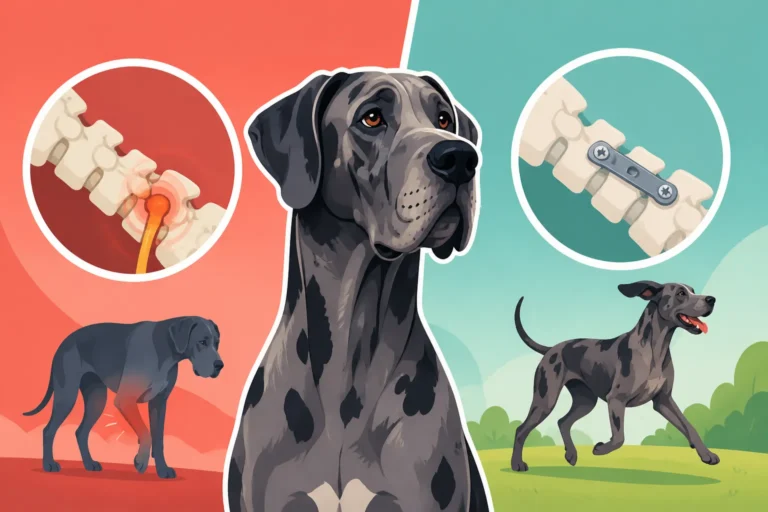
The most immediate and significant benefit of controlled, lean growth is a dramatic reduction in the risk of developing painful and expensive joint problems. When growth plates and supporting ligaments aren't constantly under stress from rapid growth and excess weight, they have the best possible chance to mature correctly. This directly translates to a lower incidence of conditions like hip dysplasia, elbow dysplasia, osteochondritis dissecans (OCD), and even early-onset arthritis.
Imagine avoiding countless vet visits, costly diagnostic imaging, and potentially invasive surgeries down the line. It's not a guarantee, as genetics certainly play a role (which is why The Health Testing a Great Dane Breeder Owes You is so important!), but good nutrition and proper growth management significantly stack the odds in your favor. Moreover, maintaining a healthy, lean weight throughout their puppyhood and into adulthood eases the burden on their cardiovascular system and other organs, contributing to overall better health. This kind of preventive care is invaluable, and it's why many Great Dane owners consider pet insurance from providers like Healthy Paws, knowing that even with the best care, unexpected health issues can arise, but proactive steps like lean feeding can reduce the likelihood of certain conditions.
A Healthier, Happier, and Potentially Longer Life
Ultimately, the goal of keeping your Great Dane puppy lean isn't just about avoiding specific diseases; it's about promoting their overall quality of life. A Great Dane that develops on a lean, controlled growth trajectory is more likely to be an agile, comfortable, and pain-free adult. They'll be able to enjoy their walks, playtime, and interactions with their family without the limitations that joint pain or excessive weight can bring.
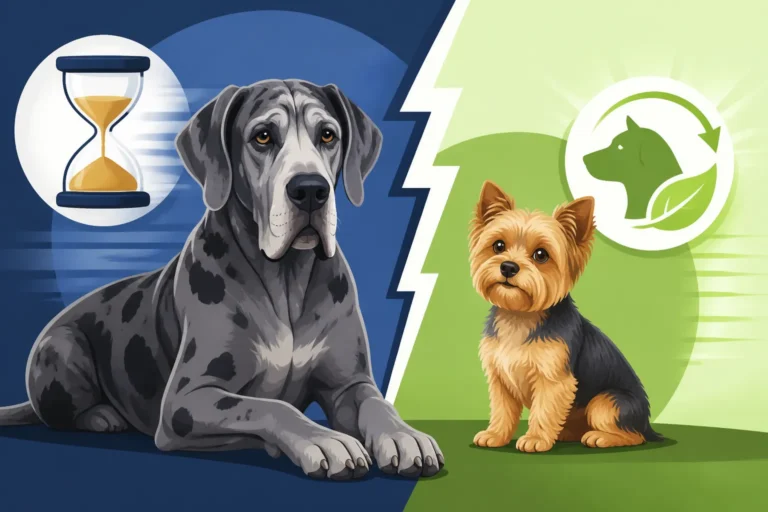
While a Great Dane's lifespan is sadly shorter than many smaller breeds – typically Why a Great Dane Only Lives Seven to Ten Years – giving them the healthiest start possible through controlled growth can potentially help them maximize those years. A lean, healthy body is more resilient, recovers better from minor injuries or illnesses, and is generally more comfortable into their senior years. This sets them up for a much more pleasant and active existence as they age, making it easier to manage their health as you begin Caring for a Great Dane Past Six. When you see your Great Dane gracefully move and joyfully engage in life, you'll know that all the careful attention to their puppyhood diet was absolutely worth it. And should any major health challenges arise, having a robust, lean body condition often means they're better equipped to handle treatments and recoveries, another reason why having comprehensive pet insurance, such as a plan from Healthy Paws, provides such peace of mind for managing the lifelong health journey of these magnificent dogs.
Disclaimer
The information provided in this guide is for general educational purposes only and should not be considered a substitute for professional veterinary advice. Always consult with your veterinarian regarding your Great Dane puppy's specific dietary needs, growth monitoring, and any health concerns.