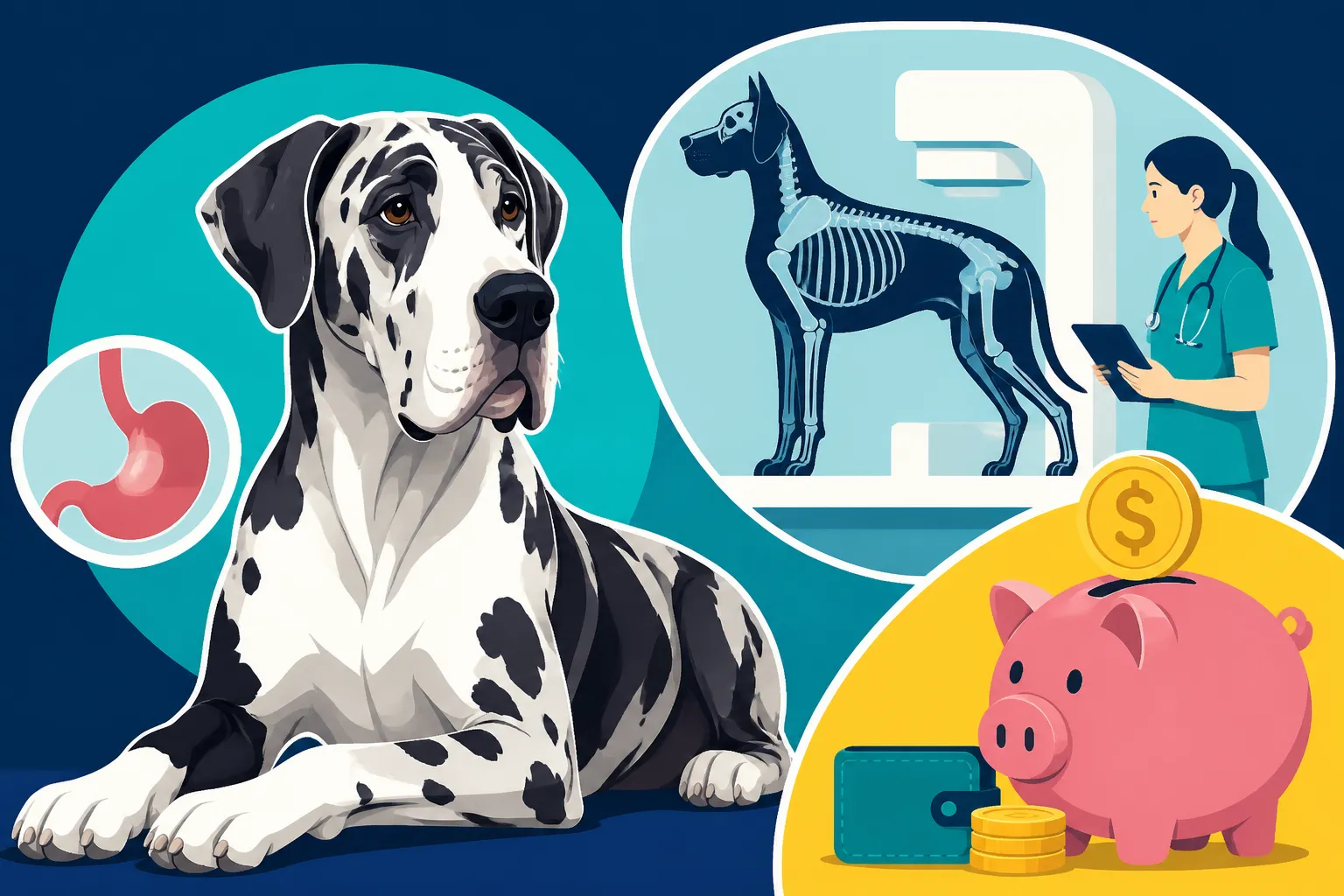
Paying for a Great Dane Wobbler Workup
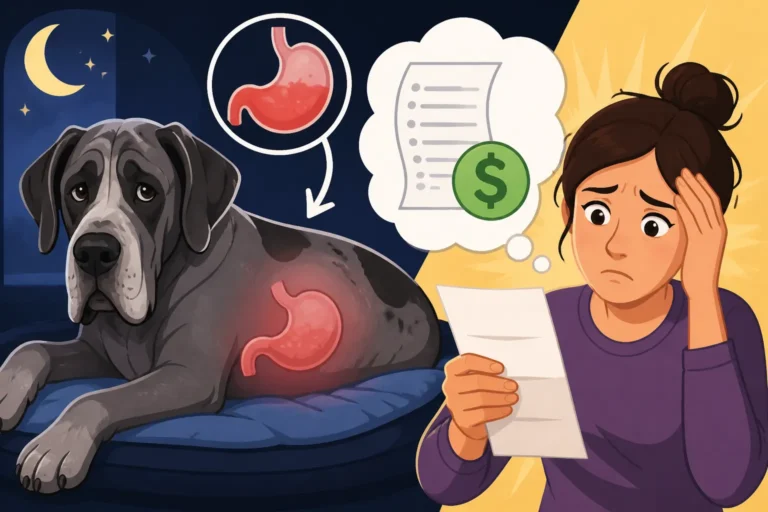
The moment you see your beloved Great Dane stumble, or notice an awkward gait, your heart sinks. It's a terrifying experience, especially when you know that conditions like Wobbler Syndrome are a real possibility for our gentle giants. Suddenly, you’re not just worried about their health, but also the daunting financial implications of getting a diagnosis. This guide is here to walk you through the various costs associated with a Wobbler workup, helping you understand what to expect and how to prepare for the journey ahead.
Understanding Wobbler Syndrome in Great Danes
Wobbler Syndrome, formally known as Cervical Spondylomyelopathy (CSM), is a neurological condition that significantly impacts a Great Dane's quality of life. It’s essentially a compression of the spinal cord and/or nerve roots in the neck, leading to symptoms that can range from mild clumsiness to severe paralysis. Imagine trying to walk when your brain isn't quite communicating with your legs – that's a glimpse into what your Dane might be experiencing. The neck condition that trips a Great Dane up is heartbreaking to witness, and naturally, your first thought is to find answers and alleviate their discomfort.
Why Great Danes Are Prone to Wobbler Syndrome
Our beautiful Danes, with their rapid growth and imposing size, are unfortunately predisposed to certain musculoskeletal and neurological issues. Wobbler Syndrome often manifests due to malformation or instability of the vertebrae in the neck, sometimes compounded by rapid growth or even nutritional factors during puppyhood. The sheer size and weight these dogs carry put immense pressure on their developing spines. It's not a direct fault of breeding in all cases, but rather a complex interplay of genetics, conformation, and growth dynamics unique to giant breeds. This predisposition is one of the many reasons why early and accurate diagnosis is so crucial, yet often so expensive.
Common Signs and Symptoms
Identifying the early heart signs in a Great Dane can be tricky, as symptoms can be subtle at first and progress over time. You might notice your Dane dragging their back paws, leading to scuffed back nails on a Great Dane. They might seem a bit uncoordinated, especially in their hindquarters, or show a reluctance to move their neck. Sometimes, the first Wobbler signs in a Great Dane are very mild, like a slight wobble in their gait that you might dismiss as clumsiness. As the condition advances, you might observe more pronounced stumbling, an exaggerated high-stepping gait in the front legs (known as two-engine gait), or even a collapse of the hindquarters. These signs are a huge red flag that warrant immediate veterinary attention, setting you on the path to a diagnostic workup.
The Initial Vet Visit and What It Entails
When you first bring your Great Dane to the vet with suspected Wobbler symptoms, the initial visit is all about gathering information and performing preliminary assessments. This is the crucial first step, and while it's nowhere near the cost of advanced diagnostics, it lays the groundwork for everything that follows.
Comprehensive Physical and Neurological Exam
Your regular veterinarian will conduct a thorough physical examination, paying close attention to your Dane's posture, gait, and reflexes. They’ll look for muscle atrophy, assess pain responses, and test nerve function. This neurological exam is vital for localizing the problem – is it in the brain, spinal cord, or peripheral nerves? For a Great Dane that stumbles on its back legs, the vet will meticulously check their coordination, proprioception (awareness of body position), and strength. This initial exam can be lengthy and detailed, as the vet tries to differentiate Wobbler Syndrome from other conditions that might present similarly, like hip or elbow dysplasia or even certain types of cancer. Expect the cost for this comprehensive exam to range from $100 to $300, depending on your clinic's rates and the complexity of the exam.
Routine Bloodwork and X-rays
After the physical and neurological exams, your vet will likely recommend routine blood tests to rule out other medical issues that could be causing similar symptoms. This might include a complete blood count (CBC) and a chemistry panel to check organ function and general health. While these tests won't diagnose Wobbler Syndrome directly, they're essential for ensuring your Dane is healthy enough for further diagnostics and to rule out metabolic or inflammatory conditions. Costs for this bloodwork typically fall between $150 and $400.
Plain radiographs (X-rays) of the neck and spine are often the next step. While X-rays can’t definitively diagnose spinal cord compression (you need advanced imaging for that), they can reveal abnormalities in the vertebrae themselves, such as malformations, instability, or degenerative changes. They can also help rule out other causes of lameness or pain, like severe arthritis or bone tumors. Taking X-rays of a Great Dane requires specialized equipment and often sedation due to their size, which adds to the cost. For a series of neck X-rays, you might expect to pay anywhere from $250 to $700, including sedation.
Advanced Imaging: The Major Cost Driver
Once initial exams and X-rays point towards a neurological issue in the neck, the conversation will inevitably turn to advanced imaging. This is where the costs begin to climb significantly, but these diagnostics are absolutely critical for a definitive diagnosis of Wobbler Syndrome and for planning any potential treatment.
MRI and CT Scans
To truly visualize the spinal cord and identify areas of compression, your Great Dane will need an MRI (Magnetic Resonance Imaging) or a CT (Computed Tomography) scan. An MRI provides incredibly detailed images of soft tissues, including the spinal cord, nerves, and intervertebral discs. It’s the gold standard for diagnosing Wobbler Syndrome because it clearly shows the degree and location of spinal cord compression. A CT scan, while excellent for bone structures, offers less detail for soft tissues but can still be highly valuable, especially when combined with a myelogram (a procedure where dye is injected into the spinal canal).
These advanced imaging procedures are almost always performed by a veterinary specialist, usually a neurologist, at a referral center or a large veterinary hospital. The cost for an MRI or CT scan for a Great Dane can range dramatically depending on your location, the facility, and whether a myelogram is performed concurrently. You're looking at $2,500 to $5,000 for these procedures. This figure often includes the specialist's interpretation fees. You’ll find more information on what shows up on a Great Dane spinal scan in dedicated resources.
The Cost of Anesthesia for a Giant Breed
One significant factor driving up the cost of advanced imaging, and indeed any procedure involving sedation, is the sheer size of a Great Dane. Administering and monitoring anesthesia in a giant breed like ours is inherently more complex and costly. Why anesthesia costs more for a Great Dane isn't just about the volume of drugs needed; it's about the increased risk and the intensive monitoring required.
A large dog has a greater surface area to cool down, a more massive respiratory system to manage, and a larger cardiovascular system that needs careful oversight. They require specialized equipment for intubation, a longer recovery period, and more dedicated staff supervision. Pre-anesthetic bloodwork, chest X-rays, and an ECG are often mandatory to ensure your Dane is a suitable candidate for anesthesia, adding another $200 to $500 to the bill. The anesthesia itself, including monitoring by a board-certified anesthesiologist or highly trained veterinary technician, can easily add $500 to $1,500 to the cost of the imaging procedure alone.
Consultation with Specialists: Neurologists and Surgeons
Receiving a Wobbler Syndrome diagnosis is heavy, and navigating the path forward often means working closely with veterinary specialists. Their expertise is invaluable, but it also comes with a significant price tag.
Initial Specialist Consultation Fees
Once your Great Dane has undergone advanced imaging, the next step is typically a consultation with a board-certified veterinary neurologist. This specialist will review all the diagnostic images, bloodwork, and your general vet's findings, and then perform their own in-depth neurological exam. They are the experts in pinpointing the exact location and severity of the spinal cord compression. Their initial consultation fee can range from $250 to $600, and this is just for the conversation and examination, not including any follow-up tests.
If surgery is being considered, you might also consult with a veterinary surgeon who specializes in spinal procedures. These two specialists often work in tandem, discussing the best course of action. This additional surgical consultation would incur a similar fee. These consultations are crucial because they translate complex medical findings into understandable terms and help you make informed decisions about your Dane's future.
Seeking Second Opinions
Given the severity and cost implications of Wobbler Syndrome, many Great Dane owners consider seeking a second opinion from another specialist. This is a perfectly reasonable and often recommended step, especially if the proposed treatment plan is invasive or very expensive. A second opinion can offer peace of mind, confirm a diagnosis, or even present alternative treatment options you hadn't considered.
However, each specialist consultation will incur a fee, generally in the $250 to $600 range. While it adds to the upfront cost, the value of confirming the diagnosis and feeling confident in your chosen treatment path can be immeasurable. When considering whether Wobbler surgery suits a Great Dane, having multiple expert perspectives can be incredibly reassuring.
Other Diagnostic Tests and Their Expenses
While advanced imaging (MRI/CT) is the primary diagnostic tool for Wobbler Syndrome, sometimes other tests are necessary to get a complete picture or rule out other conditions. These can add to the overall cost of the workup.
Spinal Tap and CSF Analysis
In some cases, especially if an inflammatory or infectious cause of neurological symptoms is suspected (though less common for classic Wobbler Syndrome), your specialist might recommend a spinal tap, also known as cerebrospinal fluid (CSF) analysis. This procedure involves collecting a small sample of the fluid that surrounds the brain and spinal cord.
A spinal tap is typically performed under general anesthesia, further adding to the cost. The collection itself, plus laboratory analysis of the CSF for cell count, protein levels, and potential infectious agents, can range from $500 to $1,500. While not always necessary for a straightforward Wobbler diagnosis, it's an important tool in the diagnostic arsenal if the clinical picture is complex.
Electromyography (EMG) and Nerve Conduction Studies (NCS)
Electromyography (EMG) and Nerve Conduction Studies (NCS) are specialized tests that measure the electrical activity of muscles and nerves. These tests can help assess nerve damage and muscle function. They are less commonly used for primary Wobbler diagnosis but can be valuable in differentiating nerve root compression from other types of nerve or muscle disease.
These procedures are usually performed by a neurologist and also require sedation for accurate results. The cost for EMG/NCS can be substantial, often ranging from $800 to $2,000. While they provide different information than an MRI, they can be critical for cases where the symptoms are atypical or if there’s a concern about concurrent peripheral nerve issues.
Navigating the Financial Strain: Insurance and Funding Options
The costs associated with a Wobbler workup are undeniably steep, leaving many Great Dane owners feeling overwhelmed. It’s important to remember that you're not alone, and there are resources available to help manage these significant expenses.
Pet Insurance: A Lifesaver for Giant Breeds
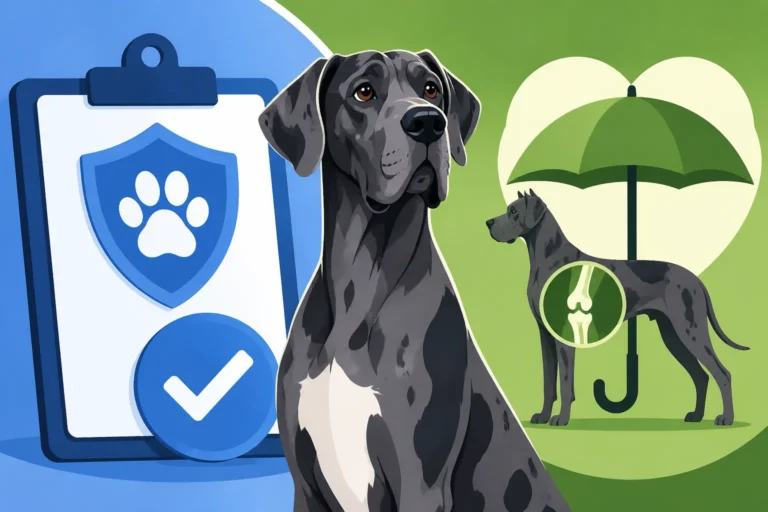
This is where pet insurance truly shines, especially for breeds prone to costly conditions. Enrolling a Great Dane before anything happens is paramount. If your Dane is already showing signs of Wobbler Syndrome, it will likely be considered a pre-existing condition and may not be covered by a new policy. However, for those who planned ahead, pet insurance can cover a significant portion of the diagnostic and treatment costs.
Providers like Healthy Paws are known for their comprehensive coverage, often reimbursing 70-90% of veterinary bills after a deductible. While premiums quoted on a Great Dane can be higher due to their size and predispositions, the peace of mind and financial relief they offer in a crisis like a Wobbler diagnosis are invaluable. Imagine only having to pay 10-30% of that $5,000 MRI bill – it makes a huge difference. Pet insurance is essential for a Great Dane, especially given their susceptibility to serious health issues.
Payment Plans and Veterinary Financing Options
Even with pet insurance, or if you don't have it, managing a multi-thousand-dollar vet bill can be a struggle. Many veterinary hospitals, especially referral centers, understand this and offer various payment options. They might have in-house payment plans, allowing you to pay the total cost in installments.
Additionally, many clinics partner with third-party financing companies like CareCredit. These are credit cards specifically designed for healthcare expenses, often offering deferred interest periods if the balance is paid within a certain timeframe. Before committing to any major diagnostic or treatment plan, always discuss payment options with the veterinary clinic's administrative staff. They are often experienced in helping clients navigate these financial hurdles.
Building an Emergency Fund
Beyond insurance and financing, having a dedicated emergency fund for your Great Dane is a wise decision. How much cash a Great Dane owner should keep ready often depends on their comfort level, but experts recommend having at least $3,000 to $5,000 readily accessible for unexpected veterinary emergencies. This fund can bridge the gap for deductibles, co-pays, or even cover smaller diagnostics that might not meet your insurance deductible.
Starting to build this fund as soon as you bring your Great Dane home, or even before, can save you immense stress down the line. Even small, regular contributions can add up over time, providing a crucial safety net for those terrifying moments when your Dane needs urgent, expensive medical attention. Remember, the short expensive life of a Great Dane often includes these significant health expenditures.
| Diagnostic Step | Typical Cost Range ($) | Purpose |
|---|---|---|
| Initial Vet Exam | 100 – 300 | Physical & Neurological assessment, initial screening |
| Routine Bloodwork | 150 – 400 | Rule out systemic issues, pre-anesthesia assessment |
| Neck X-rays (incl. sedation) | 250 – 700 | Identify vertebral abnormalities, rule out other conditions |
| Specialist Consultation | 250 – 600 | Expert evaluation, review of findings, treatment planning |
| MRI or CT Scan | 2,500 – 5,000 | Definitive diagnosis of spinal cord compression |
| Anesthesia (for imaging) | 500 – 1,500 | Essential for giant breed imaging; includes monitoring |
| Spinal Tap / CSF Analysis | 500 – 1,500 | Rule out inflammatory/infectious causes (if indicated) |
| EMG / NCS | 800 – 2,000 | Assess nerve damage and muscle function (if indicated) |
| Total Estimated Workup | ~5,000 – 10,000+ | Comprehensive diagnostic process for Wobbler Syndrome |
Note: These are estimated costs and can vary significantly based on geographic location, veterinary practice, and individual patient needs.
What Happens After the Wobbler Workup?
Once the diagnostic workup is complete and a definitive diagnosis of Wobbler Syndrome is made, your veterinary neurologist will discuss the prognosis and treatment options. This is another crucial phase, and the costs don't stop here, but at least you'll have a clear path forward.
Conservative Management
For some Great Danes with mild Wobbler Syndrome, or those who are not candidates for surgery, conservative management might be recommended. This often involves a combination of medication, restricted activity, and supportive care. Medications can include anti-inflammatory drugs (NSAIDs or corticosteroids) to reduce swelling around the spinal cord, muscle relaxants, and pain medications. These medications, especially at Great Dane doses, can be costly monthly, ranging from $50 to $300+.
Crate rest or strict activity restriction is often prescribed to prevent further injury, which means a lot of time indoors. You might also need to consider a swapping a Great Dane's collar for a harness to avoid any pressure on the neck. Physical rehabilitation, including hydrotherapy or specific exercises, can also be a part of conservative management, with sessions costing anywhere from $50 to $150 each. These treatments are aimed at reducing symptoms and improving comfort without surgical intervention.
Surgical Intervention
For many Great Danes with more severe Wobbler Syndrome, surgical decompression of the spinal cord is often the most effective treatment option. There are various surgical techniques, and the choice depends on the specific nature and location of the compression. This is a highly specialized and complex surgery, performed by a board-certified veterinary surgeon.
The cost of Wobbler surgery itself can be staggering, typically ranging from $6,000 to $10,000 or more, depending on the complexity, the specific surgical technique, and the duration of hospitalization. This usually includes the surgeon's fees, anesthesia, surgical supplies, and initial post-operative care. After surgery, your Dane will require intensive post-operative care, which can include pain management, strict confinement, and potentially a lengthy course of rehabilitation. Rehabilitation costs after Great Dane surgery are an additional expense, but they are vital for optimal recovery. This is a long and expensive road, but for many, it offers the best chance at a significantly improved quality of life.
Disclaimer
The information provided in this article is for general informational purposes only and does not constitute veterinary medical advice. Always consult with a qualified veterinarian or veterinary specialist for any health concerns or before making any decisions about your Great Dane's care, especially regarding complex conditions like Wobbler Syndrome. Costs are estimates and can vary widely based on location, clinic, and individual patient needs.