Great Dane Ads With No Cardiac Paperwork
It's incredibly frustrating when you're diligently searching for your next Great Dane family member, poring over countless ads, and then you hit a wall: no mention of cardiac health testing. It leaves you wondering if the breeder simply forgot, if they don't test at all, or if they're hiding something crucial. This guide is here to shed light on why cardiac paperwork is non-negotiable for Great Danes and how to navigate those confusing, silent advertisements.
The Critical Importance of Cardiac Health Screening in Great Danes
Bringing a Great Dane into your home is an immense joy, but it also comes with a significant responsibility, especially concerning their health. Unfortunately, Great Danes are tragically prone to a devastating heart condition known as Dilated Cardiomyopathy (DCM), which can strike without much warning and significantly shorten their already too-brief lives. Seeing an ad for a Great Dane puppy that completely glosses over cardiac health testing for the parents isn't just a minor oversight; it's a huge red flag that every potential owner needs to understand.
DCM is a disease of the heart muscle where the heart becomes enlarged and weakened, unable to pump blood effectively. It can lead to heart failure, irregular heart rhythms, and sudden death. The prevalence of this condition in the breed is staggering, making responsible breeding practices absolutely essential. A breeder who truly cares about the long-term health and well-being of their puppies will prioritize screening their breeding dogs for DCM. This isn't just a recommendation; it's a vital step in trying to reduce the risk of passing on this terrible genetic predisposition. We want our gentle giants to live their fullest, happiest lives, and that starts with a strong, healthy heart. For a deeper dive into this serious issue, you might want to read about The Heart Muscle Disease Great Danes Are Prone To.
Cardiac health testing involves specific procedures that can help identify dogs at risk or those already affected by DCM. The gold standard typically includes an echocardiogram (an ultrasound of the heart) performed by a board-certified veterinary cardiologist, often combined with a 24-hour Holter monitor, which records the heart's electrical activity over a longer period. These tests help cardiologists assess the size and function of the heart chambers and detect any arrhythmias. These screenings are not cheap, nor are they a one-and-done deal, as Great Danes should ideally be screened annually as part of a responsible breeding program. When a breeder skips these steps, they're not only saving themselves money but potentially setting up families for immense heartache and massive veterinary bills down the line. It's a gamble with a puppy's life and a family's emotional and financial stability, and it's simply not worth taking.
Decoding Great Dane Breeder Advertisements and Spotting Red Flags
When you're searching for a Great Dane puppy, the breeder's advertisement is often your first impression. A truly reputable breeder will be transparent and proactive about the health testing they conduct on their breeding dogs. They understand the breed's vulnerabilities, especially regarding cardiac health, and they know that providing proof of screening is a testament to their commitment to healthy puppies.
What Reputable Ads Should Include
A good Great Dane puppy advertisement should explicitly mention that both parent dogs have received comprehensive cardiac health screenings. Look for phrases like "OFA (Orthopedic Foundation for Animals) cardiac certified," "CHIC (Canine Health Information Center) certified," or "cardiologist-cleared via echo and Holter." They should also be prepared to share copies of these certifications and specific test results, including the dates the tests were performed and the names of the certified cardiologists. Beyond cardiac health, you should also see mentions of OFA hip and elbow clearances, and potentially thyroid testing, as these are common concerns in the breed. This isn't just about ticking boxes; it's about showing a genuine investment in the genetic health of their lines. Understanding The Health Testing a Great Dane Breeder Owes You can empower you to ask the right questions.
Common Red Flags in Vague Advertisements
If an ad only says "vet checked" or "healthy parents," that's a huge red flag when it comes to Great Danes and their predisposition to DCM. A general vet check doesn't include specialized cardiac diagnostics like an echocardiogram or Holter monitoring. It means a regular veterinarian has given the dog a physical exam, which, while important, won't detect early or subclinical signs of DCM. Many Great Danes with DCM show no outward symptoms in the early stages, making specialized testing crucial. Another warning sign is an unusually low price point for a Great Dane puppy. Quality breeding, health testing, proper nutrition, and early socialization are expensive, and these costs are reflected in a responsible breeder's price. If an ad lacks any mention of health testing, especially cardiac, and the price seems too good to be true, it almost certainly is. This could signify a backyard breeder or a puppy mill, where profit often trumps animal welfare.
| Feature | Reputable Breeder Ad | Red Flag Ad |
|---|---|---|
| Cardiac Health | Explicitly states "OFA Cardiac Clear," "Cardiologist-certified via echo & Holter." | "Vet checked," "Healthy parents," no specific mention of heart testing. |
| Orthopedic Health | Mentions "OFA Hips/Elbows Good/Excellent." | Silent on hips/elbows, or vague claims like "no limping." |
| Transparency | Provides names of parent dogs, links to health certificates, and pedigree information. | Little to no specific information about parents or health background. |
| Price | Reflects investment in health, breeding, and care (often $1,500 – $3,000+). | Unusually low prices, implying cut corners ($500 – $1,000). |
| Support | Offers lifetime breeder support, takes dogs back if needed, comprehensive contract. | Minimal communication post-sale, no take-back clause, basic contract. |
| Availability | May have a waiting list, puppies are often spoken for before birth. | Puppies are "ready now," multiple litters available, always seems to have pups. |
Actionable Steps When an Ad Lacks Vital Cardiac Paperwork
Discovering a Great Dane advertisement that lacks crucial cardiac paperwork can feel disheartening, especially if you've fallen for the puppy's adorable picture. However, it's a critical moment to pause and proceed with extreme caution. Your actions here can significantly impact the health and happiness of your future companion and your own peace of mind.
Directly Question the Breeder
The very first step is to contact the breeder and directly ask about their cardiac health testing protocols. Don't be shy; a responsible breeder will welcome these questions and be eager to share their practices. Ask specific questions:
- "What cardiac health screenings do you perform on your breeding dogs?"
- "Can you provide copies of the echocardiogram and Holter monitor results for both parents, including the dates and the name of the board-certified cardiologist?"
- "Are the parents CHIC certified for cardiac health?"
- "At what age were the parents last screened?" (Remember, annual screening is ideal.)
If the breeder offers excuses, claims their regular vet checks are sufficient, or seems annoyed by your questions, consider that a major warning sign. This lack of transparency is often indicative of someone cutting corners, and it suggests they are not genuinely invested in improving the breed's health. You should feel empowered to walk away if you don't get clear, verifiable answers. You are, after all, looking for a lifelong companion, and their health foundation is paramount. Many reputable breeders also charge a fair price that reflects their dedication, as detailed in What a Great Dane Breeder Who Screens Hearts Charges.
Understanding and Demanding Proof of Testing
If a breeder claims to perform testing, your next step is to demand verifiable proof. For cardiac health, this usually means an OFA certification number, which you can then look up on the OFA public database. You should see a listing for "Cardiac (Echo) Normal" and "Cardiac (Holter) Normal" for each parent. A responsible breeder will be able to provide the full names and registration numbers of the parent dogs, allowing you to cross-reference their health clearances on these public databases. If they can only show you a piece of paper from a regular vet, or if the test results seem vague or incomplete, it’s not enough. The specificity of a board-certified cardiologist’s report and a public registry like OFA is what you need for true peace of mind.
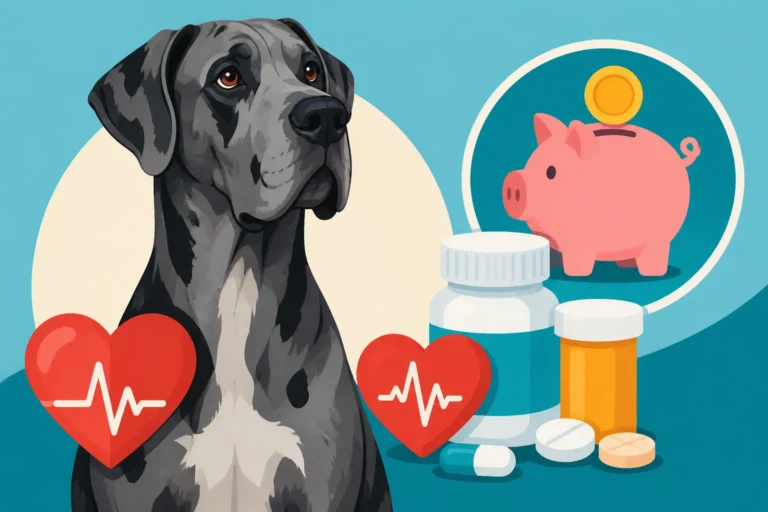
If the breeder can't or won't provide this verifiable documentation, you are taking a significant risk by proceeding. The financial implications alone can be astronomical. Treating a Great Dane with DCM, especially if it progresses to heart failure, can involve ongoing medications, frequent vet visits, and specialized diagnostics. These costs can quickly run into thousands of dollars each year. While pet insurance companies like Healthy Paws can help mitigate these expenses, many policies have waiting periods or exclusions for pre-existing conditions, meaning if your puppy develops DCM early, you might not be covered if it's considered congenital or hereditary. This is why prevention and responsible breeding are so vital.
The Financial and Emotional Toll of Untested Great Dane Lines
Choosing a Great Dane puppy from a breeder who has not performed proper cardiac health screenings is a decision that can have profound and lasting consequences, both for your wallet and your heart. The appeal of a lower-priced puppy or the immediate availability can be tempting, but it often leads to far greater costs and immense emotional distress down the line.
The Financial Burden of Cardiac Disease
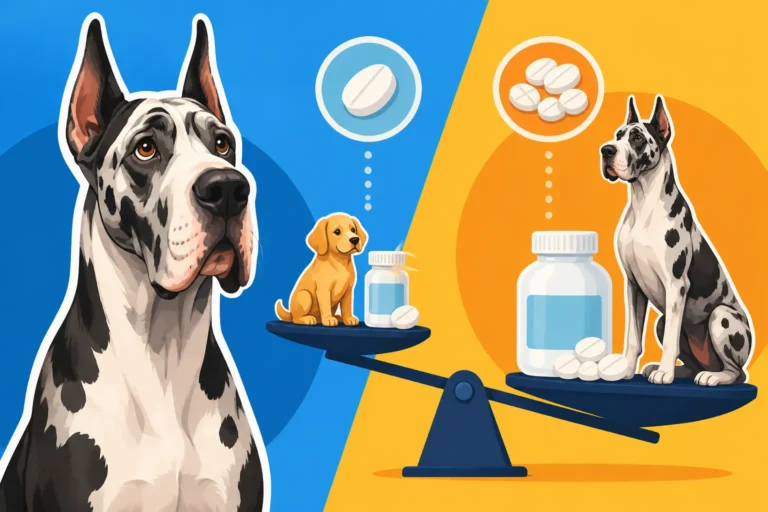
Let's be realistic: Great Danes are already expensive dogs to own, from their specialized puppy food to their extra-large accessories. But nothing compares to the cost of managing a chronic, life-threatening illness like DCM. If your Great Dane develops DCM, you'll be facing a barrage of diagnostic tests – repeated echocardiograms, Holter monitors, blood work, and X-rays – which alone can be hundreds of dollars each. Then comes the lifelong medication regimen. Great Danes require large doses of heart medications like Pimobendan, Furosemide, and Enalapril, which are significantly more expensive at their body weight than for a smaller dog. These medications are not a cure; they manage the symptoms and slow the progression of the disease. Over time, these monthly costs can easily run into several hundred dollars, accumulating to thousands over the lifespan of the dog.
Beyond the routine, there are emergency visits. Early Heart Signs in a Great Dane can be subtle, but a crisis such as fainting or severe breathing difficulty demands immediate, expensive veterinary intervention. An overnight stay in an emergency veterinary hospital, with oxygen therapy, IV fluids, and constant monitoring, can cost thousands of dollars in a single night. While pet insurance, such as a plan from Healthy Paws, is absolutely crucial for Great Danes, it's still a significant investment, and even with coverage, you'll have deductibles and co-pays. Moreover, if DCM is diagnosed early on, some insurers might deem it a pre-existing condition, leaving you to shoulder the entire burden. This is why insuring a Great Dane against bloat and heart bills is so important.
The Emotional Heartache
Beyond the financial strain, the emotional toll of caring for a Great Dane with DCM is devastating. Watching your beloved gentle giant struggle with breathing, lose their energy, or suffer from coughing fits is heartbreaking. The knowledge that their life is being cut short, often far too soon, is a heavy burden. Great Danes have shorter lifespans anyway, often only living seven to ten years, and DCM can drastically reduce even that brief time. The constant worry, the difficult decisions about quality of life, and the eventual farewell can be incredibly traumatic.
Responsible breeders perform cardiac testing not just for their own reputation, but because they genuinely care about the animals they bring into the world. They want to ensure that their puppies have the best possible chance at a long, healthy life, free from preventable suffering. While good nutrition, with brands like Chewy offering specialized cardiac diets or Ollie providing fresh food options, and careful management can help support a dog with heart issues, these measures cannot replace the foundation of good genetic health from responsible breeding. Skipping health clearances is a gamble with a living, breathing being's well-being, and it’s a gamble that often results in profound sadness for the families involved. Screening a Great Dane's Heart Each Year is a commitment worth understanding for any potential owner.
Disclaimer
The information provided in this article is for general informational purposes only and is not intended as a substitute for professional veterinary advice. Always consult with a qualified veterinarian or veterinary specialist for any health concerns or before making any decisions related to your Great Dane's care.