The Signs of a Great Dane Stomach Twisting
One of the most terrifying emergencies a Great Dane owner can face is the sudden, rapid onset of bloat, where the stomach not only fills with gas but can also twist upon itself, a condition known as Gastric Dilatation-Volvulus (GDV). The swiftness with which this devastating event unfolds often leaves owners feeling helpless and panicked, desperately trying to discern if their beloved giant is just having an upset stomach or if they're facing a life-threatening crisis. This comprehensive guide is here to arm you with the knowledge to recognize the critical signs of a Great Dane stomach twisting, so you can act immediately and potentially save your dog's life.
Understanding Gastric Dilatation-Volvulus (GDV)
Gastric Dilatation-Volvulus, or GDV, is a condition that sends shivers down the spine of every Great Dane owner. It's not just a bad case of gas; it's a medical emergency that can become fatal in a matter of hours, sometimes even minutes. Understanding what GDV is and why Great Danes are particularly susceptible is the first step in being prepared.
What is GDV and Why Great Danes Are Prone to It?
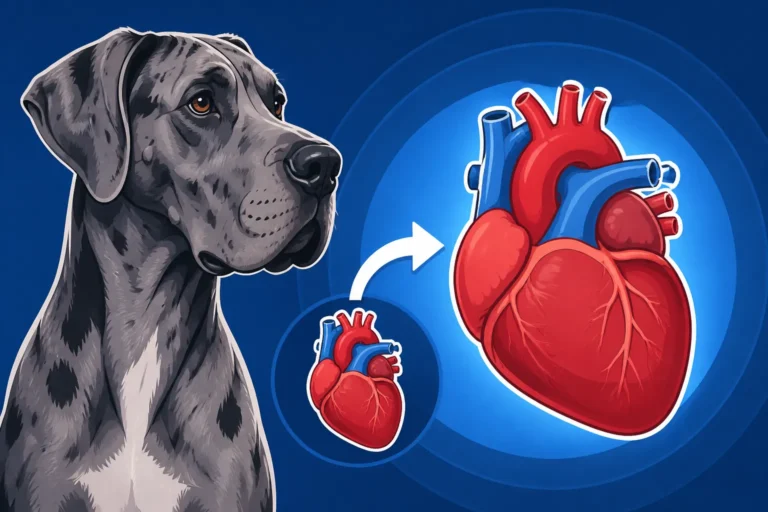
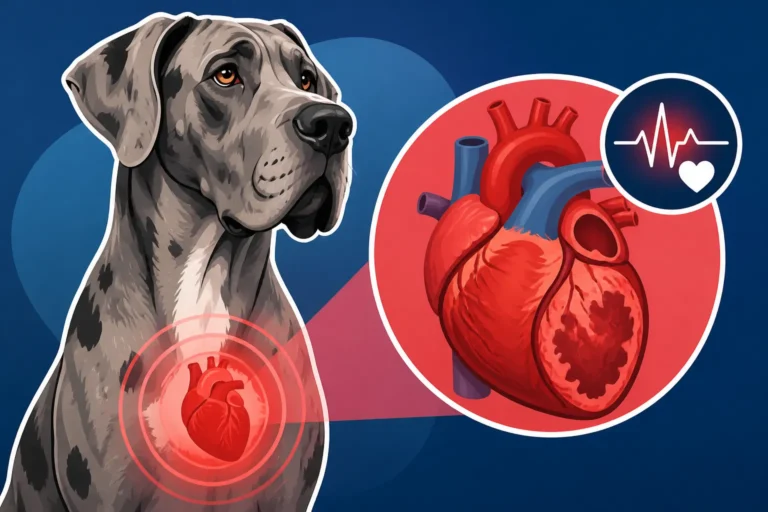
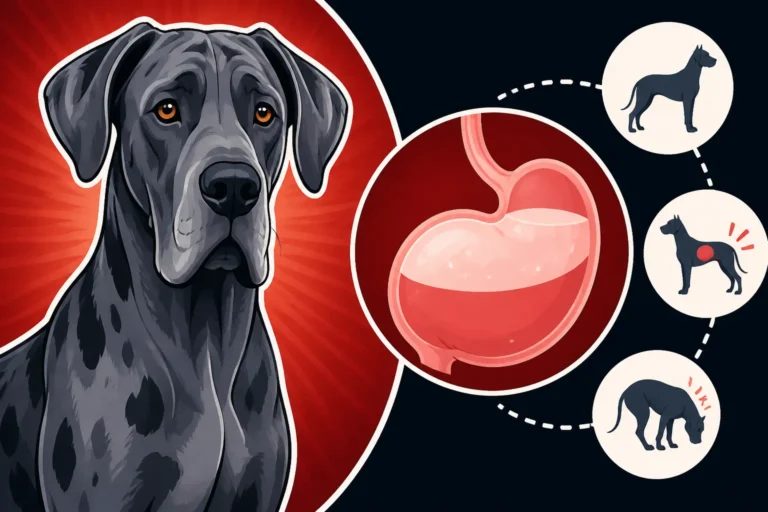
At its core, GDV involves two main components: dilatation (the stomach filling with gas, fluid, or food) and volvulus (the stomach twisting on its axis). When the stomach twists, it effectively seals off both the entrance and exit, preventing gas and fluid from escaping. This rapid build-up of pressure not only causes immense pain but also starts to compress major blood vessels, leading to shock and cutting off blood supply to the stomach wall itself. Without immediate intervention, the stomach tissue can die, and the systemic effects can quickly lead to organ failure and death.
Great Danes, with their impressive size and distinctive deep, narrow chests, are heartbreakingly prone to this condition. This unique body shape allows their stomach more room to swing and twist, making them far more susceptible than many other breeds. It’s a cruel irony that the very feature that makes them so majestic also puts them at such high risk. Many breeders and vets will tell you about the high probability, noting the article, Bloat in a Great Dane and the One in Three Odds, which highlights the alarming statistics.
The Speed and Severity of Bloat
One of the most frightening aspects of GDV is how quickly it can escalate from seemingly mild discomfort to a full-blown emergency. You might observe your dog appearing a little off one moment, and within an hour or two, they could be in critical condition. The speed at which the stomach distends and potentially twists is what makes GDV so lethal. There’s no time for a "wait and see" approach; every minute counts.
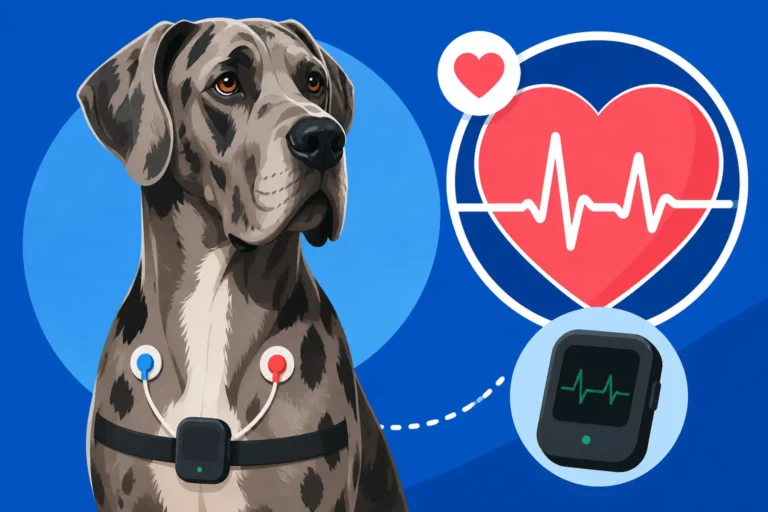
The severity of GDV is underscored by the immense physical distress and internal damage it causes. Beyond the immediate pain and risk of stomach tissue death, the condition can lead to arrhythmias (irregular heartbeats), blood clotting issues, and profound shock. The chances of survival decrease significantly with every passing hour before treatment. That's why understanding How Many Minutes a Bloating Great Dane Has is so crucial for every owner.
The Crucial Early Warning Signs of Stomach Twisting
Recognizing the subtle, early signs of GDV is paramount. While some symptoms are dramatic, others might seem innocuous at first. It’s about knowing your dog’s normal behavior and spotting anything out of the ordinary, especially if they exhibit a combination of these indicators.
Unproductive Retching or Vomiting
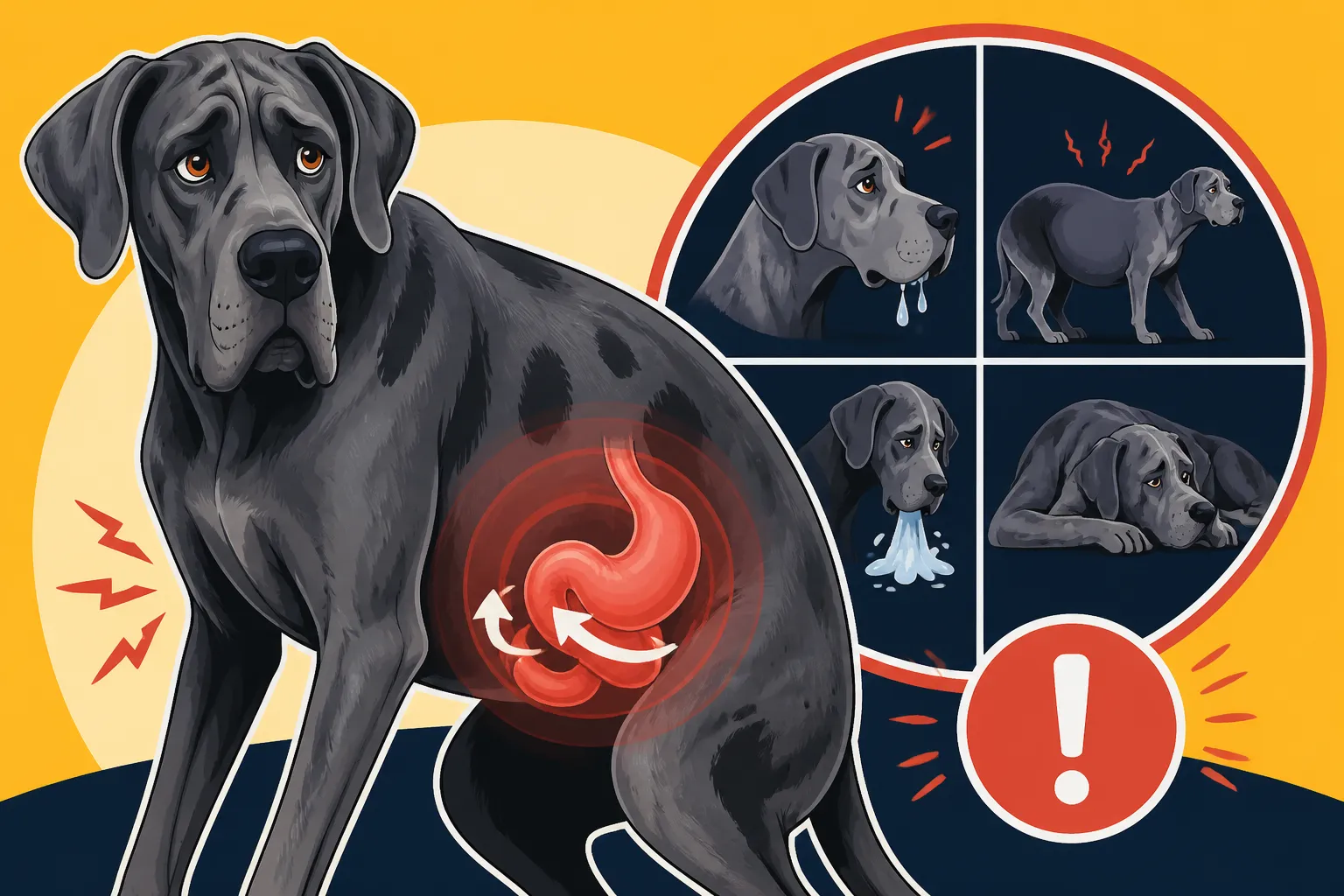
This is perhaps the most classic and alarming early sign of a twisted stomach in a Great Dane. Your dog will appear to be trying to vomit, often gagging, heaving, or retching forcefully, but nothing, or very little, comes up – maybe just some foamy saliva or white phlegm. This is because the twisted stomach has sealed off the esophagus, making it impossible for contents to pass through.
The act of trying to vomit without success is incredibly distressing for the dog and should immediately trigger alarm bells for you. It's distinct from regular vomiting where actual food or liquid is expelled. If you see your Great Dane going through this harrowing ordeal, trying to vomit and failing, it's a huge red flag that something is severely wrong internally and likely indicates GDV. The accompanying article, A Great Dane Trying to Vomit and Failing, delves deeper into this specific symptom.
Abdominal Distension
While not always immediately obvious in the very first stages, abdominal distension – a visibly swollen, taut belly – is another critical symptom, especially as the condition progresses. You might notice your Great Dane's abdomen, particularly on the left side behind the last rib, looking larger or feeling hard and drum-like when gently tapped. This swelling occurs as gas and fluid become trapped in the stomach.
For some Great Danes, especially those with naturally lean physiques, this distension can appear quite rapidly. In others, particularly those with more body fat or longer coats, it might be harder to detect visually at first. It’s important to physically check your dog’s belly if you suspect bloat. Gently feel their sides and compare them to their normal appearance. Any hardness or significant enlargement, particularly if accompanied by other symptoms, is a major cause for concern. For more on this, you can refer to A Great Dane Pacing With a Swollen Belly.
Restlessness and Pacing
A Great Dane experiencing the early stages of a twisted stomach will almost invariably show signs of discomfort and anxiety. They might not be able to settle down, constantly shifting positions, pacing frantically, or attempting to lie down and then immediately getting back up. They might seem agitated, unable to find a comfortable spot, or just generally "off."
This restlessness is a direct result of the intense abdominal pain and pressure building inside their body. They are trying to relieve the discomfort, but there is no position or action that brings them relief. This anxious, unsettled behavior is a strong indicator that something serious is happening internally and should never be ignored, especially in a breed known for its calm demeanor.
Advanced Symptoms Requiring Immediate Veterinary Intervention
As GDV progresses, the symptoms become more severe and obvious, reflecting the increasing physiological distress your Great Dane is experiencing. Recognizing these advanced signs means you need to get your dog to an emergency vet immediately.
Excessive Drooling and Foaming at the Mouth
When a Great Dane's stomach twists, it often causes profound nausea and discomfort, leading to excessive salivation. You might notice your dog drooling much more than usual, with thick, ropey saliva, or even foaming at the mouth. This is a common response to severe nausea and the inability to swallow or clear their mouth properly.
The frothy foam can be particularly alarming and is often seen in conjunction with the unproductive retching. It’s the body’s attempt to get rid of something that simply cannot pass due to the mechanical obstruction of the twisted stomach. This symptom, combined with others, creates a very clear picture of a dog in acute distress.
Pain and Obvious Discomfort
As the stomach continues to swell and put pressure on surrounding organs and blood vessels, the pain your Great Dane experiences will intensify. They might adopt a hunched-over posture, appearing stiff or reluctant to move. They may whine or groan, especially when you try to touch their belly, or they might snap due to the pain – a highly uncharacteristic behavior for most Great Danes.
A dog in severe pain from GDV will often look visibly uncomfortable. Their eyes might appear wide or worried, and their breathing might become shallow and rapid. They may stand with their front paws planted, and their hindquarters slightly elevated, a posture sometimes referred to as "praying position," as they try to alleviate the pressure. This level of discomfort signals a dire emergency.
Weakness, Collapse, and Rapid Breathing
These are critical signs that your Great Dane is entering a state of shock, indicating that the condition has severely impacted their circulatory system. As blood flow to vital organs is compromised, your dog might become extremely weak, unsteady on their feet, or even collapse. Their gums might appear pale, white, or bluish, rather than a healthy pink, due to poor circulation.
Their breathing will likely become very rapid and shallow, as their body struggles to get enough oxygen and cope with the mounting internal crisis. A weak pulse, cold extremities, and a prolonged capillary refill time (when you press on their gums, the color doesn't return quickly) are also signs of shock. At this stage, time is of the absolute essence, and immediate transport to the nearest emergency veterinary hospital is no longer optional but critical for survival.
Differentiating Between Simple Bloat and a Twisted Stomach
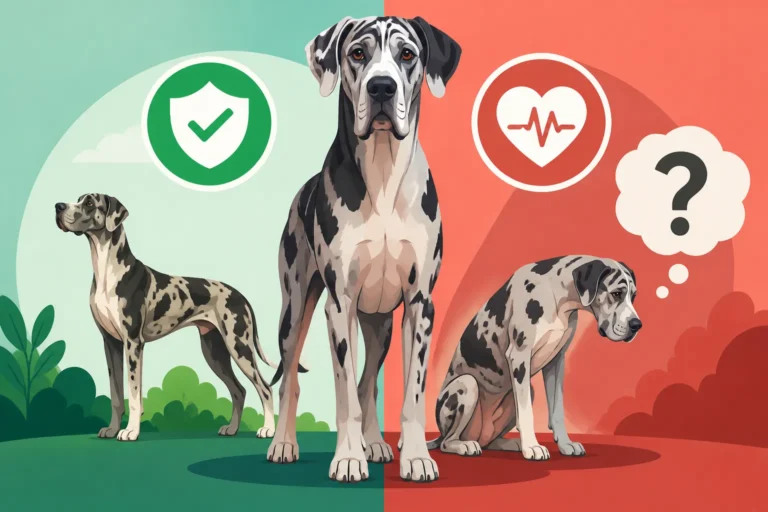
This is the million-dollar question for many owners: how do you know if it's just a bad gas build-up (gastric dilatation without volvulus) or the much more dangerous twisted stomach (GDV)? The truth is, it's incredibly difficult, if not impossible, for an owner to tell definitively without veterinary diagnostics.
The Nuances of Bloat Without Volvulus
Sometimes, a Great Dane's stomach can distend with gas without actually twisting. This is often referred to as "simple bloat." While still uncomfortable and requiring veterinary attention, it is not immediately life-threatening in the same way GDV is. In cases of simple bloat, the dog might show signs of discomfort, a swollen belly, and might even try to vomit, but they can often burp or vomit successfully, relieving some of the pressure.
However, the symptoms can be very similar to the early stages of GDV, making self-diagnosis dangerous. A dog with simple bloat might still pace, seem restless, or drool. The key difference, which is impossible to confirm at home, is whether the stomach has rotated. Because the distinction is so hard to make and the consequences of being wrong are so severe, it's always safer to assume the worst.
When to Assume the Worst and Act Fast
Given the rapid progression and high fatality rate of GDV, the safest course of action for any Great Dane owner is to assume that any signs of bloat mean a twisted stomach until proven otherwise by a veterinarian. Waiting to see if your dog improves, or trying to differentiate between simple bloat and GDV at home, can be a fatal mistake. The internal article The Lifetime Bloat Risk in a Great Dane provides context on why this assumption is prudent.
If you observe any of the key symptoms – unproductive retching, a distended abdomen, restlessness, or signs of pain – do not hesitate. Call your emergency vet immediately and tell them you suspect GDV in your Great Dane and you are on your way. Speed is the single most critical factor in a positive outcome. Every minute counts when you're dealing with a potential twisted stomach.
What to Do the Moment You Suspect Bloat/GDV
Panic is a natural reaction, but it won't help your dog. What will help is swift, decisive action. Knowing exactly what to do can make all the difference.
Immediate Emergency Vet Trip
As soon as you notice any signs of a potential twisted stomach, the very first thing you need to do is call your closest emergency veterinary clinic. Do not wait for symptoms to worsen. Explain that you have a Great Dane and you suspect GDV. This will alert them to prepare for a critical incoming patient, which could save precious minutes upon your arrival. Then, without delay, get your dog into your vehicle and drive directly to the clinic. You might want to review Driving a Bloating Great Dane to the Emergency Vet for tips on making this stressful journey as smooth as possible.
Time is of the essence, and literally every minute can impact the outcome. During the drive, try to keep your dog as calm and comfortable as possible, though this may be challenging given their distress. Avoid trying to offer food or water, as this could worsen the situation or complicate veterinary procedures. Focus solely on getting to the vet as quickly and safely as possible. It is also wise to consider that insurance providers like Healthy Paws offer coverage for emergency situations such as GDV, which can significantly ease the financial burden during such a stressful time.
Communicating with Your Veterinary Team
Once you arrive at the emergency clinic, clear and concise communication with the veterinary staff is crucial. Briefly explain:
- When symptoms started: Even if it's just an estimate.
- What specific symptoms you've observed: Unproductive retching, abdominal distension, pacing, drooling, etc.
- Any recent events: Did they just eat, drink, or exercise?
- Your dog's general health history: Any other conditions or medications.
The veterinary team will likely move very quickly to assess your Great Dane. They will typically perform a physical examination and take X-rays to confirm if the stomach has twisted. This diagnostic step is critical because it will determine the course of treatment, which most often involves emergency surgery. Learning What to Do the Minute a Great Dane Bloats is invaluable information for any Great Dane owner.
Proactive Measures and Prevention
While GDV is unpredictable, there are significant steps Great Dane owners can take to reduce the risk. Prevention, wherever possible, is always better than dealing with an emergency.
Gastropexy as a Preventive Measure
For many Great Dane owners, the most effective preventative measure against GDV is a surgical procedure called gastropexy, or stomach tacking. This surgery involves permanently attaching a portion of the stomach to the abdominal wall, preventing it from twisting. While it doesn't prevent the stomach from dilating (filling with gas), it dramatically reduces the risk of volvulus, which is the life-threatening component.
Many owners opt for a preventive gastropexy, often performed at the same time as spaying or neutering. It offers immense peace of mind, knowing that your Great Dane is protected against the most dangerous aspect of bloat. The internal article Stomach Tacking Surgery for a Great Dane provides a detailed overview of this procedure. While it's an upfront cost, the potential cost savings from avoiding emergency GDV surgery and the emotional relief are immeasurable. It's a choice many owners weigh carefully, considering the investment against the potential for an emergency that can cost thousands and still not guarantee survival. For more details, consider reading When to Book a Great Dane Gastropexy and How a Great Dane Gastropexy Is Done. It’s also important to note that even with a gastropexy, a dog can still experience simple bloat, so keeping an eye out for symptoms is always essential, even if the severe twisting risk is mitigated, as explored in Whether Tacking Ends Great Dane Bloat Risk.
Mealtime Management to Reduce Risk
Beyond surgery, certain feeding practices can help minimize the risk of bloat. While not foolproof, these strategies are widely recommended for deep-chested breeds like Great Danes.
- Multiple Small Meals: Instead of one or two large meals, consider feeding your Great Dane two or three smaller meals throughout the day. This reduces the amount of food and gas in the stomach at any one time.
- Slow Feeding: If your Great Dane eats very quickly, consider using a slow-feeder bowl or placing a large, clean rock (that they can't swallow) in their regular bowl to encourage them to eat more slowly. Rapid ingestion of food can lead to swallowing more air.
- Rest Before and After Meals: Avoid vigorous exercise or highly stressful situations for at least an hour before and two hours after meals. Physical activity right after eating can increase the risk of the stomach twisting.
- Avoid Elevated Bowls (Controversial): For a long time, elevated feeding bowls were thought to prevent bloat. However, some research suggests they might actually increase the risk in Great Danes. Consult your vet for the most current advice on this topic. It’s better to feed from bowls on the floor unless specifically advised otherwise for other medical reasons.
- Manage Stress: While difficult to quantify, stress can play a role in digestive upset. Try to keep meal times calm and consistent.
Implementing these practices, alongside potentially considering a gastropexy, provides the most comprehensive approach to managing Why a Great Dane's Chest Shape Invites a Twist and reducing the terrifying possibility of GDV. And remember, having pet insurance like Healthy Paws can be an absolute lifesaver when unexpected health crises, like bloat, strike.
Here's a quick summary of key symptoms to watch for:
| Symptom Category | Early Warning Signs | Advanced Symptoms |
|---|---|---|
| Gastrointestinal | Unproductive retching/vomiting (dry heaving) | Excessive drooling and foaming at the mouth |
| Visible abdominal distension (swollen belly) | ||
| Behavioral | Restlessness, pacing, inability to settle | Hunched posture, whining, reluctance to move |
| Signs of discomfort, looking at flanks | Obvious pain, crying out when touched | |
| Systemic | Weakness, lethargy, stumbling, collapse | |
| Rapid, shallow breathing, pale or bluish gums | ||
| Cold extremities, signs of shock |
Disclaimer
The information provided in this article is for educational purposes only and is not a substitute for professional veterinary advice. If you suspect your Great Dane is experiencing bloat or a twisted stomach, contact your emergency veterinarian immediately. Prompt veterinary care is critical for the survival of a dog with Gastric Dilatation-Volvulus (GDV).