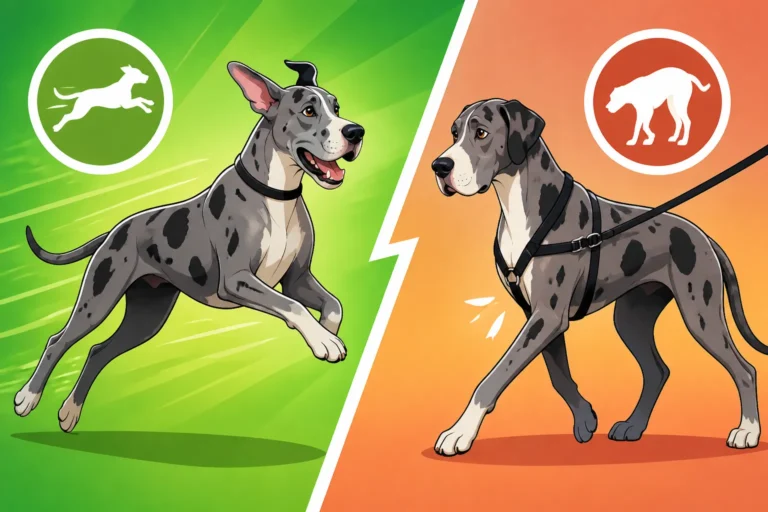
Whether Sending a Great Dane Away to Train Helps
The thought of sending your beloved Great Dane away for training can bring a whirlwind of emotions. On one hand, you might be feeling overwhelmed by a specific behavioral challenge, or perhaps the sheer size and strength of your Dane are making daily walks or interactions feel impossible. On the other hand, the idea of being separated from your gentle giant, and wondering if it’s truly the right path, can be incredibly stressful. This guide dives deep into whether sending a Great Dane away for a board and train program truly helps, exploring the nuances, the potential pitfalls, and the crucial factors you need to consider to make the best decision for your unique dog and family.
The Allure of Sending Your Great Dane Away for Training
Let's be honest, living with a Great Dane is a joy, but it also comes with unique challenges that can sometimes feel insurmountable. These aren't small dogs you can easily scoop up or redirect with a gentle nudge. Their immense size, strength, and sometimes their surprisingly delicate emotional constitution, mean that training issues can escalate quickly and feel truly overwhelming. It's completely understandable why many owners start to look for more intensive solutions, and the idea of a professional taking the reins can be incredibly appealing.
When Daily Training Feels Impossible
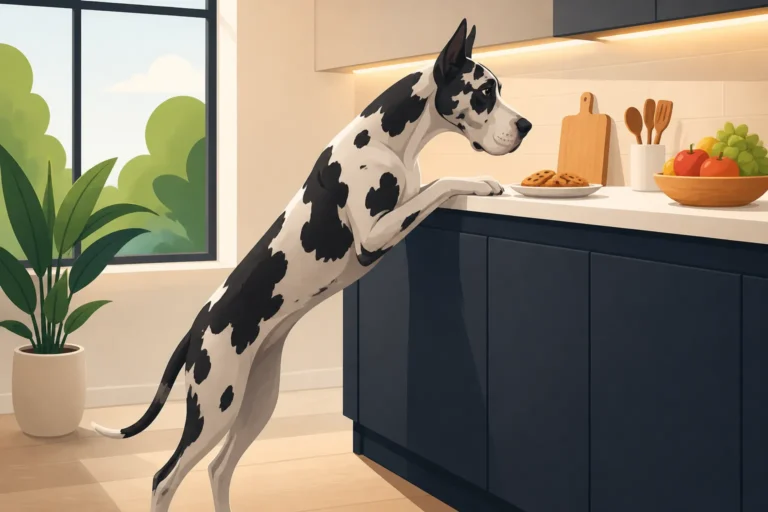
There are days, aren't there? Days when you just feel utterly defeated. Maybe your Great Dane has decided that the kitchen counter is merely a conveniently placed buffet, or perhaps every walk turns into a wrestling match against a hundred-plus pounds of enthusiastic dog pulling you down the street. It’s not just about inconvenience; it’s about safety. A huge dog that jumps on guests, even out of pure excitement, can easily knock someone over, causing injury. A Dane that pulls hard on the leash could seriously injure your shoulder or even pull you into traffic.
These aren't minor issues, and trying to manage them consistently, day in and day out, can be exhausting. Many owners juggle work, family, and other commitments, leaving little energy for the rigorous, consistent training a Great Dane requires to become a well-mannered companion. When you're constantly battling these behaviors, it's easy to dream of a quick fix, a magical transformation that lets you enjoy your dog without the constant stress and physical exertion.
Hoping for a "Fixed" Dog
The marketing for many board and train programs often paints a picture of a "new dog" returning home, perfectly behaved and instantly compliant. It's a seductive vision, especially if you're grappling with serious issues like a Great Dane that's constantly counter-surfing, or one that has learned to use its weight to pull you wherever it wants. You might envision your dog coming back with impeccable Great Dane Leash Manners at a Hundred and Fifty Pounds, walking calmly by your side, or greeting visitors politely without jumping.
This desire for a "fixed" dog often stems from a place of love and wanting the best for your Dane, but also from a deep-seated frustration with current struggles. For many, the hope is that a professional trainer, with their expertise and dedicated environment, can achieve in weeks what feels impossible at home. They can address ingrained habits and instill new ones without the emotional baggage or inconsistencies that might exist in the home environment.
Weighing the Pros and Cons of Board and Train for Giant Breeds
Deciding whether to send your Great Dane away for training is a significant choice, and it's essential to look at both sides of the coin with realism. While there can be compelling advantages, especially for giant breeds, there are also substantial drawbacks that deserve careful consideration. This isn't a decision to be made lightly, and understanding the full scope can help you make an informed choice that truly benefits your dog.
Potential Benefits
One of the biggest draws of a board and train program is the intensive, immersive training environment. Your Great Dane will be living with and trained by professionals, often multiple times a day, in a structured setting. This consistency is incredibly powerful, especially for a dog that might be used to an inconsistent routine or mixed signals at home. Trainers can use their specialized knowledge to pinpoint the root cause of behaviors and implement targeted strategies. They can also provide a fresh start, removing your Dane from an environment where certain bad habits might be deeply ingrained and reinforced. For specific, challenging behaviors such as persistent leash pulling or reactivity, a dedicated trainer can make significant headway in a way that might be difficult for an owner to replicate amidst daily life.
Furthermore, a professional trainer has access to a wide array of tools and techniques, and they can adapt their approach as needed, often with a level of precision that a novice owner simply can't match. They understand how a Great Dane's temperament responds to different types of reinforcement and correction, helping to build a solid foundation. For instance, if your Dane is struggling with basic obedience, a concentrated effort can quickly establish reliable cues. This can be particularly beneficial for dogs whose owners feel physically outmatched, providing them with the skills to handle their large companion safely and confidently once they return home.
Significant Drawbacks
Despite the attractive benefits, board and train programs come with substantial downsides, particularly for a breed as sensitive and attached as the Great Dane. The most immediate concern for many owners is the cost, which can be considerable, reflecting the intensive labor and care involved. Beyond the financial aspect, there's the critical issue of owner involvement, or lack thereof. While your dog might return with impressive new skills, if you haven't been adequately trained on how to maintain and reinforce those behaviors, regression can happen quickly. Dogs are masters of generalization; they learn what works in one environment, but it doesn't always automatically transfer to another.
Moreover, sending a Great Dane away can be highly stressful for the dog. Great Danes are often deeply bonded with their families and can experience separation anxiety. Being removed from their familiar home, routines, and loved ones, even if the new environment is pleasant, can be unsettling. This stress can hinder learning or even create new behavioral issues. The emotional impact on your dog's trust and bond with you is also something to consider. You're entrusting a significant portion of their foundational training to someone else, and without direct participation, you miss out on the learning journey and the opportunity to strengthen your relationship through shared experiences. Think of it like a child going away to boarding school; while they might come back with new skills, the direct parent-child learning experience is missed.
What to Seek in a Board and Train Program for a Great Dane
If, after weighing the pros and cons, you still feel that a board and train program is the right choice for your Great Dane, the next step is crucial: finding the right program. Not all board and train facilities are created equal, and for a giant, sensitive breed like a Great Dane, specific criteria must be met to ensure a positive and effective experience. Rushing this decision can lead to disappointment, or worse, a stressed or poorly trained dog.
Experience with Giant Breeds and Gentle Methods
This is perhaps the most critical factor. Training a Chihuahua is vastly different from training a Great Dane. A trainer comfortable with handling, motivating, and understanding the physical and emotional nuances of a giant breed is paramount. Ask directly about their experience with Great Danes or other similar large breeds. Do they understand the specific challenges, such as the strain on a growing Dane's joints, or how their size impacts their spatial awareness? A trainer who relies on heavy-handed or aversive methods can severely damage a Great Dane's sensitive psyche, leading to fear, anxiety, or even aggression. Remember, Why Physical Corrections Fail on a Great Dane is a real concern; these dogs respond best to positive reinforcement and clear, consistent communication.
Inquire about their training philosophy. Do they use positive reinforcement exclusively, or a balanced approach? If it's balanced, how do they define and apply corrections for a large, powerful dog? You want a trainer who prioritizes building confidence and a strong positive relationship with the dog, rather than simply suppressing unwanted behaviors through force. A good program will understand that a Great Dane's physical structure and temperament necessitate a gentle, yet firm, approach to ensure both effectiveness and the dog's well-being. Look for testimonials specifically from owners of giant breeds, or ask if you can speak with past clients.
Transparency, Communication, and Post-Program Support
A reputable board and train program will be completely transparent about their methods, facilities, and your dog's progress. You should expect regular communication, such as daily or weekly updates, photos, or even video clips of your Great Dane in training. This not only gives you peace of mind but also allows you to see the techniques being used and how your dog is responding. It’s important that you feel involved, even from a distance.
Crucially, the training shouldn't end when your Great Dane comes home. A top-tier program will include extensive "transfer sessions" where they teach you everything your dog has learned. This typically involves multiple in-person lessons, often both at the facility and then later in your home, to ensure you can confidently implement the new commands and manage behaviors in your own environment. Without this critical owner education, all the hard work the trainers put in can quickly unravel. Ask about ongoing support: Do they offer follow-up calls, additional lessons, or a helpline if you encounter issues down the road? This post-program support is what truly ensures long-term success and prevents regression once your dog is back in your care.
Facility Environment and Care
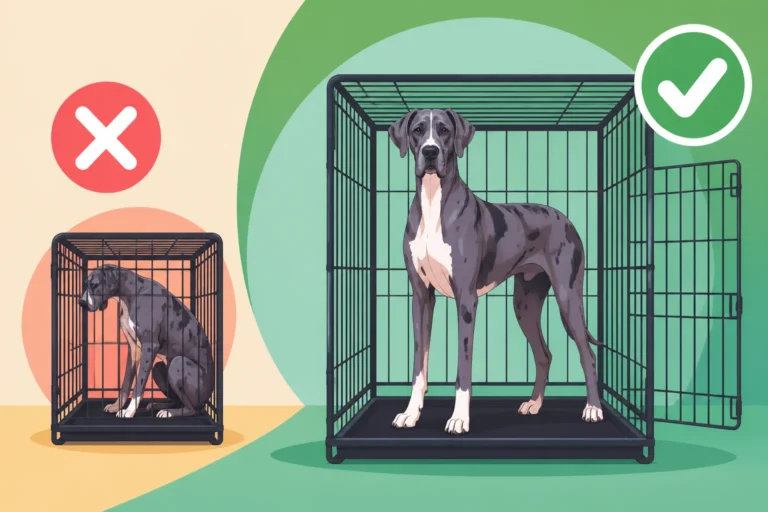
Don't just take their word for it – visit the facility in person if at all possible. Observe the general cleanliness, safety, and the demeanor of the dogs currently in training. For a Great Dane, space is vital. Are the kennels or living areas large enough for a giant breed to stand, stretch, and move comfortably? What is the daily routine? How much exercise do the dogs get, and what kind of enrichment activities are provided? A Great Dane cannot thrive in a cramped or barren environment.
Inquire about the supervision level. Are dogs left unsupervised for long periods? What are their emergency protocols? A good facility will have robust safety measures, climate control, and experienced staff always on hand. Ask about their veterinary partnerships and how they handle medical needs or emergencies. For a Great Dane, who can be prone to specific health issues, knowing they'll receive prompt and appropriate care is essential. The environment should feel calm, well-managed, and genuinely caring, not chaotic or overly strict. You're entrusting your beloved family member to them, so feeling confident in their care is paramount.
| Feature | Board & Train | Private In-Home Training | Group Classes (e.g., puppy course) |
|---|---|---|---|
| Primary Focus | Intensive dog training, behavioral modification | Owner and dog training in natural environment | Basic obedience, socialization, owner education |
| Owner Involvement | Minimal during program, critical post-program | High and constant | High, with trainer guidance |
| Consistency | High due to professional, structured environment | Varies greatly with owner's commitment | High during class, owner applies at home |
| Environment | Trainer's facility (kennel, home) | Client's home and local areas | Designated training facility, public parks |
| Cost | Generally highest | Mid-range (per session or package) | Generally lowest (per course) |
| Ideal For | Specific, ingrained issues; owners with limited time to kickstart training | Behavioral issues tied to home environment; personalized approach | New puppies, basic manners, socialization; budget-conscious |
| Potential Drawbacks | Separation stress for dog, owner learning curve critical, high cost | Requires significant owner time and effort, can be less intensive | Limited individual attention, less effective for severe issues |
Exploring Alternatives to Sending Your Dane Away
While board and train programs have their place, they are by no means the only solution, nor are they always the best one for every Great Dane or every family. Often, a more involved, owner-centric approach can yield equally, if not more, successful and lasting results. It ensures that the learning process strengthens your bond with your dog and empowers you with the knowledge and skills to manage their behavior for life.
Private In-Home Training
For many Great Dane owners, private in-home training offers a fantastic balance. A professional trainer comes to you, working with your dog in the very environment where the behaviors occur. This is invaluable for addressing issues like counter-surfing, jumping on guests who come through your door, or perfecting polite greetings in your hallway. The training is entirely personalized to your specific dog, your family dynamics, and your lifestyle. The trainer can observe your routine, identify triggers, and teach you practical, real-world strategies that fit your daily life.
The biggest advantage here is that you, the owner, are actively involved in every step of the process. This means you learn alongside your Great Dane, building your own skills and understanding of canine behavior. This shared learning experience deeply strengthens the bond between you and your dog, fostering trust and mutual respect. Moreover, it addresses the critical transfer of learning directly, as the training is happening exactly where it needs to be applied. When trying to teach The Manners a Great Dane Needs Before It Grows, having a trainer show you how to implement them in your living room, where the dog will actually be living, is incredibly effective. This route requires a commitment of time and effort from you, but the investment often pays off in a more resilient and deeply integrated training outcome.
Group Classes and Online Resources
For foundational obedience, socialization, and general manners, group classes are an excellent and often more affordable alternative. A good What a Great Dane Puppy Course Runs not only teaches your puppy basic cues but also provides crucial exposure to other dogs, people, and novel environments in a controlled setting. This early socialization is absolutely vital for a Great Dane, helping them grow into confident, well-adjusted adults. You get to interact with other dog owners, share experiences, and receive direct feedback from a certified trainer.
In addition to in-person classes, the digital age has brought a wealth of online resources that can be incredibly helpful. Platforms like BAXTER & Bella offer comprehensive online puppy training programs, providing video tutorials, live Q&A sessions, and personalized support from the comfort of your home. This can be particularly useful for those living in rural areas without access to local trainers or for individuals with busy schedules. You can also find an abundance of training tools and aids online, from extra-long training leashes to durable puzzle toys on Amazon, all designed to help you implement your training plan effectively. These resources empower you to take an active role in your Great Dane's education, providing flexibility and support.
Understanding Your Dane's Developmental Stages
It's also crucial to remember that training isn't a one-and-done event, especially with a Great Dane. They go through various developmental stages, and what worked for a puppy might need adjusting for an adolescent. The "teenage" phase for a Great Dane can be particularly challenging, often coinciding with them reaching their full size and strength. You might find your previously well-behaved Great Dane suddenly acting as if they've forgotten everything, becoming stubborn or testing boundaries. This is when A Great Dane Adolescent That Ignores Everything can become a common frustration.
Understanding that this is a normal part of their development, rather than a failure of your training, is key. It means ongoing reinforcement, patience, and sometimes, seeking renewed guidance from a trainer for specific adolescent issues. Consistent, positive reinforcement throughout their life is more impactful than a short, intensive "fix." Building confidence in a nervous Great Dane or retraining a Great Dane from rescue are ongoing processes that benefit most from a patient, consistent presence in their life, rather than a temporary separation. Your commitment to lifelong learning with your Great Dane is the most powerful tool you have.
Ultimately, whether sending your Great Dane away to train helps depends heavily on the program, your expectations, and your willingness to continue the work once your dog returns home. There's no magic bullet in dog training, especially for a breed as magnificent and complex as the Great Dane. A well-chosen program can certainly kickstart progress, but the real, lasting success always comes from the consistent, loving effort you put in every single day.
Disclaimer
This article is for general informational purposes only and does not constitute professional advice. Laws, prices and regulations vary by location and change over time. Consult a qualified professional for guidance on your specific situation.