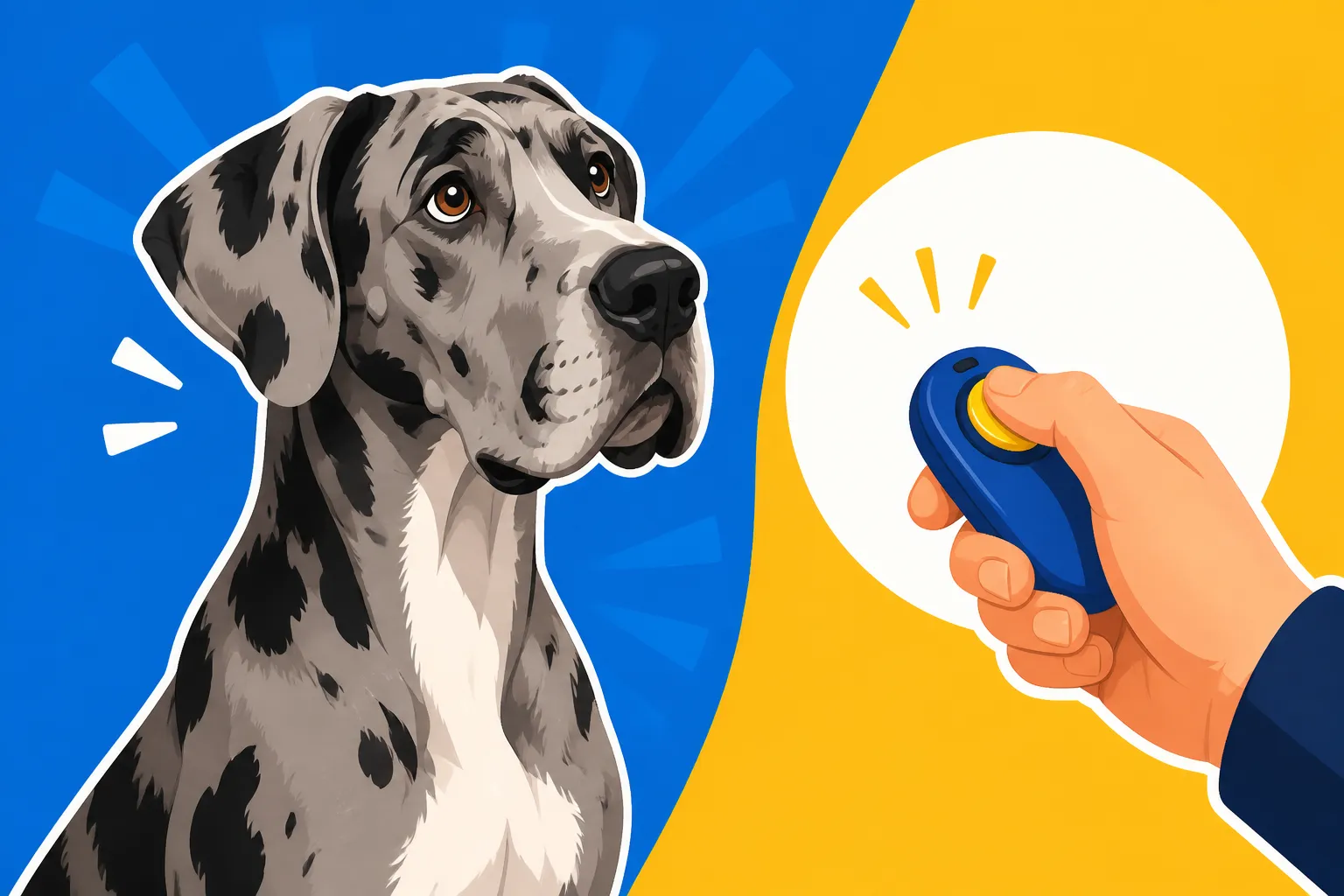
Whether a Clicker Works on a Great Dane
One of the biggest hurdles Great Dane owners face when it comes to training is figuring out which methods truly click with their colossal companions. You might worry that traditional methods aren't cutting it, or that their sheer size makes certain approaches impractical. This guide is here to shed light on whether clicker training, a positive and precise method, is not just effective but potentially one of the best ways to communicate and train your wonderful Great Dane, fostering a deeper bond in the process.
The Unique Challenges and Temperament of Training a Great Dane
Bringing a Great Dane into your life is an incredible experience, but anyone who has shared their home with one of these magnificent dogs knows it comes with its own set of training nuances. These aren't just big dogs; they're sensitive souls wrapped in powerful packages, and understanding this is the first step to truly effective training.
Great Dane Size and Strength: A Double-Edged Sword
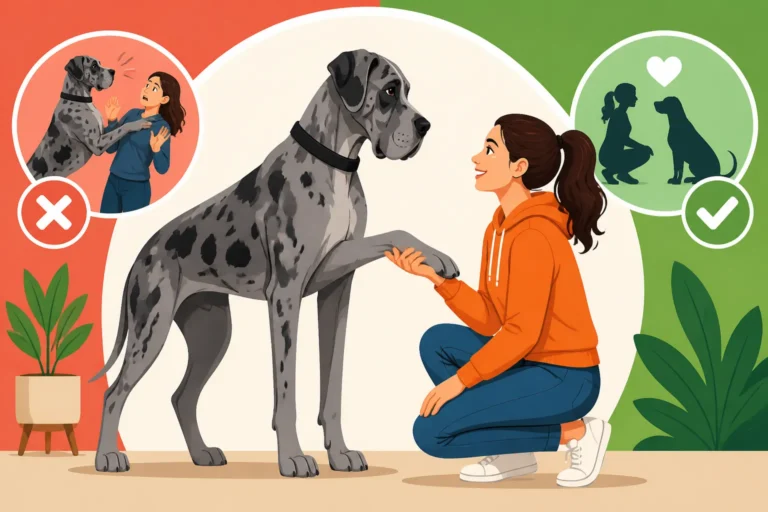
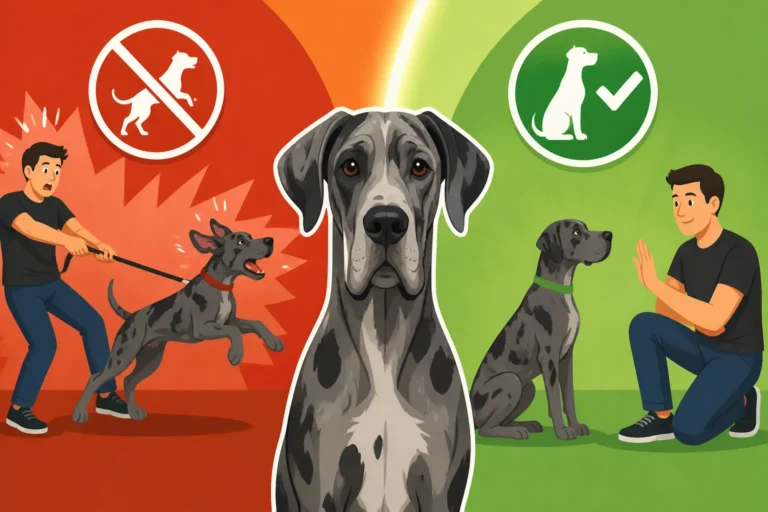
Let's be real: a full-grown Great Dane can easily outweigh an adult human. This isn't just a fun fact; it's a critical consideration for training. Imagine a 150-pound dog pulling on the leash, or enthusiastically jumping up to greet a guest. What might be a minor inconvenience with a smaller dog becomes a safety concern with a Dane. This immense physical presence means that training methods relying on physical corrections or force are not only potentially harmful to the dog but also physically challenging, if not impossible, for many owners to execute safely or consistently. You absolutely need techniques that empower you through communication, not brute force.
The Gentle Giant's Sensitive Side
Despite their imposing stature, Great Danes are often incredibly sensitive, sometimes even timid. They absorb the energy around them, and harsh words or rough handling can deeply affect them, leading to anxiety, fear, and a breakdown of trust. This isn't a breed that responds well to intimidation; they thrive on reassurance, consistency, and clear, kind guidance. If you've ever had a Great Dane that cowers or shuts down after a stern tone, you know exactly what I'm talking about. Their "gentle giant" reputation extends to their emotional landscape too, meaning methods that build confidence and positive associations are far more effective than those that might inadvertently scare or overwhelm them. This is often why A Great Dane That Shuts Down When Scolded is such a common issue.
Early Learning is Non-Negotiable
Because they grow so rapidly and reach such immense sizes, the window for foundational training in a Great Dane puppy is incredibly important. You can't wait until your Dane is 80 pounds to start teaching basic manners like "sit," "stay," or walking nicely on a leash. What's cute at 30 pounds is utterly unmanageable at 130. This makes Why Great Dane Training Cannot Wait a topic that resonates deeply with owners. Establishing good habits and clear communication early on is paramount, not just for convenience, but for safety and a harmonious life together. This means finding a training method that can be introduced effectively and consistently from a young age, without causing stress or confusion during critical developmental periods.
Understanding the Basics of Clicker Training
If you're looking for a training method that respects your Great Dane's sensitive nature while effectively teaching complex behaviors, clicker training is definitely worth exploring. It's a precise, positive, and incredibly powerful tool that can transform your training sessions.
What Exactly is a Clicker and How Does it Work?
At its heart, a clicker is a small device that makes a distinct, consistent sound—a "click!" It's not magic, but it’s remarkably effective because it acts as a precise marker. Imagine your dog does something wonderful, like offering a sit. In the second it takes you to say "good dog" and reach for a treat, your dog might have already shifted position, sniffed the floor, or thought about something else entirely. The click, however, is instantaneous and consistent. It tells your dog, with absolute clarity, "THAT was the exact moment you did the right thing!" It's a crystal-clear communication signal, much more precise than your voice, which can vary in tone, or a treat, which takes time to deliver. The click itself isn't a reward; it's a promise that a reward is coming, building an incredibly strong association between the desired behavior and positive outcomes.
The Science Behind Positive Reinforcement
Clicker training is firmly rooted in the principles of positive reinforcement, which means adding something desirable (like a treat, praise, or a favorite toy) to increase the likelihood of a behavior happening again. Instead of correcting mistakes, we focus on rewarding successes. This approach is highly effective because it makes training a fun, engaging, and rewarding experience for your Great Dane. They learn to want to offer behaviors because they associate them with positive feelings and valuable rewards. This is especially important for Building Confidence in a Nervous Great Dane as it avoids any punitive elements that could exacerbate anxiety. It encourages them to think, problem-solve, and actively participate in the learning process, fostering a more intelligent and engaged companion.
Essential Tools for Clicker Training Success
Beyond the clicker itself, you won't need a huge arsenal of specialized equipment, which is great news! The most crucial 'tools' are actually consistency and patience. However, a few items will make your journey smoother:
- High-Value Treats: These are paramount. Forget the bland kibble; for clicker training, you need something your Great Dane really wants. Think small pieces of cooked chicken, cheese, hot dogs, or commercially available training treats. The higher the value, the more motivated your Dane will be to learn. Consider keeping a variety on hand to maintain their interest. You can find excellent options on Amazon, often in bulk sizes perfect for a Great Dane's appetite. We covered Treats a Great Dane Will Work For in another post, so check that out for more ideas.
- A Pouch or Bag for Treats: Carrying treats easily and accessing them quickly is essential for timely reinforcement. A treat pouch that clips to your waist allows you to keep your hands free and deliver rewards without fumbling.
- A Quiet Training Environment: Especially when you're just starting, minimize distractions. A quiet room in your house helps your Dane focus solely on you and the task at hand. As they progress, you can gradually introduce more distractions.
- A Positive Mindset: This might sound cheesy, but it's true! Your enthusiasm and positive attitude are contagious. Approach each session with patience and a willingness to celebrate every small success, and your Great Dane will mirror that energy.
Why Clicker Training is an Excellent Fit for Great Danes
When you consider the unique characteristics of Great Danes – their size, strength, and sensitive nature – clicker training truly stands out as a superior method. It's not just another technique; it's a philosophy that aligns perfectly with bringing out the best in these majestic dogs.
Building Communication, Not Coercion
One of the biggest advantages of clicker training for a Great Dane is that it focuses entirely on positive communication. Instead of relying on physical force or intimidation, which is both difficult and ethically questionable with a giant breed, it establishes a clear, consistent language between you and your dog. The click tells them, unequivocally, "Yes! That's it!" This positive feedback loop means your Dane learns what to do, rather than just what not to do. It fosters a cooperative relationship where your dog is actively engaged in learning, making choices to earn rewards, rather than simply avoiding punishment. This proactive engagement is key, especially when you need to teach complex behaviors or handle challenging situations where physical control isn't practical or desirable. You want a Great Dane who chooses to listen, not one who fears you.
Tailored to Their Sensitive Nature
We've talked about how sensitive Great Danes can be. Traditional correction-based methods can easily overwhelm them, leading to fear, withdrawal, or even defensive behaviors. Clicker training completely bypasses this issue. It's gentle, encouraging, and builds confidence. Every click and treat is a positive interaction, reinforcing their belief that trying new things and interacting with you is a good experience. This is crucial for their overall mental well-being and strengthens your bond significantly. If you're dealing with A Great Dane That Is Anxious Rather Than Gentle, this method can be particularly beneficial, as it helps them associate learning with safety and positive outcomes, reducing stress and increasing their willingness to participate. They learn without the pressure of potentially being wrong, which is incredibly empowering for a sensitive dog.
Handling Their Physicality with Finesse
Teaching a Great Dane not to jump on guests or to walk politely on a leash requires more than just physical strength from the handler. It requires precise timing and clear communication before the undesirable behavior even fully manifests. Clicker training excels here because of its precision. You can click the exact moment all four paws are on the floor, or the second the leash slackens, marking the correct behavior instantly. This helps your Great Dane understand exactly what you want them to do with their large body. This finesse is critical for a breed whose physical power can unintentionally cause harm or damage. Relying on physical corrections, as explored in Why Physical Corrections Fail on a Great Dane, often results in a power struggle you can't win, or worse, injury to either party. Clicker training gives you the tools to shape behavior safely and effectively, teaching them control over their powerful movements without resorting to force.
| Feature | Traditional Correction-Based Training | Clicker Training (Positive Reinforcement) |
|---|---|---|
| Primary Method | Punishes unwanted behavior, uses force/intimidation. | Rewards desired behavior, builds positive association. |
| Communication | Often unclear, can be emotionally damaging, inconsistent. | Clear, precise, instantaneous marker (the click). |
| Dog's Motivation | Avoidance of punishment, fear of correction. | Eagerness to earn rewards, desire to please, problem-solving. |
| Impact on Great Dane | Can cause fear, anxiety, shut-down, erode trust, physically risky due to size. | Builds confidence, trust, engagement; promotes mental stimulation. |
| Effectiveness for Great Danes | Limited; can be counterproductive due to sensitivity and size. | Highly effective; leverages their intelligence and desire to cooperate. |
| Relationship with Owner | Based on dominance/subservience. | Based on partnership, mutual respect, and understanding. |
Practical Steps to Start Clicker Training Your Great Dane
Ready to embrace clicker training with your Great Dane? It's a journey that's incredibly rewarding, and like anything new, it starts with a few foundational steps. Remember, consistency and patience are your best friends here.
Charging the Clicker: Making the Sound Meaningful
The first and most crucial step is to "charge" the clicker, meaning your Great Dane needs to learn that the sound of the click always predicts something good is coming. This creates a powerful positive association.
Here's how you do it:
- Preparation is Key: Grab your clicker and a handful of those high-value treats (tiny pieces, remember, you'll be giving a lot!). Make sure your Dane is in a relatively quiet area, free from major distractions.
- Click, Then Treat: Simply click the clicker, and immediately (within 1-2 seconds) give your Great Dane a treat. Don't ask for any behavior yet. The goal is purely to link the sound with the reward.
- Repeat, Repeat, Repeat: Do this about 10-20 times in a short session. Don't overdo it; you want to keep it fun. Repeat these short sessions a few times throughout the day. You'll notice your Dane might start to perk up or look at you expectantly after the click. That's a great sign they're making the connection!
- Testing the Charge: After a few sessions, try clicking when your dog isn't looking directly at you. If they immediately orient towards you, perhaps with a wagging tail or an eager look for the treat, your clicker is successfully charged! They now understand that the click means "a treat is coming!" This initial phase is like laying the groundwork for all future learning, and it’s something BAXTER & Bella’s online puppy training program emphasizes for clear communication.
Shaping Desired Behaviors
Once the clicker is charged, you can start using it to "shape" behaviors. This is where the magic happens! Shaping involves rewarding tiny steps towards a desired behavior until your Great Dane performs the full behavior.
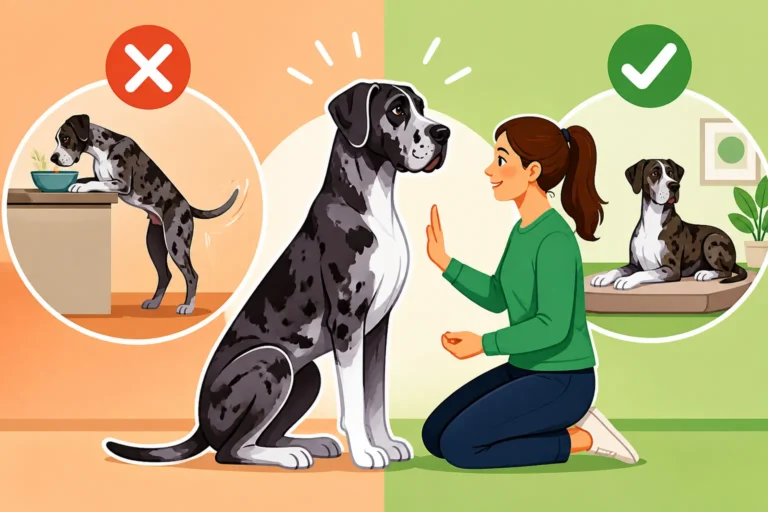
Let's use "sit" as an example, especially important when Teaching a Great Dane to Sit Before It Weighs Eighty Pounds:
- Luring (Initial Stage): Hold a treat near your Dane's nose and slowly move it back over their head. As their nose follows the treat, their rear end will naturally lower. The instant their rear touches the ground, click, then treat.
- Fading the Lure: Once they're consistently sitting with the lure, start making the hand motion smaller, or use an empty hand. Click and treat when they sit.
- Adding the Verbal Cue: Once they're reliably sitting with just your hand motion, say "Sit" just as they begin to perform the action. Click and treat.
- Practicing in Different Contexts: Practice "sit" in various locations and with increasing distractions. This helps solidify the behavior. Remember, you're not clicking for the treat; you're clicking for the behavior, and the treat follows the click. This process of tiny increments makes learning less intimidating for your Great Dane and builds their problem-solving skills, allowing them to figure out what you want. This is a far cry from expecting them to instinctively know The Cues a Great Dane Needs Before Six Months.
Fading the Clicker and Reinforcement
The goal of clicker training isn't to rely on the clicker forever. It's a teaching tool, a bridge to a reliable verbal cue and real-world reinforcement.
- Transferring to the Verbal Cue: Once your Great Dane consistently performs a behavior (like "sit") when you say the verbal cue, you can start to phase out the clicker. Continue to click for new or challenging behaviors, but for established ones, rely more on the verbal cue and occasional reinforcement.
- Intermittent Reinforcement: You don't need to treat every single time for a known behavior. Switch to an intermittent schedule, rewarding every 2-3 times, then every 3-5 times, and so on. This makes the behavior more durable and resistant to extinction. Your Dane learns that even if a treat doesn't come every time, it's still worth performing the behavior because a reward might be coming. This also means you can transition to life rewards—like a walk, a game of fetch, or a belly rub—instead of always food.
- Beyond Food: While high-value food treats are crucial in the beginning, eventually you want to diversify your rewards. Praise, a favorite toy, a brief play session, or even opening the door for a walk can become powerful reinforcers. Your Great Dane will still be motivated by positive outcomes, just not exclusively by food. This builds a robust and reliable set of behaviors that stand up to the hustle and bustle of daily life.
By following these steps, you'll find that clicker training is not only effective but also a joy for both you and your Great Dane, laying the foundation for a lifetime of good behavior and mutual understanding. Finding a Trainer Comfortable With a Great Dane who uses these positive methods can also provide invaluable hands-on guidance.
Disclaimer
This article is for general informational purposes only and does not constitute professional advice. Laws, prices and regulations vary by location and change over time. Consult a qualified professional for guidance on your specific situation.