Which Great Danes Bismarck Kept
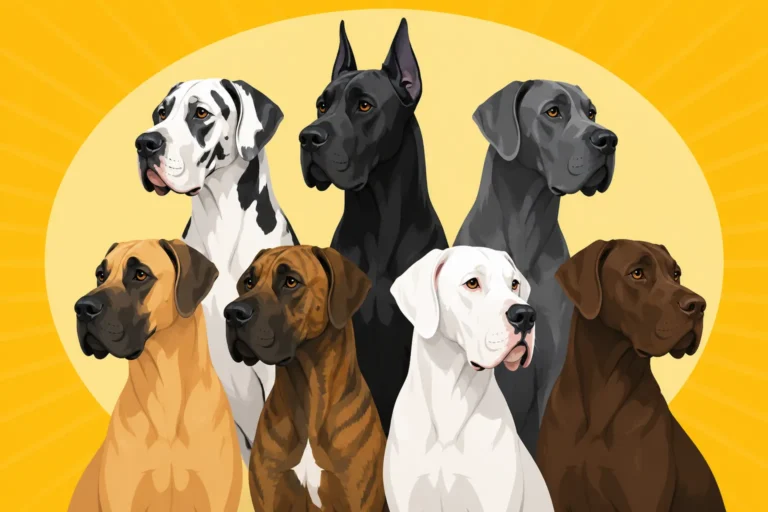
It’s fascinating how historical figures are remembered not just for their political deeds or grand pronouncements, but sometimes for the quiet companionship they shared with their beloved animals. When it comes to Otto von Bismarck, the "Iron Chancellor" of Germany, his image is often inextricably linked with his majestic Great Danes, and many people wonder which specific dogs were by his side. This guide delves into the historical accounts and popular understanding of the Great Danes that graced Bismarck's life, exploring the unique bond he shared with these magnificent creatures and how they became a part of his enduring legacy.
Bismarck's Affection for Great Danes
Otto von Bismarck, the towering figure who unified Germany, might have been known for his steely resolve and political acumen, but in his private life, he was a devoted dog owner. His affection for Great Danes was legendary, casting a softer, more personal light on a man often perceived as formidable. These dogs weren't merely pets; they were trusted companions, integral to his daily life and often present during significant moments.
The "Iron Chancellor" and His Canine Companions
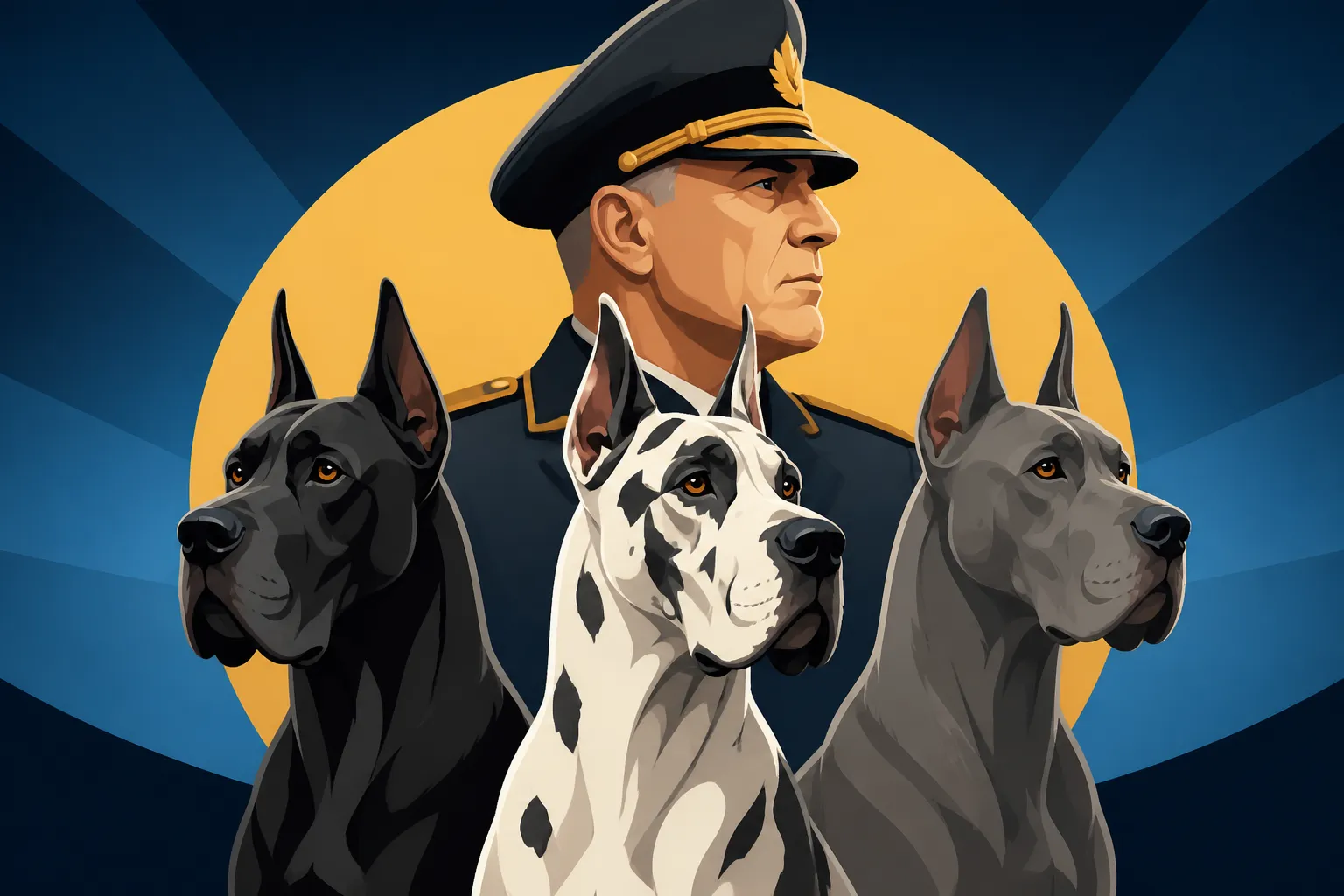
Bismarck's love for dogs was well-documented by his contemporaries and in his own writings. He found solace and unwavering loyalty in his canine friends, a stark contrast to the often fickle and treacherous world of politics he navigated. His Great Danes were more than just animals; they were members of his household, often seen accompanying him on walks through his estates or even resting at his feet during important meetings. The image of the powerful statesman with a magnificent Great Dane by his side resonated deeply with the public and contributed to his iconic status. He reportedly valued their honesty and simple devotion, qualities he perhaps found scarce elsewhere.
Why the Great Dane Aligned with Bismarck's Image
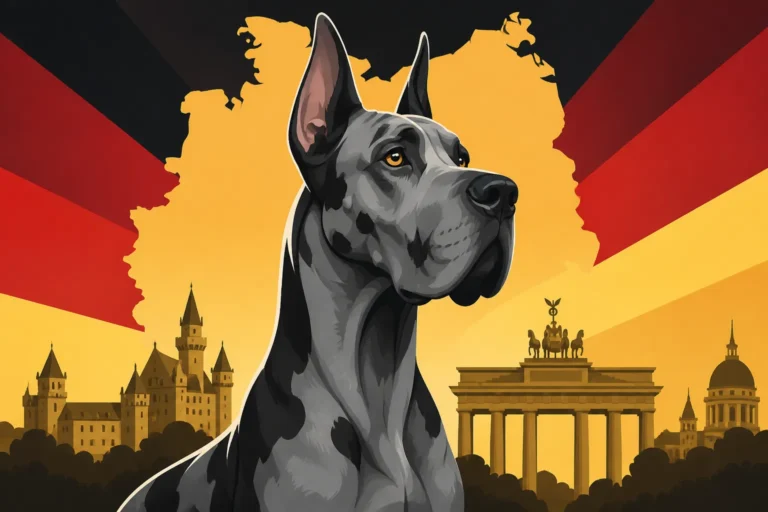
It’s no coincidence that a figure as imposing and influential as Bismarck chose the Great Dane as his breed of choice. The Great Dane, with its regal bearing, immense size, and noble presence, perfectly mirrored the image Bismarck projected onto the world. This was a breed originally developed for hunting wild boar, demanding courage, strength, and an intimidating stature – qualities that aligned with the "Iron Chancellor's" own persona. The breed’s steadfast loyalty and protective nature also spoke volumes about Bismarck's expectations of loyalty from his allies and subjects. It wasn't just a pet, but an extension of his personal brand, reinforcing his image as a powerful, unwavering leader. This connection certainly played a role in elevating the Great Dane's status, contributing to its eventual recognition as The Great Dane as Germany's National Breed.
Identifying Bismarck's Specific Great Danes
While Bismarck's reputation for owning Great Danes is well-established, identifying each specific dog can be a little like tracing historical anecdotes – details sometimes blur over time. However, a few names stand out, particularly the renowned "Tyras," which became almost synonymous with Bismarck's canine companions. It's clear he had a succession of these grand dogs, each leaving their paw print on his life.
Tyras I: The Most Famous Companion
The most famous of Bismarck's Great Danes was undoubtedly Tyras I. This magnificent dog was often depicted alongside Bismarck in paintings and photographs, solidifying his place in history. Tyras I was known for his imposing size, loyalty, and calm demeanor, even amidst the hustle and bustle of Bismarck's busy life. Anecdotes suggest that Tyras I was incredibly devoted, often waiting patiently by the door for Bismarck's return or resting quietly at his feet. One particularly well-known story involves Tyras I defending Bismarck against a potential assassin, though the details are sometimes embellished in folklore. Regardless of the exact truth, such tales highlight the perceived protective nature of the dog and the deep bond they shared. Tyras I wasn't just a pet; he was a steadfast companion who provided comfort and a sense of security to the demanding statesman.
Tyras II and the Continuity of Companionship
Bismarck's affection for the name "Tyras" extended beyond just one dog. Following Tyras I, there was Tyras II, indicating a clear desire to continue the legacy of companionship with the breed. This succession of similarly named dogs underscores Bismarck's deep and lasting commitment to Great Danes. It wasn't a fleeting fancy but a profound preference for the breed's characteristics. While Tyras II might not have achieved the same level of individual fame as his predecessor, his presence in Bismarck's life confirmed that these dogs were more than mere accessories. They were beloved family members. The continuity of having a "Tyras" suggests a desire for that particular kind of loyal, imposing, and comforting presence in his home, much like continuing a family tradition.
Other Great Danes in the Bismarck Household
Beyond the famous Tyras lineage, it's plausible that Bismarck owned other Great Danes, or at least other large dog breeds, throughout his long life. Historical accounts sometimes mention various dogs without specific names, reflecting a household that was generally open to canine companions. These dogs would have enjoyed a life of relative privilege, cared for by household staff and accompanying Bismarck on his daily routines. While specific details about other unnamed Great Danes are scarce, the overall impression is one of a man who consistently sought the company of these majestic animals. Their diet, likely consisting of high-quality meats and grains (for the era), would have been substantial, and their living quarters spacious, much like what you might find on a large estate. Today, providing for a large dog like a Great Dane is made easier with services like Chewy, where you can find giant-breed-specific food and accessories with a few clicks.
Here's a brief overview of the most noted Great Danes associated with Otto von Bismarck:
| Dog's Name | Period Noted | Key Characteristics | Historical Significance |
|---|---|---|---|
| Tyras I | ~1870s | Large, loyal, protective | Most famous, depicted in art, subject of protective anecdotes |
| Tyras II | Later years | Continuation of the Tyras lineage | Demonstrated Bismarck's enduring preference for the breed |
| Other Danes | Throughout his life | Generally large, loyal companions | Contributed to his image, provided personal comfort |
The Legacy of Bismarck's Great Danes
Bismarck's ownership of Great Danes left an indelible mark not only on his personal story but also on the breed itself and its place in public consciousness. His prominent association with these dogs helped to cement their image and elevated their status in Germany and beyond.
Shaping the Breed's Public Perception
The "Iron Chancellor's" high-profile ownership undoubtedly played a significant role in popularizing the Great Dane. For a powerful statesman to choose such a dog as his constant companion lent immense prestige to the breed. It reinforced the idea of the Great Dane as a noble, dignified, and courageous animal, fit for the most important figures. This association helped to establish the Great Dane as a symbol of German strength and character, especially during a time when Germany was asserting its identity on the world stage. It contributed to the breed being seen as truly special, more than just a large dog, but an emblem of particular virtues. This kind of historical endorsement is priceless, shaping how future generations would view and value the breed, reinforcing why it was also called The Great Dane's Reputation as the Apollo of Dogs.
Their Role in Historical Depictions
Bismarck's Great Danes, particularly Tyras I, were not just in the background of his life; they were often front and center in historical representations of him. Numerous paintings, sculptures, and political cartoons from the era feature Bismarck with a Great Dane by his side or at his feet. These artistic depictions weren't just about accuracy; they served to enhance Bismarck's image, portraying him as a man of substance, strength, and quiet dignity, softened by the presence of his loyal dog. The visual motif became so iconic that even today, many historical portrayals of Bismarck include a Great Dane. It's a testament to the powerful visual and emotional impact these dogs had, becoming part of the historical narrative. If you wanted to find historical prints or books mentioning these dogs, an online retailer like Chewy might even have resources that could lead you to such fascinating pieces of history.
The Enduring Bond Between Man and Dane
Ultimately, the story of Bismarck and his Great Danes is a powerful example of the enduring bond between humans and their canine companions. Beyond the political symbolism or public image, there was a genuine, personal connection. For a man under immense pressure, the unwavering loyalty and unconditional affection of a Great Dane would have been invaluable. These dogs provided comfort, companionship, and perhaps a much-needed grounding presence in a life filled with weighty decisions. It highlights that even the most formidable historical figures can find solace and simple joy in the presence of a devoted animal. Whether it was The Manners a Great Dane Needs Before It Grows or simply Whether Great Danes Are Really Calm Indoors, these dogs surely brought a unique dynamic to Bismarck's private world. Their story reminds us that while the breed has a rich history, what truly matters is the individual relationship forged between a person and their pet, a connection that transcends time and politics.
Disclaimer
This article is for general informational purposes only and does not constitute professional advice. Laws, prices and regulations vary by location and change over time. Consult a qualified professional for guidance on your specific situation.