When Germany Adopted the Great Dane Officially
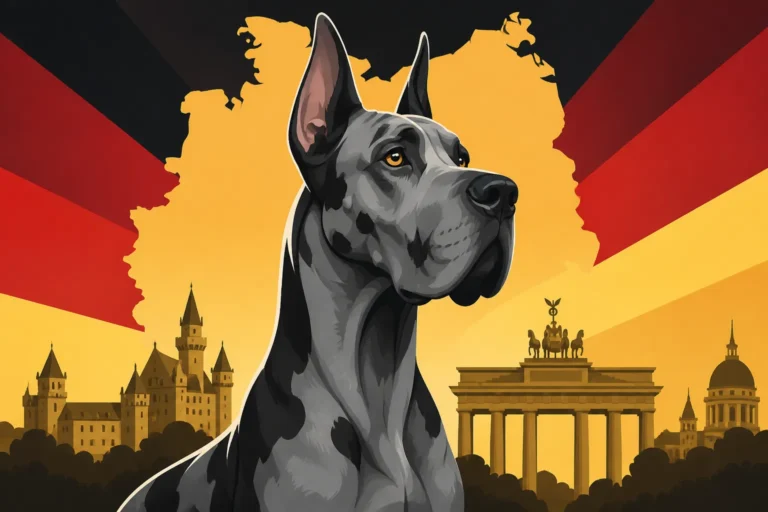
It’s a common point of confusion, isn’t it? With a name like "Great Dane," you’d naturally assume this magnificent breed hailed from Denmark. But the truth is, the Great Dane's history is deeply intertwined with Germany, its true country of origin. This guide will walk you through the fascinating journey of how Germany officially adopted and championed this impressive canine, solidifying its place as the "Deutsche Dogge" in the hearts of its people and the pages of history.
Dispelling the Danish Myth: The Great Dane's True German Roots
For many years, the "Great Dane" name itself has been a source of historical misdirection, leading countless dog lovers to mistakenly believe its origins lie in Denmark. The reality is far different. While large, powerful hounds existed across Europe for centuries, the specific breed we recognize today as the Great Dane, with its distinct characteristics and temperament, was meticulously developed and refined in Germany. These werenes't just any big dogs; they were selectively bred for particular traits, moving beyond their ancient roles as aggressive boar hounds to become the noble companions we know. You see, the historical context paints a picture of German nobility and hunters who sought a dog capable of tackling dangerous wild boars – powerful animals with formidable tusks – while also possessing the grace and presence suitable for aristocratic estates.
The ancestors of our modern Great Danes were formidable hunters, often referred to as "Boar Hounds" or "German Mastiffs." They were dogs of incredible strength, speed, and courage, essential for the perilous sport of wild boar hunting, which was a favorite pastime among German royalty and the upper classes. These dogs weren't simply big; they were athletic, with a keen sense of purpose and an undeniable presence. Over generations, breeders in various German states worked tirelessly to perfect this type, emphasizing specific physical attributes for hunting and, increasingly, a more refined temperament for companionship within the home. This crucial period of development, stretching through the 17th and 18th centuries, laid the foundational blueprint for the breed. If you're curious about their ancient heritage, you might want to read about The Boar Hound the Great Dane Descends From.
It's important to understand that before official recognition, there wasn't a single, uniform "Great Dane" as we know it. There were regional variations, different lines, and specific types favored by various noble houses. Each area might have had its own preferred characteristics, leading to a rich tapestry of large hound development throughout Germany. The process of standardizing these diverse lines into a cohesive breed required a concerted effort to define what exactly constituted the ideal "Deutsche Dogge" – the German Dog. This pursuit of a national type eventually led to the organized efforts that would formally present the breed to the world as distinctly German, despite the lingering "Dane" in its international name.
Bismarck's Influence and the Rise of the "Deutsche Dogge"
The 19th century was a period of intense nationalism and cultural awakening in Germany, a time when many Germans sought to define and celebrate their unique identity. It was against this backdrop that the movement to officially recognize the Great Dane as a truly German breed gained significant momentum. The existing English name, "Great Dane," was seen by many as a misnomer that inaccurately attributed the breed's origins. There was a strong desire to shed this foreign designation and assert the dog's true heritage.
Enter Otto von Bismarck, the legendary "Iron Chancellor" who played a pivotal role in unifying Germany. Bismarck was not just a political figure; he was also a passionate dog lover, and famously kept several Great Danes, referring to them affectionately as his "Reichshunde" (Imperial Dogs). His personal affinity for the breed gave it an enormous boost in national prestige and visibility. When a figure of such influence champions a cause, people listen. Bismarck's public appreciation for the breed was instrumental in cementing its image as a noble, courageous, and quintessentially German animal, embodying the strength and dignity that the newly unified Germany wished to project. You can delve more into this fascinating historical connection by reading Bismarck and His Great Danes.
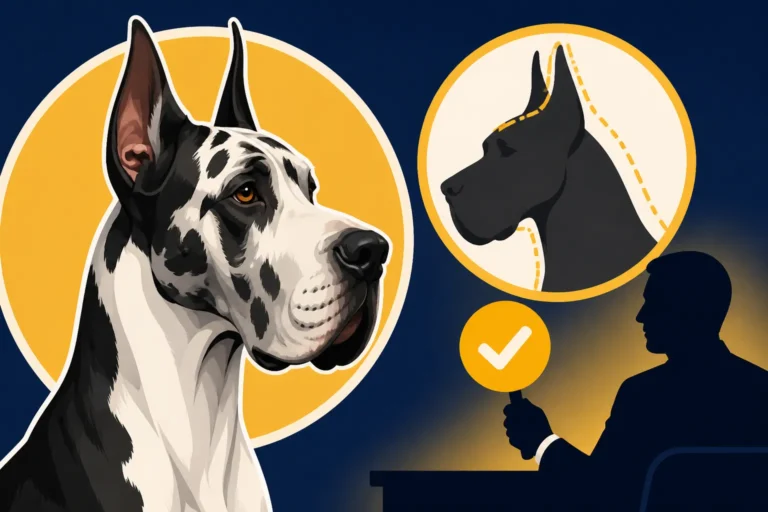
The drive to establish a national breed standard was paramount during this time. Before official clubs and standards, judging a dog's "breed purity" was often subjective. Breeders and enthusiasts began to coalesce around shared ideals for the breed's appearance, temperament, and working ability. This wasn't just about pride; it was about ensuring the consistent development and health of the breed. Discussions centered on everything from acceptable coat colors and markings to desirable head shapes and overall conformation. These efforts aimed to create a definitive blueprint for the "Deutsche Dogge," a clear guide for all future breeding, thereby solidifying its identity and ensuring its integrity for generations to come. Many resources, even modern ones like Chewy, list the breed under its recognized German name, acknowledging this important history.
The Formal Declaration: When Germany Embraced Its National Dog
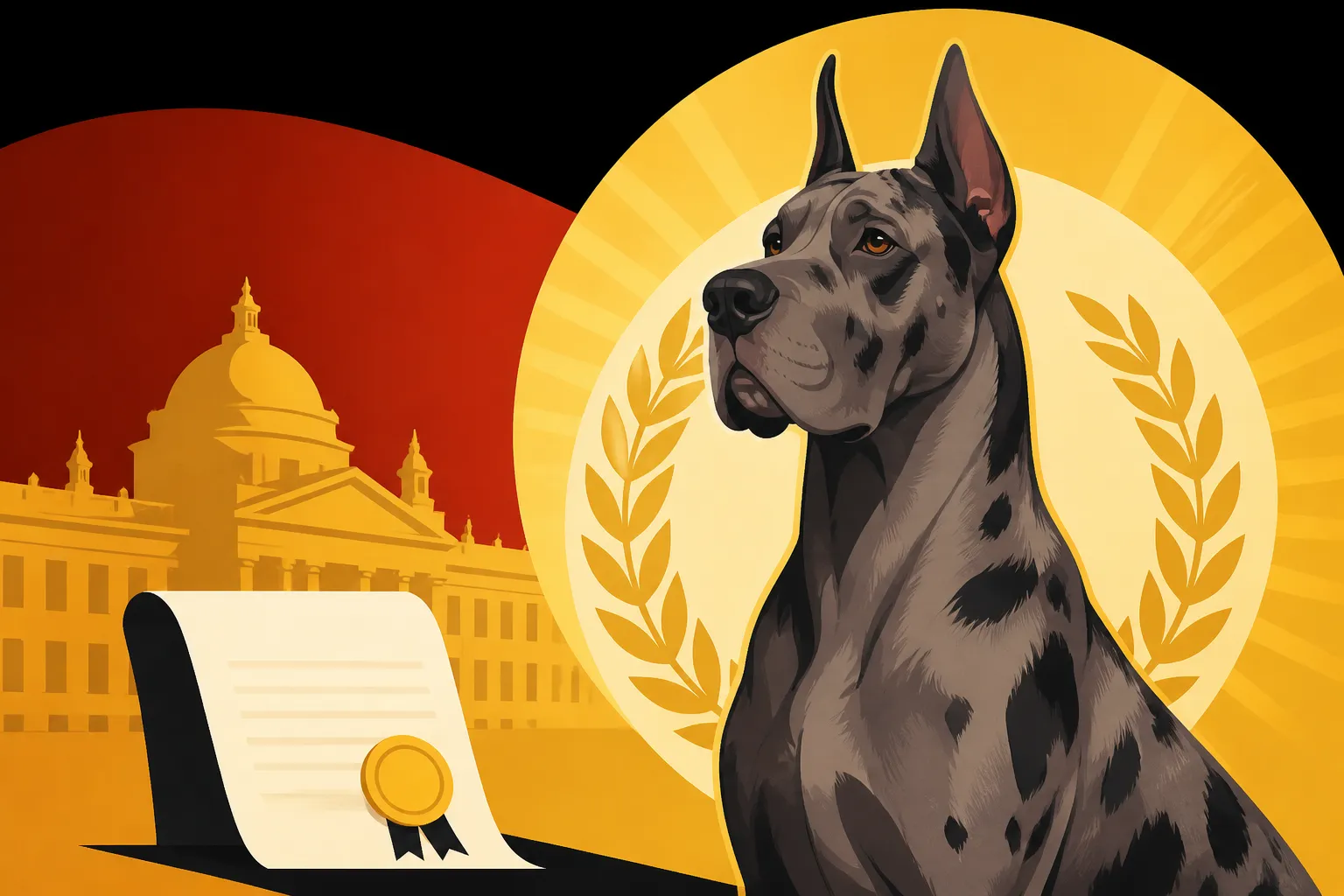
The official adoption of the Great Dane as Germany's national breed wasn't a single proclamation but rather a culmination of dedicated efforts by breeders and enthusiasts. The pivotal moment arrived in 1878. This year marked a significant turning point in the breed's history. During a meeting in Berlin, a committee of breeders and judges, under the guidance of Dr. Bodinus, made the crucial decision to classify the various types of German boar hounds under one unified name: Deutsche Dogge, or German Mastiff. This was a bold and definitive statement, unequivocally claiming the breed as German.
This wasn't just a renaming; it was an act of national pride and a formal recognition of decades of breeding work within Germany. By adopting the name "Deutsche Dogge," they actively rejected the misnomer "Great Dane" and asserted the breed's true lineage. This committee also set about establishing the very first breed standard. This standard was a detailed document outlining the ideal characteristics of the Deutsche Dogge, covering everything from size and conformation to temperament and coat. It served as the official blueprint for all future breeding and showing, ensuring that the breed would develop consistently and predictably. You can learn more about this foundational document in The First German Great Dane Standard.
The year 1879 saw the formation of the Deutscher Doggen-Club (German Great Dane Club) in Berlin, which further solidified the breed's official status. This club took on the responsibility of maintaining the standard, registering dogs, and promoting responsible breeding practices. Their efforts were crucial in establishing the Deutsche Dogge not just as a hunting dog or a noble companion, but as a recognized and cherished national symbol. This official embrace meant that the breed was no longer a collection of regional types but a unified, celebrated German heritage dog, setting it firmly on its path to international recognition, albeit often still under its English name.
The table below provides a simplified timeline of these key moments:
| Year | Event | Significance for Great Dane |
|---|---|---|
| Pre-1800s | Regional Boar Hounds in Germany | Ancestors developed for hunting, varied types. |
| Mid-1800s | Otto von Bismarck's Influence | Boosted breed prestige, associated with German identity. |
| 1878 | Berlin Committee Meeting | Official declaration of "Deutsche Dogge" name, unified types. |
| 1879 | Deutscher Doggen-Club Founded | Established breed standard, national club for oversight. |
| Post-1879 | International Recognition | Breed gains traction globally, often as "Great Dane". |
This formal adoption had a profound impact, not just within Germany but also internationally. While the English-speaking world continued to call them "Great Danes," the German efforts ensured that the breed's official and true designation was "Deutsche Dogge." It’s a testament to the dedication of those early breeders and advocates who felt a deep connection to these magnificent animals and understood their historical significance. If you've ever wondered Why Germany Calls the Great Dane Deutsche Dogge, this period explains it all.
The Enduring Legacy: How Official Recognition Shaped the Breed
The official recognition of the Great Dane as the "Deutsche Dogge" in Germany in 1878-1879 profoundly influenced the breed's trajectory, solidifying its identity and ensuring its preservation and consistent development for generations to come. This wasn't merely a symbolic gesture; it was a practical step that gave the breed a clear framework, allowing for focused breeding goals and widespread acceptance.
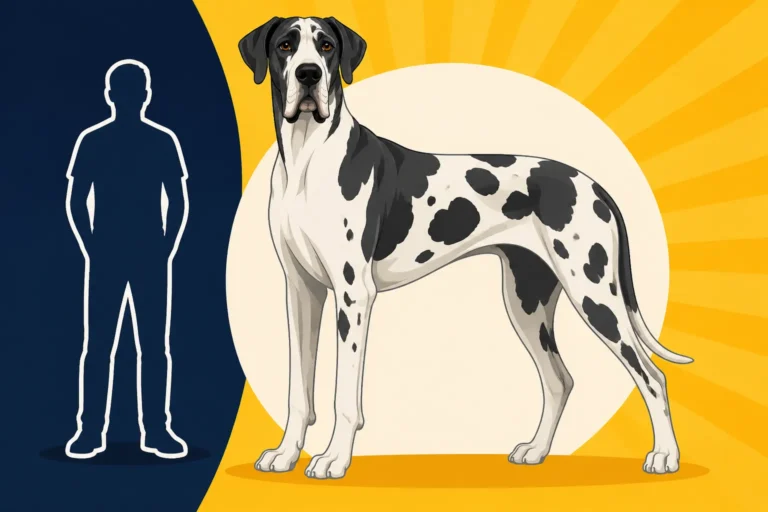
One of the most immediate impacts was the establishment of a consistent breed standard. Before this, local preferences often led to variations that, while interesting, could dilute the overall type. With a formal standard, breeders across Germany, and eventually worldwide, had a shared vision of the ideal Great Dane. This standard dictated everything from the dog's majestic height and powerful musculature to its noble head and distinctive temperament. This consistency meant that when you looked at a Deutsche Dogge, whether it was in Bavaria or Brandenburg, you would recognize the same core characteristics. This allowed for more predictable breeding outcomes, promoting health and conformation, and ultimately safeguarding the breed's future. For more on how breed standards guide responsible breeding, you might consider reading The Health Testing a Great Dane Breeder Owes You.
The establishment of the Deutscher Doggen-Club also provided an organizational backbone for the breed. This club became the central authority for registering dogs, maintaining pedigrees, and organizing dog shows. These shows were crucial platforms for breeders to exhibit their dogs, compare notes, and strive towards the ideal outlined in the standard. This competitive yet collaborative environment fostered continuous improvement within the breed lines. Without such a formal structure, individual breeding efforts might have faltered, and the breed could have fragmented or even disappeared. This institutional support allowed for a unified voice in advocating for the breed's welfare and promoting responsible ownership, values that are still championed today by organizations like Chewy when providing educational content about specific breeds.
Internationally, Germany's official adoption of the Deutsche Dogge provided a clear point of origin and reference. While the "Great Dane" name continued to be used in many countries, the German standard often served as the foundation for breed standards adopted by kennel clubs around the world. This meant that even dogs shown under the name "Great Dane" in America or elsewhere were largely judged against the template established by the German breeders. This historical recognition underscores the pride and dedication that went into shaping this magnificent animal into the "Apollo of Dogs," a testament to its imposing stature, elegant lines, and gentle nature. It ensured that the Great Dane would be known globally, not just as a large dog, but as a distinct and highly esteemed breed with a well-documented history and a powerful national connection.
Disclaimer
This article is for general informational purposes only and does not constitute professional advice. Laws, prices and regulations vary by location and change over time. Consult a qualified professional for guidance on your specific situation.