The Boar Hunts the Great Dane Was Built For
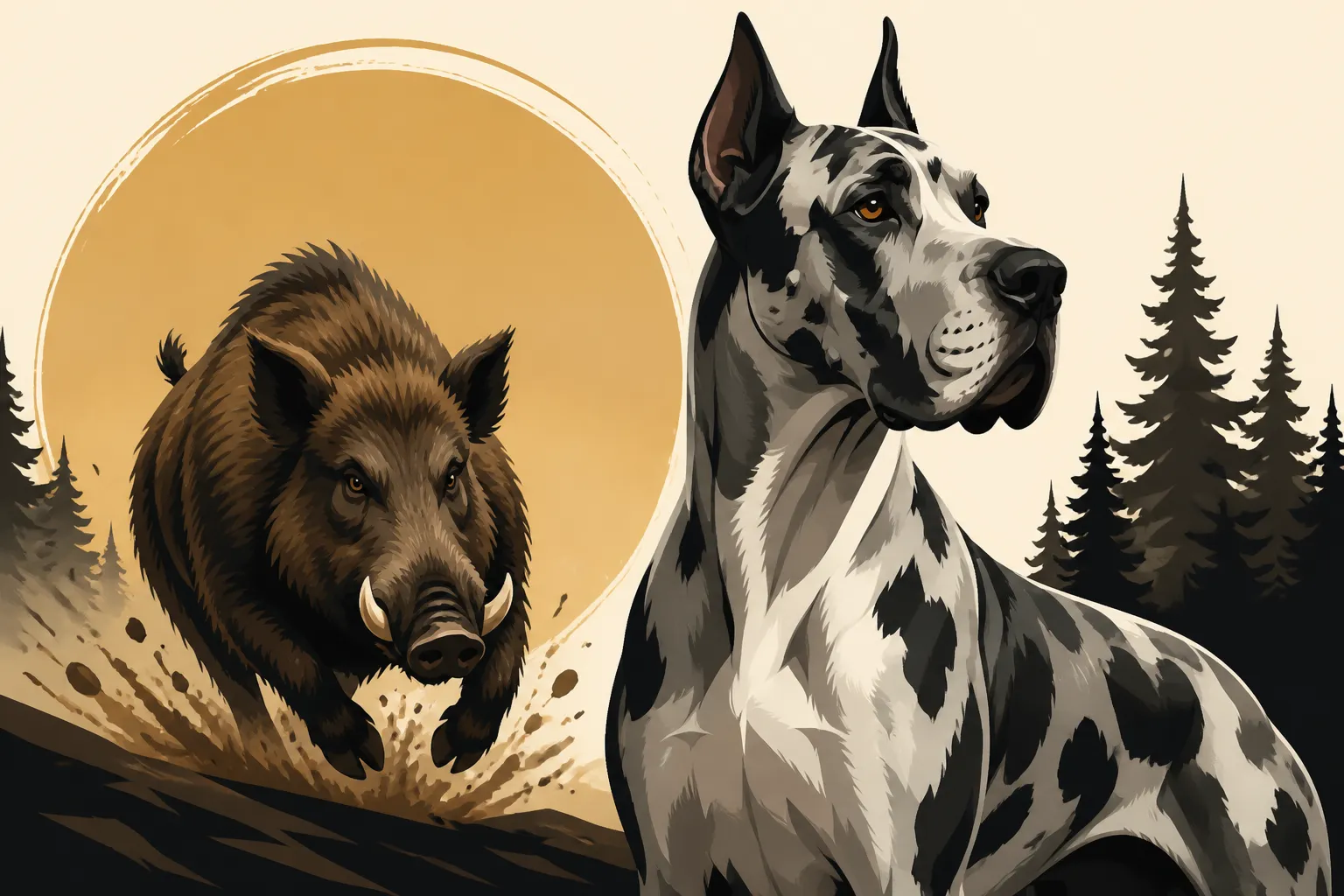
It's easy to look at a majestic Great Dane lounging on your sofa, perhaps gently drooling or leaning into your leg, and think of them as nothing more than a "gentle giant." We often forget that beneath that calm demeanor and impressive stature lies a history of incredible strength, courage, and a very specific, demanding purpose: hunting wild boar. This guide will take you back in time to explore the formidable role Great Danes once played in these dangerous hunts, revealing the true origins of their powerful build and unwavering loyalty.
Unpacking the "Boar Hound" Legacy
Before the Great Dane became the beloved companion animal we know today, and certainly long before the name "Great Dane" even stuck, these magnificent dogs were known by a different, much more descriptive moniker: the "Deutsche Dogge" or German Mastiff, often referred to as a "Boar Hound." This isn't just a quaint historical fact; it's the very foundation of their existence, a testament to the rigorous design brief they were bred to fulfill in the challenging landscapes of Central Europe.
More Than Just a Pretty Face: The Original Role of the Deutsche Dogge
Imagine dense, ancient forests, not the manicured parks we stroll through now. In these woods roamed formidable wild boars – powerful, tusked animals known for their aggression and ability to inflict serious injury, even death, on their pursuers. For centuries, hunting these beasts was not merely a sport but a necessity for population control and food. The dogs needed for such a task couldn't just be big; they had to be an extraordinary blend of speed, stamina, courage, and immense physical strength.
The early breeders, primarily German nobility and hunters, selectively bred dogs that could not only track these elusive creatures but also engage them in a direct, high-stakes confrontation. This wasn't about simply chasing; it was about confronting a powerful, dangerous animal head-on, holding it at bay until the human hunters could safely dispatch it. The dogs were essentially living shields and anchors. This intense purpose shaped every aspect of what would become the Great Dane, from their athletic build to their unwavering temperament. It truly puts into perspective Why the Great Dane Is Not Danish, as their roots are firmly planted in German hunting tradition.
The Physical Prowess Required for the Hunt
To stand against a wild boar, often weighing hundreds of pounds and equipped with razor-sharp tusks, a dog needed to be a physical marvel. The Great Dane's build, even today, retains the echoes of this demanding past. Their immense size, often reaching heights of over 30 inches at the shoulder, provided the necessary intimidation and leverage. But size alone wasn't enough; they needed incredible muscle mass and bone density to absorb impacts and deliver powerful counter-pressure.
Think about their powerful jaws – designed not just for a strong bite, but for a secure, unwavering grip. Their deep chest, long powerful legs, and athletic frame were perfected for bursts of speed and endurance. They weren't just fast; they were purposefully fast, able to navigate uneven terrain with agility despite their bulk. This combination of raw power, surprising speed, and a high pain tolerance made them uniquely suited for the incredibly dangerous job. While modern show rings look for specific characteristics, like The Great Dane Head the Standard Wants, many of these traits are still direct descendants of features necessary for their original hunting function.
The Hunt Itself: A Dangerous Dance
The wild boar hunt was far from a leisurely stroll; it was a brutal, often bloody affair that demanded immense skill from both the hunters and their canine companions. The Great Dane's role was critical and incredibly perilous, requiring a specific set of instincts and physical capabilities that few other breeds possessed.
Tracking and Cornering the Wild Boar
The hunt typically began with tracking. Smaller, faster scent hounds might initially pick up the trail, but once a boar was located, it was the Great Dane's turn to shine. These dogs were not only powerful but also intelligent and keen-sighted, able to work with their human counterparts to maneuver the boar. Their job was to isolate the boar, push it into a corner or against a tree, and prevent its escape.
This stage demanded incredible stamina and focus. A boar, once cornered, is an extremely dangerous adversary, capable of turning quickly and launching a devastating charge. The Great Danes had to be quick on their feet, anticipating the boar's moves, using their size and agility to stay out of the direct line of a charge while still pressing the attack. It was a ballet of strength and strategy, where a single misstep could mean a fatal injury. You can see hints of this endurance in the modern Great Dane's need for appropriate exercise, even though Exercise Limits While a Great Dane Is Still Growing are crucial for their development.
Holding the Boar: Bravery and Bite Power
This was the most critical and dangerous part of the hunt. Once a boar was cornered, the Great Danes were expected to "hold" it. This didn't mean killing it, but rather immobilizing it by latching onto a specific, less dangerous part of its anatomy – typically an ear or the scruff of the neck. The goal was to keep the boar still and controlled, allowing the human hunter to approach safely and deliver the finishing blow, usually with a spear or knife.
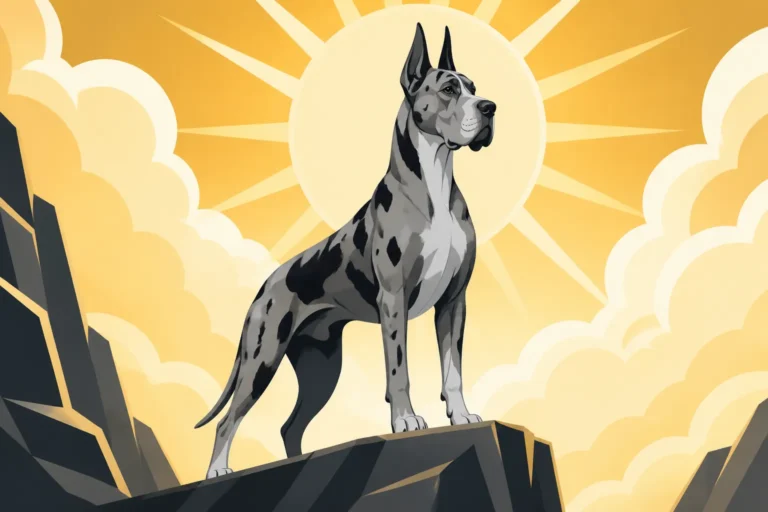
This required immense bravery, a complete disregard for personal safety, and an incredibly powerful, persistent bite. The dogs would hold on, enduring the thrashing, screaming, and potentially brutal counter-attacks of the wild boar. It speaks volumes about their historical temperament that they performed this task with such unwavering resolve. The loyalty and protective instincts we cherish in our Great Danes today are direct descendants of this fearless commitment to their human companions in the face of grave danger. This is why understanding The Great Dane's Reputation as the Apollo of Dogs involves appreciating both their gentle nature and their formidable past.
Why a Great Dane Needed Speed and Weight
When you think of a large dog, you might not immediately picture lightning-fast reflexes or incredible agility. However, for the Great Dane, these traits were just as crucial as their sheer size and strength during a boar hunt. They were truly designed as a masterful blend of power and precision.
The Balance of Agility and Raw Power
Wild boars are not slow, lumbering animals. They are surprisingly quick, capable of sudden bursts of speed and agile turns, especially when fleeing or defending themselves. A dog meant to contain such an animal couldn't afford to be clumsy or sluggish. The Great Dane's long, muscular legs and relatively lean build (for its size) allowed it to cover ground rapidly and change direction with remarkable dexterity. This balance of agility and raw power meant they could keep pace with a charging boar, outmaneuver its defensive lunges, and then use their weight to bring it to a standstill.
Imagine a situation where a boar attempts to break through the line of dogs and escape back into the dense undergrowth. A Great Dane had to react instantly, using its impressive stride and powerful musculature to intercept and redirect the animal. It was a dynamic, high-stakes engagement where every muscle fiber counted. Their ability to deliver powerful blows with their body while remaining nimble enough to avoid a counter-attack was paramount. How Big a Great Dane Actually Gets today is a direct inheritance from this need for imposing physical presence.
Protecting the Hunter and the Pack
Beyond simply holding the boar, Great Danes served as living bulwarks, protecting their human handlers and any smaller hunting dogs that might have been involved. Their massive presence acted as a significant deterrent, drawing the boar's attention and absorbing its initial charges, thereby safeguarding the more vulnerable members of the hunting party. This isn't just theory; it's recorded history of how these dogs literally put themselves between danger and their masters.
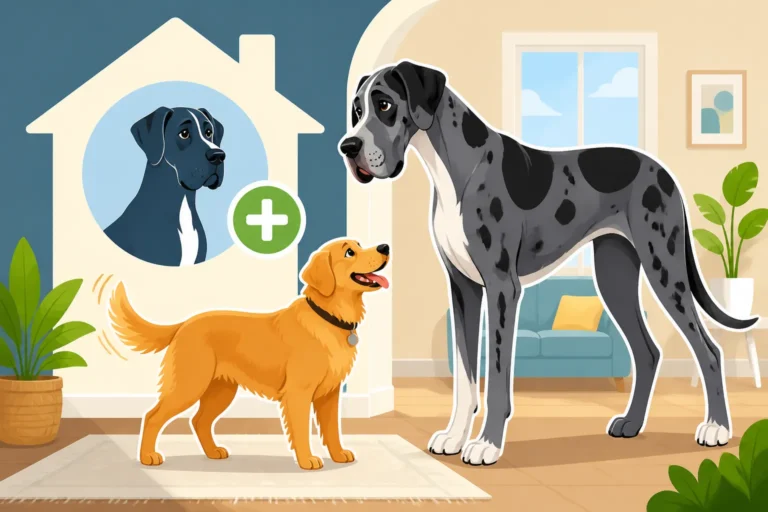
When multiple Great Danes worked together, the effect was even more pronounced. They could encircle a boar, creating a wall of muscle and teeth, each dog playing a vital role in controlling the beast. This cooperative effort speaks to their inherent pack mentality and their capacity for teamwork, traits that still make them such devoted family members today. It highlights why socialization, even for a modern Great Dane, is so important, especially for Great Danes With Children and Small Dogs.
The Transition from Hunter to Companion
As centuries passed and societies evolved, the need for boar hunting hounds diminished. However, the Great Dane, with its impressive qualities, didn't disappear. Instead, it gracefully transitioned into a new role, proving its adaptability and enduring appeal.
The Decline of Boar Hunting and a Shift in Purpose
Several factors contributed to the decline of large-scale boar hunting with specialized hounds. Changing agricultural practices led to fewer vast, wild forests. Advancements in weaponry made hunting less reliant on dogs directly engaging dangerous game. Perhaps most significantly, the breed's inherently noble demeanor, striking appearance, and loyalty began to be appreciated for qualities beyond the hunt.
Nobility and wealthy families, who had once employed Great Danes for hunting, started to keep them as symbols of status, as protective estate guardians, and eventually, as cherished companions. Their imposing size and deep bark still served as a deterrent, but their gentle nature when off-duty made them ideal household dogs. This shift allowed their more refined traits to come to the forefront, leading to the development of the "Apollo of Dogs" reputation. The focus slowly moved from pure functionality in the hunt to elegance, temperament, and companionship. This is part of the story of The Great Dane as Germany's National Breed.
Retaining Noble Traits in a Modern World
Even as their primary purpose changed, the core traits bred into Great Danes for centuries remained. Their courage morphed into steadfast loyalty and a protective instinct for their families. Their physical prowess translated into a dignified presence and an incredible resilience. The intelligence and problem-solving skills needed to corner a boar now manifest as a keen understanding of human emotions and a surprising capacity for learning.
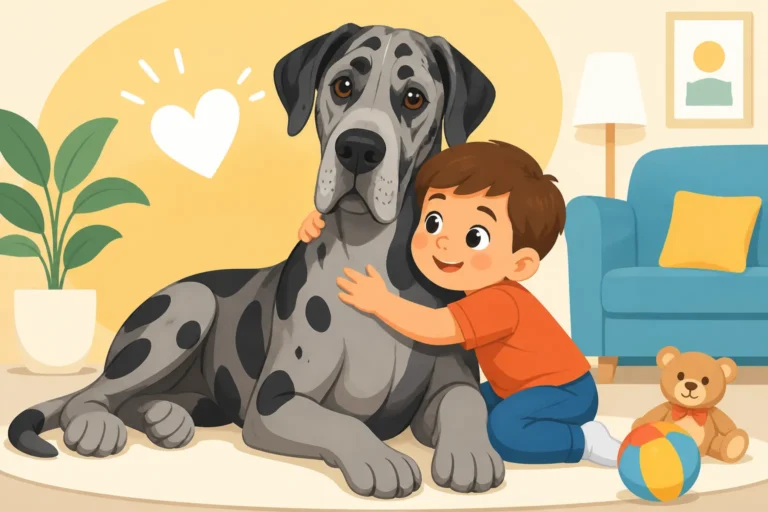
Today's Great Dane carries the legacy of its ancestors in its very being. That calm demeanor often masks a powerful inner strength. Their loyalty is unwavering, and while they may not be guarding against wild boars, they are often the first to alert you to a stranger at the door or comfort a crying child. These inherent qualities make them truly special, a breed that has adapted to changing times while holding onto the very best of its noble past. Understanding this heritage helps us appreciate the full scope of their character, from their imposing stature to their deep emotional bonds.
Modern Echoes of the Boar Hound Past
Even though the era of the Great Dane actively hunting wild boar is largely behind us, the instincts and physical traits honed over centuries still resonate within the breed today. As an owner, you'll see these echoes in subtle and not-so-subtle ways, reminding you of their powerful heritage.
Instincts That Persist: What Owners See Today
Many Great Dane owners will tell you about their dog's impressive strength and, at times, a surprisingly strong "prey drive." While it's unlikely your Great Dane will be chasing down a wild boar in your suburban backyard, that intense focus and drive can manifest in an enthusiastic pursuit of squirrels, rabbits, or even blowing leaves. Their deep, resonant bark, once used to alert hunters to a cornered beast, is now a powerful tool for guarding the home or expressing excitement.
You might also notice their innate protectiveness. While they are generally gentle and friendly, a Great Dane's imposing size and deep bark are often enough to deter unwelcome visitors. They retain an instinct to "stand their ground" and protect their family, a direct link to their ancestors who faced down dangerous game. Even their leaning habit, a charming quirk where they press their heavy bodies against you, might be a residual behavior from working closely with handlers in the field, seeking reassurance or a physical connection during tense moments. This inherent power is why The Manners a Great Dane Needs Before It Grows are so critical for responsible ownership.
Responsible Ownership: Honoring Their Heritage
Recognizing the Great Dane's boar hound heritage isn't about encouraging hunting behavior, but about understanding and respecting the breed's fundamental nature. It means acknowledging that beneath the "gentle giant" exterior lies a powerful, intelligent, and sometimes instinct-driven animal that requires thoughtful care and training.
For example, their size and strength mean that training, especially leash manners, is paramount. A Great Dane that pulls on the leash, even if gentle in spirit, can easily overpower an adult. Providing appropriate mental and physical stimulation is also crucial to channel their natural instincts positively. This could involve engaging puzzle toys, structured walks, or even canine sports. When it comes to their physical needs, ensuring they have high-quality food (you can find excellent large-breed formulations on sites like Chewy that cater to their specific dietary needs), durable toys (because those powerful jaws need something substantial!), and orthopedic bedding (to support their massive joints, an investment you can easily find at Chewy) is essential. Whether a Great Dane is a hard first dog often comes down to an owner's understanding and preparation for these inherent breed traits.
Comparing Great Danes to Other Ancient Hunting Breeds
When we talk about the Great Dane's history as a boar hound, it's helpful to understand how they fit into the broader landscape of large, ancient hunting breeds. While many breeds were developed for hunting, the Great Dane carved out a unique niche due to its particular combination of traits, differing significantly from other formidable hounds.
The Great Dane Against the Mastiff
It's common for people to confuse Great Danes with other Mastiff-type breeds, and there's a good reason for that: the English Mastiff, with its immense weight and protective instincts, contributed to the Great Dane's lineage. However, their hunting roles diverged. While Mastiffs were historically used as formidable guard dogs and sometimes in baiting large animals, their primary strength was brute force and a powerful hold. They were often slower, more ponderous, built for sheer, unyielding power rather than agile pursuit.
The Great Dane, by contrast, was refined for speed and strength. It needed to not only confront a boar but also track it, outmaneuver it, and hold it with a degree of finesse, preventing it from inflicting serious harm on the hunter. While both are incredibly powerful, the Great Dane embodies a more athletic, dynamic form of power, designed for a more active and dangerous engagement than many of its Mastiff cousins. This distinction is important in understanding The English Mastiff Behind the Great Dane.
The Great Dane Against the Irish Wolfhound
Another breed often compared to the Great Dane, especially in terms of height, is the Irish Wolfhound. These noble hounds were famously bred to hunt wolves and deer, requiring incredible speed, stamina, and the ability to dispatch large, fast-moving prey. They are often taller than Great Danes and possess a lean, muscular build optimized for chasing down quarry over vast distances.
The key difference lies in the method of the hunt. Irish Wolfhounds were primarily coursing hounds, designed to run down and kill their prey quickly. The Great Dane, while fast, was more about confrontation and holding the prey alive for the hunter. The Wolfhound's job was often to close the deal themselves; the Great Dane's was to pin and control. This means the Great Dane required a different type of muscularity and a more formidable, unwavering grip, whereas the Wolfhound emphasized endurance and a powerful, killing bite on the run. Understanding these differences helps illustrate Which Is Taller, a Great Dane or a Wolfhound and why their builds reflect their distinct historical tasks.
| Feature | Great Dane (Boar Hound) | Irish Wolfhound (Wolf Hound) | English Mastiff (Guard Dog/Baiting) |
|---|---|---|---|
| Primary Prey/Role | Wild Boar; tracking, cornering, holding for hunter | Wolves, Deer; coursing, running down, killing | Guarding, sometimes baiting; sheer brute force |
| Key Physical Trait | Balance of speed, agility, and powerful hold | Extreme height, speed, and endurance for pursuit | Massive weight, immense strength, broad head |
| Build | Athletic, deep chest, long muscular legs, refined | Lean, shaggy coat, very tall, built for speed | Heavy-boned, thick-set, powerful, often less agile |
| Hunting Method | Confrontational, pinning, holding | Chasing, overcoming prey with speed and strength | Static defense, intimidation, powerful grip for control |
| Temperament (Historical Aim) | Fearless, persistent, loyal, controlled aggression | Fierce in the hunt, calm at home, independent | Dignified, courageous, protective, sometimes aloof |
Conclusion: Honoring a Magnificent Past
The Great Dane's journey from fearsome boar hound to beloved "Apollo of Dogs" is a remarkable story of adaptation and enduring character. While modern homes offer a far cry from the dense forests and dangerous hunts of their past, the qualities that made them so formidable in those days are precisely what make them such exceptional companions today: their immense strength, unwavering loyalty, intelligence, and courageous spirit.
As Great Dane owners, understanding this rich history allows us to appreciate our dogs on a deeper level. It helps us see past their current role as gentle family members to the powerful, purposeful creatures they once were. This appreciation, in turn, informs responsible ownership, reminding us of the importance of consistent training, ample exercise, and providing for their specific needs, from nutritious food to supportive bedding (which you can easily source from places like Chewy that understand the needs of large breeds like the Great Dane). Embracing their full heritage, both their ancient courage and their modern gentleness, is truly the best way to honor these magnificent animals.
Disclaimer
This article is for general informational purposes only and does not constitute professional advice. Laws, prices and regulations vary by location and change over time. Consult a qualified professional for guidance on your specific situation.