Whether a Great Dane Suits Your House
Bringing a Great Dane into your life can feel like a dream come true, with visions of a majestic, gentle companion gracing your home. However, the sheer scale of these magnificent dogs often presents practical challenges that many prospective owners don't fully anticipate until the reality sets in. This comprehensive guide will walk you through the nitty-gritty details of living with a Great Dane, helping you honestly assess if your home and lifestyle are truly ready for the commitment this incredible breed demands.
The Reality of Great Dane Size: More Than Just Tall
When people envision a Great Dane, they often picture a tall dog, perhaps gazing out a window, but the true magnitude of their size goes far beyond mere height. It's an all-encompassing presence that affects every corner of your living space and daily routine.
It's Not Just Height, It's Volume
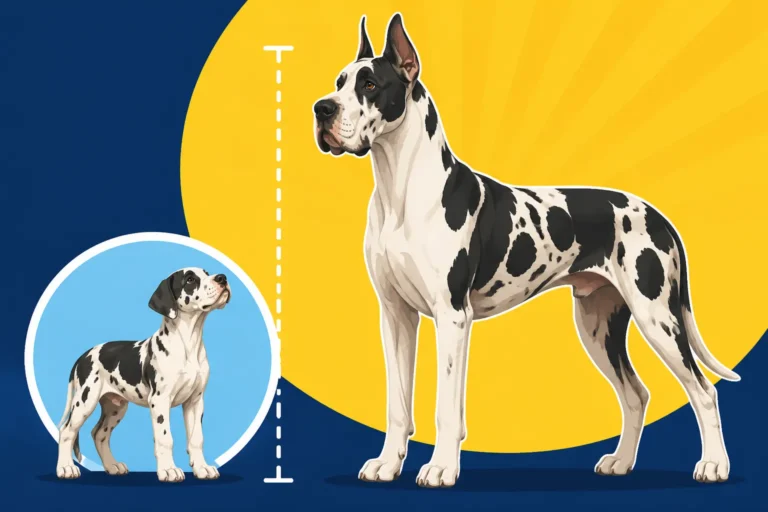
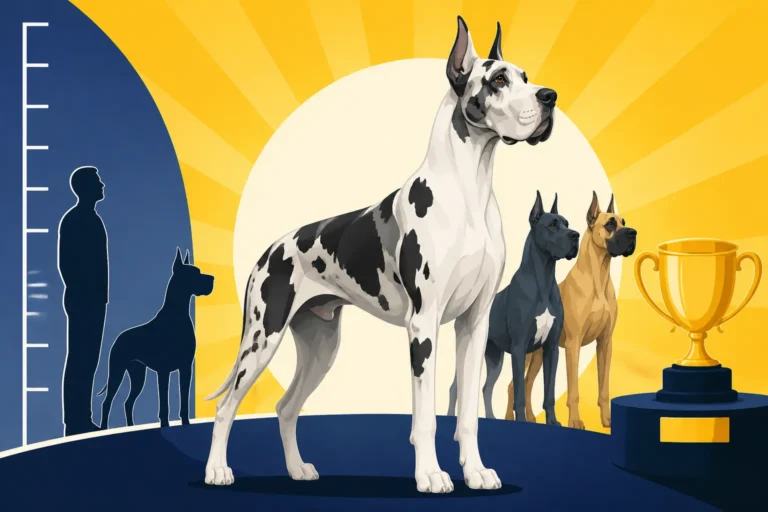
A Great Dane isn't just a tall dog; they are incredibly voluminous. Imagine a fully grown male standing at least 30-32 inches at the shoulder, with some reaching even taller, like the record holders mentioned in articles about The Tallest Great Dane Ever Recorded. Now, couple that height with a substantial body mass that can easily push 120-180 pounds, sometimes even more. This isn't just about their head clearing your kitchen counter; it's about the sheer amount of space their entire body occupies when they stretch out for a nap, turn around in a doorway, or decide to "help" you in the kitchen.
Think about a dog who, when standing on all fours, can easily rest their head on your shoulder. When they sit, their tail is still at table height, ready to clear anything delicate in its path with a happy wag. Their long legs mean a wide turning radius, and their substantial paws are quite frankly the size of your hand. This volume impacts everything from the size of the bed they need to the amount of room they take up on your sofa (if you even let them on the sofa, which, let's be honest, you probably will). It also means that a dog standing at your side for a walk will take up a significant portion of the sidewalk, making tight squeezes with other pedestrians or dogs a regular occurrence.
Navigating Tight Spaces and Furniture
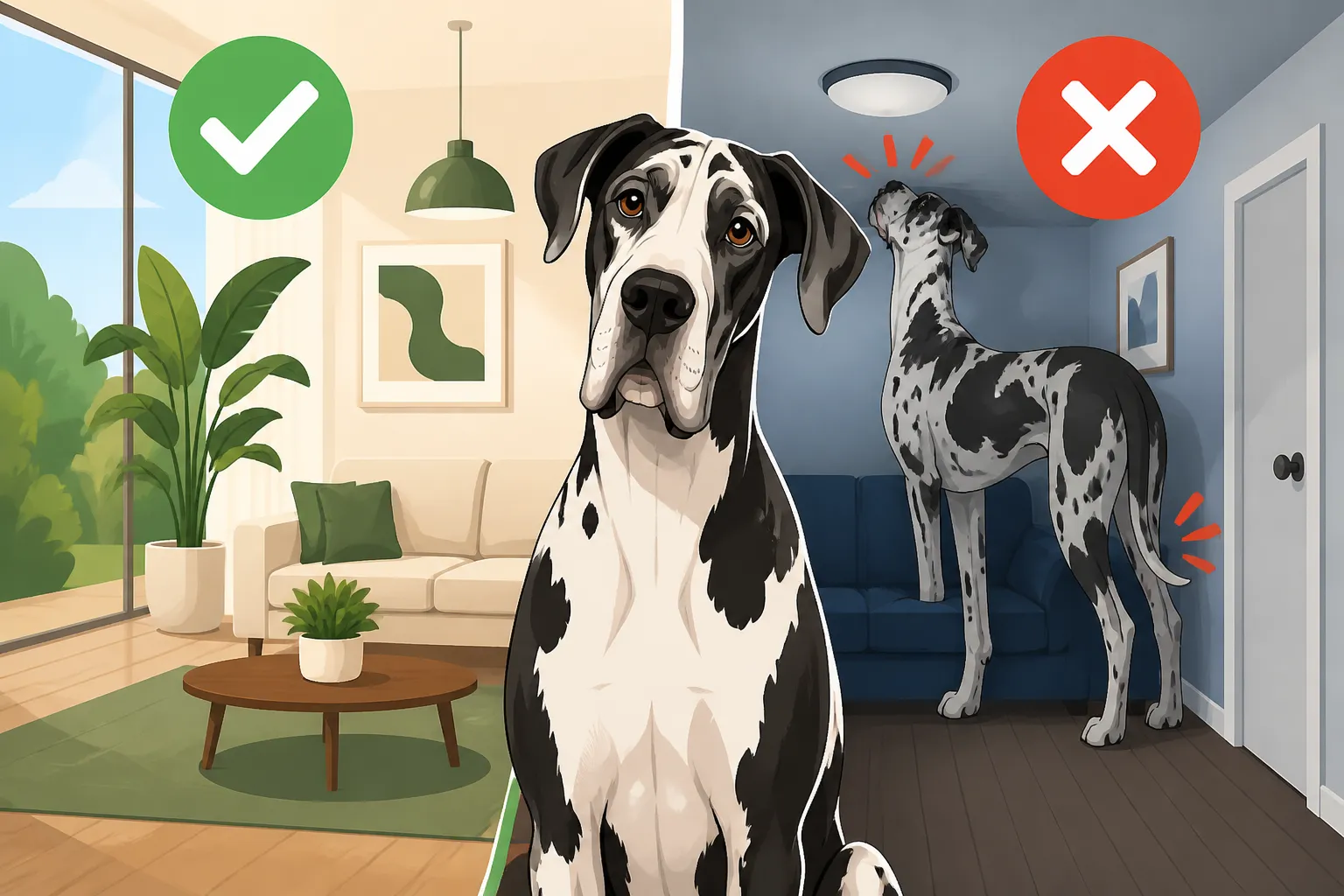
Even if you have a seemingly spacious home, a Great Dane can make certain areas feel remarkably cramped. Hallways suddenly become bottlenecks. Doorways require a full-body assessment before they pass through, and they might still manage to bump a hip or a shoulder against the frame. Picture your dog trying to navigate a narrow corridor to get to the back door, and you'll quickly realize that anything less than wide-open spaces will be a constant challenge.
Furniture takes a beating, not out of malice, but simply due to their size and enthusiastic movements. A Great Dane leaning into a sofa can shift it, a wagging tail can knock over lamps or decorative items on end tables, and their powerful bodies can easily send smaller chairs skidding. Even if they're well-behaved, their sheer mass means they interact with furniture differently than a smaller dog. They might inadvertently block a path, or decide your favorite armchair is the perfect spot for their entire body, leaving you with little room. Consider the durability of your existing furniture and whether you're prepared for the occasional "Great Dane incident" that involves a misplaced leg or an over-exuberant stretch.
Outdoor Space: Yard Size and Fencing Needs
It's a common misconception that because Great Danes are so large, they need acres of land to roam. While they certainly appreciate a good outdoor space, the quality of the space is often more important than sheer acreage. What they truly need is a secure, safe area for potty breaks and some casual stretching, combined with regular, controlled exercise outside of the yard.
A securely fenced yard is non-negotiable. These dogs are powerful, and while not typically escape artists, a motivated Dane can easily clear a standard 4-foot fence. A 6-foot solid fence is ideal to ensure their safety and prevent them from investigating interesting smells or sights outside their boundary. Without proper containment, the risk of them wandering into traffic or getting lost is significant. Furthermore, a large, unfenced property might seem appealing, but it offers no real security and leaves your Dane vulnerable. Remember, even the most laid-back Great Dane can get a burst of zoomies, and you want that energy contained safely. While they appreciate space, a vast, open yard without interaction isn't enough; they still need human engagement and walks. This is especially important for growing puppies, where Exercise Limits While a Great Dane Is Still Growing are crucial to protect their developing joints.
Great Danes and Your Living Space: Inside the Home
Beyond just fitting, a Great Dane interacts with your home in profound ways. Their presence impacts everything from your furniture choices to your flooring, making thoughtful preparation essential.
Furniture: What Can Withstand a Dane?
Let's be real, a Great Dane on your sofa isn't just a possibility; it's practically an inevitability for most owners. And when a 150-pound dog decides to launch itself onto your favorite cushion, that cushion better be ready for impact. Fluffy, delicate furniture rarely stands a chance. You'll want sturdy, well-built pieces with durable upholstery. Think solid wood frames, heavy-duty fabrics like microfiber, canvas, or even leather (though leather can show scratches from claws).
Many Great Dane owners find themselves investing in "Dane-proof" furniture, or at least accepting that their current pieces will age gracefully – or not so gracefully – with a giant dog. Sectionals or oversized recliners often become the dog's primary domain, leaving you to find a smaller corner. You might also find yourself needing to anchor lighter pieces like bookshelves or tall lamps to the wall, as a happy tail wag or a clumsy turn can send them toppling. Even coffee tables need to be robust and strategically placed to avoid accidental clear-outs. It's not about malice; it's simply the physics of a large, joyful animal in a confined space.
Flooring: Protecting Your Home (and Their Joints)
Hardwood floors are beautiful, but they can be a double-edged sword with a Great Dane. On one hand, they're easier to clean when dealing with drool, shed hair, or muddy paw prints. On the other hand, a giant dog's nails can quickly etch scratches into even the toughest finishes. More importantly, slippery surfaces like polished wood or tile can be detrimental to a Great Dane's joints, especially as they age or if they're prone to conditions like hip dysplasia. Their large size already puts stress on their musculoskeletal system, and constantly slipping and splaying can exacerbate these issues.
Consider areas where your Dane will spend a lot of time. Adding large area rugs or runners can provide much-needed traction and cushioning. In entryways, durable, industrial-grade mats are invaluable for trapping dirt and preventing slips. For truly slippery spots, self-adhesive rug treads or even painting a non-slip finish on outdoor steps can make a big difference. For new builds or major renovations, materials like luxury vinyl plank (LVP) or engineered wood with a robust top layer can offer a good balance of durability and ease of cleaning, while still considering the comfort and safety of those giant paws.
Crates and Beds: The Scale of Comfort
A "large" dog bed for a regular breed is often laughably small for a Great Dane. These dogs need truly giant beds that allow them to stretch out fully without limbs dangling off the side. Think memory foam or orthopedic beds designed for extra-large breeds. Quality is key here, as a poorly made bed will quickly flatten under their weight, offering no support. Many owners find investing in two or three sturdy beds for different areas of the house is necessary – one for the main living space, one for the bedroom, and maybe even one for a quiet den. Brands like Chewy often carry a good selection of these oversized orthopedic beds, understanding the unique needs of giant breeds.
Crates are another major consideration. If you plan to crate train, you'll need a crate that is truly enormous – one that allows them to stand up, turn around, and lie down comfortably. This means crates often marketed as "XXL" or "Giant Breed" size. A standard large breed crate simply won't cut it. These massive crates take up a significant amount of floor space and can be difficult to move. Think about where you'll place it, ensuring it doesn't block essential pathways or look completely out of place in your living area. You can find options like those discussed in Crates That Hold a Full-Grown Great Dane, which highlights the specific dimensions and considerations for these colossal accommodations.
| Feature | Standard Large Dog (e.g., Lab, GSD) | Great Dane (Giant Breed) |
|---|---|---|
| Height | 22-27 inches at shoulder | 28-34+ inches at shoulder |
| Weight | 60-90 lbs | 120-180+ lbs |
| Crate Size | 42-48 inches (length) | 54 inches or more (length), taller height |
| Bed Size | Large or XL (40×30 inches) | XXL or Giant (50×35 inches minimum, often custom) |
| Eating Volume | 2-4 cups/day | 6-10+ cups/day (as covered in Feeding an Adult Great Dane Six to Ten Cups) |
| Slobber Factor | Minimal to Moderate | High, especially after drinking |
| Space Needed | Comfortable in most homes | Requires open layouts, wide hallways |
| Tail Reach | Table height | Counter height (or higher!) |
Daily Life with a Great Dane: Routines and Logistics
A Great Dane doesn't just fill your house; they fill your schedule and require specific routines to keep them healthy and happy. From feeding to grooming, their size dictates a unique approach.
Exercise: Balancing Needs with Growth Constraints
While Great Danes aren't hyperactive dogs that need to run for miles every day, they still require consistent, moderate exercise. A couple of good, brisk walks a day, lasting 30-45 minutes each, are usually sufficient for an adult. This helps maintain muscle tone, keeps their minds engaged, and supports joint health by keeping them moving. However, it's absolutely crucial to understand the limitations, particularly during their rapid growth phase.
Great Dane puppies grow incredibly fast, which puts immense stress on their developing bones and joints. Over-exercising a young Dane can lead to serious, lifelong orthopedic problems. Forced exercise like long runs, intense agility, or repetitive jumping should be strictly avoided until they are fully mature, which isn't until they're often 18-24 months old. This is a topic thoroughly explored in Exercise Limits While a Great Dane Is Still Growing. Instead, focus on supervised free play in a safe, soft area and shorter, controlled walks. Even as adults, they're not built for endurance running or extreme sports. Their deep chests and massive size make them prone to issues like bloat, so intense exercise should always be avoided directly before or after meals.
Feeding: The Logistics of Large Meals
Feeding a Great Dane is an undertaking. These dogs consume a substantial amount of food – typically 6 to 10 cups or more per day for an adult, depending on their metabolism, activity level, and the specific food's caloric density. This isn't just a simple calculation; it means buying large bags of high-quality giant breed formula, often more frequently than you might be used to. The cost of food is a significant budget item for Great Dane owners.
Beyond the quantity, how you feed them is equally important. To minimize the risk of bloat (gastric dilatation-volvulus), a life-threatening condition common in deep-chested breeds, it's recommended to feed adult Great Danes two or three smaller meals per day rather than one large one. Slow-feeder bowls, even the extra-large ones, can help prevent them from gulping down their food too quickly. Many owners also consider raised feeders, though the debate on whether they truly prevent bloat is ongoing. Regardless, managing mealtime is a production, requiring consistent timing and thoughtful preparation to keep your gentle giant healthy.
Grooming and Drool: Managing the Mess
Despite their short coats, Great Danes shed. A lot. Their short, coarse hairs seem to weave themselves into every fabric imaginable, from your sofa to your socks. Regular brushing with a deshedding tool or rubber curry comb is essential to manage this, but you should prepare for a constant battle against dog hair. Bathing a Great Dane is another monumental task; they certainly don't fit in a standard bathtub! Many owners opt for professional groomers with walk-in tubs or resort to outdoor bathing setups.
And then there's the drool. Oh, the drool! While not all Great Danes are champion droolers, many have loose jowls that make them prone to slobber, especially after drinking water, eating, or when excited. Drool slings can decorate your walls, your furniture, and your clothes. You'll quickly learn the art of the "slobber rag" – strategically placed towels in key locations around the house, ready for immediate deployment. Cleaning routines will undoubtedly shift to include regular wipe-downs of surfaces within drooling height. This is a reality many Great Dane owners face, as detailed in Managing Great Dane Slobber Indoors, and it's something you need to be genuinely prepared for.
Great Danes and the Family Dynamic: Children and Other Pets
The "gentle giant" moniker isn't just a cute nickname; it reflects the generally calm and affectionate nature of Great Danes. However, their immense size means interactions with children and other animals require careful management and training.
Living with Toddlers and Small Children
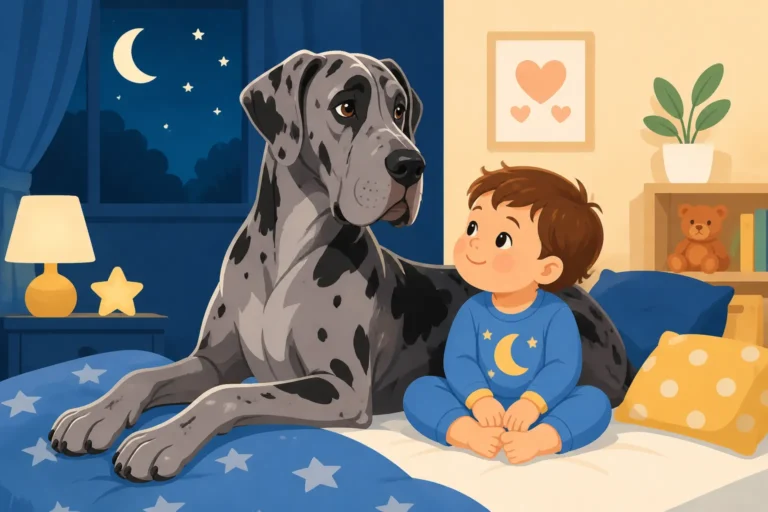
Great Danes are often wonderful with children, displaying a patient and tolerant demeanor. Their sheer size, however, means they can inadvertently knock over a small child with an enthusiastic wag of their powerful tail, or simply by turning too quickly. It's not aggression; it's physics. Therefore, constant supervision and teaching both the dog and the child how to interact safely are paramount.
Children need to be taught to respect the dog's space, especially when it's eating or sleeping. The dog needs to be trained in basic manners like "off" (not jumping up) and to settle calmly when children are present. Early socialization is key to ensuring your Dane is comfortable and confident around the unpredictable movements and noises of toddlers. For more insights on this, you might find Great Danes Around Toddlers a helpful resource. While their gentle nature is a huge plus, never underestimate the impact of their size, especially with very young children. Their size alone means a simple lean or nudge could send a small person sprawling.
Integrating with Existing Dogs and Cats
Many Great Danes coexist beautifully with other pets, including smaller dogs and cats. Their generally calm temperament often allows them to adapt well. However, introductions must always be done carefully and slowly. For smaller dogs, the size difference can be intimidating, and for the Dane, the smaller dog's quick movements might be misread as prey drive if they haven't been socialized with small animals. For cats, a Great Dane's playful chase can quickly become dangerous due to their size, even if they mean no harm.
Supervision during initial interactions is critical. Providing safe spaces for smaller pets (like cat trees or gates that small dogs can slip under) gives them an escape route if they feel overwhelmed. Training your Great Dane to "leave it" and rewarding calm behavior around other pets are essential steps. It's not uncommon to hear stories of Great Danes sharing beds with tiny Chihuahuas or patiently allowing a cat to rub against their legs, but this harmony is often built on careful management and consistent training. You can learn more about successfully introducing a Great Dane to other animals in articles like Bringing a Great Dane Into a House With a Cat or A Great Dane Playing With a Small Dog.
Their "Gentle Giant" Temperament Explained
The Great Dane's reputation as a "gentle giant" is well-earned. They are typically affectionate, eager to please, and deeply devoted to their families. They thrive on companionship and want to be included in household activities. This means they are not dogs to be left isolated in a yard; they need to be with their people. This gentle nature makes them wonderful family dogs, but it also comes with certain expectations.
They are generally not aggressive, but their protective instincts can emerge if they perceive a threat to their family. Early socialization to a variety of people, places, and experiences is vital to ensure their confidence and prevent them from becoming overly timid or reactive. A Great Dane that hasn't been properly socialized can be a handful, not necessarily because they're mean, but because a fearful or uncertain 150-pound dog is still a powerful force. Their desire to be close also means they'll lean on you, follow you from room to room, and often attempt to be a lap dog, regardless of their actual size. This constant companionship is a huge part of owning a Dane, and something potential owners must be prepared to embrace.
Financial Considerations: The Cost of Giant Living
Owning a Great Dane isn't just about finding room for them; it's about finding room in your budget. Their size translates directly into higher costs across almost every category of pet ownership.
Food and Supplies: A Constant Outlay
As mentioned, feeding a Great Dane is a significant expense. Expect to spend a substantial amount on quality kibble or other diets. Beyond food, every other supply also needs to be supersized and often more durable, driving up costs. Collars and leashes must be heavy-duty to withstand their strength. Toys need to be extremely robust to survive their powerful jaws – forget the flimsy plush toys unless you enjoy cleaning up stuffing. Even things like waste bags need to be larger and stronger.
Then there are medications. Heartworm preventatives, flea and tick treatments, and any other regular medications are dosed by weight. For a 150-pound dog, that means you're almost always paying for the highest weight band, making each dose considerably more expensive than for a smaller breed. Even treats, which are crucial for training and bonding, need to be appropriately sized, meaning you'll go through them faster or pay more for giant-sized options. Brands like Chewy are invaluable for finding bulk discounts and a wide variety of giant-breed-specific products to help manage these ongoing costs.
Vet Care: When Bigger Means Pricier
Vet bills for a Great Dane can be breathtaking. Anesthesia costs more because it requires larger doses and often more advanced monitoring for a giant dog. Diagnostic imaging like X-rays or ultrasounds can require specialized equipment and more staff to maneuver a large dog, which also adds to the cost. Medications, as with preventatives, are more expensive due to higher dosages. Even a routine exam might involve a larger exam room or extra assistance to get your dog on a scale.
Beyond routine care, Great Danes are prone to certain serious health conditions, notably bloat (gastric dilatation-volvulus) and Dilated Cardiomyopathy (DCM), a severe heart condition. Emergency surgery for bloat can easily run into thousands of dollars, and lifelong management of DCM with medications can be a continuous expense. This is why many experienced Dane owners emphasize the importance of having an emergency fund or robust pet insurance.
Insurance and Emergency Funds: A Necessity, Not a Luxury
Given the breed's propensity for costly health issues, pet insurance is not merely a good idea for Great Danes; it's almost a necessity. Policies can help offset the astronomical costs of emergency surgeries, specialized diagnostics, and long-term medication for chronic conditions. You'll want to investigate plans that specifically cover breed-specific conditions like bloat and DCM, and understand deductibles, reimbursement rates, and annual limits. Getting insurance when your Great Dane is a puppy is advisable, as pre-existing conditions are typically excluded.
Even with insurance, having a substantial emergency fund is critical. Many policies have waiting periods, and even the best plans don't cover 100% of costs. A several-thousand-dollar fund dedicated solely to your Great Dane's potential medical emergencies can provide immense peace of mind. It’s a sobering thought, but one Great Dane emergency can easily deplete savings, highlighting why resources like Insuring a Great Dane Against Bloat and Heart Bills are so vital for prospective owners. The financial commitment for a Great Dane is a marathon, not a sprint.
Travel and Social Life: Bringing Your Dane Along
If you enjoy traveling or have an active social life, bringing a Great Dane along adds a unique layer of logistical planning. Their size impacts transport, accommodation, and public acceptance.
Car Travel: Fitting a Dane in Your Vehicle
Fitting a Great Dane comfortably and safely into a standard sedan is often a non-starter. You'll likely need a large SUV, a minivan, or even a station wagon with ample cargo space. They need room to lie down, stand, and turn around. Many owners invest in a large crate that fits in the back of their SUV, or a sturdy, custom-built barrier to keep them secure in the cargo area. Safety harnesses designed for large dogs are also an option for backseat travel, though space can still be an issue.
The back seat of a mid-size car, even with the seats folded down, often isn't enough for a full-grown Dane to stretch out on long trips. They'll be uncomfortable, and an uncomfortable Dane can become restless, potentially distracting the driver. Consider your current vehicle and whether it genuinely accommodates a dog of this magnitude. If not, factoring in a vehicle upgrade might be part of the true cost of Great Dane ownership. For detailed advice, articles like Which Cars Actually Fit a Great Dane offer great insights.
Public Spaces and Social Acceptance
Taking a Great Dane out in public often elicits strong reactions: adoration from some, fear from others. Their impressive stature draws attention, and you'll regularly be approached by people wanting to pet them or ask questions. While most Great Danes are well-behaved, some people, especially those unfamiliar with giant breeds, can be intimidated. This means you need to be prepared to advocate for your dog, manage interactions, and always ensure they are well-mannered.
Not all public spaces are Dane-friendly. Many businesses, even those that allow dogs, might have size restrictions. Restaurants with outdoor seating might be hesitant, and some hotels or Airbnb rentals have strict weight limits. Dog parks can be a mixed bag; while your Dane might enjoy the space, not all smaller dogs (or their owners) will be comfortable with a giant sharing the same play area. Always call ahead, and be respectful of others' space and comfort levels. Your Great Dane's public image rests on your ability to control them and ensure they are ambassadors for their breed.
Boarding and Pet-Sitting: Finding Dane-Friendly Options
When you do need to travel without your Great Dane, finding suitable care can be a challenge. Many standard boarding kennels are not equipped to handle dogs of this size. Runs might be too small, staff might not be experienced with giant breeds, or they might simply not have the capacity. You'll need to seek out facilities that specialize in large dogs, or have extra-large runs and knowledgeable staff. These specialized services often come with a higher price tag.
Pet-sitters are another option, but finding one comfortable and capable of handling a powerful, large dog, especially one who might lean or pull on a leash, requires careful vetting. A good pet-sitter will need to be confident in managing a Great Dane's size and strength, and understand their specific needs, like meal schedules and exercise limitations. This often means building a trusted network of care providers well in advance, as last-minute solutions can be hard to come by for such a substantial animal.
Time Commitment: Are You Ready for a Great Dane's Needs?
Beyond the financial and physical space considerations, owning a Great Dane demands a significant investment of your time and emotional energy. These aren't dogs you can simply "have"; they become an integral part of your life.
Training and Socialization: An Ongoing Investment
From the moment you bring home a Great Dane puppy, training and socialization become a top priority, and they remain an ongoing investment throughout their lives. Due to their rapid growth, a Great Dane puppy quickly becomes a very large, powerful adolescent. What's cute in a 30-pound puppy can be dangerous in a 100-pound adolescent. Teaching good manners – like not jumping, walking politely on a leash, and having a solid recall – is non-negotiable.
Finding a trainer experienced with giant breeds is highly recommended, as techniques that work for smaller dogs might not translate effectively or safely for a Dane. Early and consistent socialization to various people, places, sounds, and other animals helps build a confident, well-adjusted dog. Without it, a timid or reactive Great Dane can be incredibly difficult to manage. This isn't a "set it and forget it" task; it's a daily commitment to reinforcement and practice, shaping a giant dog who is a joy to live with, rather than an overwhelming force. For tips on early training, see The Manners a Great Dane Needs Before It Grows.
Alone Time and Separation Anxiety
Great Danes are deeply attached to their families. They are companion dogs through and through, thriving on human interaction. This means they generally do not do well when left alone for long periods. They can be prone to separation anxiety, which can manifest as destructive chewing (and a Dane's destructive chewing can be catastrophic), excessive barking or howling, or inappropriate urination/defecation.
If you have a demanding work schedule that requires you to be away for many hours each day, a Great Dane might not be the right fit unless you have a robust plan for their care, such as a dog walker, doggy daycare, or a family member who can provide companionship during the day. Building up a Great Dane's tolerance for alone time gradually and positively is crucial. Even then, they prefer company. Articles like Building Up a Great Dane's Alone Time provide strategies to help your Dane cope, but it's important to be realistic about your availability.
Lifespan and End-of-Life Care Considerations
One of the most heartbreaking realities of owning a Great Dane is their relatively short lifespan. They typically live only 7 to 10 years, which is significantly less than many smaller breeds. This means you experience the joys and challenges of their life cycle compressed into fewer years. The commitment is intense, and the goodbye often comes too soon. Knowing this from the outset can help you cherish every moment. For more on this, you might explore Why a Great Dane Only Lives Seven to Ten Years.
As they age, Great Danes, like all large breeds, are prone to mobility issues and other age-related health problems. Caring for an elderly, immobile 150-pound dog can be physically demanding. You might need ramps, lifting harnesses, or even assistance with getting them in and out of the car for vet visits. The emotional and financial toll of end-of-life care can also be substantial. It's a journey that requires immense love, patience, and preparation, but it's one that Great Dane owners universally agree is worth every second.
Ultimately, deciding whether a Great Dane suits your house isn't just about square footage; it's about whether your lifestyle, budget, and heart are truly ready for the unique demands and immense rewards of living with one of the most magnificent and loving breeds on the planet.
Disclaimer
This article is for general informational purposes only and does not constitute professional advice. Laws, prices and regulations vary by location and change over time. Consult a qualified professional for guidance on your specific situation.