Why a Great Dane Only Lives Seven to Ten Years
It's a tough truth that every Great Dane owner eventually faces: these magnificent, loving creatures, often called "gentle giants," are simply not with us for as long as we wish. The average lifespan of a Great Dane is a heartbreaking seven to ten years, a far cry from the decade-plus many smaller breeds enjoy. This guide dives deep into the complex reasons behind this shorter lifespan, exploring everything from genetics and accelerated growth to common health challenges, and crucially, what you can do to give your beloved Dane the healthiest, happiest life possible for every precious year you share.
The Heartbreaking Reality of a Short Lifespan for Great Danes
Bringing a Great Dane into your home is an incredible experience. Their towering presence, sweet nature, and goofy antics fill your life with joy. But alongside that joy comes a quiet, often unspoken heartache: the knowledge that your time with them will likely be much shorter than with many other dogs. It’s a reality that can feel incredibly unfair, and it’s one that countless Great Dane enthusiasts grapple with every single day.
The Standard Seven to Ten Year Span
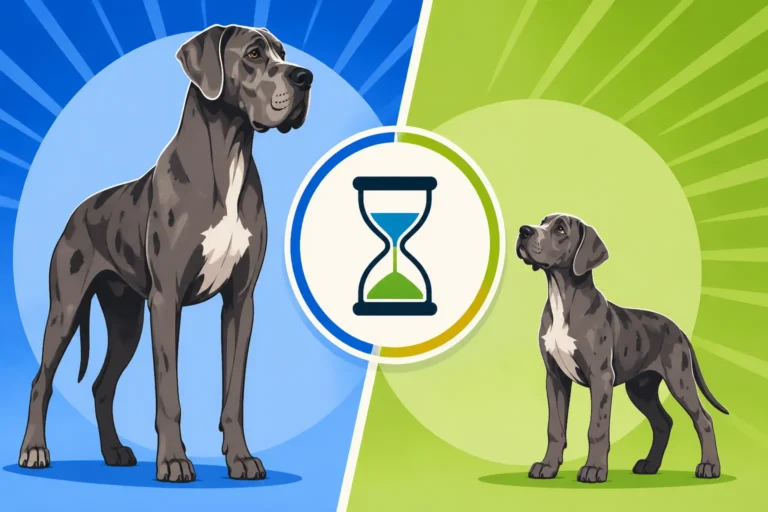
When you look at general canine lifespan charts, you'll often see average ages ranging from 10 to 13 or even 15 years for many breeds. Then you get to the giant breeds, and the numbers take a steep dive. For Great Danes, that 7 to 10 year range is widely accepted, though some lucky individuals might defy the odds and sneak into their eleventh or twelfth year. This isn't just a number; it's a profound difference in the arc of a relationship. You feel like your puppy is still just a "kid" when other dogs their age are already considered fully mature adults settling into middle age. It compresses all the stages of life – puppyhood, adolescence, adulthood, and then senior years – into a much more intense, accelerated timeframe, making every milestone feel bittersweet. For many, it's a constant reminder to cherish every moment, but it doesn't make the eventual goodbye any easier.
Why They Age So Much Faster
The primary reason behind this accelerated aging isn't fully understood, but current scientific consensus points towards their rapid growth rate and immense size. Think about it: a Great Dane puppy can go from a tiny five-pound bundle to a 100-pound behemoth in less than a year. This isn't just growth in bone and muscle; it's an incredible amount of cell division and metabolic activity happening at an astonishing pace. This rapid cellular turnover, while necessary for their impressive growth, is believed to contribute to what scientists call "oxidative stress." Essentially, the body's cells are working overtime, creating more byproducts that can cause damage and contribute to faster aging at a cellular level. It's like a machine that runs at a higher RPM; it accomplishes a lot quickly, but the components wear out sooner. This concept of rapid cellular aging is one of the key theories behind why a Great Dane ages faster than smaller dogs.
The Emotional Toll on Owners
For us, their human companions, this reality can be incredibly tough to bear. You invest so much love, time, and resources into these dogs, building deep bonds that are hard to quantify. Knowing that you'll likely have to say goodbye much sooner than you'd expect with other breeds creates a unique emotional challenge. It can lead to a quiet sense of dread, a hyper-awareness of every cough, every limp, every subtle change in their behavior. Some owners might even feel reluctant to get another giant breed after experiencing the loss, simply because the pain of such a short time together is so profound. It’s a constant reminder to live in the present, to appreciate the simple joy of their head on your lap, or the way they lean into your leg. It teaches a unique kind of love, one that is intensely focused on making every single day count, because you know those days are finite in a way that feels more immediate.
Understanding the Big Dog Accelerated Aging Process
The science behind why bigger dogs live shorter lives is a fascinating, if somewhat somber, area of veterinary research. It's not just Great Danes; most giant breeds share this unfortunate characteristic. The prevailing theories focus on metabolic rates, growth hormones, and the sheer biological effort it takes to create and maintain such a large, complex organism.
The Metabolic Rate Hypothesis
One of the leading theories revolves around metabolism. Generally, larger animals tend to have slower metabolic rates than smaller animals. Think of an elephant versus a mouse – the mouse's heart beats incredibly fast, and it lives a very short life. However, within dog breeds, this pattern seems to flip. Large dog breeds, like Great Danes, actually have higher metabolic rates per unit of body mass compared to smaller dogs. This means their bodies are burning through energy faster, producing more "free radicals" as a byproduct of cellular respiration. These free radicals are unstable molecules that can damage cells, proteins, and DNA, leading to increased oxidative stress and accelerating the aging process. It’s a bit counterintuitive, but it suggests that the sheer scale and demand of their enormous bodies force their systems to work harder, leading to quicker wear and tear.
Growth Hormones and Cell Turnover
Another significant factor is the rapid, intense growth spurt Great Danes experience. From puppyhood to adulthood, their bodies produce immense amounts of growth hormones. While essential for building those impressive bones and muscles, these hormones are also implicated in increased cell proliferation throughout their lives. Faster cell turnover means more opportunities for errors in cell replication, which can lead to diseases like cancer. Additionally, the constant state of rapid growth and cell division places a tremendous strain on the body's systems, requiring constant repair and maintenance. This continuous high demand on cellular processes is thought to exhaust the body's regenerative capabilities sooner, much like continuously running an engine at high performance without adequate cool-down time. This intense demand contributes significantly to why a Great Dane burns through its years at an accelerated pace.
Comparing Lifespans Across Breeds
When you look across the canine kingdom, the disparity is stark. A Chihuahua might live for 15-20 years, a Labrador Retriever for 10-12, but a Great Dane or an Irish Wolfhound typically falls into that 7-10 year bracket. It's a consistent pattern for dogs weighing over 100 pounds. This isn't just anecdotal evidence; studies tracking thousands of dogs confirm this inverse relationship between body size and longevity. While there are always outliers and exceptions, the general trend is undeniable. It's a cruel twist of nature that the very qualities we admire in our gentle giants—their size and majesty—are inextricably linked to their tragically short time with us. This comparison highlights that the specific challenges faced by a Great Dane are not unique to them, but a shared burden among the giant breeds.
The Most Common Health Challenges That Shorten Great Dane Lives
Beyond the general accelerated aging, Great Danes are predisposed to several serious health conditions that unfortunately often lead to premature death. These aren't just minor ailments; they are life-threatening emergencies or debilitating chronic illnesses that require significant medical intervention and can significantly impact their quality of life.
The Ever-Present Threat of Bloat (GDV)
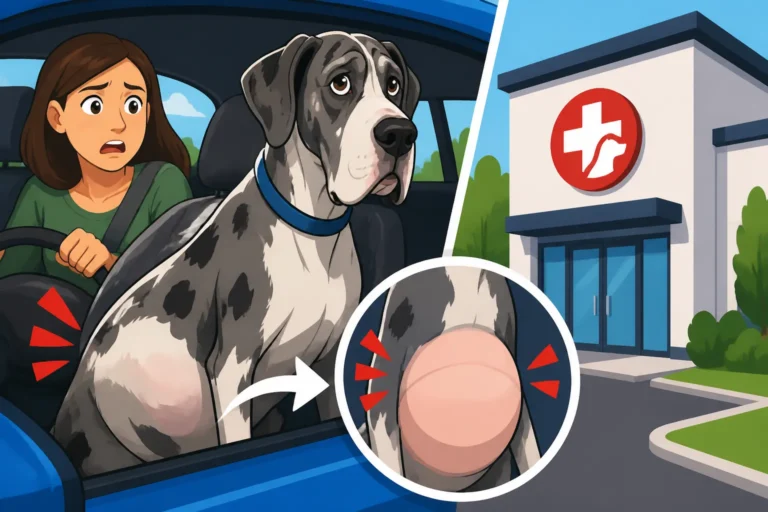
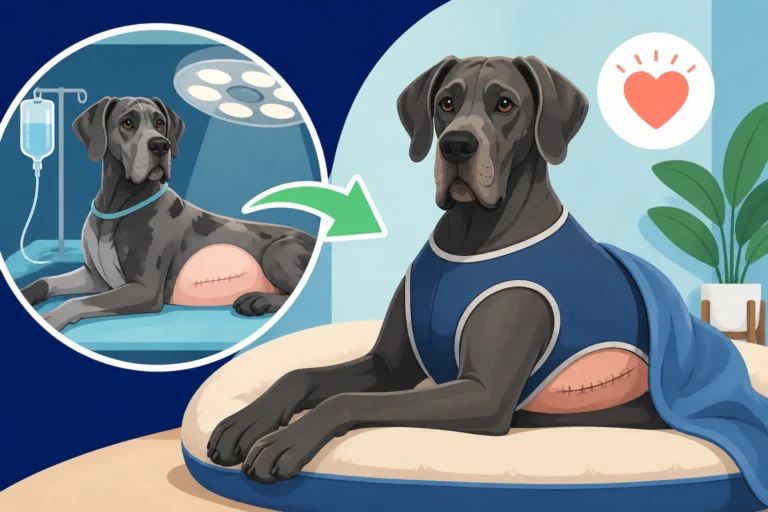
Gastric Dilatation-Volvulus, or bloat, is arguably the most feared condition among Great Dane owners, and for good reason. It's a sudden, excruciating, and often fatal condition where the stomach fills with gas (dilatation) and then twists upon itself (volvulus), cutting off blood supply. The one in three odds of a Great Dane experiencing bloat in their lifetime are terrifying. When a Great Dane bloats, time is literally of the essence. You might see your dog pacing, drooling excessively, trying to vomit but nothing comes up, and their belly might appear distended. It's a true medical emergency that requires immediate veterinary intervention, often surgery, to untwist the stomach. Even with rapid treatment, the survival rate can be as low as 50-60%. The immense cost and emotional toll of dealing with a bloat emergency are something every Great Dane owner needs to be prepared for. Many opt for a preventative surgery called gastropexy, which tacks the stomach to the abdominal wall to prevent twisting, often performed when the dog is spayed or neutered. This significantly reduces the lifetime bloat risk in a Great Dane, even if it doesn't prevent the initial gas buildup.
Dilated Cardiomyopathy (DCM) and Heart Disease
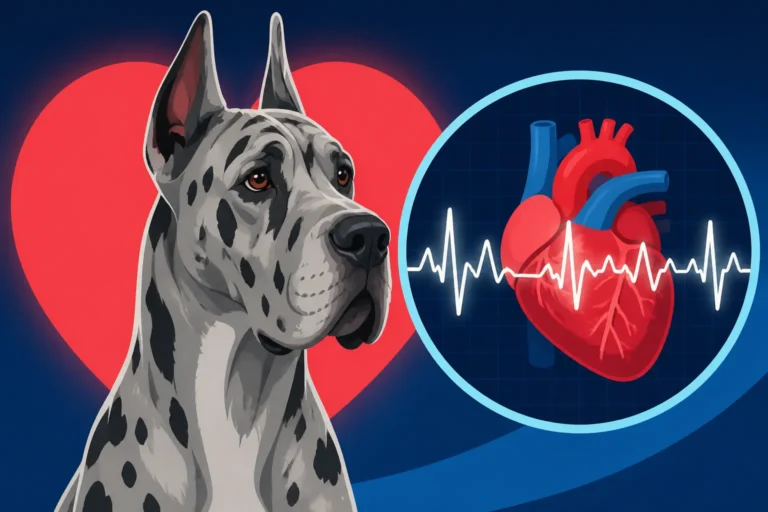
Great Danes are notoriously prone to heart muscle disease, specifically Dilated Cardiomyopathy (DCM). This is a condition where the heart muscle becomes thin and weak, losing its ability to pump blood effectively. As the disease progresses, the heart chambers enlarge, leading to congestive heart failure. Early heart signs in a Great Dane can be subtle, like reduced exercise tolerance, a mild cough, especially at night, or fainting spells. Unfortunately, DCM is often advanced by the time symptoms become obvious, making early detection through regular screenings vital. The Heart Muscle Disease Great Danes Are Prone To is a progressive condition, and while medications like Pimobendan for a Great Dane can help manage symptoms and improve quality of life, there is no cure. The disease is a leading cause of death in the breed, tragically cutting short many lives even when they seem otherwise robust.
Cancer's Devastating Impact
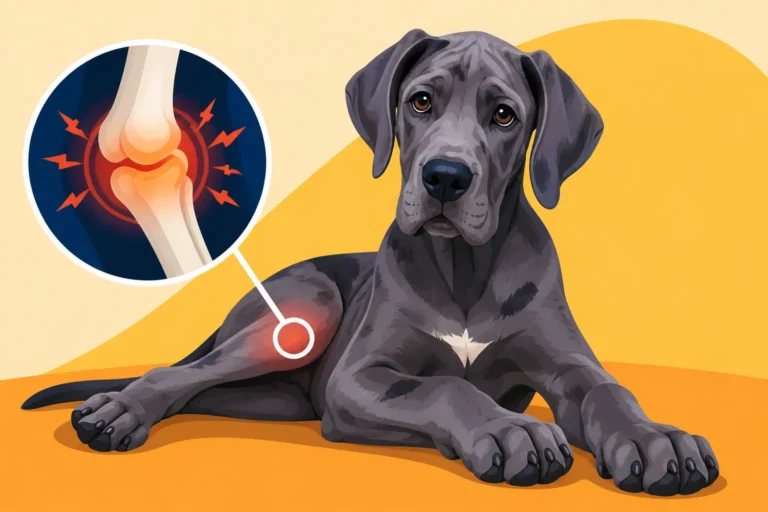
Cancer is another major threat to Great Danes, ranking high among the reasons for their shorter lifespans. Their rapid cell turnover and genetic predispositions make them particularly susceptible to various forms of cancer. Osteosarcoma, an aggressive bone cancer, is terrifyingly common. You might first notice a subtle limp, then swelling in a leg, and sometimes a Great Dane that fractures a leg doing nothing strenuous. Lymphoma, a cancer of the lymphatic system, and mast cell tumors are also frequently diagnosed. The Age Bone Cancer Hits a Great Dane is often in their middle to senior years, but it can strike younger. The treatment for cancer, which can involve amputation and chemotherapy for a Great Dane, is emotionally and financially draining, and despite heroic efforts, the prognosis is often grim, with many owners having to make the heartbreaking decision of whether to treat or let a Great Dane go.
Wobbler Syndrome and Orthopedic Issues
While perhaps not as immediately fatal as bloat or advanced DCM, Wobbler Syndrome and other severe orthopedic issues can drastically reduce a Great Dane's quality of life and, in severe cases, necessitate euthanasia. Wobbler Syndrome, or Cervical Spondylomyelopathy, is a neurological condition caused by compression of the spinal cord and nerve roots in the neck. The first Wobbler signs in a Great Dane often include a wobbly, uncoordinated gait, especially in the hind legs, and scuffed back nails on a Great Dane. This condition can be incredibly debilitating, affecting their mobility and causing significant pain. Imaging a Great Dane neck for Wobblers is crucial for diagnosis, and treatment can range from conservative management with medication and restricted activity to complex and costly surgery.
Beyond Wobblers, Great Danes are also susceptible to hip and elbow dysplasia, especially given their immense size and rapid growth. While less common than in some other large breeds due to diligent breeding efforts, these conditions can lead to chronic pain and arthritis, requiring long-term pain management and limiting their activity. Owners often wonder about whether a Great Dane should climb stairs, especially during their growth phases, to mitigate joint stress. Preventing growth disorders in a Great Dane puppy through proper nutrition and exercise is paramount to supporting their developing joints.
The Role of Genetics and Responsible Breeding
Given the prevalence of serious health conditions in Great Danes, the role of genetics and responsible breeding cannot be overstated. A conscientious breeder is your first line of defense against many of these hereditary health issues, significantly influencing the potential longevity and quality of life of your future companion.
Hereditary Conditions and Health Testing
Many of the severe conditions Great Danes face, such as DCM, Wobbler Syndrome, and certain cancers, have a strong genetic component. This means they can be passed down from parents to offspring. Responsible breeders understand this critical link and commit to extensive health testing of their breeding dogs before they ever produce a litter. This isn't just a casual vet check-up; it involves specific screenings for breed-related conditions. For DCM, this means regular cardiac evaluations by a board-certified veterinary cardiologist, often including echocardiograms (echoes) and Holter monitoring for a Great Dane heart to detect arrhythmias. For orthopedic issues, hip and elbow screenings through organizations like the Orthopedic Foundation for Animals (OFA) are standard. The Health Testing a Great Dane Breeder Owes You outlines what you should expect to see. Without these tests, you’re essentially gambling on your puppy’s genetic future. While no test can guarantee a puppy will never develop a condition, it significantly reduces the risk of inheriting known genetic predispositions.
The Importance of a Reputable Breeder
Choosing a reputable breeder is perhaps the most crucial decision you'll make when bringing a Great Dane into your home. A good breeder doesn't just breed for color or size; they breed for health, temperament, and adherence to the breed standard. They will be transparent about their dogs' health history, provide verifiable health clearances for the parents (and often grandparents), and be willing to answer all your questions, even the uncomfortable ones about health issues common in the breed. They will likely have waiting lists, interview prospective owners thoroughly, and prioritize finding the right homes over making a quick sale. Reading a Great Dane Puppy's Health Papers means understanding the jargon and the importance of each certification. Beware of breeders who cut corners on health testing or offer puppies at suspiciously low prices, as a bargain Great Dane really costs later in vet bills and heartache.
Genetic Diversity and Breeding Practices
Beyond testing individual dogs, responsible breeding also considers genetic diversity within the breed. A limited gene pool can lead to an increased prevalence of certain genetic diseases. While maintaining breed type is important, a balance must be struck to ensure genetic health. Breeders who participate in breed clubs and registries often adhere to ethical guidelines that promote responsible breeding practices, aiming to improve the overall health of the breed. They understand that decisions made today impact the breed for generations to come. Unfortunately, the allure of "rare" colors or extreme sizes can sometimes lead to irresponsible breeding practices that prioritize aesthetics over health, potentially exacerbating genetic problems and further contributing to the question of whether Great Dane lifespan has improved.
Lifestyle and Environmental Factors You Can Influence
While genetics and inherent breed predispositions play a significant role in a Great Dane's lifespan, you, as their owner, have considerable influence over their daily life and environment. Thoughtful choices in nutrition, exercise, and overall care can dramatically impact their health and potentially extend their time with you, even if only by a little.
Nutrition for Longevity and Slow Growth
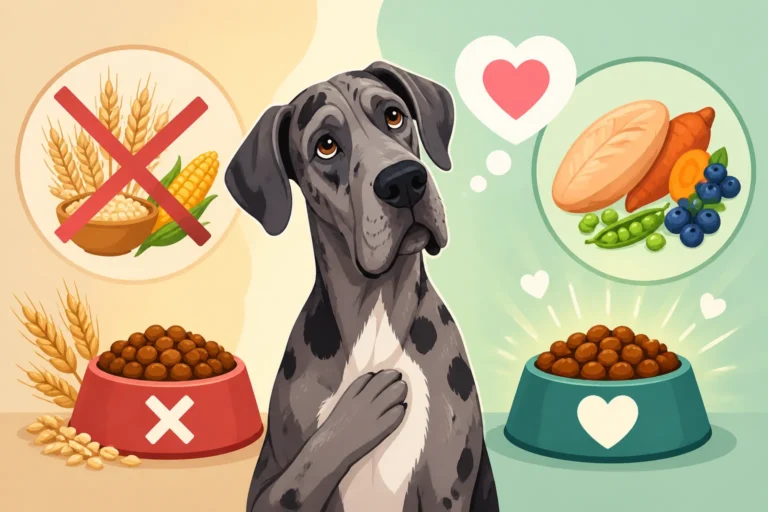
Proper nutrition is paramount, especially during a Great Dane's rapid growth phase. Feeding a Great Dane puppy slowly on purpose is key to avoiding orthopedic problems. Traditional "puppy foods" designed for smaller, faster-maturing breeds can be detrimental to a giant breed. They often contain too much calcium and phosphorus, which can lead to abnormal bone development and growth disorders in a Great Dane puppy, increasing the risk of conditions like Hypertrophic Osteodystrophy. Look for large breed puppy formulas that are formulated for controlled, slow growth. These foods will have carefully balanced calcium and phosphorus levels. Continue these large-breed specific foods until your Dane is fully mature, which can be up to 18-24 months.
As an adult, feeding an adult Great Dane six to ten cups a day of high-quality food, split into multiple meals, is crucial. Splitting a Great Dane's meals in two or even three smaller meals can significantly reduce the risk of bloat, as can avoiding vigorous exercise an hour either side of a Great Dane's meal. Keep your Dane lean; feeling a Great Dane's ribs and spine easily (but not seeing them) is a good indicator of healthy weight. Obesity puts extra strain on their joints and cardiovascular system, further shortening their already limited lifespan.
Exercise Management for Growing Pups and Adults
Exercise is vital for a Great Dane's physical and mental well-being, but it must be managed carefully, particularly during their growth stages. Pushing a Great Dane puppy with too much strenuous exercise can cause irreversible damage to their developing joints, leading to issues like elbow hygromas on a Great Dane or other orthopedic problems later in life. Avoid forced exercise like long runs or intense jumping until they are fully grown, typically around 18-24 months. Instead, focus on moderate, controlled exercise like short, frequent walks and supervised playtime on soft surfaces.
For adult Great Danes, regular, moderate exercise is ideal. They are not endurance athletes, but they do need daily activity to maintain muscle mass, keep their heart healthy, and prevent boredom. A couple of good walks a day, combined with some yard play, is usually sufficient. Pay attention to signs of fatigue or discomfort, especially as they age. A Great Dane that cannot finish a walk might be showing early signs of heart trouble or joint pain. Remember, wearing out a Great Dane without wrecking its joints is the goal.
The Impact of Stress and Environment
A Great Dane's emotional well-being also contributes to their overall health. Chronic stress can suppress the immune system and exacerbate existing health conditions. Great Danes thrive on companionship and stability. They are sensitive souls who do best in a calm, consistent home environment where they feel safe and loved. A Great Dane that panics when left alone for extended periods might develop anxiety, which can manifest in destructive behaviors or even physiological stress that impacts their health.
Ensure they have a comfortable, well-fitting bed that cushions their large joints, like orthopedic beds a Great Dane needs, to prevent pressure sores and provide adequate rest. A soft swelling on a Great Dane's elbow, known as a hygroma, is often a sign of insufficient bedding on hard surfaces. Keeping their environment safe, warm in winter (as their thin coats don't provide much insulation), and cool in summer is also important for their comfort and health. Providing mental stimulation through puzzle toys and training can also reduce stress and keep their minds sharp.
Proactive Care and Early Detection
Given the Great Dane's predisposition to serious health issues and their condensed lifespan, proactive veterinary care and vigilance for early warning signs are absolutely critical. Catching problems early can make a profound difference in outcome, potentially extending their life and certainly improving its quality.
Regular Vet Visits and Preventative Screenings
It's tempting to think that if your dog looks fine, they are fine. But for Great Danes, waiting until symptoms are obvious can often be too late for effective intervention. Regular vet visits, at least annually for adults and more frequently for puppies and seniors, are non-negotiable. These check-ups aren't just for vaccinations; they're an opportunity for your vet to perform thorough physical exams, listen to their heart and lungs, and discuss any subtle changes you might have noticed.
Beyond routine exams, preventative screenings are vital. For heart health, annual echocardiograms by a specialist are often recommended, especially for breeding dogs or those with a family history of DCM. Screening a Great Dane's heart each year can detect the subtle changes of DCM before it progresses to overt heart failure. Bloodwork, including a thyroid test a slow Great Dane needs, can catch metabolic issues early. For orthopedic concerns, X-rays might be recommended if any lameness is observed. Remember that Great Dane vet costs year by year will generally be higher due to their size and predisposition to expensive conditions.
Recognizing Early Warning Signs
As an owner, you are your Great Dane's best advocate. You see them every day and are best positioned to notice subtle shifts in behavior or physical condition that a vet might miss in a short appointment. Don't dismiss minor changes. Early heart signs in a Great Dane, like a slight cough at night, reduced stamina on walks, or even just being a bit more tired than usual, can be crucial indicators of developing DCM. Similarly, a Great Dane that limps without an injury, or shows a subtle change in gait, could be signaling the onset of bone cancer or a neurological issue like Wobbler Syndrome.
Keep a journal of your Great Dane's health. Note down any changes in appetite, water intake, bathroom habits, energy levels, and any coughing, limping, or behavioral shifts. If your Great Dane is trying to vomit and failing, or pacing with a swollen belly, those are immediate red flags for bloat that require urgent veterinary attention. Knowing How Many Minutes a Bloating Great Dane Has is critical – delay can be fatal. Trust your gut instinct; if something feels off, contact your vet immediately.
Emergency Preparedness and Pet Insurance
Knowing that bloat, DCM, and cancer are serious risks for Great Danes means being prepared for emergencies. Have an emergency fund dedicated to your Great Dane's health, or consider robust pet insurance. Providers like Healthy Paws are often a lifeline for Great Dane owners, as one emergency can quickly rack up thousands of dollars in vet bills. Enrolling a Great Dane before anything happens is wise, as many policies have waiting periods for certain conditions or may exclude pre-existing conditions.
Understanding your insurance policy's coverage, deductibles, and annual limits is important. The night a Great Dane bloats and what it costs can be a staggering financial blow, often reaching well into the thousands of dollars for surgery and overnight critical care. Having insurance like that offered by Healthy Paws can significantly alleviate the financial stress during an already incredibly traumatic time, allowing you to focus on your dog's recovery without added worry. It also helps with the ongoing costs of managing chronic conditions like heart failure, which requires lifelong medication.
Embracing the Time You Have with Your Gentle Giant
While the shorter lifespan of a Great Dane is a somber reality, it also underscores the importance of intentional love and care during the years you do have together. It's about maximizing joy and comfort, and finding strength when the inevitable goodbye approaches.
Quality of Life Over Quantity
When faced with a serious diagnosis for your Great Dane, the focus often shifts from simply extending life to ensuring the best possible quality of life. This means making decisions based on their comfort, happiness, and ability to enjoy their daily activities, rather than pushing for every possible medical intervention if it causes more suffering than benefit. For an old Great Dane that struggles to chew or a Great Dane with a weak heart, adjustments to diet, medication, and activity levels become crucial. It's about recognizing when they are no longer experiencing joy and making brave, compassionate choices. This might mean investing in mobility aids for a failing Great Dane, like ramps or slings, to keep them comfortable and mobile for as long as possible.
Cherishing Every Moment
The limited time we have with our Great Danes makes every moment incredibly precious. Whether it's their leaning into you for comfort, their clumsy puppy antics, or the quiet dignity of their senior years, each interaction is a gift. Many owners find themselves taking more photos, savoring long walks, and simply sitting with their Danes, absorbing their presence. This isn't just about coping with a shorter lifespan; it's about fully appreciating the unique bond you share. Living with a Great Dane that leans on you is a daily affirmation of their affection and reliance, deepening the connection. These dogs teach us a profound lesson in living in the present and appreciating the now.
Dealing with Grief and Loss
The loss of a Great Dane, like any beloved pet, is devastating. The accelerated timeline can make the grief even more intense, as it feels like they were still so young. It's okay to feel that profound sorrow. Seeking support from friends, family, or pet bereavement groups can be incredibly helpful. Remember that the immense love and joy they brought into your life are worth the pain of loss. Caring for a Great Dane past six often means anticipating and preparing for their eventual decline, which can be emotionally exhausting but also allows for a more peaceful transition. Whether to treat or let a Great Dane go is a profoundly personal decision, but knowing when a Great Dane is done is often a kindness you can offer. Their memory will live on, a testament to the special, albeit too brief, time you shared with your gentle giant.
Comparative Lifespan and Common Causes of Death
To better understand the Great Dane's unique situation, here's a quick look at how their lifespan compares to other breeds and the primary health concerns that often lead to their passing.
| Breed | Average Lifespan (Years) | Common Causes of Death |
|---|---|---|
| Chihuahua | 15-20 | Heart disease, kidney failure, dental disease |
| Beagle | 10-15 | Cancer, neurological disorders, orthopedic issues |
| Labrador Retriever | 10-12 | Cancer, orthopedic issues, bloat (less common than Danes) |
| German Shepherd | 9-13 | Cancer, bloat, hip/elbow dysplasia, degenerative myelopathy |
| Great Dane | 7-10 | Bloat (GDV), Dilated Cardiomyopathy (DCM), Cancer (Osteosarcoma, Lymphoma) |
| Irish Wolfhound | 6-8 | DCM, bone cancer, bloat |
| Saint Bernard | 8-10 | Bone cancer, heart disease, bloat |
This table clearly illustrates that Great Danes, along with other giant breeds, reside at the lower end of the canine lifespan spectrum. While cancer or bloat takes more Great Danes, heart disease is also a significant factor, making comprehensive preventative care incredibly important.
Disclaimer
The information provided in this article is for educational and informational purposes only and does not constitute veterinary medical advice. Always consult with a qualified veterinarian for any health concerns or before making any decisions about your pet's health or treatment.