Great Danes Against the Other Giant Breeds
Bringing a giant dog into your life is a monumental decision, often filled with dreams of a loyal, impressive companion. But with so many magnificent giant breeds out there, it's easy to feel overwhelmed, wondering how to choose the right one for your home and lifestyle. This guide is here to cut through the confusion, offering a deep dive into the Great Dane and how this beloved "Apollo of Dogs" truly stacks up against other enormous canines, helping you understand their unique needs and whether they’re the perfect fit for you.
Understanding the "Giant" Label
The term "giant breed" gets thrown around a lot, and while it conjures images of impressively large dogs, the reality of what that means for daily life, care, and expenses can vary dramatically between breeds. It's not just about height or weight; it's about the entire package of physical structure, growth rate, metabolism, and inherent breed characteristics that defines their specific needs.
What Defines a Giant Breed?
When we talk about giant breeds, we're generally referring to dogs that typically weigh over 100 pounds and stand at least 28 inches tall at the shoulder as adults. But it's more nuanced than just hitting a number on the scale or tape measure. Consider, for instance, a Mastiff, which might be similar in weight to a Great Dane but is often far more compact and robustly built. Their bone structure, muscle mass, and even the way they carry themselves can be quite distinct. Some giants mature incredibly slowly, not reaching their full physical and mental development until they are two or even three years old, a stark contrast to smaller breeds that are often considered adults by their first birthday. This extended growth phase has profound implications for their nutrition, exercise, and overall health management, as their bones and joints are under immense stress during this critical period. It’s not just about size; it's about the unique physiological journey these magnificent animals undertake.
The Great Dane's Place Among Giants
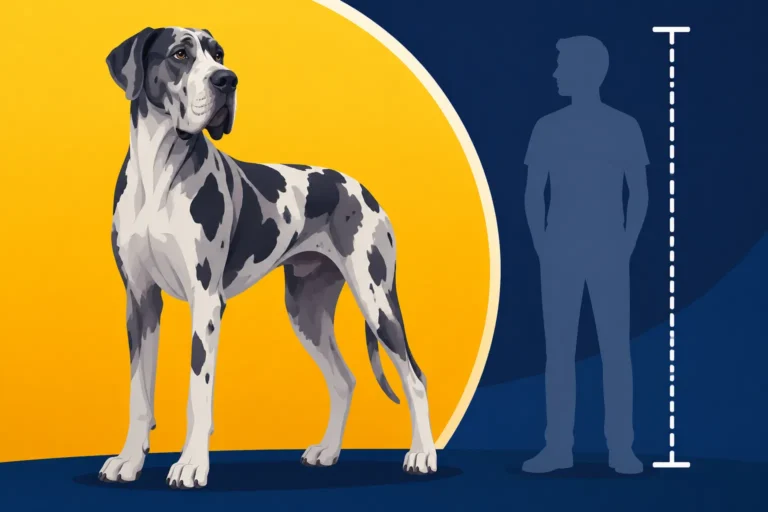
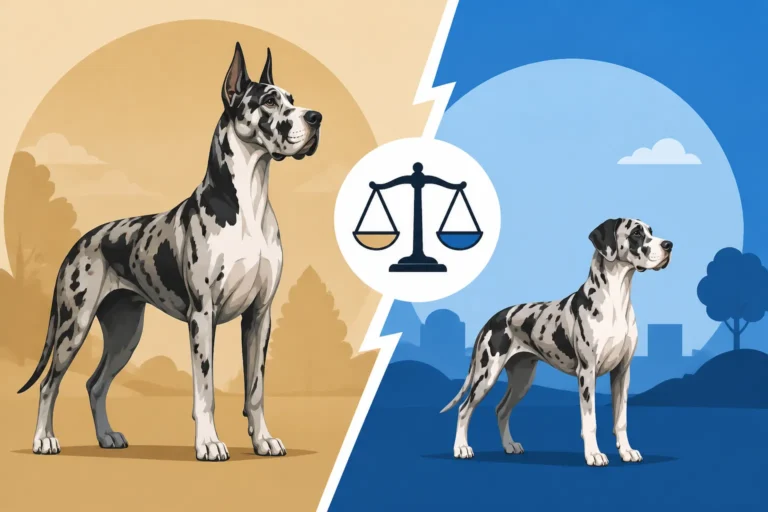
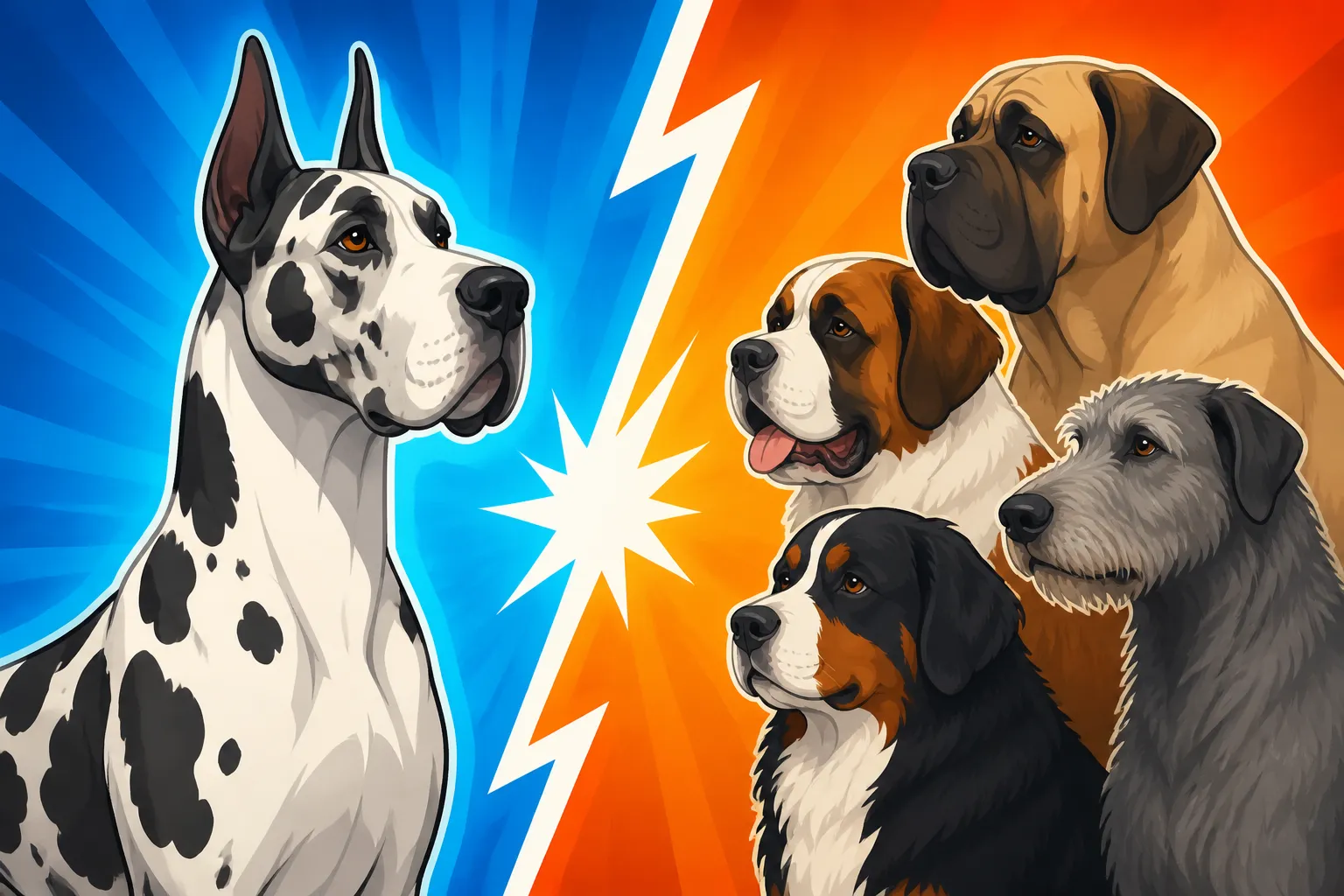
The Great Dane truly stands out in the giant breed lineup, often being the tallest of them all, with males frequently exceeding 30-32 inches at the shoulder and weighing anywhere from 120 to over 170 pounds. While their sheer height is striking, their build is often described as elegant and athletic, rather than purely massive. Think of them as the supermodels of the giant dog world – long, lean, and graceful, with an almost aristocratic bearing. This contrasts with, say, a Saint Bernard, which might reach similar weights but with a much more substantial, heavy-boned, and broad frame, giving them a vastly different silhouette and, frankly, a different kind of impact when they lumber through your living room. The Great Dane's unique physical composition means they have their own set of considerations, from needing extra-tall dog beds to being prone to specific conditions like bloat due to their deep chests, which might not be as prevalent in other giant, more compact breeds. Understanding this specific physical niche is key to appreciating their care needs. You'll find that for items like beds and crates, standard "large breed" often isn't enough, and you're squarely in "giant breed" territory, where specialty items are a must. Looking for things like a Crates and Gates Sized for a Great Dane will make you realize how unique their needs are.
Temperament: Gentle Giants or Guard Dogs?
One of the most enduring myths about Great Danes is that they are all "gentle giants," almost oblivious to their immense size. While many exhibit a wonderfully placid and affectionate nature, it’s a simplification that can lead to misunderstandings, especially when comparing them to other powerful giant breeds that might have more pronounced guarding instincts or different levels of social tolerance.
Great Dane Personality Traits
Great Danes are, by and large, incredibly affectionate, loyal, and people-oriented dogs. They thrive on companionship and often display a surprising gentleness, especially with children and smaller animals, provided they've been properly socialized from a young age. They are often described as wanting to be "lap dogs" despite their size, leaning heavily into their human companions for comfort and reassurance, a trait that is truly endearing but can also knock you off balance if you're not expecting it. This desire for closeness means they don't do well when left alone for long periods, potentially developing separation anxiety. Their sensitive nature also means they respond best to positive reinforcement training methods; harsh corrections can easily shut them down. However, don't mistake their gentle demeanor for a lack of awareness or protective instinct. While not typically aggressive, their sheer size can be intimidating, and they can be protective of their family and home. A deep, resonant bark from a 150-pound dog is often all it takes to deter an unwanted visitor. It's about finding that balance between their inherent sweetness and their natural, watchful nature, and understanding that their definition of "gentle" might still involve a wagging tail clearing a coffee table in a single sweep.
Comparing Socialization Needs
When you compare a Great Dane's socialization needs to, say, a Caucasian Shepherd Dog or a Boerboel, the differences become stark. Breeds like the Caucasian Shepherd are bred to be fiercely protective, often exhibiting a natural aloofness towards strangers and a strong territorial drive that requires extensive, early, and consistent socialization to manage safely in a family setting. While a Great Dane certainly benefits from early exposure to new people, places, and other dogs to develop into a well-adjusted adult, their baseline temperament is generally more welcoming. A Great Dane puppy that has been exposed properly will often happily greet new faces with curiosity and a wagging tail, whereas some other guardian breeds may always retain a degree of suspicion that needs careful handling. The goal with a Great Dane is to channel their natural friendliness, ensuring they learn appropriate greetings and manners before they are A Great Dane That Knocks People Over. This often means focusing on impulse control training from puppyhood, teaching them not to jump up, lean too hard, or get overly excited when meeting new people, simply because their size makes even well-intentioned exuberance a hazard. For the Great Dane, socialization is about refining their natural inclination to be part of the family and community, rather than overcoming a deep-seated suspicion of the outside world.
Physical Characteristics and Care Demands
Beyond their impressive stature, Great Danes possess a unique set of physical characteristics that dictate specific care requirements. Their conformation, coat, and even their mouth shape all contribute to a daily routine that differs significantly from many other giant breeds.
Size and Build: A Dane's Unique Silhouette
The Great Dane's long, graceful neck, deep chest, and relatively slender frame, compared to their height, create a silhouette that's instantly recognizable. They are often described as possessing "power and elegance" in equal measure. This deep chest, while contributing to their majestic appearance, is also a significant factor in their predisposition to gastric torsion, or bloat, where the stomach twists. This is a critical distinction from other large, but perhaps more barrel-chested or compact, giant breeds that may have lower rates of this life-threatening condition. Their long limbs mean that joint health, especially during their rapid growth phases, is paramount. You'll hear breeders emphasize Why a Great Dane Puppy Should Grow Slowly to protect those developing joints. Their overall structure means that everything from finding a car that fits them comfortably to purchasing appropriately sized harnesses requires special consideration. You can't just pick up a "large" dog bed; you need one designed for a truly giant, often long-bodied, dog. This elegance also means they can be surprisingly agile, able to clear a counter with ease or stretch to investigate something high up. It's a blend of athleticism and sheer scale that makes them truly unique among their giant peers.
Grooming and Maintenance for a Giant
While Great Danes have a short, smooth coat that might seem low-maintenance at first glance, don't be fooled into thinking it's a walk in the park. Yes, they don't require professional grooming appointments for elaborate clips or extensive de-matting like a Newfoundland or an Old English Sheepdog. However, that short coat sheds—a lot. Great Dane hair, fine and poky, tends to weave itself into fabric and float through the air, covering everything in its path. Regular brushing, often daily during shedding seasons, is essential not only to manage the hair but also to keep their skin healthy and their coat gleaming. Products available on sites like Chewy for deshedding tools can be a lifesaver. Beyond shedding, their large jowls mean that slobber is a fact of life, especially after drinking water. You'll quickly learn to keep "slobber rags" strategically placed around the house! Nail care is another crucial, often overlooked, aspect. Their nails grow quickly and, if not trimmed regularly, can cause pain, affect their gait, and even lead to severe orthopedic issues. Trimming the nails on a 150-pound dog who isn't keen on it is a two-person job, sometimes even requiring a trip to the vet for sedation. And then there are their ears – whether cropped or natural, they need regular cleaning to prevent infections, especially the natural floppy ears that can trap moisture and debris. This seemingly simple short-coat maintenance can actually be quite demanding due to the sheer size of the canvas you're working with.
Health Considerations Across Giant Breeds
The biggest breeds often come with some of the biggest health challenges, and Great Danes are no exception. Their accelerated growth and immense size unfortunately predispose them to a number of serious conditions, some of which are common to many giant breeds, while others are more specific to Danes.
Common Ailments in Great Danes
Perhaps the most infamous health concern for Great Danes is gastric dilatation-volvulus (GDV), commonly known as bloat. This life-threatening condition, where the stomach fills with gas and then often twists, is a terrifying emergency that can claim a dog's life in mere hours. Their deep-chested conformation is a major risk factor, making preventative measures like Stomach Tacking Surgery for a Great Dane a serious consideration for many owners. Another devastating issue is dilated cardiomyopathy (DCM), a heart muscle disease that is tragically common in the breed. This condition causes the heart to enlarge and weaken, leading to heart failure. Regular cardiac screening, including echocardiograms, is vital for early detection, but sadly, there is no cure, only management. Then there are orthopedic issues. Despite their generally slender build, their rapid growth puts immense strain on developing bones and joints, making them prone to conditions like osteochondritis dissecans (OCD) and hip and elbow dysplasia. Great Dane Hips, Elbows and Growing Joints are under constant stress. Bone cancer (osteosarcoma) is also a concern, often striking in middle to older age. Owners of Great Danes must be vigilant for subtle changes, understanding that early intervention can sometimes make a significant difference in quality of life, even if not in lifespan. Why a Great Dane Only Lives Seven to Ten Years is a stark reminder of these challenges.
Divergent Health Issues in Other Giants
While many giant breeds share some of the orthopedic challenges and cancer risks that Great Danes face, the specific prevalence and types of other health issues can vary greatly. For example, some Mastiff breeds might be more prone to entropion (inward rolling eyelids) or ectropion (outward rolling eyelids) due to their facial structure and loose skin, requiring surgical correction. Breeds like the Saint Bernard or Newfoundland, with their heavy coats and propensity for warmer climates, can be more susceptible to heatstroke and skin fold dermatitis. Furthermore, different giant breeds can have unique neurological conditions; for instance, the Irish Wolfhound, another very tall breed, has a higher incidence of portosystemic shunt (a liver condition) and a specific type of bone cancer (osteosarcoma) often presenting in their long limbs, similar to Great Danes, but also a higher risk for Wobbler Syndrome, a spinal cord compression that can also affect Great Danes. Understanding these breed-specific predispositions is crucial. When researching other giant breeds, it's not enough to simply look for "large breed health issues"; you need to dive deep into the specific health clearances recommended by parent clubs for that particular breed, just as Great Dane owners look for The Health Testing a Great Dane Breeder Owes You.
| Feature | Great Dane | Mastiff | Irish Wolfhound |
|---|---|---|---|
| Average Height | 28-32+ inches | 27.5-30+ inches | 30-32+ inches |
| Average Weight | 100-175 lbs | 120-230 lbs (can be heavier) | 105-180 lbs |
| Build | Tall, elegant, athletic, deep-chested | Massive, heavy-boned, powerful, broader-chested | Very tall, rugged, muscular, more sighthound-like |
| Typical Lifespan | 7-10 years | 6-10 years | 6-8 years |
| Common Health Issues | Bloat (GDV), DCM, Wobbler, osteosarcoma, hip/elbow dysplasia | Hip/elbow dysplasia, bloat, eye issues (entropion/ectropion), arthritis, lymphoma | DCM, osteosarcoma, portosystemic shunt, Wobbler, bloat |
| Temperament | Affectionate, gentle, sensitive, people-oriented | Gentle, courageous, protective, sometimes stubborn | Calm, dignified, intelligent, loyal, can be aloof with strangers |
Exercise and Training Needs
The sheer size of a Great Dane means their exercise and training requirements are unique. It's not simply about getting them enough activity or teaching basic commands; it's about doing so in a way that supports their delicate growth plates and ensures they are manageable and polite members of society when they weigh as much as an adult human.
Great Dane Exercise Requirements
Despite their imposing size, Great Danes are not typically high-energy dogs, especially as adults. They generally require moderate daily exercise – a good brisk walk or two, totaling 30-60 minutes, along with some playtime in a secure yard, is often sufficient. They love to stretch out and sprawl on the couch just as much as they enjoy a romp outside. However, the critical period for exercise management is during puppyhood and adolescence. Exercise Limits While a Great Dane Is Still Growing is not just a suggestion; it's a critical directive to protect their developing joints and bones. Over-exercising a Great Dane puppy, especially with forced running, jumping, or long hikes, can lead to irreversible damage to their growth plates, contributing to conditions like hip dysplasia or OCD later in life. Their enthusiasm can sometimes override their physical limits, so it's up to us to moderate their activity, understanding that short, frequent play sessions are better than one long, intense burst. Contrast this with an Irish Wolfhound, another very tall breed, which generally has a higher prey drive and a greater need for longer, more vigorous runs in an open, safe space to satisfy their sighthound instincts. The Great Dane's exercise needs are more about controlled activity and mental stimulation than sheer mileage.
Training a Hundred-Plus Pound Dog
Training a Great Dane is less about convincing them to learn and more about establishing good manners and control from day one, simply because their adult size makes any lack of training a potential safety hazard. Imagine a 150-pound dog pulling on the leash, or jumping on an elderly guest. What's a minor nuisance in a smaller dog becomes a serious problem with a Great Dane. Therefore, early and consistent positive reinforcement training is paramount. Teaching commands like "sit," "stay," "leave it," and a solid "recall" are non-negotiable. Leash manners are particularly vital; a Great Dane that pulls can easily drag an adult off their feet. This means investing in tools like a front-clip harness or head halter if needed, and working diligently on Great Dane Leash Manners at a Hundred and Fifty Pounds. While other giant breeds, such as a Mastiff, might be equally strong, their lower center of gravity can sometimes make them slightly easier to manage on a leash if they pull, though their stubbornness can present a different challenge. Great Danes are generally eager to please and intelligent, but they can also be sensitive, so patience and consistency are key. Attending puppy classes is a fantastic way to socialize them and learn the basics, but remember that formal training is an ongoing process throughout their lives, adapting as they grow from an awkward puppy to a powerful adult.
Living Space and Lifestyle Compatibility
One of the biggest questions aspiring giant breed owners face is whether their living situation can accommodate such a large animal. For Great Danes, it's not just about square footage, but also about understanding their needs for comfort, social interaction, and safety within that space.
Do Great Danes Need Huge Yards?
It's a common misconception that giant breeds, especially Great Danes, require vast outdoor acreage to be happy. While a secure yard is certainly a bonus, offering space for them to stretch their legs and perform their "Dane zoomies," it's not the ultimate determinant of their well-being. A Great Dane's true need is for companionship and indoor comfort. They are deeply attached to their families and thrive on being part of daily life, which means they prefer to be inside with you. A Great Dane in a small apartment with regular walks and lots of human interaction is often far happier than one relegated to a sprawling backyard with minimal social engagement. Their relatively low adult energy levels also mean they are often quite calm indoors, content to nap on their orthopedic bed or supervise your activities from a comfortable spot. However, if you do have a yard, it must be securely fenced, and that fence needs to be taller than you might initially imagine – a determined Great Dane can easily clear a standard 4-foot fence if motivated. This preference for indoor living and human company is often more pronounced than in some other giant breeds, like perhaps a livestock guardian dog (e.g., a Great Pyrenees) that is traditionally more comfortable and alert when working or resting outdoors. It's truly a matter of quality time over sheer space.
Adapting Your Home for a Giant
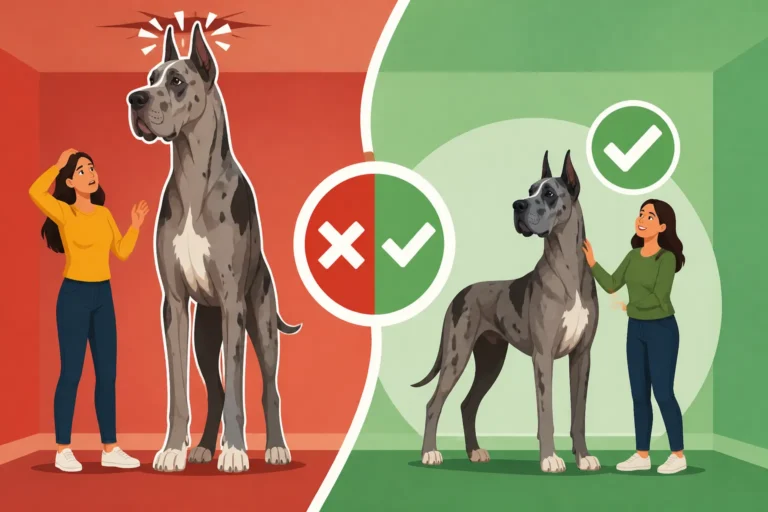
Bringing a Great Dane into your home fundamentally changes how you view your living space. What might be a sturdy coffee table for a smaller dog is a fragile obstacle for a Great Dane's tail. Everything from furniture placement to flooring choices needs re-evaluation. Non-slip rugs and runners become essential, especially on hardwood or tile floors, to protect their joints and prevent falls, particularly as they age. A Great Dane's growth from a puppy to an adult happens so quickly, you'll be constantly adapting. You'll want to invest in durable, giant-sized everything: extra-large orthopedic beds that truly support their weight, bowls that are elevated to potentially reduce bloat risk, and toys that can withstand their powerful jaws. Searching for "beds that cushion a Great Dane's joints" or "bowls and stands sized for a Great Dane" will become second nature. Counter-surfing becomes a literal issue because they can reach almost anything on a kitchen counter or even a low island. Baby gates need to be extra-tall and sturdy to contain a Great Dane puppy, or to block off areas you don't want them in. Even your car choice might be influenced by whether it can comfortably fit a giant dog for vet trips or adventures. It’s a complete lifestyle adjustment, far more significant than for a Golden Retriever or Labrador, and requires a proactive approach to prevent accidents and ensure comfort for both your Dane and your family.
Cost of Ownership: The Giant Price Tag
Let's be real: owning a Great Dane is not for the faint of wallet. Everything about them, from their initial purchase to their daily care and unexpected emergencies, comes with a "giant" price tag. It’s a reality that often catches new owners off guard, and it’s important to budget accordingly when comparing them to other large breeds.
Everyday Expenses for a Great Dane
The most immediate and obvious ongoing cost for a Great Dane is food. These dogs eat a lot. A typical adult Dane can easily consume 6-10 cups of high-quality large or giant breed kibble per day, sometimes more depending on their activity level and metabolism. Feeding a Great Dane That Eats Ten Cups a Day really adds up. This isn't just about quantity; it's about quality. Feeding them a diet formulated for their specific needs, often richer in joint-supporting ingredients and with controlled calcium levels during growth, is crucial for their health. This means a larger bag of food won't last nearly as long as it would for a smaller dog, and those bags themselves are more expensive. Then there are treats, toys (which they often destroy quickly due to their powerful jaws), and preventative medications. Heartworm and flea/tick prevention are dosed by weight, meaning a Great Dane will always fall into the highest, most expensive weight bracket. A prescription for an antibiotic or pain relief will also cost more simply because of the sheer volume of medication required for their body mass. Even basic supplies, like an extra-large durable collar or a heavy-duty leash, cost more than their standard counterparts. This isn't to discourage you, but to provide a realistic picture of the significant ongoing financial commitment. When shopping online, sites like Chewy can be a good resource for buying food and supplies in bulk, which might help manage some of these recurring costs.
Emergency Funds for the Unexpected
Beyond the routine expenses, the biggest financial shock for many Great Dane owners comes with unexpected veterinary emergencies or chronic health issues. Their predisposition to conditions like bloat and DCM means that sudden, life-threatening events are a very real possibility. A single bloat surgery, often performed in the middle of the night on an emergency basis, can easily run into thousands of dollars. The costs for managing DCM, including ongoing medications and regular cardiology check-ups, can also be substantial over their lifetime. Even diagnostic procedures for conditions like Wobbler Syndrome or bone cancer involve expensive imaging like MRIs or CT scans, followed by potentially costly treatments like surgery or chemotherapy. The Night a Great Dane Bloats and What It Costs illustrates this stark reality. This is why pet insurance is not just recommended for Great Danes; for many, it's considered almost essential. Even with insurance, you'll still be responsible for deductibles and co-pays, so a healthy emergency fund is critical. Without this financial preparedness, families can face agonizing decisions during a crisis. Compared to a smaller dog, where a fractured leg might be a few thousand dollars, a similar emergency for a Great Dane can be double or triple that, due to higher anesthesia doses, larger medication quantities, and specialized equipment needed for such a massive patient.
Making the Right Choice for Your Family
Deciding to bring any dog into your home is a commitment, but with a giant breed like a Great Dane, it’s an especially profound decision that touches every aspect of your life. It's about more than just wanting a big dog; it's about whether your lifestyle truly aligns with their unique demands.
Assessing Your Lifestyle
Before you fall head over heels for those soulful Great Dane eyes, take a brutally honest look at your current lifestyle and resources. Do you have the time and patience for consistent training and socialization? Great Danes need a lot of early input to prevent behavioral issues from becoming insurmountable when they're fully grown. Can you commit to two or three short walks a day, even when the weather is terrible? Their moderate exercise needs still require dedication. Is someone usually home for at least part of the day, or do you have a plan for dog walkers or daycare that understands giant breeds? They genuinely crave companionship. Are you physically capable of handling a very large, strong dog, especially if they are ill or need assistance? Lifting a sick Great Dane is not a trivial task. Do you have a stable financial situation that can absorb the higher costs of food, supplies, and potentially significant veterinary bills? And finally, are you prepared for the attention and sometimes intrusive questions that come with walking such an impressive dog? People will stop you, they will ask about your dog, and sometimes, they might even be a little scared. Your lifestyle needs to be compatible with not just their physical needs, but also their social and emotional ones.
When a Great Dane Is Right
A Great Dane truly shines in a home where they are cherished as a central family member, receiving abundant affection, consistent positive training, and appropriate, moderated exercise. They are fantastic companions for individuals or families who understand the commitment to their sensitive nature and physical needs. They thrive with owners who are proactive about their health, seeking out responsible breeders who perform all recommended health clearances, and establishing a relationship with a vet who is experienced with giant breeds. A home that can provide plenty of soft, comfortable places to rest, a secure yard (if available), and an endless supply of slobber rags is a good start. If you’re looking for a dog that will enthusiastically greet you at the door, lean into your legs for comfort, and gently supervise your children (after proper introductions and training), then a Great Dane might just be your ideal match. They offer unparalleled companionship, a calm presence indoors, and a magnificent beauty that captures hearts. When you’re ready for the commitment, the love and loyalty you receive from a Great Dane are truly immense, making every challenge worth it for those who are prepared for The Short Expensive Life of a Great Dane that is filled with so much love.
Disclaimer
This article is for general informational purposes only and does not constitute professional advice. Laws, prices and regulations vary by location and change over time. Consult a qualified professional for guidance on your specific situation.