Where the Name Great Dane Came From
It's one of those perplexing mysteries that often catches new Great Dane owners by surprise: if they're called "Great Danes," why aren't they, you know, from Denmark? It's a common point of confusion that leads many to scratch their heads, wondering about the true heritage of these magnificent giants. This guide aims to unravel the intriguing story behind the name of our beloved gentle giants, exploring the historical twists and turns that led to their somewhat misleading moniker.
The Lingering Question: Is the Great Dane Danish?
Let's address the elephant in the room right away, because it's probably the most frequent question I hear from people who are just learning about this magnificent breed. Despite "Dane" being right there in their name, these dogs are unequivocally not Danish in origin. I know, right? It feels like a trick! Many people assume, quite reasonably, that such a prominent part of a dog's name would point directly to its homeland. You wouldn't call a French Bulldog an "Italian Bulldog," after all. This fundamental misunderstanding often leads to a bit of a historical rabbit hole, and it's important to understand why this misnomer has persisted for so long.
The historical evidence simply doesn't support a Danish origin story for the breed as we know it today. While large hunting dogs certainly existed across Europe for centuries, the specific lineage and development that shaped the modern Great Dane did not coalesce in Denmark. It’s a bit like calling a hot dog a "frankfurter" — the name stuck, but it might not be quite what you expect on first listen. This is one of those quirks of history where language and popular perception sometimes take a detour from pure factual geography. You might even find yourself correcting well-meaning friends at the dog park, politely explaining Why the Great Dane Is Not Danish.
Dispelling the Myth of a Danish Homeland
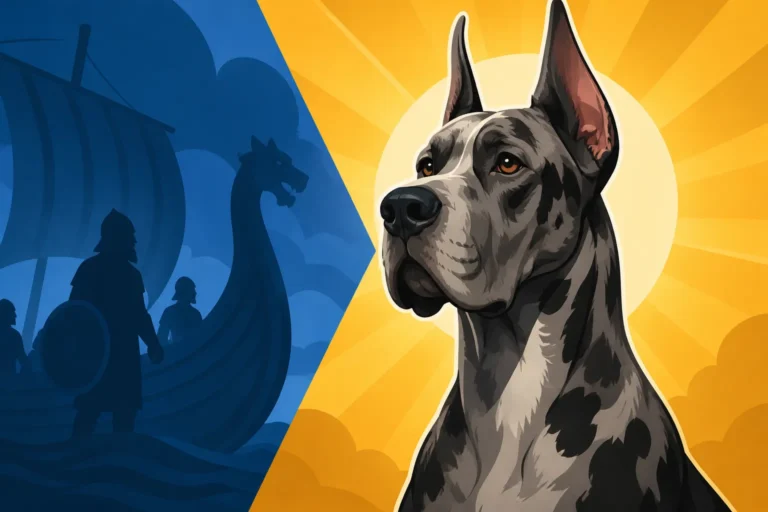
The common myth likely stems from a few different factors, primarily the misinterpretation or casual adoption of a French term. In 18th-century France, large dogs of impressive stature were often referred to as "Grand Danois," which translates directly to "Great Danish." This wasn't necessarily an accurate reflection of their breeding grounds but rather a general term for impressive, large hounds, sometimes associated with Danish nobility or simply a convenient descriptor of their considerable size. Picture a time before precise breed registries and DNA testing, when names were often more descriptive than strictly accurate about origin. This "Grand Danois" descriptor eventually made its way into English, becoming "Great Dane," and the rest, as they say, is history.
It's a classic case of a name sticking through popular usage, even if it's not perfectly precise. For us Great Dane enthusiasts, it’s a fun piece of trivia, but for anyone new to the breed, it's a genuine puzzle. This is why when you're looking for information on proper care or supplies, whether you're browsing articles or looking for giant breed dog food on a site like Chewy, you'll find everything under "Great Dane" despite the historical inaccuracy of the "Dane" part. The name is ingrained now, for better or worse!
Understanding the True Geographical Roots
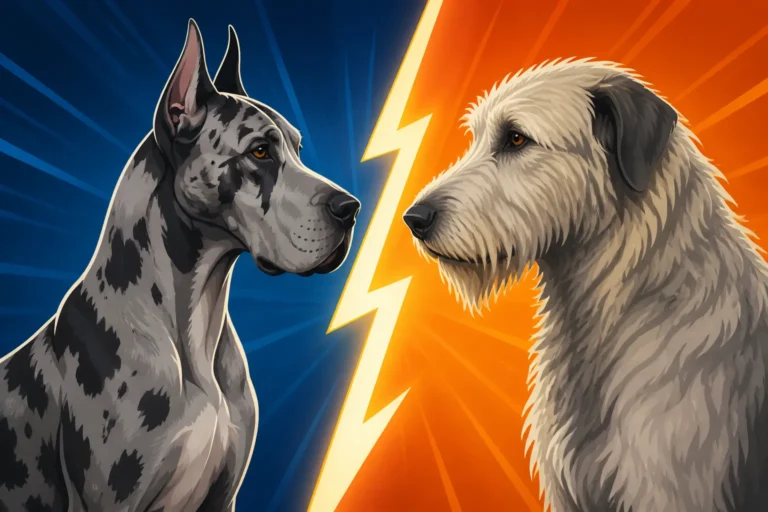
So, if not Denmark, then where? The actual roots of the Great Dane trace back to Germany. This is where the systematic breeding and refinement of these dogs truly took hold. They descended from powerful mastiff-type dogs and fast greyhound-like hounds, selectively bred over generations to create the unique combination of strength, speed, and elegance we see today. The Germans themselves call the breed "Deutsche Dogge," which means "German Mastiff," a name that is far more accurate to their history.
This makes much more sense when you delve into the breed's original purpose and development. It highlights the strong German influence, both in the breed's physical characteristics and its early standards. It’s a reminder that sometimes the most straightforward answer is hidden behind a widely accepted, yet slightly misleading, popular name. The history isn't just about where they lived, but how dedicated breeders meticulously shaped them into the dogs we know.
From Boar Hound to Noble Companion: Early Ancestors and Purpose
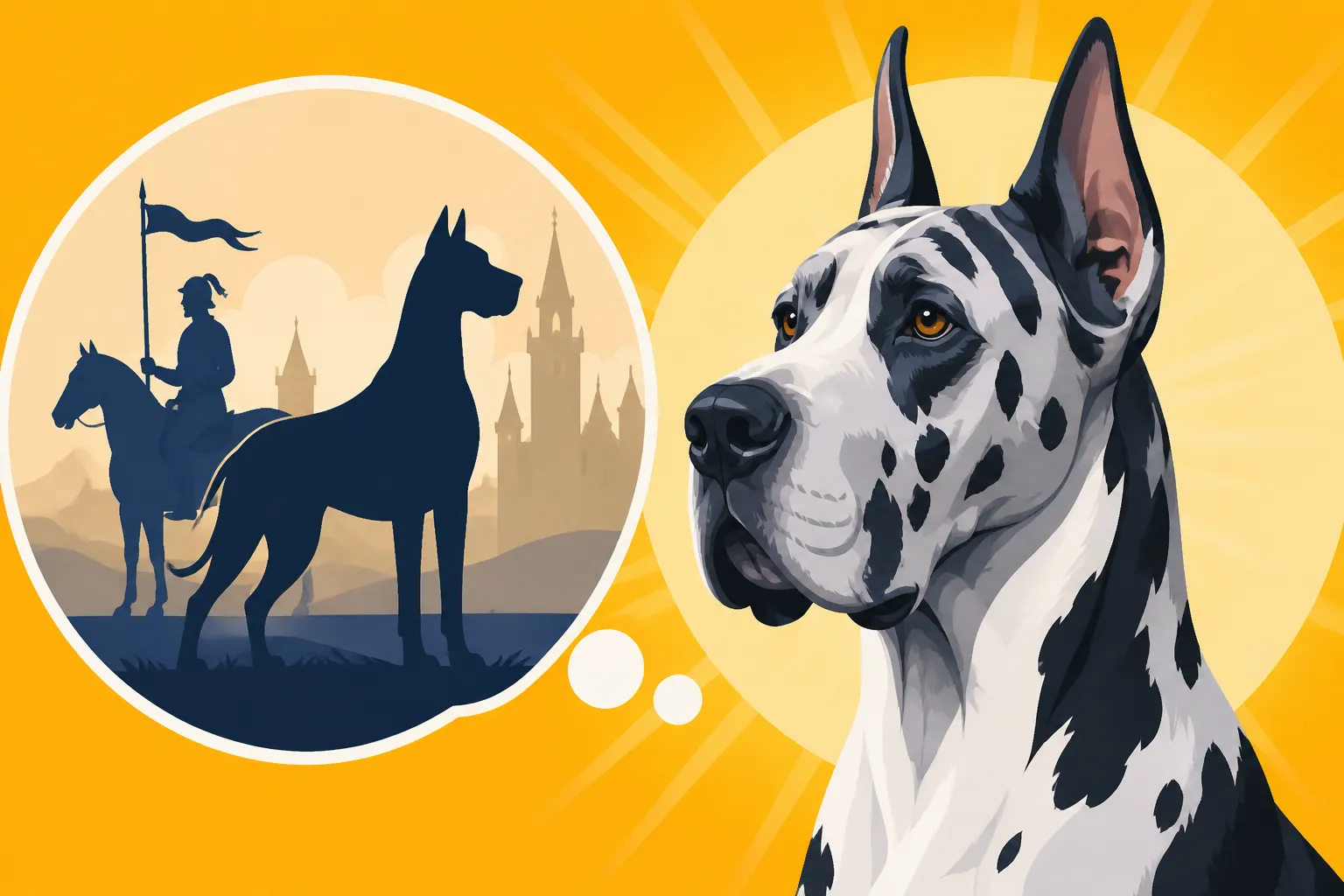
Before they were known as Great Danes or Deutsche Dogges, these colossal canines had a very specific, and rather dangerous, job. Their ancestors were formidable hunters, specifically bred to tackle fierce wild boars. Imagine the courage, strength, and agility required to face down a tusker! These dogs weren't just big; they were built for action, power, and protection. This early role shaped much of their physical and temperamental characteristics, even as their duties evolved.
The sheer scale of these dogs was a practical necessity. A hunter needed a dog that could hold its own against a powerful, aggressive animal. This wasn't a job for a tiny terrier! They needed immense strength to corner and hold prey, coupled with enough speed and agility to keep up during the chase. It's a testament to their ancestors' bravery and the breeders' skill that such specialized traits were refined over time. You can read more about these noble ancestors in The Boar Hound the Great Dane Descends From.
The Role of the Wild Boar Hound
The primary ancestor of the Great Dane was known as the "Boar Hound" (Hatzrüde in German). These dogs were indispensable companions for noblemen and hunters across various European countries, particularly in Germany. Their task was perilous: to track, corner, and sometimes even hold wild boars until the hunter could arrive to deliver the killing blow. This required an incredible blend of physical attributes – a powerful jaw, a strong neck, a muscular body for impact, and long legs for sustained speed.
Think about the sheer courage it would take for a dog to engage with a wild boar, an animal known for its ferocity and sharp tusks. These hounds weren't just meat shields; they were strategic partners in a dangerous hunt. They needed to be smart, capable of working independently, and absolutely fearless. This demanding role ensured that only the strongest, most resilient, and most courageous dogs were bred, contributing to the powerful build and often confident demeanor we see in Great Danes today.
Evolution from Hunter to Estate Guardian
As large game hunting declined and societal roles shifted, the need for specialized boar hounds diminished. However, the impressive size, strength, and noble appearance of these dogs didn't go unnoticed. They began to transition from pure hunters to guardians of estates and noble companions, valued for their imposing presence and loyal nature. This shift in purpose didn't erase their hunting heritage but rather layered new expectations onto their existing traits.
Their sheer size naturally made them excellent deterrents for intruders. Who would dare approach a castle or manor guarded by such a magnificent, towering dog? Furthermore, their calm and gentle temperament when not "on duty" made them suitable companions within the household. This duality – fierce protector and gentle giant – is a hallmark of the breed and something many Great Dane owners cherish today. This evolution highlights how closely intertwined breed development is with human society and its changing needs.
Germany's Claim: The Deutsche Dogge
While the "Great Dane" name gained traction elsewhere, Germany remained steadfast in recognizing the breed as its own. In fact, it's not just a casual preference; it's a point of national pride. They formally adopted the breed as their national dog and gave it the name "Deutsche Dogge," directly translating to "German Mastiff." This decision was a powerful statement, asserting their role in developing and refining what they considered a distinct German breed.
It's a testament to the dedication of German breeders and fanciers who, throughout the 19th century, worked diligently to standardize the breed. They aimed to create a specific type of dog that embodied elegance, power, and a gentle disposition, moving beyond the diverse types of large hounds found across Europe. This focused effort cemented their claim and gave the breed a definitive identity within its country of origin. This passionate ownership of the breed is why Germany officially recognizes The Great Dane as Germany's National Breed.
Bismarck's Influence and National Recognition
One of the most prominent figures associated with the Deutsche Dogge was Otto von Bismarck, the first Chancellor of Germany. He was known for his love of the breed and owned several Deutsche Dogges throughout his life. His affection for these dogs undoubtedly played a significant role in elevating their status and cementing their place in German national identity. When a figure of such national importance champions a breed, it tends to stick. Bismarck and His Great Danes weren't just pets; they were symbols.
Bismarck's endorsement helped to solidify the image of the Deutsche Dogge as a noble, powerful, and distinctly German canine. It contributed to the idea that these dogs embodied certain national characteristics – strength, dignity, and a formidable presence. This period of national consolidation in Germany coincided with the formalization of many native dog breeds, and the Deutsche Dogge was certainly a centerpiece of this effort.
Standardizing the German Mastiff
The late 19th century was a crucial period for the breed in Germany. Breeders came together to establish a definitive breed standard, outlining the ideal physical characteristics and temperament. This was a critical step in differentiating the Deutsche Dogge from other large European hounds and ensuring consistency in future generations. This standardization process aimed to produce dogs that were not only aesthetically pleasing but also healthy and true to the desired type.
The standard emphasized a powerful yet elegant build, a noble head, and a smooth, flowing gait. It moved away from the more rugged hunting types and focused on a refined, imposing companion. The goal was to create a dog that was impressive in appearance but also possessed a gentle and loyal nature, earning it the moniker "Apollo of Dogs." This meticulous work laid the foundation for the breed we recognize today, and if you delve into the history, you'll find that The First German Great Dane Standard was incredibly detailed and influential.
The French Connection: "Grand Danois" and Its English Adoption
So, how did a distinctly German breed end up with a name that points to Denmark? The answer, ironically, lies largely with the French. As we touched upon earlier, in the 18th century, French naturalists and writers began to refer to large, elegant hounds as "Grand Danois," meaning "Great Danish." This term likely emerged not because the dogs originated in Denmark, but perhaps because Danish noblemen were known to keep and sometimes export impressively large dogs, or simply because it sounded exotic and grand.
It's a linguistic twist that profoundly impacted the breed's global identity. The French term didn't just fade away; it traveled. As English travelers and writers encountered these magnificent dogs, they picked up on the French nomenclature. Rather than adopting the German "Deutsche Dogge," which might have been harder to pronounce or less appealing at the time, the English translation of "Grand Danois" — "Great Dane" — became the popular choice.
Linguistic Drift and Misattribution
This adoption wasn't based on a deep dive into the breed's genetic lineage or historical breeding programs. It was more about convenience and popular usage. The term "Grand Danois" resonated with the impressive size and regal bearing of these dogs. It evoked a sense of majesty, regardless of where the dogs were actually being bred. It's a common phenomenon in language, where terms evolve and sometimes lose their original, precise meaning in favor of a more poetic or accessible interpretation.
Imagine a world without instant communication or widely accessible encyclopedias. Information traveled slowly, and names often stuck based on early impressions. The sheer "greatness" and perceived nobility of these dogs made the "Great Dane" name feel apt, even if the "Dane" part was a bit of a historical cul-de-sac. This is why, even today, when people ask me Why the Name Great Dane Stuck Anyway, it’s a story of language and popular culture more than strict historical accuracy.
The Spread to English-Speaking Countries
Once the name "Great Dane" became established in English, it quickly spread to other English-speaking countries. When the breed made its way to America, for instance, it was under this popularized English name. This solidified its place in the global canine lexicon, even as the German breeders continued to champion their "Deutsche Dogge." The names coexisted, with "Great Dane" becoming the international standard outside of Germany.
This highlights the power of language and how names, once adopted, can be incredibly difficult to change, even in the face of more accurate alternatives. It's similar to how many scientific names for plants or animals sometimes carry historical inaccuracies that are maintained for consistency. For owners and enthusiasts, understanding this dual naming convention is part of appreciating the breed's rich, albeit sometimes confusing, history. If you're ever wondering what your German friends would call your dog, now you know it's What Deutsche Dogge Means for a Great Dane Owner.
The Modern Naming Convention: Global vs. Local
Today, we live in a world where both names, "Great Dane" and "Deutsche Dogge," are recognized, though with different levels of prevalence. "Great Dane" is undoubtedly the more globally recognized term, used by most kennel clubs, veterinarians, and dog lovers outside of Germany. However, "Deutsche Dogge" remains the official and preferred name in the breed's homeland, Germany. This dual naming convention is a fascinating legacy of the breed's complex history.
It’s not uncommon for breeds to have different names in their country of origin versus their international designation. Think of the Doberman Pinscher, simply "Dobermann" in Europe, or the Australian Shepherd, which has no direct lineage to Australia. These linguistic variations add to the rich tapestry of dog breed history and can be a point of pride for different nations. It's a reminder that dog breeds are living histories, shaped by culture, language, and geography.
| Name | Primary Usage | Originating Language | Historical Rationale |
|---|---|---|---|
| Great Dane | International (English-speaking countries, FCI) | English (via French) | Popularized translation of "Grand Danois," emphasizing size |
| Deutsche Dogge | Germany (official) | German | "German Mastiff," asserting German origin and breed type |
| Boar Hound | Historical | English | Descriptor of original hunting purpose (Hatzrüde in German) |
| Grand Danois | Historical (French) | French | "Great Danish," likely a generalized term for large hounds |
International Recognition and Kennel Club Standards
Most international kennel clubs, including the American Kennel Club (AKC) and the Fédération Cynologique Internationale (FCI), refer to the breed as the Great Dane. The FCI, an international federation of kennel clubs, lists "Great Dane" as the English translation of the breed name, while acknowledging its German origin. This ensures consistency for international dog shows, breeding programs, and general communication among dog enthusiasts worldwide. The AKC specifically recognized the breed in 1887, under the name "Great Dane" as When Great Danes Reached America.
This global standardization under the "Great Dane" name streamlines many aspects of the dog world, from judging at international competitions to health registries. It means that whether you're in the United States, Australia, or the UK, when you talk about a Great Dane, everyone understands which magnificent canine you're referring to. Despite the historical misnomer, the name has become the universally accepted label for this breed.
Respecting the German Heritage
While "Great Dane" is widely used, it's important for enthusiasts to also acknowledge and respect the breed's German heritage and its name, "Deutsche Dogge." Many breeders and fanciers who delve deep into the breed's history and lines will often use both terms interchangeably or will specifically highlight the "Deutsche Dogge" name when discussing pedigree or historical context. It’s a way of honoring the dedicated work of German breeders who meticulously developed and standardized the breed.
Understanding this dual naming convention isn't just about trivia; it's about appreciating the full scope of the breed's journey. It allows us to connect with the passion and history of those who shaped these dogs into The Great Dane's Reputation as the Apollo of Dogs that we know and love today. So, next time you admire a Great Dane, you can appreciate not only their stunning presence but also the rich, somewhat complicated, story behind their name.
Disclaimer
This article is for general informational purposes only and does not constitute professional advice. Laws, prices and regulations vary by location and change over time. Consult a qualified professional for guidance on your specific situation.