Whether an Older Owner Can Manage a Great Dane
It's a wonderful dream, isn't it? Imagining a serene life with a magnificent Great Dane, their gentle presence a calming force in your home. But if you're an older individual, perhaps contemplating this giant breed for the first time, a nagging worry might creep in: "Can I truly manage a dog this large as I get older?" It's a completely valid concern, not an admission of weakness, but a wise moment of realistic self-assessment. Great Danes are incredible companions, but their sheer size presents unique challenges that are crucial to consider, and this guide is here to walk you through those realities and offer practical solutions.
Understanding the Physical Demands of Great Dane Ownership
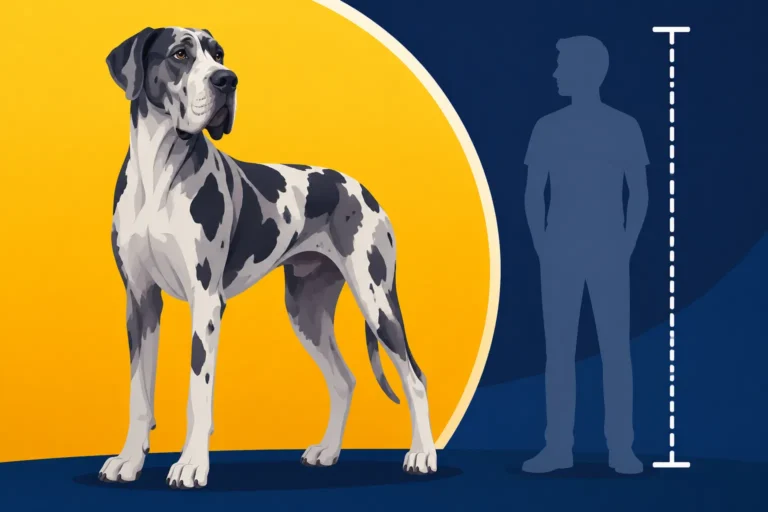
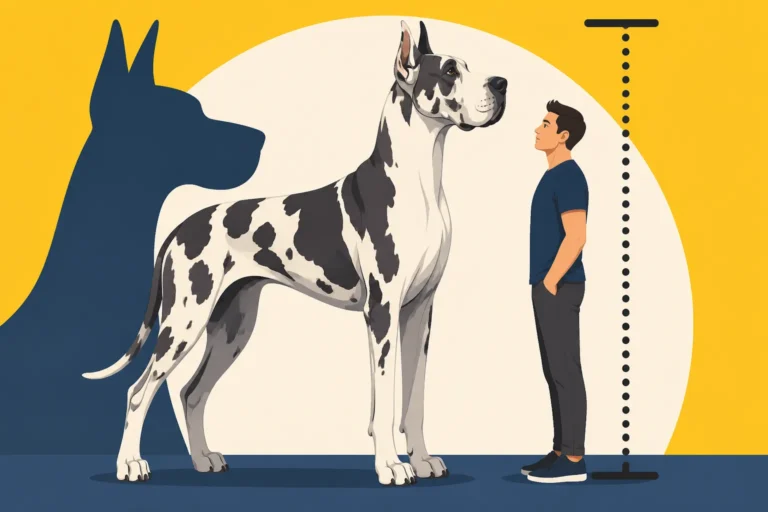
Let's be honest, owning a Great Dane is not like owning a Chihuahua. Their size isn't just about their majestic appearance; it translates directly into significant physical demands throughout their lives, demands that are especially important for older owners to consider. It’s not about being "old," it’s about acknowledging how physical limitations, even minor ones, can be amplified by a 150-pound dog.
The Reality of Puppyhood Energy
You might picture a gentle giant, and eventually, that's what many Great Danes become. But a Great Dane puppy? That's a whole different story. These aren't small, delicate creatures you can easily scoop up. A four-month-old Great Dane puppy can already weigh 50-70 pounds, and they are bundles of uncoordinated energy, all sharp teeth and gangly limbs.
Imagine trying to keep up with a playful, bouncing puppy that is rapidly approaching your hip height. They'll mouth, they'll jump, and they'll careen through your home with all the grace of a runaway freight train. An accidental bump from a zealous pup can send even a sturdy adult off balance, let alone someone with less robust joints or slower reaction times. House-training involves frequent trips outside, often in all weather, and a Great Dane puppy can go from a deep sleep to an urgent need in seconds. If you have mobility issues or live in a home with many stairs, navigating this crucial stage can be incredibly challenging. There's a lot of truth to the saying that The Manners a Great Dane Needs Before It Grows are critical, precisely because they get so big so fast.
Leash Handling and Strength
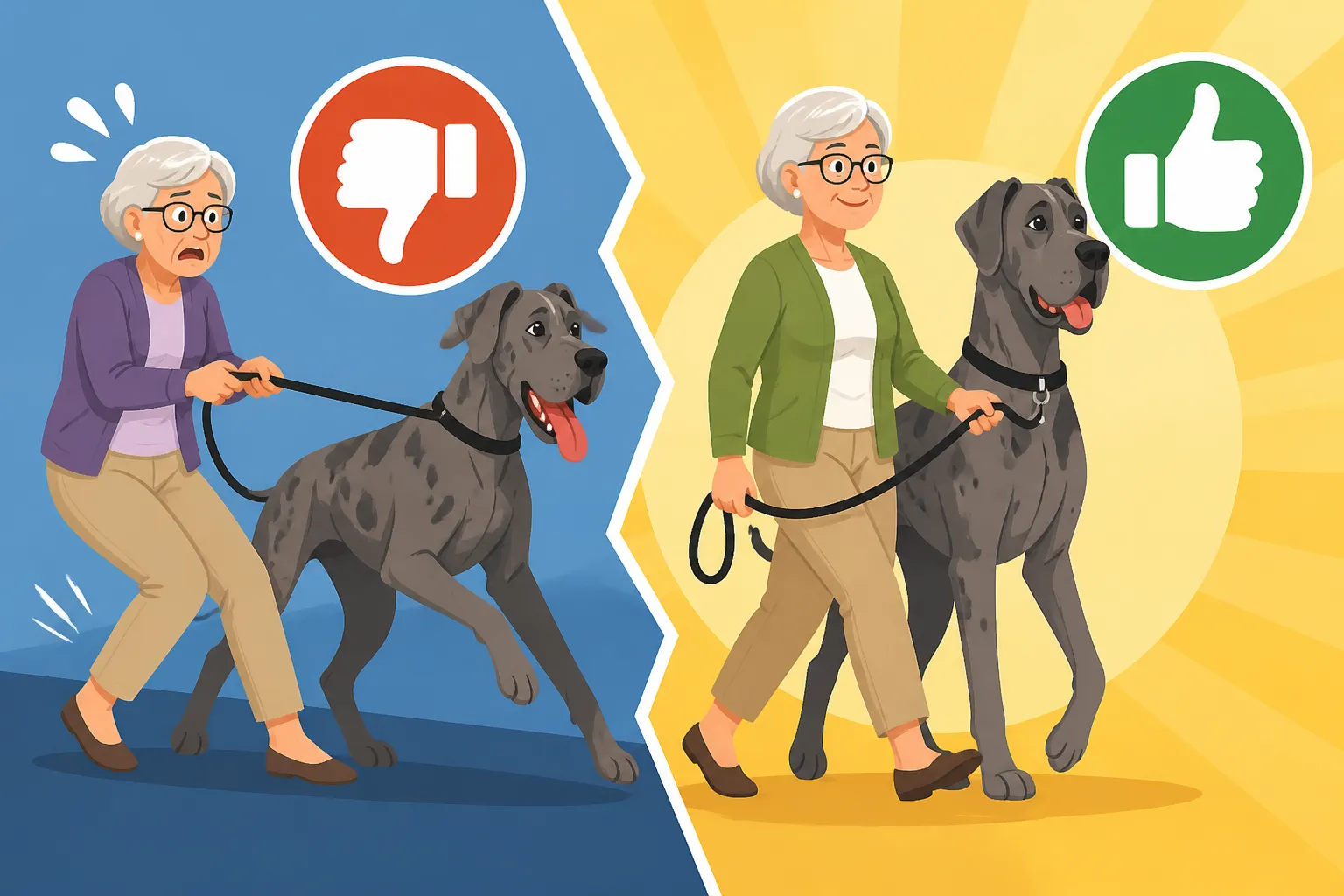
This is where many people, regardless of age, hit a wall with a giant breed. A fully grown Great Dane can weigh anywhere from 110 to 180 pounds or more. While many are "gentle giants" at home, the outside world is full of irresistible scents, squirrels, other dogs, and interesting people. A Dane that hasn't mastered Great Dane Leash Manners at a Hundred and Fifty Pounds can pull you off your feet with startling ease.
Think about a sudden lunge after a rabbit or an enthusiastic greeting with a stranger. Even with the best intentions, a dog of that mass can generate immense force. If you're someone who might struggle to regain your balance quickly or whose bone density isn't what it once was, the risk of a fall or injury becomes very real. This isn't just about walks around the block; it's about getting from the car to the vet, navigating a crowded park, or simply trying to prevent them from bolting out the front door. It requires not just strength, but quick reflexes and a firm grip, all while maintaining control over a powerful animal.
Lifting and Mobility Challenges
Let's face it: lifting a Great Dane is rarely an option for most people, even strong younger individuals. But there will be times when you need to assist your giant dog with mobility. Picture this: your Great Dane is sick and weak, maybe struggling to stand after an episode of Bloat in a Great Dane and the One in Three Odds. Or perhaps they've just had surgery and need gentle assistance getting into the car to come home from the vet. Even getting them into an SUV for a routine vet visit can be a logistical nightmare, requiring ramps and careful guidance.
As Danes age, joint issues or conditions like Wobbler's Syndrome can make standing or walking difficult for them. You might need to help them up from a lying position, maneuver them in and out of a car, or even help them up a single step. This kind of assistance demands significant physical exertion, and if you're managing it alone, it can quickly become overwhelming. The sheer bulk of a Great Dane means that even rolling them over for a belly rub can be a workout, and performing basic care like nail trims or ear cleanings often requires you to get down on the floor or manage their weight against you.
Training, Socialization, and Management Strategies for All Ages
The good news is that many of the challenges associated with a Great Dane's size can be mitigated with proactive planning, consistent training, and the right tools. Age doesn't have to be an absolute barrier, but it does mean being extra intentional about how you approach their care and development.
The Absolute Necessity of Early Training
For an older owner, early and consistent training for a Great Dane isn't just a good idea; it's absolutely essential. You cannot wait until your dog is 100 pounds to teach them not to jump. A small puppy that puts its paws on your chest is cute; a 150-pound adult doing the same is dangerous. Focus on fundamental obedience commands like "sit," "stay," "down," and a rock-solid "leave it." Teaching them not to jump up on people is critical. Stopping a Great Dane Jumping Up on People must be a priority from day one.
Enroll in puppy classes as soon as possible, ideally with a trainer who has experience with giant breeds. These classes aren't just for the dog; they teach you how to communicate effectively and manage their immense strength. A well-trained Great Dane is a joy to live with, regardless of your age, because they respond to verbal cues and aren't constantly testing physical boundaries. A Dane that understands polite greetings and loose-leash walking makes your life infinitely easier and safer.
Tools and Techniques to Aid Management
Leveraging the right equipment can make a world of difference in managing a large dog without relying solely on brute strength.
- Harnesses: Forget those flimsy clip-on harnesses. Look for a sturdy, well-fitting front-clip harness. When the leash attaches at the front of the chest, it redirects your dog's pulling power to the side, turning them around rather than allowing them to drag you forward. Brands like Balance Harness or Freedom No-Pull Harness are often recommended for their effectiveness and comfort.
- Head Halters: For Danes who are still very strong on the leash despite a front-clip harness, a head halter can offer excellent control. It works similarly to a horse's halter, guiding the dog's head, and where the head goes, the body follows. Many owners find these provide immediate relief for severe pulling, though some dogs need time to adjust to wearing them.
- Long Lines: For safe, supervised outdoor exercise in open areas, a long line (a 20-30 foot leash) allows your Dane to explore and run a bit while you maintain control. This is a great way to provide enrichment without needing to constantly physically restrain them.
- Positive Reinforcement: This is your strongest tool. Great Danes are intelligent and sensitive. They respond beautifully to praise, treats, and positive encouragement. Avoid harsh corrections or physical punishment, which can damage their trust and lead to fear-based reactions, potentially making a large dog even harder to manage. Consistency is key; every interaction is a teaching moment.
- Enrichment Toys: A mentally stimulated Dane is often a calmer Dane. Puzzle feeders and durable chew toys (you'll want the biggest, toughest ones, readily available from retailers like Chewy) can keep their minds busy and reduce destructive behaviors born of boredom.
Environment Adaptation for Large Dogs
Your home and yard need to be set up to safely accommodate a Great Dane, especially as you get older.
- Ramps: Investing in a sturdy, non-slip ramp for your car is invaluable. It saves your back and your dog's joints, making car travel much easier from puppyhood through their senior years. Ramps for Getting a Great Dane Into a Car are not a luxury, but a necessity.
- Orthopedic Beds: Great Danes need proper support for their large frames. Hard floors can lead to calluses and joint pain. Invest in high-quality Orthopedic Beds a Great Dane Needs that offer dense foam support, not just fluffy stuffing. You might even want a few strategically placed throughout the house where your Dane likes to nap.
- Safe Spaces: A spacious crate can be a lifesaver, providing a safe, comfortable den for your dog when you can't supervise them directly, or if they need quiet time. Just be sure to find Crates That Hold a Full-Grown Great Dane. Baby gates or ex-pens can also help manage their access to certain areas of the house, particularly when they're young and prone to counter-surfing (and believe me, they can reach everything).
- Secure Fencing: A Great Dane needs a securely fenced yard. While they aren't typically escape artists, their size means they can easily jump over or lean through flimsy fences. A four to six-foot fence is generally recommended to keep them safely contained.
Health Considerations and Long-Term Care for a Giant Breed
Great Danes, like all giant breeds, come with their own set of health concerns, and managing these can be physically and emotionally taxing, especially for an older owner. Their shorter lifespan means you're often facing age-related issues sooner than with smaller breeds.
Proactive Health Management
Great Danes are prone to several serious health conditions, including:
- Bloat (Gastric Dilatation-Volvulus, or GDV): This is a life-threatening emergency where the stomach fills with gas and can twist, cutting off blood supply. It requires immediate veterinary intervention. Knowing The Signs of a Great Dane Stomach Twisting and being able to quickly transport your dog to an emergency vet, potentially in the middle of the night, is crucial. Preventative surgery (gastropexy) is highly recommended.
- Dilated Cardiomyopathy (DCM): This heart muscle disease is common in Great Danes. Regular cardiac screenings are important. If diagnosed, treatment often involves daily medication, which you'll need to administer reliably. The Heart Muscle Disease Great Danes Are Prone To is a serious concern for the breed.
- Joint Issues: Though they are screened for hip and elbow dysplasia, Great Danes can still develop arthritis or other orthopedic problems as they age or due to their rapid growth as puppies. Great Dane Hips, Elbows and Growing Joints are under immense stress during their formative months.
Managing these conditions involves regular vet visits, often lifting them onto tables (which requires vet staff assistance), administering large doses of medication, and potentially dealing with emergency situations that demand quick action and physical stamina. You’ll also be carrying very large bags of specialized food and supplements, which can be heavy to lift and pour. Remember, a major retailer like Chewy can deliver large bags of food right to your door, which can be a huge help.
Mobility Assistance for Senior Danes
As a Great Dane ages, typically around six years old, their mobility can start to decline. This is often earlier than smaller breeds. You may find yourself needing to assist your beloved companion more and more.
- Slings and Support Harnesses: These are indispensable for helping a Great Dane with weak back legs or general weakness get up, navigate stairs, or go outside to potty. Using them requires bending, lifting, and careful maneuvering of a heavy dog. Mobility Aids for a Failing Great Dane can extend their quality of life, but they require your active participation.
- Non-Slip Flooring: Adding rugs or runners to slippery floors can provide traction, preventing falls and making it easier for an older Dane to get around.
- Careful Exercise Management: While still growing, Exercise Limits While a Great Dane Is Still Growing are important to protect their developing joints. As seniors, their activity levels need to be adjusted again to prevent strain and manage existing pain, requiring careful monitoring and sometimes modified walks.
The Emotional and Financial Commitment
Beyond the physical aspects, owning a Great Dane is a profound emotional and financial commitment. Their lifespan, though short (typically seven to ten years), is packed with intensity. They are deeply bonded dogs who thrive on companionship. Being able to provide that consistent emotional presence is key.
Financially, everything for a Great Dane costs more: more food (easily ten cups a day for some), larger doses of medication, more expensive beds, bigger crates, and, inevitably, higher vet bills for treatments and emergencies. It’s important to understand What a Great Dane Costs Before It Turns One and how those costs only continue, and often escalate, throughout their lives, especially as they get older and develop age-related health issues. This isn't just about whether you can physically manage them, but also whether you can sustainably provide for all their needs over their lifetime.
Support Systems and Lifestyle Adjustments
So, does this mean an older owner cannot manage a Great Dane? Absolutely not! It means careful consideration and perhaps making some adjustments and building a strong support network.
Building a Support Network
This is perhaps the most crucial element for any older owner considering a Great Dane. You don't have to do it all alone.
- Family and Friends: Do you have family members or close friends who live nearby and are willing to help with walks, vet visits, or emergency transport if needed? Having a backup plan for heavy lifting or unexpected situations can alleviate immense stress.
- Professional Services: Budget for professional help. This could include a reliable dog walker for daily exercise, a pet sitter for when you're away, or even a mobile vet service for routine check-ups if getting your large dog into the car becomes too difficult. Many services, including specialty products and foods, are readily available online from providers like Chewy, making resupply easier.
- Local Great Dane Community: Connect with other Great Dane owners in your area. They can be a fantastic resource for advice, support, and even occasional help with pet-sitting or dog-walking if you build strong relationships.
Assessing Your Own Physical Capabilities
Take an honest inventory of your current physical health and anticipate how it might change over the next 7-10 years.
- Mobility: Can you comfortably walk several miles a day, manage stairs, and quickly get up and down from the floor?
- Strength: Can you hold a leash firmly against a pulling dog? Can you bend and lift a heavy food bag or scoop a large amount of waste?
- Balance: Are you prone to losing your balance? A large, clumsy puppy or an excited adult Dane could easily knock you off your feet.
If you have concerns about these areas, it doesn't rule out Great Dane ownership, but it highlights where you'll need to lean on your support system or invest more heavily in training and assistive devices.
Considering an Adult or Senior Dane
One of the best solutions for older owners who adore Great Danes but want to avoid the intense physical demands of puppyhood is to adopt an adult or even a senior Great Dane from a reputable rescue organization.
- Established Temperament: An adult Dane's personality and energy levels are already established. You'll know if they are a couch potato or an active adventurer, allowing you to choose a dog that truly fits your lifestyle.
- Training Foundation: Many rescue Danes come with some level of training, or at least a history that indicates their trainability. You might skip the challenging house-training and initial leash training phases.
- Maturity: An older dog is less likely to jump or have the boundless, chaotic energy of a puppy. They tend to be calmer and more settled, often just wanting to be near their people.
- Reduced Growth Concerns: You won't have to worry about the delicate balance of Bone Development Problems in a Great Dane Puppy or managing their rapid growth.
While an older dog still requires commitment, love, and potentially more vet care for age-related issues, they often bypass the most physically demanding period of Great Dane ownership. Rescue organizations are often excellent at matching dogs to suitable homes, taking into account the adopter's lifestyle and physical capabilities.
Ultimately, managing a Great Dane as an older owner is entirely possible, but it requires thorough preparation, a realistic understanding of the breed's needs, and a willingness to build a robust support system. It's about working smarter, not harder, and ensuring you can provide a loving, safe, and happy home for these magnificent dogs.
Disclaimer
This article is for general informational purposes only and does not constitute professional advice. Laws, prices and regulations vary by location and change over time. Consult a qualified professional for guidance on your specific situation.