What Deutsche Dogge Means for a Great Dane Owner
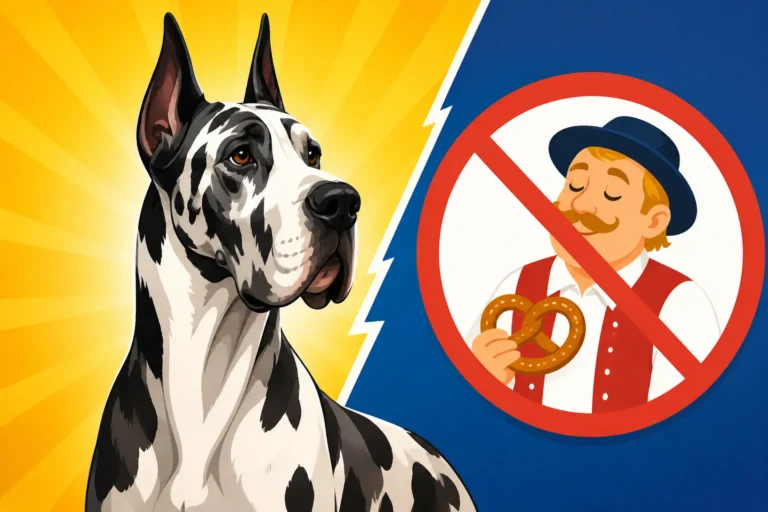
It's quite common for Great Dane owners, or those just admiring these magnificent creatures, to stumble upon the term "Deutsche Dogge" and wonder what on earth it means. You've heard "Great Dane" your whole life, so seeing another name can feel a little confusing, maybe even a bit like you're missing a crucial piece of the puzzle about your beloved companion. This guide is here to unravel that mystery, showing you why understanding "Deutsche Dogge" is more than just a language lesson; it's a journey into the heart and history of the breed you cherish.
The Historical Roots of the "Great Dane" Name
Let's be honest, the name "Great Dane" is a bit of a historical head-scratcher. When you look at these towering, elegant dogs, the last thing most people think of is Denmark. And for good reason – it’s a name that stuck, but one that doesn't quite tell the whole story of their incredible lineage.
A Misleading Name and Lingering Confusion
The "Great Dane" moniker, despite its widespread acceptance in English-speaking countries, is actually a significant misnomer. These dogs have virtually no historical connection to Denmark. The story goes that in the 18th century, a French naturalist encountered the breed and mistakenly believed it was a Danish variation of the Mastiff, dubbing it "Grand Danois" (Great Danish dog). The name, for whatever reason, took hold in English-speaking cultures, cementing a geographical inaccuracy that persists to this day. For a long time, people just accepted it, never really questioning why such a distinctly German breed carried a Danish label. This misunderstanding can often lead new owners to seek out information about Danish dog breeds when their Great Dane's true heritage lies elsewhere.
The persistent use of the "Great Dane" name can be a source of mild confusion for those looking into the breed's origins. It almost implies a specific breeding line or characteristic tied to Denmark, which simply isn't there. It's akin to calling a French Bulldog a "Spanish Bully"—it just doesn't align with the facts of its development. This historical quirk has often overshadowed the true, fascinating story of how these dogs came to be, creating a slight disconnect between the name and the reality.
The True Origins: German Boar Hounds
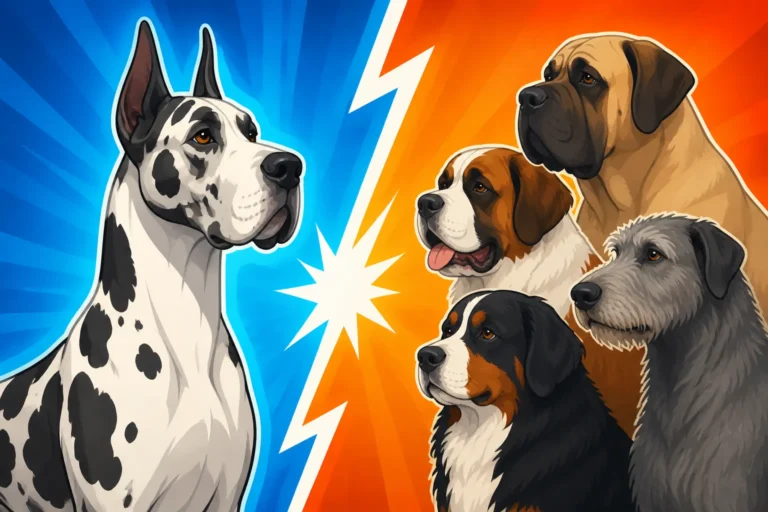
So, if not Denmark, then where? The true home and origin of the Great Dane, or as they're correctly known in their homeland, the Deutsche Dogge, is Germany. For centuries, these powerful dogs were meticulously bred by German nobility for a very specific and dangerous task: hunting wild boars. Imagine the courage, strength, and agility required to confront a charging wild boar – a formidable adversary with tusks capable of inflicting serious harm. These dogs weren't just big; they were athletic, fearless, and incredibly intelligent. They were developed to be faster and more agile than the heavy English Mastiffs of the time, yet still possessing immense power and a tenacious grip to "hold" the boar until the hunter could deliver the killing blow.
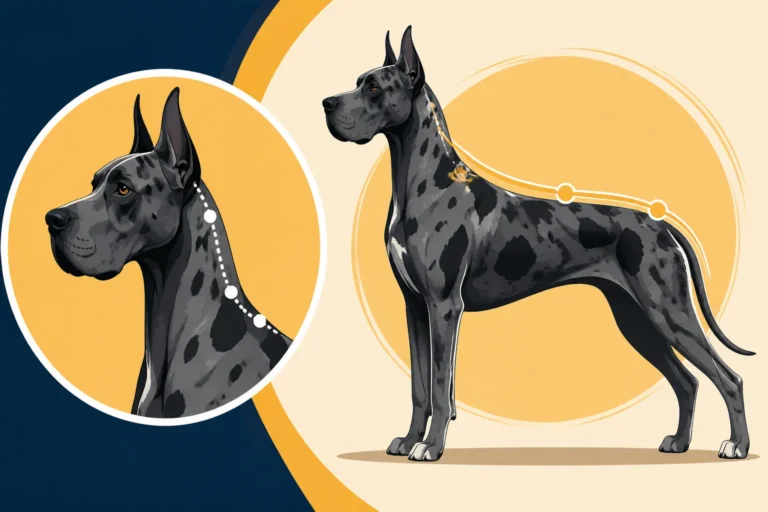
This heritage as a "Boar Hound" (Hatzrüden in German) shaped every aspect of the breed, from their muscular build and deep chest to their impressive speed and formidable presence. They needed to be quick enough to pursue the prey, strong enough to bring it down, and intelligent enough to work in tandem with hunters. Their lineage traces back to a blend of various large European dogs, including old war dogs and hunting mastiffs, all refined over generations in Germany to create the ultimate boar-hunting machine. It's a testament to their breeding that even today, under all that gentle giant exterior, lies the heart of a powerful and courageous hunter. Learning about this background really helps you appreciate the physical capabilities and inherent courage of your own Great Dane, even if their biggest hunt these days is for dropped crumbs.
Deutsche Dogge: Germany's National Treasure
Understanding the breed's correct name, Deutsche Dogge, opens up a deeper appreciation for their history and how they became the majestic companions we know today. It connects them directly to their country of origin and the dedicated breeders who shaped them.
What "Deutsche Dogge" Actually Translates To
"Deutsche Dogge" directly translates to "German Mastiff" or "German Dog." This might sound a little less glamorous than "Great Dane," but it's far more accurate and respectful of the breed's true heritage. The term "Dogge" itself is a German word that was broadly used for large, powerful dogs of the Mastiff type, rather than a specific breed. By adding "Deutsche" (German) to it, the name clearly identifies its national origin and distinguishes it from other "Dogge" types found across Europe. This isn't just a linguistic detail; it reflects a deliberate move by German breeders and enthusiasts to claim ownership of the breed and establish a clear identity.
The adoption of "Deutsche Dogge" was a declaration of national pride and a rejection of the foreign, misleading "Great Dane" label. It positioned the breed firmly as a German creation, refined through generations within Germany's borders. For owners, this translation helps reinforce the idea that their dog is a product of specific German breeding efforts, focused on creating a dog of immense power, elegance, and noble character. It's a reminder that beneath the gentle giants we cuddle on the couch lies a powerful working dog, meticulously developed for a serious purpose.
Bismarck's Influence and the German Standard
The breed's journey to becoming Germany's national dog was significantly influenced by some prominent figures, none more so than Otto von Bismarck, the "Iron Chancellor" himself. Bismarck was a fervent admirer and owner of Deutsche Doggen, reportedly keeping several by his side throughout his life. His personal affinity for the breed played a crucial role in elevating its status and solidifying its image as a symbol of German strength and nobility. When a figure of such national importance champions a breed, it naturally gains prestige and recognition.
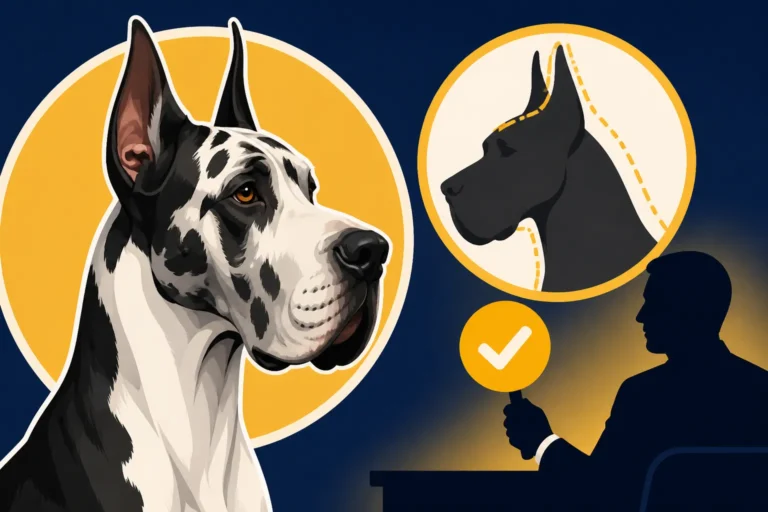
It was in 1878, at a meeting in Berlin, that a committee of breeders and judges, under the leadership of Dr. Bodinus, officially declared the "Deutsche Dogge" as a unified German breed, effectively rejecting the "Great Dane" and other regional names like "Ulm Dog" or "Danish Dog." This move was pivotal. It led to the establishment of the first breed standard, outlining the ideal physical characteristics, temperament, and movement of the Deutsche Dogge. This standard was crucial for guiding future breeding efforts, ensuring consistency in type, and preserving the traits that made the breed so exceptional. Today, reputable breeders, whether in Germany or elsewhere, adhere closely to these foundational standards, understanding that the health and integrity of the breed depend on it. This commitment to the standard helps maintain the unique attributes that make a Great Dane, a Great Dane, from their striking presence to their affectionate nature.
Practical Implications for Great Dane Owners
Understanding the "Deutsche Dogge" name isn't just a fun fact; it has tangible implications for how you perceive and interact with your Great Dane, from training to finding appropriate supplies.
Understanding the Breed's Purpose and Temperament
Knowing that your Great Dane descends from the German Boar Hound, the Deutsche Dogge, can profoundly deepen your understanding of their temperament and inherent traits. It helps explain why, despite their often goofy and cuddly demeanor, they possess a profound sense of courage, loyalty, and an almost regal presence. They were bred to be formidable, yet also controllable and intelligent enough to work closely with humans in dangerous situations. This dual nature—powerful guardian and gentle companion—is a hallmark of the breed.
You might notice a protective streak, or a profound loyalty to their family that harkens back to their guarding instincts. They are often keen observers, taking in their surroundings, and can be surprisingly alert despite their lounging habits. Understanding this past can also inform your training approach. These are not dogs to be intimidated or handled roughly; their intelligence and sensitive nature, combined with their sheer size, respond best to positive reinforcement and consistent, confident guidance. Their ancestry is why they often carry themselves with such dignity, a quiet nobility that is truly captivating.
The Importance of Responsible Breeding and Health
The German dedication to establishing a definitive breed standard for the Deutsche Dogge underscored a commitment to health and sound temperament. This legacy is incredibly important for modern Great Dane owners. Responsible breeders today, whether they explicitly use the "Deutsche Dogge" term or not, should be deeply rooted in the principles of ethical breeding established centuries ago. They focus on maintaining the breed's magnificent structure, ensuring its powerful but balanced gait, and, crucially, working to minimize the prevalence of genetic health issues. For a breed known to have a shorter lifespan and prone to serious conditions like Bloat in a Great Dane and the One in Three Odds or The Heart Muscle Disease Great Danes Are Prone To, selecting a puppy from a breeder who adheres to stringent health testing and genetic screening is paramount.
When you're searching for a Great Dane puppy, this historical context should empower you to ask breeders about their adherence to health standards, the history of their lines, and their commitment to the overall well-being of the breed. A responsible breeder will be transparent about potential health concerns like hip and elbow dysplasia and cardiac conditions, and provide certifications for their breeding dogs. They understand that they are perpetuating a national treasure, and their goal is to produce sound, healthy representatives of the Deutsche Dogge type. You might even find that many premium food brands, like those found on Chewy, craft specific large-breed formulas designed to support healthy growth and joint care for these magnificent animals, echoing the care that went into their historical development.
Navigating Breed Terminology in the Wider World
For Great Dane owners, encountering both "Great Dane" and "Deutsche Dogge" is simply part of living with this magnificent breed. While "Great Dane" is the universally recognized term in English-speaking countries, knowing about "Deutsche Dogge" enriches your understanding and can be helpful in specific contexts. You might see the term "Deutsche Dogge" used by European breeders, in historical texts, or in breed standards published by international canine organizations. It provides a deeper, more accurate connection to the breed's historical and cultural roots.
When you're doing research, perhaps looking into various bloodlines or seeking advice from international communities, understanding that "Deutsche Dogge" refers to the same dog will broaden your access to information. It allows you to appreciate the global nature of the breed's community while acknowledging its distinct German origins. Moreover, it's a great conversation starter at the dog park or among fellow dog enthusiasts, allowing you to share a deeper layer of knowledge about your impressive companion. Whether you call them Great Danes or Deutsche Doggen, their majestic presence and gentle spirit remain unchanged, but the latter name offers a glimpse into their true, proud heritage. Sometimes, when I'm looking for special toys or treats, I'll even search for "Deutsche Dogge" on sites like Chewy, just to see if there's any niche product targeting that specific identity, though usually, "Great Dane" gets the job done!
The Enduring Legacy of the Deutsche Dogge
No matter what you call them, the essence of this incredible breed remains its enduring legacy: a majestic, loyal, and loving companion. The history behind the name only serves to deepen our appreciation for them.
Beyond the Name: The Dog Itself
Ultimately, whether you refer to your towering companion as a Great Dane or a Deutsche Dogge, the true essence of the dog lies in its undeniable characteristics. This is a breed defined by its imposing yet graceful physique, often weighing over 100 pounds and standing well over two feet at the shoulder, with some males even reaching The Thirty-Two Inch Male Great Dane. But more than size, it's their personality that truly captures hearts. They are renowned for their "gentle giant" temperament – sweet, affectionate, and remarkably patient with children and other animals. This blend of immense physical presence and profound gentleness is what makes them so unique and beloved.
Their loyalty to their family is unwavering, often expressed through leaning against you, resting their massive head on your lap, or simply following you from room to room. They thrive on companionship and can be quite sensitive to their owners' moods, often acting as intuitive, comforting presences. Despite their size, they are often surprisingly calm indoors, earning them the reputation of being wonderful house dogs, provided they get adequate mental and physical stimulation. This quiet dignity and deep bond are what every owner truly cherishes, far beyond any debate about nomenclature.
Celebrating the Breed's Rich Heritage
Embracing the history of the Deutsche Dogge is a wonderful way to connect more deeply with your Great Dane. It's about understanding the journey this breed took from the ancient battlefields and boar hunts of Germany to becoming the cherished family members they are today. Learning about their origins helps you appreciate the careful breeding that went into developing their impressive build, their powerful gait, and their noble temperament. It's a heritage filled with strength, courage, and loyalty – traits that continue to resonate in every Great Dane.
By recognizing the name "Deutsche Dogge," you're not just acknowledging a historical fact; you're celebrating the profound cultural significance of this breed to Germany and its lasting impact on the canine world. It fosters a sense of pride and a deeper understanding of the magnificent animal sharing your home. It’s also an opportunity to be an advocate for responsible breeding, ensuring that these incredible dogs continue to thrive as healthy, well-adjusted members of our families for generations to come. When you understand the "Deutsche Dogge," you understand the Great Dane more completely. Just like when you choose high-quality nutrition or enrichment toys from a trusted source like Chewy, you're investing in a healthy, happy future for your gentle giant, honoring their past by caring for their present.
Here's a quick look at the two names:
| Feature | Great Dane | Deutsche Dogge |
|---|---|---|
| Origin Country | Germany (despite the name) | Germany |
| Literal Translation | "Great Dog from Denmark" (Incorrect) | "German Mastiff" or "German Dog" (Correct) |
| Primary Usage | English-speaking countries | Germany and international breed clubs |
| Historical Basis | Misnomer from 18th-century French observations | Direct reference to German breeding and heritage |
| Implied Identity | Broad, internationally recognized | Specific, national, historically accurate |
| Significance for Owner | Common name for daily use | Deeper understanding of breed's roots and characteristics |
Why the Great Dane Is Not Danish
The Boar Hound the Great Dane Descends From
The Great Dane as Germany's National Breed
Bismarck and His Great Danes
The First German Great Dane Standard
The Great Dane Temperament and Its Limits
The Health Testing a Great Dane Breeder Owes You
Reading a Great Dane Puppy's Health Papers
The Thirty-Two Inch Male Great Dane
What Gentle Giant Means for a Great Dane
Disclaimer
This article is for general informational purposes only and does not constitute professional advice. Laws, prices and regulations vary by location and change over time. Consult a qualified professional for guidance on your specific situation.