How Common Great Danes Are in America
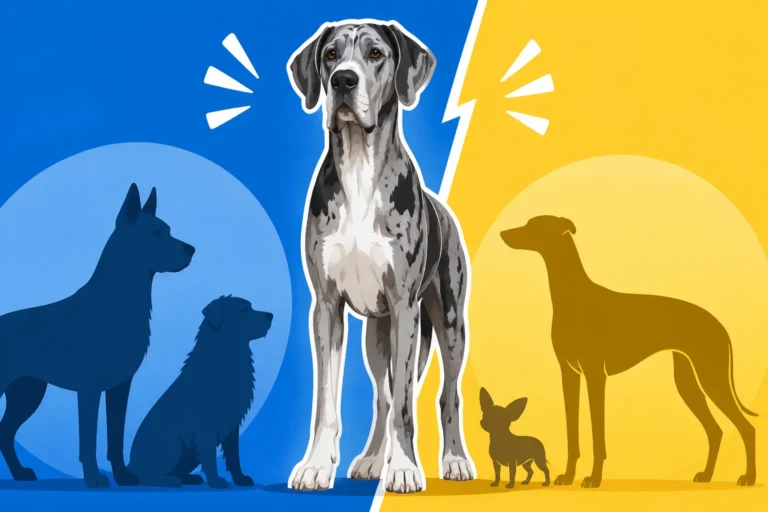
It’s a common sight: someone spots a magnificent Great Dane out walking, their eyes widen, and they exclaim, "Wow, you don't see many of those around!" This perception of rarity, however, isn't always the full story. While they might not be as ubiquitous as some smaller breeds, Great Danes hold a unique and consistent place in the hearts of many American dog lovers, and this guide aims to peel back the layers on just how common, or uncommon, these gentle giants truly are across the United States.
Understanding the Great Dane's Stature in America
When we talk about how "common" a dog breed is, it's rarely a simple yes or no answer. It’s more about a blend of official statistics, public perception, and the practical realities of owning such a magnificent, large animal. Great Danes have a certain mystique about them, a regal presence that often makes them stand out, even in a crowd of canines.
The Perception Versus Reality of Great Dane Popularity
Many people's perception of a breed's commonality is shaped by what they see in their daily lives. If you live in a bustling city apartment, you might rarely encounter a Great Dane, leading you to believe they are quite rare. Their sheer size, after all, makes them less suited for tight urban spaces, though plenty of dedicated owners make it work! Conversely, if you reside in a more suburban or rural area with larger homes and yards, you might see them more frequently at the dog park or on neighborhood strolls. This difference in exposure creates a varied perspective.
The reality, however, often tells a slightly different tale. While Great Danes aren't top-of-the-charts like Labradors or Golden Retrievers, they consistently rank within the top 20 or 30 most popular breeds according to official registries. This means that year after year, a significant number of families choose to welcome these majestic dogs into their homes. It's a steady, enduring popularity, driven by their incredible temperament, rather than a fleeting trend. They might not be on every street corner, but they are certainly a cherished and consistently chosen breed.
Why AKC Registration Numbers Matter for Popularity
When we want to talk about concrete numbers for breed popularity, the American Kennel Club (AKC) registration statistics are usually the go-to source. These numbers reflect the purebred puppies that are registered each year, giving us a pretty solid snapshot of which breeds are being actively bred and acquired by families across the country. Over the years, the Great Dane has consistently held a strong position in these rankings.
Think of it this way: while they might not hit the number one spot, their presence year after year within the top tiers demonstrates a stable and dedicated following. It's not a breed that skyrockets in popularity due to a movie, only to fall off the radar a few years later. Instead, their appeal is enduring, often passed down through generations of families who have experienced the joy of living with a Dane. This steady demand indicates that breeders continue to produce healthy, well-socialized puppies, and owners continue to seek them out, understanding the commitment involved. You might not see them in every single pet store window, but that consistent AKC ranking proves they are far from rare.
Factors Influencing Great Dane Popularity
It’s no secret that owning a Great Dane is a significant undertaking. Their impressive size, their care requirements, and their financial implications all play a role in why they aren't as prevalent as, say, a Beagle. These factors create a natural filtering process, ensuring that those who do bring a Great Dane home are typically well-prepared for the commitment.
The Impact of Size and Lifestyle Compatibility
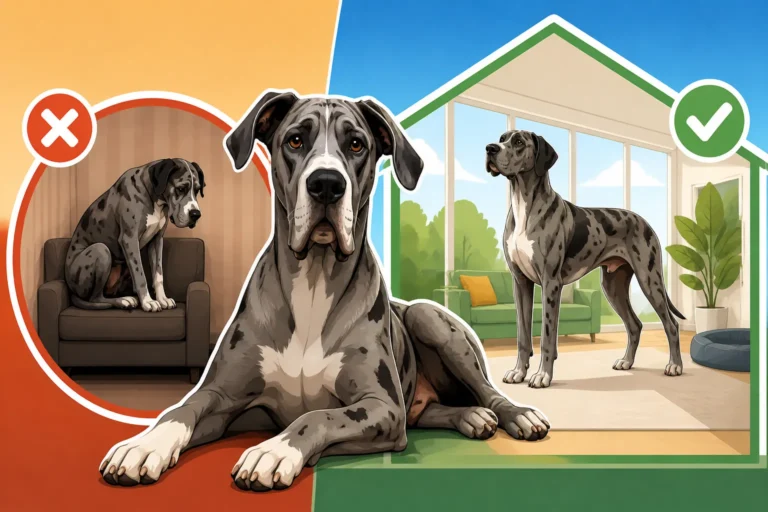
Let's be honest, a Great Dane takes up a lot of space! This isn't just about fitting them on your couch, but also about the general layout of your home, the size of your car, and even the width of your hallways. Imagine trying to navigate a tiny apartment with a full-grown Dane who thinks your lap is the perfect spot for a nap – it's a hilarious but impractical image for many. Their sheer physical presence means they're often a better fit for homes with a bit more elbow room, whether that's a suburban house with a fenced yard or a more rural property.
Beyond physical space, their size also dictates lifestyle. While they are often described as "gentle giants" and are surprisingly calm indoors, they still need appropriate exercise. Wearing Out a Great Dane Without Wrecking Its Joints is a crucial consideration, especially when they are growing. They aren't the kind of dog you can easily tuck under your arm for a quick trip to the coffee shop. Transporting them, finding suitable boarding, or even just fitting them into a standard kennel requires forethought. This inherent need for space and specific lifestyle accommodations naturally limits their widespread adoption compared to smaller, more adaptable breeds.
The Financial Commitment of Owning a Giant Breed
Here’s where a lot of potential Great Dane owners start to feel the pinch. Everything for a Great Dane is simply more. Their food bowls need to hold a significant amount of kibble, sometimes as much as Feeding a Great Dane That Eats Ten Cups a Day. Multiply that by 365 days, and your grocery bill starts to look formidable. But it's not just food. Toys need to be heavy-duty to withstand their powerful jaws, and beds need to be orthopedic and sizable, like the Orthopedic Beds a Great Dane Needs, which aren't cheap.
Then there are the vet bills. Routine medications, like heartworm prevention or flea and tick treatments, are dosed by weight, meaning a Great Dane will cost significantly more than a chihuahua for the same treatment. And let's not even get started on emergency care. Conditions like bloat, which Great Danes are famously prone to, can lead to emergency surgeries costing thousands of dollars. This is why discussions around Insuring a Great Dane Against Bloat and Heart Bills are so vital. The overall financial outlay for initial purchase – often The Fifteen Hundred to Three Thousand Great Dane – plus ongoing care, means that Great Danes are a commitment not just of time and love, but also of significant financial resources. This financial reality is a major factor in their overall commonality.
Health Concerns and Lifespan Realities
It's a heartbreaking truth for Great Dane lovers: these magnificent dogs have a notoriously short lifespan, often only Why a Great Dane Only Lives Seven to Ten Years. This brevity is often tied to their genetic predisposition to certain serious health conditions. Dilated Cardiomyopathy (DCM), bloat (Gastric Dilatation and Volvulus or GDV), and various orthopedic issues like Great Dane Hips, Elbows and Growing Joints are all too common.
Knowing that you might only have seven to ten precious years with your beloved companion, and that those years could be punctuated by expensive and stressful health crises, is a heavy consideration for prospective owners. Reputable breeders work tirelessly to health screen their dogs for conditions like heart disease, using tools like echocardiograms to try and produce healthier puppies, but even with the best efforts, the inherent risks remain. The emotional and financial toll of these health challenges means that owners must be prepared for the realities of their short, expensive lives. This awareness, while essential for responsible ownership, certainly impacts how many people ultimately decide to take on a Great Dane.
Regional Differences in Great Dane Ownership
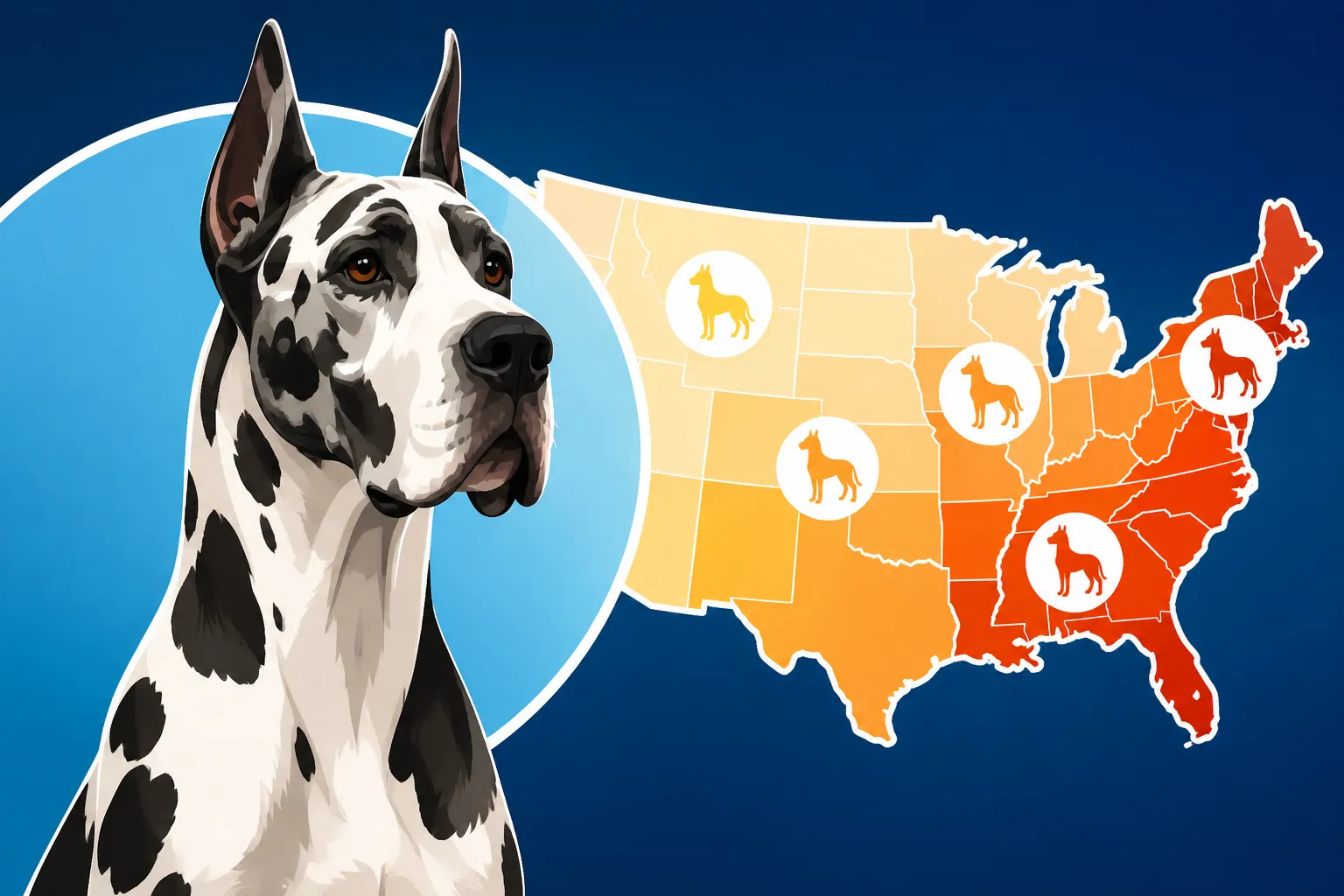
Just like certain fashion trends or culinary preferences, the popularity of dog breeds can vary significantly from one region of the country to another. For a breed as imposing as the Great Dane, these regional differences are often quite pronounced, dictated by everything from housing types to local climates.
Urban Versus Rural Great Dane Life
Imagine trying to walk a Great Dane down a crowded sidewalk in downtown Manhattan or navigating a tiny city park. While certainly achievable for dedicated owners, it presents unique challenges that many urban dwellers might not be willing to tackle. Apartment living, even in a spacious unit, can be restrictive for a dog that can stand taller than many humans on its hind legs. This is why you'll generally find Great Danes to be less "common" in densely populated urban centers. The sheer effort required to manage their size in confined spaces, coupled with potentially higher pet fees or restrictions on large breeds, can make urban Great Dane ownership a rare sight.
On the flip side, head out to the suburbs or rural areas, and you're likely to see their numbers climb. Homes with larger yards, quieter streets, and easier access to parks or open spaces provide a much more natural environment for these big dogs. Many Great Danes thrive with the space to stretch their legs in a fenced yard, even if they spend most of their time inside being the ultimate couch potatoes. Rural areas, in particular, with expansive properties, offer the ideal setting for How Big a Great Dane Actually Gets to truly enjoy life without feeling cramped. This geographical distribution creates distinct pockets of Great Dane prevalence across America.
Popularity Hotspots and Why They Exist
Certain states or regions seem to have a particular fondness for Great Danes, where they might feel far more common than in other parts of the country. For example, areas with a strong agricultural history or regions known for their outdoor-centric lifestyles often see a higher concentration of larger breeds. Think of states with more open land, larger homes, and communities that generally embrace big dogs.
These hotspots aren't just about space; they can also be influenced by the presence of active breed clubs, experienced breeders, or robust rescue organizations. Where there's a strong community of Great Dane enthusiasts, new owners often feel more supported and are more likely to pursue the breed. Local culture, historical presence of the breed, and even climate can play a role. A state with mild winters might be more appealing for owners of thin-coated Danes than one with harsh, snowy conditions, though many Danes adapt beautifully with appropriate gear. This creates a fascinating mosaic of Great Dane commonality that reflects the diverse landscapes and lifestyles within the United States.
The Role of Media and Pop Culture in Great Dane Visibility
Long before anyone worried about social media influencers, certain Great Danes achieved celebrity status, etching themselves into the collective consciousness. These larger-than-life characters, whether animated or real, have undeniably shaped public perception and, to some extent, the breed's visibility.
Famous Great Danes and Their Influence
It's almost impossible to talk about Great Danes and pop culture without mentioning the one and only Scooby-Doo! This beloved cartoon character, with his perpetually hungry stomach and cowardly yet loyal nature, introduced generations to the image of a friendly, somewhat goofy Great Dane. While Scooby-Doo might not have directly led to a massive surge in ownership, he certainly cemented the breed's reputation for being lovable and a bit clumsy, reinforcing The Great Dane's Reputation as the Apollo of Dogs. Similarly, Marmaduke, another comic strip and movie Great Dane, further popularized the image of a giant dog navigating a human-sized world with humorous results.
These fictional representations often highlight the charming aspects of the breed – their size, their often-comedic antics, and their deep devotion to their families. They showcase the "gentle giant" archetype that so many Great Dane owners adore. This kind of positive exposure, even if it's not always entirely accurate to every Dane's personality, helps to keep the breed in the public eye and fosters a sense of affection and familiarity, making people more likely to consider them.
How Breed Stereotypes Affect Adoption and Purchase
While pop culture can be a boon, it also creates certain stereotypes. The "gentle giant" image, while largely true, can sometimes lead to misunderstandings. Some people might assume a Great Dane requires minimal training because of their placid reputation, only to be overwhelmed by a strong, untrained adolescent. The Manners a Great Dane Needs Before It Grows are critical, as an untrained Great Dane can be quite a handful, regardless of how gentle their intentions are.
Conversely, the sheer size of the breed can also create a stereotype of being intimidating, even aggressive, which is far from the truth for well-bred and socialized Danes. This often leads to housing discrimination or unwarranted fear from those unfamiliar with the breed. The reality is, while their size commands respect, Great Danes are generally known for their affectionate, calm, and patient temperaments. These stereotypes, both positive and negative, can influence a potential owner's decision to adopt or purchase, contributing to the nuanced picture of how common Great Danes are in American households.
Finding Your Own Great Dane: Resources and Considerations
If you've been captivated by the majestic charm of the Great Dane and are considering bringing one into your life, understanding where and how to find a responsible source is paramount. It’s not just about finding a puppy, but about finding a healthy, well-socialized companion from someone who truly cares about the breed.
Reputable Breeders and Waiting Lists
For many, the first step is seeking out a reputable breeder. These are individuals who prioritize the health, temperament, and longevity of their dogs. They meticulously screen their breeding stock for genetic health issues, performing tests for cardiac problems (like DCM), hip and elbow dysplasia, and thyroid conditions. They'll be transparent about their practices, openly discuss their dogs' pedigrees, and often have a contract that outlines expectations for both buyer and seller. What a Great Dane Breeder Should Be Screening For is an excellent resource for understanding these crucial health checks.
Don't be surprised if reputable breeders have waiting lists. It's a good sign! It means they aren't mass-producing puppies but are carefully planning litters and placing them in appropriate homes. Be prepared to fill out an application, have a phone interview, and potentially visit their home to meet the dam (mother) and see the environment the puppies are raised in. A good breeder will also offer lifelong support and be there to answer questions long after you've taken your puppy home. This careful, selective process naturally means fewer puppies are available at any given time, impacting their overall "commonality" in the market.
Great Dane Rescues: A Path to Adoption
Another incredibly rewarding path to Great Dane ownership is through rescue organizations. Across the country, dedicated volunteers work tirelessly to rehome Great Danes who, through no fault of their own, find themselves in need of a new family. These dogs might come from shelters, owner surrenders due to life changes, or even from neglectful situations. Reputable Great Dane rescues, often operating regionally or nationally, provide thorough veterinary care, including spaying or neutering, vaccinations, and sometimes even a gastropexy to prevent bloat.
Adopting from a rescue can be a wonderful way to give a deserving Dane a second chance. The Fee a Great Dane Rescue Asks For is typically much lower than a breeder's price and goes directly back into supporting the rescue's efforts. Many rescue dogs come with basic training and an understanding of home life. The staff and foster families often know the dog's personality well, helping to make a perfect match for your home. Websites like Chewy, for example, often partner with rescue organizations or provide resources for finding local animal welfare groups, making it easier to connect with a rescue in your area. While rescues might not always have puppies, they often have well-adjusted adult Danes ready to step right into a loving family, proving that "common" is sometimes just a matter of knowing where to look.
Disclaimer
This article is for general informational purposes only and does not constitute professional advice. Laws, prices and regulations vary by location and change over time. Consult a qualified professional for guidance on your specific situation.