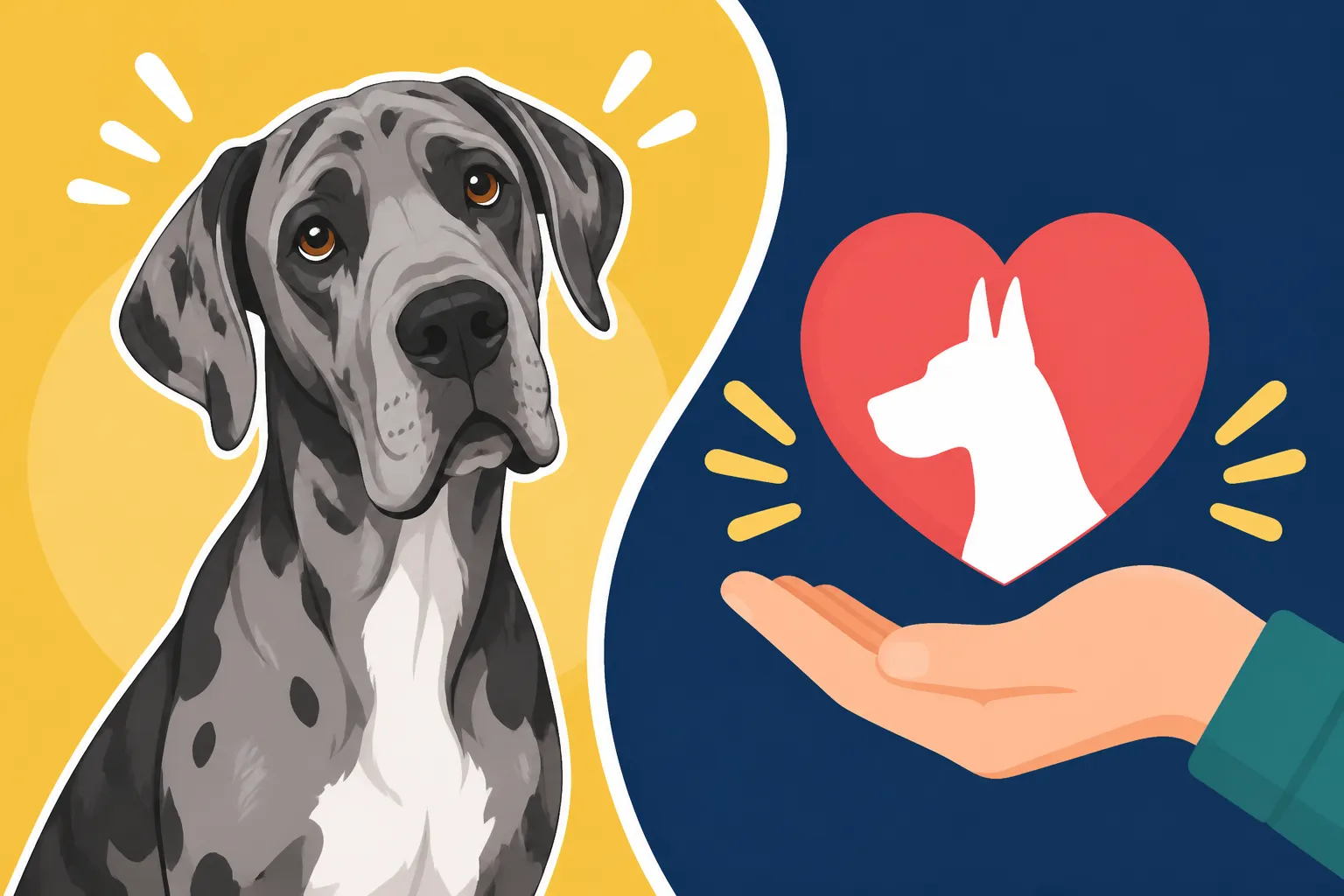
The Fee a Great Dane Rescue Asks For
Bringing a magnificent Great Dane into your home through a rescue organization is a truly heartwarming experience, but the question of an adoption fee often pops up, leaving many potential adopters wondering why they need to pay to give a dog a second chance. It can feel counterintuitive to pay for a rescue, especially when you're already committing to a lifetime of care. This guide is here to shed light on exactly what that fee covers, how rescue organizations operate, and what you can expect financially when you choose to adopt one of these gentle giants.
Understanding Why Great Dane Rescue Fees Exist
When you see a Great Dane available through a reputable rescue, it's easy to assume that the dog is simply waiting for a new home and that the main cost is adoption. However, a lot goes on behind the scenes to ensure that each dog is healthy, well-adjusted, and ready for its forever family. These organizations are often run by dedicated volunteers, relying heavily on donations and, yes, adoption fees to continue their vital work. They don't have wealthy benefactors hiding in the shadows; every penny counts.
The Costs Behind the Scenes for a Rescue Organization
Imagine a new Great Dane arrives at a rescue. Perhaps it was surrendered by a family who could no longer care for it, or maybe it was pulled from an overcrowded shelter after being abandoned. This dog is likely coming in with an unknown history, and quite often, a host of immediate needs. The rescue immediately steps in, often covering expenses that would make any private owner's jaw drop. For instance, many Great Danes arrive needing a full veterinary check-up, which includes a thorough physical examination, vaccinations to get them up to date, and often a microchip for identification. Parasite treatments for fleas, ticks, and worms are almost always necessary. If the dog isn't already spayed or neutered, that procedure is a top priority, not just for population control but for the dog's long-term health, helping prevent issues like pyometra in females or certain cancers in males.
Beyond the initial medical care, there's the daily upkeep. A Great Dane, as you can imagine, eats a lot. We're talking several cups of high-quality food every single day. Multiply that by dozens of dogs in a typical rescue's care at any given time, and those food bills really add up. Then there's the cost of proper bedding, toys to keep them stimulated, and durable leashes and collars that can withstand the strength of a growing or adult Great Dane. Many rescues also invest in professional training or behavior modification for dogs with specific issues, helping them become more adoptable. This might involve working with a certified professional to address leash reactivity or separation anxiety, which can be particularly challenging with a dog of this size. All these essential services come with a hefty price tag, and without adoption fees, it would be impossible for these organizations to sustain their operations.
What the Adoption Fee Actually Covers
So, when you pay an adoption fee, you're not just buying a dog; you're contributing to a carefully curated second chance at life. That fee directly offsets the multitude of expenses incurred for that specific dog, and often helps fund the care for other Danes who might have even more extensive needs. For instance, if a rescue Great Dane arrives with a severe orthopedic injury, like a torn cruciate ligament, or a serious health issue like The Heart Muscle Disease Great Danes Are Prone To, the surgery and aftercare could cost thousands. While your specific dog might have come in relatively healthy, its adoption fee might help cover the costs for a sick or injured peer, enabling the rescue to continue taking in animals regardless of their medical needs.
The fee also often includes the cost of administering the rescue itself: background checks, home visits, transportation for the dogs, and even advertising to find them homes. Think of it as an investment in the rescue's mission. It ensures the continuity of their work, allowing them to rescue the next Great Dane in need. In many cases, the adoption fee doesn't even fully cover the investment made in an individual dog, especially those requiring extensive medical treatment or behavioral rehabilitation. It's a contribution, a share of the significant resources poured into each rescue dog.
Typical Great Dane Rescue Fee Ranges
When you start looking into Great Dane rescues, you'll notice that fees aren't always uniform. There's usually a range, and it's important to understand why. It's not about making a profit; it's about covering costs and ensuring the longevity of the rescue’s ability to help more dogs. You'll rarely find a rescue charging thousands like some high-end breeders might, but you also won't find them giving dogs away for free.
Factors Influencing the Fee Amount
Several key factors typically influence the adoption fee for a Great Dane through a rescue. The most significant is the dog's age. Puppies, especially Great Dane puppies, are often in high demand, and their fees tend to be at the higher end of the spectrum. This is partly because puppies often require a full series of vaccinations and might not yet be spayed or neutered (though many rescues will have a contract requiring you to do so at an appropriate age, sometimes even including the cost in the fee). An older Great Dane, perhaps one that is Caring for a Great Dane Past Six, might have a lower fee. While senior dogs are wonderful companions, they are generally harder to place and rescues want to encourage their adoption. Sometimes, a senior Great Dane might have known health issues that the rescue will disclose, and a lower fee can help offset potential future vet bills for the adopter.
Another major factor is the dog's health status and the amount of veterinary care it has already received. A Great Dane that required extensive surgery, long-term medication, or specialized diagnostics like an MRI for The Neck Condition That Trips a Great Dane Up will have had a significant investment made by the rescue. While the fee might not cover all of these costs, it will reflect the higher expenditures. Location can also play a role, with rescues in areas with higher veterinary costs or operating expenses generally having higher fees. Finally, some rescues might have varying fees based on whether the dog is purebred, which most Great Danes in rescue are, or a Great Dane mix.
Let's look at some typical ranges for Great Dane adoption fees:
| Age of Great Dane | Typical Fee Range | Included Services (Often) |
|---|---|---|
| Puppy (under 1 year) | $400 – $700+ | Age-appropriate vaccinations, deworming, microchip, spay/neuter deposit/voucher, sometimes first month of heartworm. |
| Adult (1-6 years) | $300 – $600 | Spay/neuter, up-to-date vaccinations, deworming, microchip, heartworm test & prevention. |
| Senior (7+ years) | $150 – $350 | Spay/neuter, up-to-date vaccinations, deworming, microchip. Often includes full health history disclosure. |
| Special Needs | Variable (often lower than age-peers) | Tailored to dog's specific needs; may include ongoing medication, special diet, or behavioral support notes. |
Please note: These are general ranges and can vary significantly by rescue organization and region.
How Fees Compare to Breeder Costs
It’s worth noting that even at the higher end, a Great Dane rescue fee is almost always considerably less than purchasing a Great Dane puppy from a reputable breeder. A well-bred Great Dane puppy from a breeder who performs all recommended health screenings on the parents – like hip and elbow evaluations, cardiac clearances for The Heart Muscle Disease Great Danes Are Prone To, and thyroid panels – can easily cost between $1,500 to $3,000, and often more for show-quality lines or specific colorations. This initial cost doesn't include any of the first round of vaccinations, deworming, or spay/neuter surgery that a rescue dog will often already have received.
So, while a rescue fee is a definite expense, it represents a substantial savings compared to the initial outlay for a puppy from a breeder. More importantly, it often means you're adopting a dog that has already been through a thorough health and behavioral evaluation, with many of the initial costly veterinary procedures already taken care of. This gives you a clearer picture of what you're getting, along with the immense satisfaction of providing a home to a dog that truly needs one.
What to Expect During the Adoption Process Beyond the Fee
Adopting a Great Dane from a rescue isn't like buying an item online. It's a thoughtful, multi-step process designed to ensure the best possible match for both the dog and your family. Rescues are incredibly invested in their dogs, and they want to be sure that the home you provide is truly forever, especially for a giant breed that comes with unique challenges.
The Application and Vetting Process
The journey typically begins with a detailed application form. This isn't just a formality; it's the rescue's first opportunity to learn about you, your living situation, your experience with dogs (especially large breeds), and your expectations. You'll be asked about your home environment, your family members (including children and other pets), your work schedule, and how you plan to care for a Great Dane. Be honest and thorough. Rescues are looking for commitment and a realistic understanding of what owning a Great Dane entails.
Following the application, you can expect an interview, usually by phone or video call, and often a home visit. The home visit isn't about judging your housekeeping skills! It's about ensuring your environment is safe and suitable for a Great Dane. They'll look for things like secure fencing, appropriate space, and potential hazards. They might ask about where the dog will sleep, how you plan to manage their exercise, and even discuss your approach to things like Great Dane Leash Manners at a Hundred and Fifty Pounds. Don't be surprised if they ask for vet references if you've owned pets before, or personal references to vouch for your character. This thorough vetting process, while sometimes feeling intrusive, is essential for the rescue to make responsible placements and minimize the chances of a dog being re-surrendered.
Preparing Your Home for a Rescue Dane
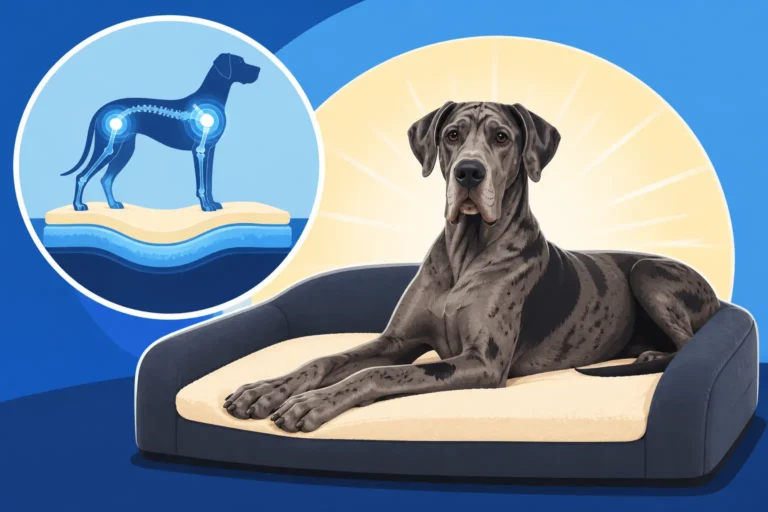
Even before your chosen Great Dane comes home, there's quite a bit of preparation to do. You'll need to think about all the practicalities of living with a giant breed. This means acquiring appropriately sized equipment: a sturdy collar and leash, food and water bowls large enough for their massive intake, and a dog bed that can comfortably accommodate their sprawling frame. Don't underestimate the importance of good quality, supportive bedding to protect their joints, especially as they age.
You'll also need to consider your living space. Will your home be secure enough? Are there things a curious Dane can reach and knock over, or even ingest? Baby gates for specific areas might be necessary, and you’ll want to make sure any toxic substances or small, swallowable items are well out of reach. Think about how to Furnish a House for a Great Dane so that both you and your new companion can live comfortably and safely. Beyond the physical preparations, mentally prepare yourself and your family for the adjustment period. A rescue dog, no matter how sweet, will need time to decompress and settle into a new routine. Patience, consistency, and a calm environment are key to a successful transition.
Finding Financial Support for Your Great Dane
Even with a lower adoption fee compared to buying from a breeder, owning a Great Dane is a significant financial commitment. Their sheer size means everything from food to medication to insurance costs more. Understanding these ongoing expenses and exploring ways to manage them is crucial for responsible Great Dane ownership.
Exploring Pet Insurance Options
One of the smartest investments a Great Dane owner can make is pet insurance, and it's especially wise to enroll your Dane when they are young. Great Danes are prone to several serious health conditions, including Bloat in a Great Dane and the One in Three Odds, dilated cardiomyopathy, and various orthopedic issues. Treatment for these conditions can be incredibly expensive, often running into thousands of dollars. Having a robust pet insurance policy can provide immense peace of mind and prevent you from having to make heartbreaking decisions based on finances during a medical emergency.
Many reputable insurers offer plans tailored to your needs. For instance, Healthy Paws is a well-regarded pet insurance provider that often covers accidents, illnesses, surgeries, and emergency care. Getting a policy early can mean conditions aren't considered pre-existing, which is a common reason for claims being denied later. Remember, a Great Dane’s size directly impacts medication dosages and surgical costs, making pet insurance even more critical for this breed. Don't wait until your Dane shows signs of illness; secure coverage when they are healthy.
Budgeting for Ongoing Care
Beyond potential emergency medical costs, the day-to-day expenses of a Great Dane add up quickly. Food is a huge one. A growing puppy or an active adult Dane can easily consume 6-10 cups of high-quality kibble daily. That's a lot of food! You might explore options from online retailers like Chewy, which often offer bulk discounts, auto-ship programs, and a wide selection of large-breed specific formulas. Some owners even opt for fresh food delivery services, and while companies like Ollie are gaining popularity, ensure you calculate if such services can meet the immense volume a Great Dane requires while staying within your budget.
Regular veterinary check-ups, heartworm prevention, and flea/tick medications are all dosed by weight, meaning your Great Dane will always be in the highest, most expensive weight band. Training, especially for a dog that can easily outweigh you, is also a crucial ongoing investment. Consider a fund dedicated solely to your Great Dane's health and wellness, whether that’s a separate savings account or simply a line item in your monthly budget. Being realistic about these ongoing costs upfront will set you up for success and allow you to provide the best possible life for your gentle giant.
Disclaimer
The information provided in this article is for general informational purposes only and does not constitute professional veterinary advice. Always consult with a qualified veterinarian or animal health professional for any medical concerns or before making any decisions about your pet's health or treatment. Rescue fees and policies can vary greatly, so always contact individual rescue organizations directly for the most accurate and up-to-date information.