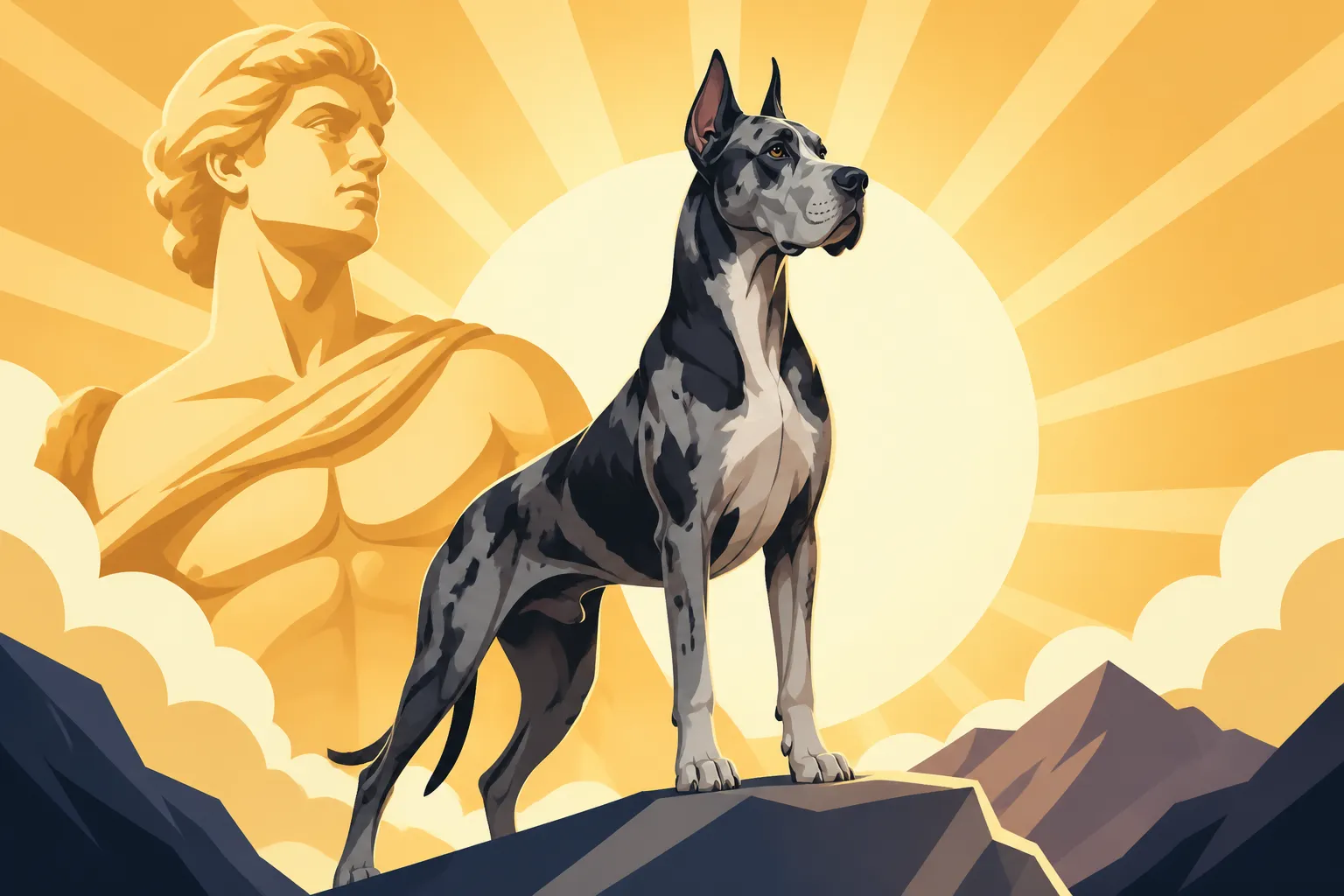
Why the Great Dane Is Called the Apollo of Dogs
Bringing a magnificent creature like a Great Dane into your home can feel overwhelming, especially when you consider their imposing size and the quiet reputation they carry. Many new owners wonder if these gentle giants truly live up to the moniker "Apollo of Dogs" or if it's just a fanciful title. This guide will delve deep into the origins of this iconic nickname, exploring the physical grandeur, serene temperament, and historical ideals that have earned the Great Dane its legendary status.
The Majesty and Grandeur: Physical Attributes of Apollo
When you first lay eyes on a Great Dane, it’s impossible not to be struck by their sheer scale. They are truly giants among dogs, and this physical presence is the most immediate reason for their comparison to the Greek god Apollo, known for his ideal male beauty and commanding figure.
Commanding Presence and Stature
A Great Dane stands tall, often reaching incredible heights at the shoulder, with males easily exceeding 30 inches and some individuals pushing towards the 38-inch mark. Their powerful musculature is evident in every line, from their broad chest to their strong, well-boned legs. This isn't a dog that merely takes up space; it commands it. Picture Apollo, not just a beautiful god, but one with the authority to drive the sun chariot across the sky or draw a mighty bow. The Great Dane embodies this same sense of inherent power and dignity. They move with an almost regal air, never appearing clumsy despite their immense size. It's this combination of raw power and inherent grace that elevates them beyond mere large dogs into something truly majestic. You'll often find them standing tall and observing their surroundings with a calm intensity that suggests deep thought, much like a benevolent deity surveying his domain. How Big a Great Dane Actually Gets truly illustrates this impressive scale.
Proportionality and Grace
What truly sets the Great Dane apart, and aligns them so perfectly with the "Apollo" image, is not just their size but their exquisite proportionality. The breed standard calls for a perfectly balanced dog, with a long, elegant neck flowing into a strong topline, and a body that is deep and well-sprung without being cumbersome. Their gait is described as long-reaching and powerful, yet effortless and flowing, almost as if they glide rather than walk. Think of the classical sculptures of Apollo – every muscle, every curve, is in perfect harmony, conveying strength without aggression, and beauty without fragility. A well-bred Great Dane mirrors this ideal. There’s an undeniable elegance in the way they carry their massive heads and move their powerful bodies, a fluid athleticism that belies their weight. This grace, combined with their muscular build, makes them truly breathtaking to behold and is a hallmark of why they are so often referred to as canine deities.
Temperament and Character: A Divine Disposition
Beyond their impressive physique, the Great Dane’s legendary temperament plays an equally crucial role in earning them the "Apollo of Dogs" title. Apollo was not just a god of physical beauty; he was also associated with light, healing, music, poetry, and prophecy—qualities that speak to a refined, intelligent, and often benevolent nature.
The Gentle Giant Paradox
This is perhaps the most beloved aspect of the Great Dane: their truly gentle nature. Despite their intimidating size, they are renowned for being incredibly affectionate, patient, and sweet-tempered, especially with their families. They are often described as "gentle giants" because their imposing appearance is so often contradicted by their loving disposition. They crave human companionship, often attempting to become lap dogs despite their colossal dimensions, a frustrating but endearing habit for many owners. This gentle soul, residing within such a powerful frame, creates a striking paradox, much like the god Apollo, who, though powerful, was also a patron of the arts and healing. They are known for their remarkable tolerance with children and other pets, often displaying a quiet dignity even amidst playful chaos. This peaceful and protective inclination is a defining trait that resonates with Apollo's role as a guardian and bringer of harmony. You'll definitely want to ensure you teach The Manners a Great Dane Needs Before It Grows to channel this gentle nature appropriately.
Intelligence and Serenity
Great Danes possess a calm intelligence and a quiet, observant demeanor that further solidifies their "Apollo" status. They are quick learners, though sometimes they have a stubborn streak, which is not uncommon for intelligent breeds. They typically exhibit a serene presence in the home, often content to lounge gracefully near their family, observing the goings-on with thoughtful eyes. This intelligence, combined with their inherent calmness, makes them wonderful companions who are attuned to their human's emotions. They aren't prone to frantic energy or excessive barking, instead preferring a composed and dignified interaction. Apollo, as the god of light and truth, was associated with clarity and wisdom, attributes that a well-socialized and trained Great Dane seems to embody. Their ability to remain poised and focused, even in stimulating environments, is a testament to their remarkable character. Whether Great Danes Are Really Calm Indoors is a common question, and for the most part, the answer is a resounding yes, contributing to this serene image.
Historical Context and Breeding Ideals: Sculpting a Living God
The lineage and development of the Great Dane reveal a deliberate pursuit of an ideal that aligns with the attributes of Apollo. From their powerful ancestry to the meticulous standards set by breeders, every step contributed to creating a dog that embodies nobility.
Evolution from Boar Hounds to Companions
The Great Dane's ancestors were formidable boar hounds, powerful hunting dogs used by European nobility to chase and hold large game like wild boar. These were dogs bred for strength, speed, and courage, essential traits for such a dangerous pursuit. However, over time, as hunting practices evolved and the need for such specialized hounds diminished, breeders began to focus on refining the breed. The emphasis shifted from pure hunting prowess to developing a magnificent companion animal that retained its impressive physicality but also possessed a stable, friendly temperament. This transformation from a fierce hunter to a gentle, elegant companion speaks volumes about the breed's adaptability and the breeders' vision. They essentially took a powerful, raw diamond and polished it into a shining gem, making it suitable for a life within noble households, much like Apollo’s own transition from a fierce archer to a cultured patron of the arts. You can explore The Boar Hound the Great Dane Descends From for more on their formidable past.
The Pursuit of Perfection in the Standard
The breed standard for the Great Dane, particularly the German standard which originally dubbed them "Deutsche Dogge" (German Mastiff), places immense importance on balance, symmetry, and an overall impression of nobility, courage, and elegance. Every aspect, from the powerful, square head with its intelligent expression to the well-arched neck and perfectly proportioned body, is meticulously described to achieve a harmonious and majestic animal. This isn't just about size; it's about the quality of that size—how it's carried, how it moves, and the overall aesthetic impact. Breeders strive to produce dogs that conform to this ideal, constantly seeking that perfect blend of strength and grace. This conscious effort to "sculpt" a living creature to such exacting standards, aspiring to a form of perfection, perfectly aligns with the mythical ideal of Apollo, the god embodying ideal beauty and noble attributes. It’s a pursuit of a canine paragon, a testament to the dedication of those who cherish this magnificent breed.
| Trait Category | Great Dane Characteristics | Apollo's Attributes (Mythological) |
|---|---|---|
| Physical Form | Immense size, powerful musculature, elegant lines, proportionate build, graceful movement | Ideal male beauty, commanding presence, athletic, well-proportioned figure, powerful physique |
| Temperament | Gentle, affectionate, patient, loyal, calm, intelligent, observant, serene | Benevolent, wise, clear-sighted, protector, patron of arts, healer, composed |
| Symbolism/Role | "Gentle Giant," noble companion, guardian, symbol of majesty | God of light, music, poetry, prophecy, healing, truth, archer, ideal of male youth and beauty |
| Overall Impact | Inspires awe and affection, a dignified presence, a harmonious blend of strength and tenderness | Revered and respected, embodies perfection, brings balance and order |
Living with a Canine Deity: Practicalities and Privileges
While the moniker "Apollo of Dogs" celebrates the Great Dane's majestic qualities, living with such a magnificent creature also comes with its unique set of responsibilities and immense rewards. It’s a commitment to provide for a dog that, in many ways, is larger than life.
The Care Required for a Grand Dog
Owning a Great Dane isn't just about admiring their beauty; it's about providing the substantial care they require. Their large size means everything is supersized, from their food portions to the veterinary bills. Imagine needing to feed Feeding an Adult Great Dane Six to Ten Cups of food every single day – that's a significant commitment. Finding a bed that's truly supportive and large enough for their massive frame is crucial for their joint health, and you might find yourself browsing through sites like Chewy more often than you expect for specialized large-breed items. They need proper nutrition, ample space, and consistent, early training to ensure their natural gentleness is channeled correctly. Without good manners, a playful nudge from a 150-pound dog can easily knock over an adult, let alone a child. Furthermore, due to their deep chests, Great Danes are prone to bloat (gastric dilatation-volvulus), a life-threatening condition that requires emergency veterinary care. This is why many owners consider Whether Tacking Ends Great Dane Bloat Risk or Stomach Tacking Surgery for a Great Dane. These are not inexpensive dogs to maintain, and being prepared for the financial commitment is paramount.
The Reward of Their Presence
Despite the practical challenges, the privilege of sharing your life with a Great Dane is immeasurable. Their loyalty is profound, their affection boundless, and their calm presence brings a unique sense of peace to a home. They become true members of the family, often following you from room to room, leaning their massive bodies against your legs for comfort, or gently resting their heads in your lap. The joy they bring, the quiet wisdom in their eyes, and their unwavering devotion create a bond unlike any other. They are majestic companions who elevate everyday life with their dignified grace and loving spirit. While their Why a Great Dane Only Lives Seven to Ten Years might be shorter than many other breeds, the years you spend with them are filled with unparalleled companionship and a constant reminder of why they truly are the "Apollo of Dogs"—a living testament to beauty, strength, and a noble heart. They truly embody the ideal canine companion, enriching lives with their serene and loving nature.
Disclaimer
This article is for general informational purposes only and does not constitute professional advice. Laws, prices and regulations vary by location and change over time. Consult a qualified professional for guidance on your specific situation.