Whether an Adult Great Dane Is the Better Choice
Choosing an adult Great Dane can spare you the exhausting puppy stage, but it does not automatically mean an easier dog. Adult Danes may arrive with established habits, unknown medical histories, or needs that only become clear after settling in. This guide explains how to compare an adult Dane with a puppy, assess a specific dog, and prepare your home for a realistic transition.
Why an adult Great Dane may suit your household
The appeal of skipping the giant puppy stage
Great Dane puppies grow quickly, but their judgment and self-control take longer to catch up. Living with a puppy means supervising chewing, house-training, socialization, and all the ordinary lessons that become especially important when a dog grows large enough to knock over a visitor without meaning to. An adult dog may already understand household routines and basic cues, which can make everyday life more predictable.
That does not mean an adult will arrive perfectly trained. A rescue Dane might pull on leash, counter-surf, jump up, or have never been comfortable spending time alone. Still, you may be able to see those habits directly rather than guessing how a puppy’s temperament will develop. Ask the rescue or previous owner for specific examples: What happens when the doorbell rings? Can the dog settle while people eat? How does it behave when left in a safe area?
There is also less uncertainty about an adult dog’s eventual size and general temperament. Great Danes vary, and individual personalities matter more than breed stereotypes, but an adult’s energy level, confidence, and social preferences are easier to observe than a young puppy’s future behavior. If you want a dog whose basic character is already visible, an adult may be a more comfortable fit.
What you give up by not raising a puppy
Puppyhood offers the chance to shape routines from the start, though it is not a guarantee of a particular adult personality. You can introduce handling, visitors, car rides, and household sounds gradually. With an adult, some experiences may have been missed, and the dog may need patient, structured practice to feel safe in unfamiliar situations.
The dog may also come with a history you cannot fully know. A previous home might have used different rules, or the dog may have experienced changes that affect how it responds to new people, dogs, or environments. Even a friendly Dane can need time to decompress after moving. A calm first week does not prove that every behavior is settled; some dogs become more expressive once they feel at home.
If you are comparing a puppy with an adult, think about the work you are willing to do rather than assuming one option is effortless. Puppy owners often face months of close supervision and training. Adult adopters may face a quieter but less predictable adjustment period. For a closer look at the practical responsibilities of the breed, Whether a Great Dane Suits Your House is a useful companion read.
Adult Great Dane versus puppy
Compare the daily demands, not just the age
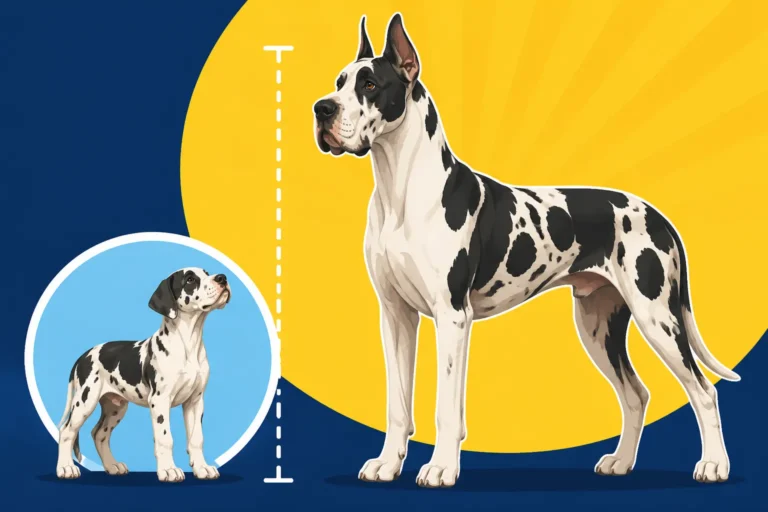
A puppy and an adult Dane need different kinds of attention. Puppies require frequent bathroom breaks, consistent social experiences, and close management of chewing and play. Adult dogs may need fewer interruptions, but they still need exercise suited to their health, training, companionship, and chances to explore safely.
| Consideration | Great Dane puppy | Adult Great Dane |
|---|---|---|
| House-training | Usually needs frequent, consistent practice | May already be reliable, but a move can cause temporary setbacks |
| Training | Foundational habits are still developing | Existing skills may help, though retraining can be needed |
| Size and strength | Growing quickly and learning body control | Full size and strength are already present |
| Temperament | Personality is still developing | Daily behavior is more observable, though adjustment can change it |
| Health picture | Future adult health is uncertain | Known history may help, but records and screening still matter |
| Routine | Requires close supervision and frequent breaks | May fit an established routine more readily, depending on the dog |
The table is a starting point, not a promise. A well-supported puppy can be a good match for an experienced household with time to train. A mature Dane can be a poor fit if the dog’s needs conflict with your schedule, housing, or ability to manage its strength. The individual dog matters.
It is also worth asking what “adult” means in the listing. A dog may be past puppyhood but still adolescent in behavior. Large breeds can take time to mature, and a young Dane may continue filling out after reaching much of its adult height. Ask about the dog’s behavior in ordinary situations rather than relying only on an age label.
Match the dog’s needs to your real routine
Picture a normal Tuesday, not an ideal weekend. How long will the dog be alone? Who can handle a walk if you are tired or ill? Is there a quiet place to rest, and can the dog move through your home without slipping on smooth floors? A giant dog needs room to turn, stretch, and lie comfortably, but the quality of the routine matters more than having a large yard.
Think carefully about physical handling. An adult Dane that pulls, panics, or lunges can be difficult to manage, even for a strong person. Ask to walk the dog with the rescue or current caretaker before making a decision. Notice whether you can guide the dog calmly, whether equipment fits, and how it responds when it sees another dog or encounters a distraction.
Household members should be part of the decision. Children need clear rules for giving the dog space, and adults should supervise interactions rather than expecting the dog to manage them alone. If you already have pets, arrange careful introductions and ask about the Dane’s history with animals of similar size. For an additional perspective on the breed’s household fit, read Whether Anyone Is Ready for a Great Dane.
How to assess an adult Great Dane before adopting
Ask for specific behavior and health information
General descriptions such as “sweet,” “good with dogs,” or “house-trained” are not enough to make a confident decision. Ask what the dog actually does. Has it lived with children, cats, or small dogs? Does it guard food or toys? How does it react to strangers entering the home? Can it be left alone without destructive behavior or distress?
Ask for veterinary records and a clear account of known conditions, medications, past procedures, and current concerns. A rescue may not have every detail, especially if the dog was surrendered with limited history. That uncertainty does not rule out adoption, but it should affect your preparation and your discussion with a veterinarian. Great Danes can be prone to significant health problems, so it helps to understand the screening and care questions in What a Great Dane Breeder Should Be Screening For and The Seven to Ten Year Great Dane Lifespan.
Arrange a veterinary examination soon after adoption and bring any records you receive. Ask the veterinarian to review the dog’s overall condition, mobility, heart health, dental needs, and preventive-care plan. Do not assume that an adult who seems energetic is free of health concerns, or that a quiet dog is simply laid-back; changes in stamina or movement deserve attention.
Notice how the dog behaves in more than one setting
A brief meeting at a kennel or foster home gives you useful information, but it is only a snapshot. Ask whether you can meet the dog more than once, take a short walk together, and observe the dog during a low-key interaction. A busy adoption event can make a normally relaxed dog appear overwhelmed, while a dog that is subdued in an unfamiliar place may behave differently once comfortable.
Look for recovery as much as reaction. A dog may startle at a sudden noise; what matters is whether it can settle again with time and support. Watch how it accepts gentle handling, responds to food, and moves around the room. If you notice signs of fear or discomfort, ask the caregiver what they have seen and whether a qualified behavior professional can help assess the match.
Be honest about what you can manage. If the Dane has a known fear of visitors and you regularly host a busy household, that may be a mismatch rather than a challenge you should simply power through. If the dog needs gradual alone-time training and you can arrange support, the issue may be manageable. A thoughtful match is kinder to everyone than adopting first and hoping a serious mismatch will disappear.
Preparing for the transition home
Set up a calm, practical first week
Before the dog arrives, prepare a resting area where it can retreat without being followed. Put away tempting food, secure bins, and clear pathways so the dog is less likely to knock into fragile items while exploring. Large beds, sturdy bowls, and well-fitting walking equipment matter because standard-size supplies may not suit a Great Dane. If you are ordering routine supplies, Chewy can be one way to arrange delivery; check dimensions carefully so a bed or crate is suitable for the individual dog.
Keep the first few days intentionally quiet. Avoid inviting a crowd over to meet the new dog or taking it on a packed schedule of outings. Offer familiar food if you know what it eats, and make any diet changes gradually with veterinary guidance. A retailer such as Chewy may help you keep a familiar food on hand while you establish a longer-term plan, but the right diet depends on the dog’s health, body condition, and veterinarian’s advice.
A new home can disrupt even reliable habits. Take the dog outside on a predictable schedule, reward calm behavior, and supervise closely indoors. Provide water and a comfortable place to rest, and avoid forcing interaction when the dog is tired or hesitant. Keep notes about appetite, bathroom habits, sleep, mobility, and behavior; small changes can be easier to explain to a veterinarian when you have observed when they started.
Build trust without rushing training
Use consistent household rules from the beginning. If the dog is not allowed on the sofa, every family member should follow that rule. If you want the Dane to greet guests with four paws on the floor, reward that behavior and prevent guests from encouraging jumping. Clear expectations help a large dog learn without relying on physical corrections, which can frighten or frustrate an animal and may put people at risk.
Start with manageable training goals: responding to its name, walking on a loose leash, settling on a mat, and accepting routine handling. Short, positive sessions are often easier than long drills. If the dog has a history of fear, reactivity, or separation distress, seek a reward-based trainer or veterinary behavior professional who understands large dogs. You can also consult The Manners a Great Dane Needs Before It Grows for foundational training ideas that remain relevant for an adult.
Plan for the dog’s ongoing care as well as the initial setup. Great Dane food, medication, transport, and veterinary care can involve practical challenges because of the dog’s size. Chewy may be convenient for replenishing ordinary supplies, but use your veterinarian’s guidance for medical products and nutrition decisions. A rescue or foster organization can also be a valuable source of notes about what already works for the dog, from walking equipment to sleep routines.
An adult Great Dane can be the better choice when you value a more visible personality, want to avoid early puppy care, and are prepared to work with the dog you meet rather than an imagined ideal. The best decision comes from matching the individual Dane’s behavior, health, and needs to your actual home and schedule. Take time to ask careful questions, observe the dog, and plan for a gradual transition.
Disclaimer
This article is for general informational purposes only and does not constitute professional advice. Laws, prices and regulations vary by location and change over time. Consult a qualified professional for guidance on your specific situation.