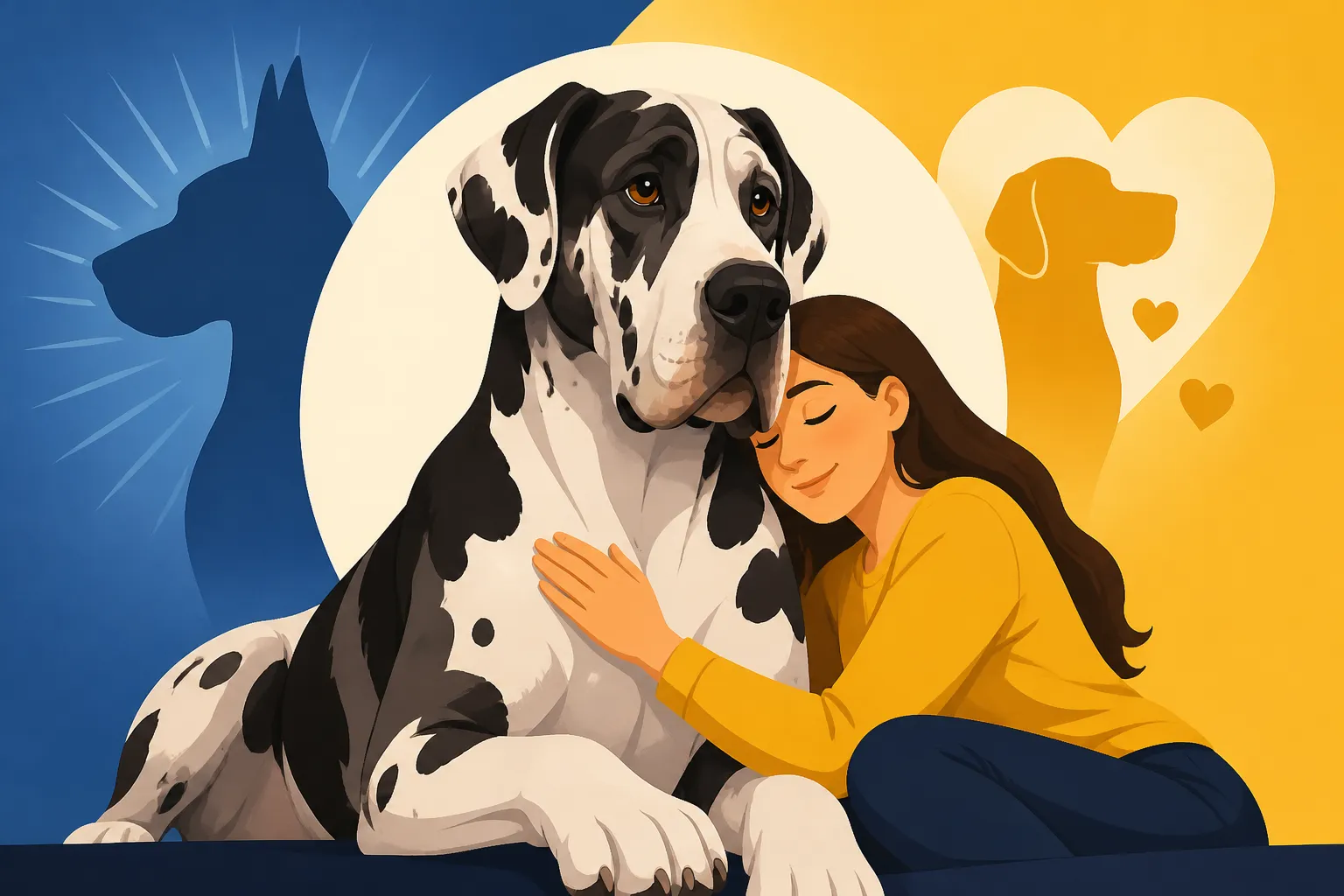
Whether Great Danes Are Actually Gentle
It’s a phrase you hear constantly when discussing Great Danes: "gentle giants." And honestly, when you look at a majestic, often calm, huge dog lounging gracefully on a sofa, it's easy to see why that image persists. However, this popular descriptor can sometimes oversimplify the complex realities of living with such a massive and sensitive breed, potentially leading to misunderstandings and challenging situations if new owners aren't fully prepared. This guide will delve into what "gentle giant" truly means for a Great Dane, explore their actual temperamental traits, and outline the crucial steps owners must take to foster a well-behaved and truly gentle companion.
The Enduring Myth of the "Gentle Giant"
The idea that Great Danes are inherently gentle is deeply ingrained in public consciousness, often drawing people to the breed who might not fully understand the commitment involved. While many Danes are wonderfully gentle, it's important to separate romanticized notions from the practicalities of a dog that can easily outweigh an adult human.
Where the Reputation Comes From
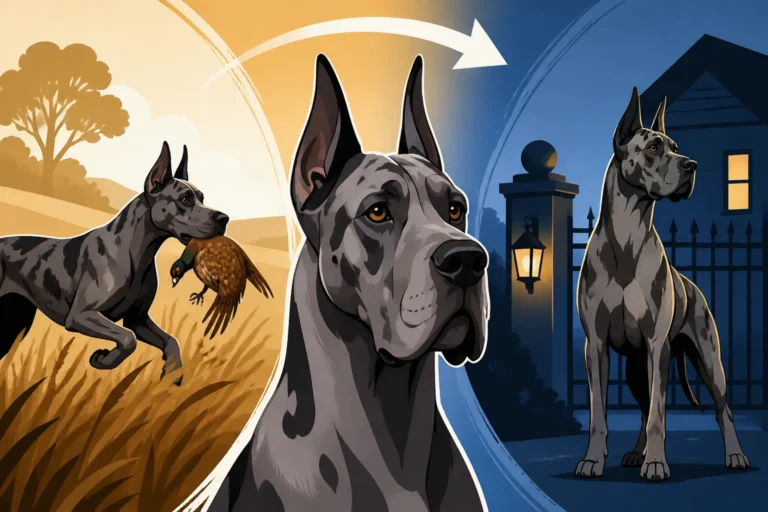
Historically, Great Danes were bred for hunting large game like wild boar, which required a dog of immense strength, speed, and courage, but also one that could be controlled by its handler. This combination meant they couldn't be overly aggressive or flighty; they needed a steady, stable temperament. Over generations, as their role shifted from hunter to companion and guardian, breeders continued to select for an even disposition.
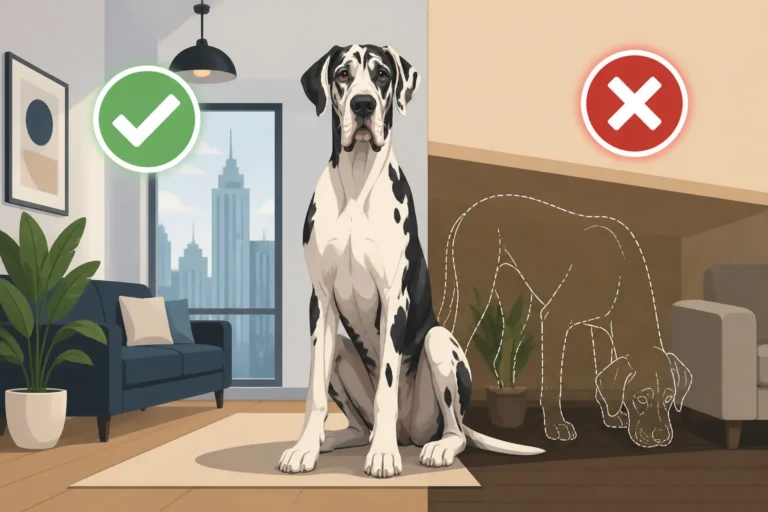
Their sheer size is also a major factor in their "gentle" image. A 150-pound dog that’s calm and quiet indoors often seems gentler than a smaller, yappier, or more hyper breed. They frequently prefer to be near their people, often leaning against them or attempting to be lap dogs, which certainly enhances the gentle giant perception. You'll often find them curled up in surprisingly small spaces or draped across furniture, exhibiting a laid-back demeanor that belies their powerful build. This calm presence is certainly one of their most endearing qualities and a big part of their appeal.
The Misconception of Inherent Gentleness
The biggest pitfall of the "gentle giant" label is the assumption that gentleness is automatic and requires little effort. No dog, regardless of breed, is born perfectly behaved or inherently gentle in all situations. Genetics play a role, absolutely, but training and socialization are paramount, especially for a dog of this size. A Great Dane puppy, full of boundless energy and clumsy enthusiasm, needs constant guidance to channel its natural exuberance into appropriate behaviors. Without it, a well-meaning nudge from a growing Dane can easily send a small child flying, and a playful jump can knock an adult off balance.
Furthermore, Danes can be sensitive. They might react strongly to harsh corrections, loud noises, or unfamiliar situations, which, if not managed correctly, can lead to fear-based behaviors that are anything but gentle. It's a disservice to the breed and potential owners to suggest that a Great Dane will simply be gentle without consistent, positive reinforcement training from day one.
The Realities of Great Dane Temperament and Behavior
So, if "gentle giant" isn't a universally automatic trait, what is the reality of a Great Dane's temperament? It’s a rich tapestry of loyalty, playfulness, sensitivity, and sometimes, a surprising amount of anxiety or stubbornness.
Sensitivity and Potential for Anxiety
One aspect that often surprises new owners is just how sensitive Great Danes can be. They are deeply attuned to their family's moods and can become stressed by changes in routine, loud arguments, or even a perceived lack of attention. This sensitivity can manifest as separation anxiety, where a Dane might howl, chew, or even self-harm when left alone. A Great Dane That Is Anxious Rather Than Gentle might exhibit pacing, destructive behavior, or excessive drooling. Their reliance on human companionship means they aren't always suited for households where they'll be left alone for long stretches daily. Providing mentally stimulating toys, like those found on Chewy, and a comfortable, secure den can help, but consistent training around alone time is vital.
They can also be prone to fearfulness or shyness around strangers if not properly socialized. A timid 150-pound dog can be just as problematic as an aggressive one, as fear can lead to defensive behaviors. It's crucial that they have positive experiences with a wide variety of people, places, and sounds from a young age to build confidence.
Playfulness and Boisterous Energy
Don't let the "gentle giant" tag fool you into thinking Great Danes are perpetually sedate. Especially as puppies and adolescents, they are incredibly playful and can have bursts of energy often dubbed "Dane zoomies." Picture a 100-pound teenager tearing through your living room at full speed, weaving around furniture with surprising agility (and sometimes, not-so-surprising clumsiness). Even a gentle game of tug-of-war can become quite intense with their strength, and a happy tail wag can clear a coffee table in seconds.
During playtime, they can also be quite physical. They might body-slam a canine playmate or accidentally knock over a small child in their excitement. Teaching them impulse control and appropriate play behavior is non-negotiable. Stopping a Great Dane Body Slamming and A Great Dane That Puts Paws on Shoulders are critical behaviors to address early on, as their playful antics become serious issues when they weigh more than you do. You'll want to invest in truly durable toys, possibly exploring the vast selection of large-breed specific options available on Chewy, that can withstand their powerful jaws and enthusiastic play style.
The Critical Role of Socialization and Training
Gentleness in a Great Dane isn't a default setting; it's a direct result of consistent, positive socialization and training. Why Great Dane Training Cannot Wait cannot be stressed enough. From the moment you bring a Great Dane puppy home, every interaction is a training opportunity. Early exposure to different people, sights, sounds, and other well-behaved dogs is fundamental to developing a confident, stable adult. Puppy classes are invaluable for teaching basic manners and appropriate social skills.
Training should focus on positive reinforcement, building a strong bond, and clear communication. Basic commands like "sit," "stay," "leave it," and "off" are not just polite suggestions; they are safety commands for a dog of this size. Imagine trying to stop a fully grown Great Dane from bolting out the door or jumping on a guest if they haven't learned these commands. It's a physical impossibility for many people. Socializing a Great Dane Puppy Early makes a huge difference in preventing fear or reactivity later on.
Cultivating Gentleness: The Owner's Role and Responsibilities
Bringing a Great Dane into your home is an immense joy, but it's also a significant responsibility. Their size and potential for strength mean that owners must be proactive and consistent in guiding their development into truly gentle, well-mannered companions.
Ensuring Safety with Children and Other Pets
When raised properly, Great Danes can be wonderful family dogs, often displaying immense patience with children. However, their size demands constant supervision, especially with toddlers and very young children. Even the most gentle Dane can accidentally knock over a child or step on them. A Great Dane That Steps on a Toddler is a real concern, not due to malice, but sheer mass. Teaching children how to interact respectfully with a large dog, and conversely, teaching your Dane appropriate manners around children, is paramount. Great Danes Around Toddlers need to be managed through gate systems, tethering, or crating when supervision isn't 100%.
The same applies to smaller pets. While many Danes coexist peacefully with cats or smaller dogs, their play style can be overwhelming or even accidentally dangerous if not monitored. A playful paw swat meant for another Dane could injure a small terrier. A Great Dane Playing With a Small Dog needs careful oversight to ensure everyone stays safe and happy. Always introduce new pets slowly and under controlled conditions.
Consistency is Key: Building a Well-Behaved Dane
To foster a truly gentle Great Dane, consistency in rules, expectations, and training is non-negotiable. Every member of the household must be on the same page. If one person allows jumping while another corrects it, the Dane will become confused and frustrated. From day one, teach essential manners like Teaching a Great Dane to Sit Before It Weighs Eighty Pounds to establish control before their size becomes unmanageable.
Mental stimulation is just as important as physical exercise for Great Danes. Boredom can lead to destructive behaviors that aren't very "gentle" on your furniture. Rotate toys, use puzzle feeders, and engage them in training games. Chewy offers a diverse range of interactive toys and slow feeders perfect for stimulating a large breed's mind and slowing down their meals, which can also contribute to reducing bloat risk.
When Professional Help is Needed
Despite best efforts, some Great Danes may develop behavioral challenges that require professional intervention. Issues like severe separation anxiety, resource guarding, or reactivity towards strangers or other dogs are complex and can be dangerous given the breed's size. If you find yourself struggling, don't hesitate to seek guidance from a certified professional dog trainer or a veterinary behaviorist. They can help identify the root cause of the behavior and develop a tailored training plan. Ignoring these issues, hoping your Dane will "grow out of it," is not only unfair to your dog but can also create an unsafe environment. Your ultimate goal is a balanced, confident dog, and a truly gentle giant is one that is well-adjusted and well-understood.
| Trait Aspect | "Gentle Giant" Myth | Reality for Great Danes |
|---|---|---|
| Temperament | Always docile, calm, and inherently sweet-natured. | Naturally affectionate and loyal, but can be sensitive, anxious, or fearful without proper socialization. |
| Play Style | Soft, careful, and always aware of surroundings. | Can be boisterous, clumsy, and physically enthusiastic, especially in youth. Accidental bumps are common. |
| Training Needs | Minimal, they just "know" how to be gentle. | Requires extensive, consistent, positive reinforcement training and early socialization to manage size and redirect energy. |
| Behavior Around Kids | Instinctively protective and perfectly safe. | Can be patient and loving, but size dictates strict supervision to prevent accidental injury; training is vital. |
| Energy Level | Low, content to lounge all day. | Moderate; they enjoy lounging but need daily exercise and mental stimulation to prevent boredom and destructive behaviors. |
| Response to Stress | Unflappable and always calm. | Can be prone to anxiety (e.g., separation anxiety, fear of loud noises), requiring careful management and sometimes professional help. |
In conclusion, while the Great Dane's reputation as a "gentle giant" holds a kernel of truth in their often loving and loyal nature, it's a moniker that comes with significant caveats. True gentleness in a Great Dane is a carefully cultivated trait, nurtured through diligent training, extensive socialization, and a deep understanding of their unique sensitivities. They are magnificent dogs, capable of immense affection and composure, but they demand an owner who is ready to invest the time, effort, and sometimes, the professional assistance, to help them truly embody that noble title.
Disclaimer
This article is for general informational purposes only and does not constitute professional advice. Laws, prices and regulations vary by location and change over time. Consult a qualified professional for guidance on your specific situation.