Medication for a Great Dane With DCM
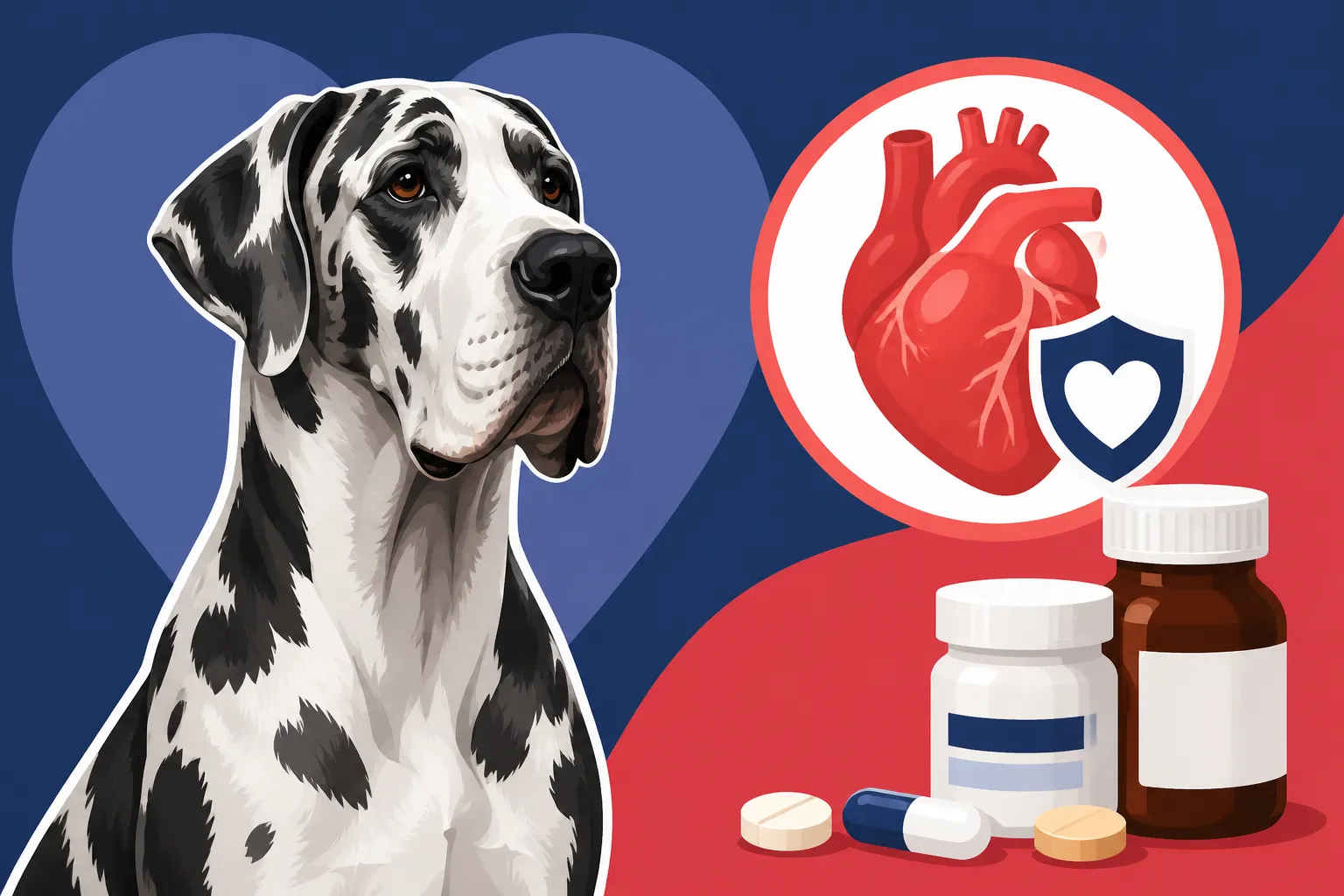
Finding out your beloved Great Dane has been diagnosed with Dilated Cardiomyopathy, or DCM, is utterly heartbreaking and often leaves owners reeling. The sheer scale of the diagnosis, combined with the often complex medical jargon, can make understanding and managing the condition feel like an insurmountable challenge. This guide is here to break down the medication protocols commonly used for Great Danes suffering from DCM, offering clear explanations of what each drug does, why it's prescribed, and how you can best support your giant companion through this journey.
Understanding Dilated Cardiomyopathy in Great Danes
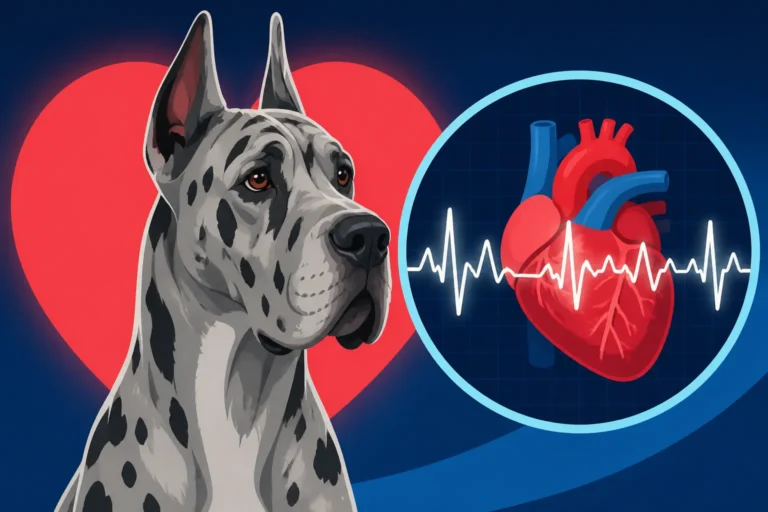
DCM is a cruel, progressive disease that affects the heart muscle, making it thin and weak. When the heart muscle becomes thin and dilated, it struggles to pump blood effectively to the rest of the body. For Great Dane owners, this isn't just a clinical term; it's a terrifying reality. Many of us have seen the devastating impact firsthand, watching our normally robust dogs slow down, cough, or even faint. It's a condition that demands diligent, informed care.
Why Great Danes Are Particularly Susceptible
It's a tragic truth that Great Danes are one of the breeds most commonly affected by DCM. It's truly The Heart Muscle Disease Great Danes Are Prone To. While the exact genetic mechanisms are still being fully uncovered, there's a strong hereditary component. This means that if your Great Dane comes from a lineage with a history of DCM, their risk is significantly higher. It’s not about poor breeding choices in every case; sometimes, even responsible breeders struggle with lines that carry this gene silently. The larger size of these magnificent dogs might also play a role, as their hearts are simply larger and under more strain, though this is still an area of ongoing research. It’s a frustrating situation because, as owners, we do everything we can to give them a long, healthy life, only to be faced with these genetic predispositions.
How DCM Progresses in the Breed
DCM doesn't suddenly appear overnight. It's a progressive disease, meaning it worsens over time, often silently at first. In the early stages, your Great Dane might show no outward symptoms at all, or only very subtle signs like a slight decrease in exercise tolerance. This is why regular screenings are so vital, particularly for a breed like the Great Dane. A veterinarian might pick up on an abnormal heart rhythm during a routine check-up, prompting further investigation.
As the disease advances, the heart's ability to pump blood diminishes further, leading to more noticeable symptoms. You might start seeing Early Heart Signs in a Great Dane, such as a cough, especially at night, or an unwillingness to go for their usual long walks. This is when the heart begins to How a Great Dane Heart Enlarges to compensate for its weakened state, but this compensatory mechanism ultimately strains the heart even more. Eventually, the heart can no longer compensate, leading to fluid buildup in the lungs (pulmonary edema) or abdomen (ascites), which is what we commonly refer to as congestive heart failure.
The Core Medications for DCM Management
When a Great Dane is diagnosed with DCM, the goal of medication is typically twofold: to improve the heart's function and to manage the symptoms of heart failure. It’s not a cure, sadly, but it can significantly extend their quality of life and lifespan. The treatment plan is usually a multi-drug approach, tailored to the individual dog's stage of the disease and specific symptoms.
Pimobendan: The Game-Changer
If there's one medication that stands out in the treatment of canine DCM, it's Pimobendan for a Great Dane. This drug is often referred to as an "inodilator" because it does two very important things: it helps the heart muscle contract more forcefully (positive inotropic effect) and it dilates blood vessels, reducing the workload on the heart (vasodilator effect). For Great Danes with DCM, Pimobendan is often considered a cornerstone therapy, prescribed as soon as a diagnosis is made, sometimes even before clinical signs of heart failure appear.
The impact of Pimobendan cannot be overstated. Clinical studies have shown that it can significantly prolong the lives of dogs with DCM, improving both survival time and quality of life compared to dogs treated without it. It helps the failing heart pump more efficiently, making your dog feel better and often more energetic. Administering it correctly is crucial; it's typically given twice a day, usually on an empty stomach about an hour before meals, to ensure optimal absorption. Always follow your veterinarian's specific instructions, as dosages are tailored to your dog's weight and condition. Side effects are generally mild but can include lethargy, loss of appetite, or diarrhea.
ACE Inhibitors: Supporting the Heart
Another critical component of DCM treatment is the use of ACE inhibitors, such as enalapril or benazepril. ACE stands for Angiotensin-Converting Enzyme, and these drugs work by blocking the production of a hormone called angiotensin II, which normally causes blood vessels to constrict and encourages the body to retain fluid. When the heart isn't pumping effectively, the body’s natural response is to activate systems that try to maintain blood pressure, but these systems can actually make the heart work harder in the long run.
By inhibiting ACE, these medications help to relax blood vessels, lowering blood pressure and reducing the resistance the heart has to pump against. This lightens the load on the weakened heart, preventing further remodeling and deterioration. ACE inhibitors are usually prescribed alongside Pimobendan and often diuretics, forming a powerful combination therapy. They are generally well-tolerated, but your vet will likely monitor kidney function and electrolyte levels periodically, especially when starting the medication, as they can sometimes affect these values. Consistent administration, usually once or twice daily, is key to their effectiveness.
Diuretics: Combating Fluid Buildup
When DCM progresses to congestive heart failure, fluid starts to accumulate in places it shouldn't, most commonly in the lungs (pulmonary edema), leading to a persistent cough and difficulty breathing, or in the abdomen (ascites), causing a swollen belly. This is where diuretics, like furosemide, come into play. These medications are often lifesavers during a heart failure crisis.
Diuretics work by increasing the production of urine, which helps to remove excess fluid from the body. By reducing this fluid overload, they dramatically alleviate symptoms like coughing, labored breathing, and discomfort from abdominal swelling. They provide critical relief and improve your Great Dane’s ability to breathe and move more comfortably. Furosemide is a potent diuretic, and its dosage might need to be adjusted frequently based on your dog's fluid status. While incredibly effective, diuretics can also lead to dehydration and electrolyte imbalances, so careful monitoring by your veterinarian is essential. You’ll likely notice your dog drinking more and needing to urinate more frequently, which is a sign the medication is doing its job. Regular blood tests are important to ensure your Great Dane’s kidneys are coping and electrolytes remain balanced.
Addressing Secondary Symptoms and Complications
DCM is rarely a straightforward condition, and often, other issues arise as the heart function declines. The weakened heart can struggle to maintain a normal rhythm, or fluid buildup can cause further respiratory distress beyond what standard diuretics can fully address. This means additional medications may be needed to manage these complicating factors, providing a more comprehensive approach to care.
Antiarrhythmics: Stabilizing Heart Rhythms
One of the common and dangerous complications of DCM in Great Danes is the development of arrhythmias, or abnormal heart rhythms. The diseased heart muscle can become electrically unstable, leading to beats that are too fast, too slow, or irregular. These arrhythmias can further compromise the heart's pumping ability, reducing blood flow to the body and sometimes causing serious, life-threatening events like fainting (syncope) or sudden cardiac death. This is why a Holter Monitoring for a Great Dane Heart is often recommended to detect and characterize these arrhythmias.
Antiarrhythmic medications are prescribed to stabilize these abnormal rhythms. The specific drug chosen will depend on the type and severity of the arrhythmia. For example, sotalol might be used for ventricular arrhythmias, or diltiazem for supraventricular arrhythmias like Atrial Fibrillation in a Great Dane. These drugs work by affecting the electrical activity of the heart muscle, aiming to restore a more normal and efficient heartbeat. Finding the right antiarrhythmic and its correct dosage can sometimes be a delicate balancing act, as these medications can have their own side effects and sometimes impact other heart functions. Close monitoring, often through repeated ECGs or Holter monitors, is vital to ensure the medication is effective and safe.
Bronchodilators: Easing Breathing Difficulties
While diuretics are excellent at removing fluid from the lungs, sometimes a Great Dane with advanced DCM might still experience significant breathing difficulties. This can be due to a combination of factors, including persistent pulmonary edema despite diuretics, or the heart condition exacerbating other respiratory issues. In these cases, bronchodilators may be considered, particularly if there's any component of airway constriction or inflammation contributing to the breathlessness.
Bronchodilators, like theophylline, work by relaxing the muscles around the airways, making it easier for air to move in and out of the lungs. They can help open up the bronchial tubes, reducing resistance to airflow and alleviating some of the distress your Great Dane might feel when struggling to breathe. It’s important to note that these are not primary DCM medications, but rather supportive therapies used to manage severe respiratory symptoms that might not fully respond to diuretics alone. They can be particularly helpful if your Great Dane exhibits A Great Dane That Coughs at Night, or if their breathing seems shallow and rapid even after fluid reduction. As with all medications, your vet will weigh the benefits against potential side effects, which can include restlessness, gastrointestinal upset, or increased heart rate.
Here's a quick overview of some common DCM medications:
| Medication Class | Example Drug | Primary Function | Potential Side Effects |
|---|---|---|---|
| Inodilator | Pimobendan | Improves heart contraction, dilates vessels | Lethargy, GI upset, decreased appetite |
| ACE Inhibitor | Enalapril | Reduces blood pressure, prevents fluid retention | Kidney function changes, low blood pressure, lethargy |
| Diuretic | Furosemide | Removes excess fluid from the body | Dehydration, electrolyte imbalance, kidney stress, increased thirst/urination |
| Antiarrhythmic | Sotalol | Stabilizes abnormal heart rhythms | Bradycardia, GI upset, lethargy, low blood pressure |
| Bronchodilator | Theophylline | Relaxes airways, eases breathing | Restlessness, GI upset, increased heart rate, tremors |
Ongoing Monitoring and Treatment Adjustments
Managing DCM in a Great Dane is not a "set it and forget it" situation. It's a dynamic process that requires continuous vigilance, regular veterinary check-ups, and a willingness to adjust the treatment plan as your dog's condition evolves. As the disease progresses, or even stabilizes, the medication protocol will likely need fine-tuning.
The Importance of Regular Vet Visits and Diagnostics
Once your Great Dane has been diagnosed with DCM and started on medication, regular follow-up appointments with your veterinarian or, ideally, a veterinary cardiologist are absolutely crucial. These visits allow the vet to assess your dog's response to the medication, check for any side effects, and monitor the progression of the disease. Expect more frequent appointments initially, especially when starting new medications or adjusting dosages.
During these visits, the vet will likely perform a thorough physical exam, listening to your Great Dane's heart and lungs, checking their weight, and assessing their overall demeanor. They will also recommend diagnostic tests, which might include blood work to monitor kidney function and electrolyte levels (especially important with diuretics and ACE inhibitors). An echocardiogram (ultrasound of the heart) may be done periodically to directly visualize the heart's function and How a Great Dane Heart Enlarges, allowing the cardiologist to measure the size of the chambers and the efficiency of the pumping action. This helps in understanding What a Cardiologist Measures in a Great Dane Heart. Additionally, blood pressure measurements and sometimes further ECGs or Holter monitors are performed to check for arrhythmias. These tests are essential for tailoring the medication regimen to your dog's specific needs at any given time.
Recognizing When Medication Needs to Change
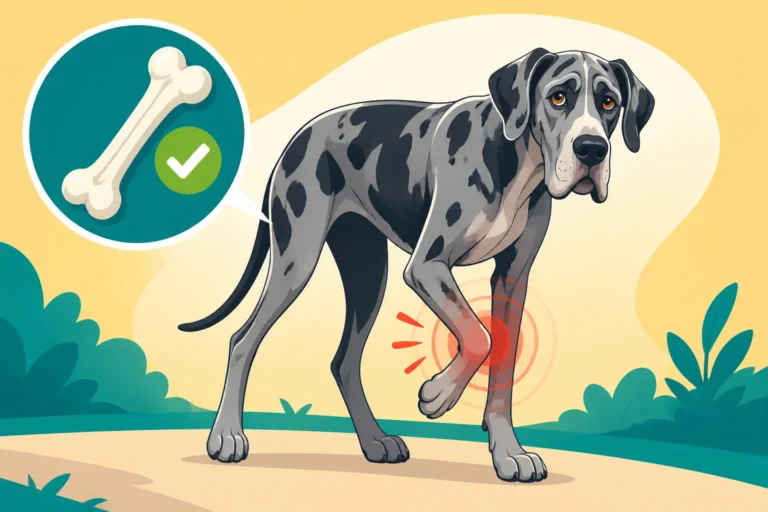
The signs that your Great Dane's medication might need adjustment can be subtle or quite obvious. As an owner, you are the frontline observer. Pay close attention to any changes in their behavior, energy levels, appetite, or breathing patterns. Is your Great Dane exhibiting A Great Dane That Cannot Finish a Walk, or are they more lethargic than usual? Is their cough becoming more frequent or severe, especially at night? Are they Fainting in a Great Dane? These are all indicators that the heart disease might be progressing or that the current medication dosage is no longer sufficient.
Conversely, some signs might indicate that a medication is causing too many side effects. Excessive lethargy, loss of appetite, vomiting, or diarrhea could be reasons to re-evaluate. It’s a delicate balance; we want to treat the heart effectively without making our dogs miserable from side effects. Never adjust medication doses yourself without consulting your veterinarian. Always communicate any concerns or observations promptly. Your vet might increase the dosage of a current medication, add a new drug to the regimen, or even decrease a dose if side effects are problematic. This collaborative approach between you and your vet is paramount to ensuring your Great Dane receives the most appropriate and effective care throughout their journey with DCM.
Living with a Great Dane on DCM Medication
Receiving a DCM diagnosis can feel overwhelming, but living with a Great Dane on medication for the condition can become a manageable routine with the right approach. It’s about more than just pills; it’s about creating an environment that supports their health and maximizes their comfort and joy for as long as possible.
Practical Tips for Administering Medications
Great Danes, bless their giant hearts, can sometimes be notoriously stubborn about taking pills. And with DCM, they're often on multiple medications, sometimes several times a day. This can be a real challenge! One of the most effective methods is to hide the pills in something incredibly palatable. Think high-value treats: a small dollop of peanut butter (xylitol-free!), cream cheese, canned pumpkin, a piece of hot dog, or even a specialized pill pocket product. Brands like Greenies Pill Pockets are often a godsend for owners of pill-averse dogs. Some medications can be compounded into a flavored liquid, which can be much easier to administer with a syringe. Always check with your vet or pharmacist if a medication can be compounded, as not all drugs are suitable.
Consistency is key. Try to give medications at the same time each day to maintain steady drug levels in their system. Set reminders on your phone, use a pill organizer, or keep a daily log to ensure you don’t miss a dose, especially crucial for drugs like Pimobendan for a Great Dane. Keep a close eye on their appetite and drinking habits, as some medications can affect these, and any significant changes should be reported to your vet. Also, make sure they have constant access to fresh water, particularly if they are on diuretics, which increase urination.
Understanding Prognosis and Quality of Life
It's natural to wonder about How Long a Great Dane Lives After Heart Failure diagnosis. The prognosis for Great Danes with DCM can vary widely depending on the stage of diagnosis, the dog's response to medication, and whether they develop serious complications like arrhythmias. While DCM is a progressive and ultimately fatal disease, with diligent management and appropriate medication, many Great Danes can still enjoy a good quality of life for months or even a few years after diagnosis. The goal is always to maximize comfort, happiness, and function for as long as possible.
Quality of life is a subjective measure, but it generally refers to your dog's overall well-being. Is your Great Dane still enjoying walks (even if shorter), eating well, interacting with the family, and showing interest in their surroundings? Are they comfortable and relatively pain-free? These are important questions to consider. Your vet can help you assess their quality of life, using tools like a formal quality of life scale. There will come a time when even the best medications can no longer keep pace with the disease's progression. Having open, honest conversations with your veterinarian about when to make difficult decisions is part of responsible pet ownership. Preparing for these conversations beforehand, perhaps by having a plan for end-of-life care, can make an incredibly hard time slightly more manageable. Remember, you're not alone in this journey; support groups, online forums, and your vet team are there to help every step of the way.
For Great Dane owners facing a DCM diagnosis, the financial aspect of long-term medication and veterinary care can also be a significant concern. Monthly medication costs, coupled with frequent diagnostic tests like echocardiograms and blood panels, can quickly add up. This is where pet insurance, such as policies from providers like Healthy Paws, can offer invaluable peace of mind. Investing in a comprehensive pet insurance plan early can help mitigate the substantial financial burden associated with chronic conditions like DCM, allowing you to focus on providing the best possible care without constant worry about the cost. Many policies, including those from Healthy Paws, cover a significant portion of prescription medications, specialist visits, and diagnostic testing for covered conditions.
Disclaimer
This article is for general informational purposes only and does not constitute professional advice. Laws, prices and regulations vary by location and change over time. Consult a qualified professional for guidance on your specific situation.