Reading a Great Dane Puppy’s Health Papers
Bringing home a Great Dane puppy is an incredibly exciting time, full of dreams of giant snuggles and playful antics. But for many new owners, the stack of papers that comes with your new family member can feel less like a treasure trove of information and more like a baffling pile of jargon. It's easy to feel overwhelmed, wondering what's essential and what can be safely ignored. This guide is here to untangle those crucial documents, helping you understand exactly what information your Great Dane's health papers contain and why each piece is so important for their long-term well-being.
Decoding the Pedigree and Registration Papers
When you first get your Great Dane puppy, you'll likely receive a few documents that outline their ancestry and official recognition. These aren't just fancy pieces of paper; they provide a roadmap to your puppy's heritage, which can offer crucial insights into potential health predispositions. Understanding these documents is the first step in being a truly informed Great Dane owner.
Understanding AKC or Other Registry Documents
The most common registration for Great Danes in the United States is with the American Kennel Club (AKC). Other reputable registries exist, such as the United Kennel Club (UKC), but the AKC is widely recognized. These papers confirm your puppy's purebred status and provide a formal record of their lineage. You'll see details like your puppy's registered name (often different from their call name), their date of birth, and crucially, the names and registration numbers of their sire (father) and dam (mother). This information is more than just trivia; it's the foundation of tracing your dog's genetic background. A breeder should provide you with the application for registration, which you then submit to get your puppy officially registered in your name. If you're told the papers will be "sent later," or if the breeder has excuses, consider it a red flag. A reputable breeder will have these documents in order or a clear, transparent process for you to complete the registration.
Tracing the Lineage for Health Red Flags
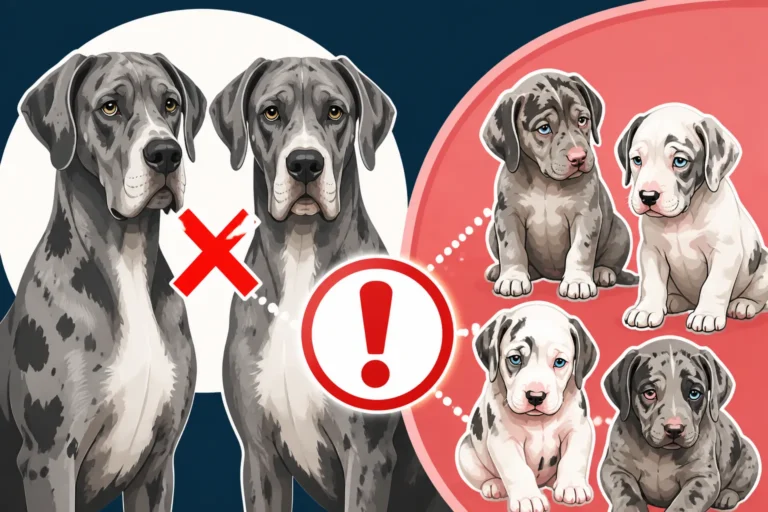
Beyond basic identification, a well-documented pedigree allows you to trace your puppy's family tree. This is incredibly important for a breed like the Great Dane, which is unfortunately prone to several significant genetic health conditions. By looking at the sire and dam, and ideally their parents and grandparents, you can gain insight into potential hereditary issues. For instance, if you see multiple ancestors who died young from Dilated Cardiomyopathy (DCM), or who had documented issues with Wobbler Syndrome or severe hip and elbow dysplasia, it doesn't guarantee your puppy will suffer from the same fate, but it does highlight areas where you might need to be extra vigilant with screening and preventative care. A responsible breeder will be transparent about their lines and any health issues that have appeared, and they will explain how they are breeding to minimize those risks. They should also be able to provide you with the health certifications for multiple generations, not just the parents. This transparency is a cornerstone of responsible breeding and a vital tool for new owners. It's why we always recommend understanding The Health Testing a Great Dane Breeder Owes You before committing to a puppy.
Essential Health Certifications to Review
This is where the rubber meets the road when it comes to understanding your Great Dane puppy's potential health trajectory. Reputable breeders invest significant time and money into screening their breeding dogs for common genetic diseases. These certifications are your proof that they've done their due diligence.
Orthopedic Clearances: Hips and Elbows
One of the most common and costly health issues in large and giant breeds like Great Danes is hip and elbow dysplasia. These are developmental abnormalities of the joints that can lead to pain, arthritis, and severely impact mobility. The most widely recognized organizations for certifying orthopedic health are the Orthopedic Foundation for Animals (OFA) and PennHIP.
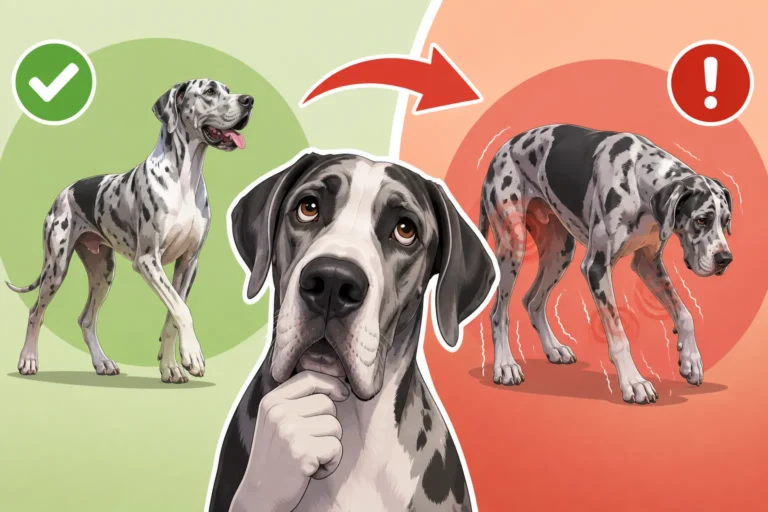
For OFA, you'll typically see evaluations of "Excellent," "Good," "Fair" (all passing grades for hips), or "Borderline" and "Dysplastic" (failing grades). Elbows are graded as "Normal" or with varying degrees of dysplasia. It's absolutely crucial that both the sire and dam of your puppy have passing hip and elbow clearances, and ideally, their scores are "Good" or "Excellent." PennHIP provides a different type of evaluation, focusing on hip laxity and providing a percentile score indicating how tight a dog's hips are compared to other dogs of the same breed. A lower distraction index (closer to 0) means tighter hips and less likelihood of developing hip dysplasia. These certifications should be readily available from your breeder and can often be looked up on the OFA website directly using the dog's registered name or number. Understanding Great Dane Hip and Elbow Screening is paramount to protecting your Great Dane's future mobility. Without these clearances, you're essentially buying a lottery ticket when it comes to your puppy's joint health, which can lead to heartbreaking and incredibly expensive surgical interventions down the line.
Cardiac Health Screening: Echo and Holter Results
Great Danes are heartbreakingly predisposed to a serious heart condition called Dilated Cardiomyopathy (DCM), which causes the heart muscle to thin and weaken, leading to congestive heart failure. Because DCM can develop later in life and has a strong genetic component, reputable breeders will conduct regular cardiac screenings on their breeding dogs.
The two main screening tools are an echocardiogram (echo) and a Holter monitor. An echo is an ultrasound of the heart that allows a veterinary cardiologist to visualize the heart's structure and function, measuring chamber size and blood flow. A Holter monitor is a portable ECG device that the dog wears for 24-48 hours to detect abnormal heart rhythms (arrhythmias) that might not be present during a brief exam. Breeders should provide you with documentation from a board-certified veterinary cardiologist (ACVIM – Cardiology) stating that both parents are clear of DCM. These screenings should ideally be performed annually, as DCM can develop at any age. Look for normal results, meaning no evidence of chamber dilation or significant arrhythmias. This proactive screening is vital because early signs of DCM can be subtle, and catching it late often means a significantly poorer prognosis. This is why annual Screening a Great Dane's Heart Each Year is a non-negotiable part of responsible ownership and breeding.
Thyroid and Eye Certifications
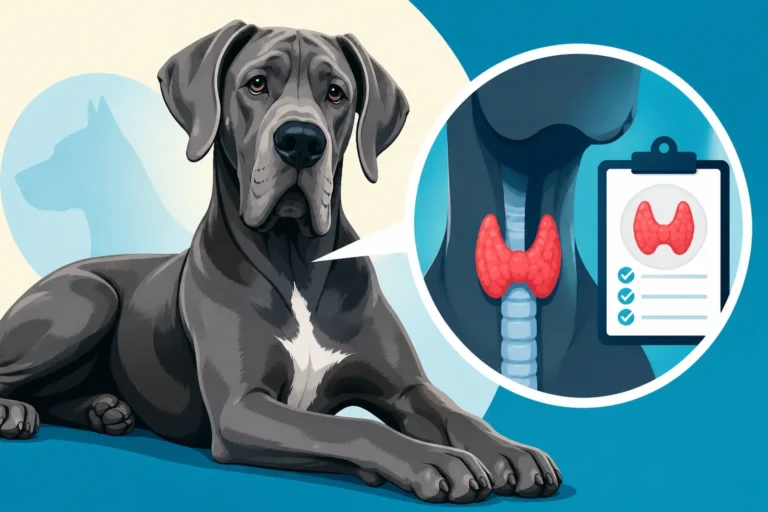
While less common than hip/elbow or cardiac issues, thyroid disease and certain eye conditions can also affect Great Danes. Hypothyroidism, an underactive thyroid gland, can lead to weight gain, skin problems, and lethargy. Eye conditions like entropion (inward-rolling eyelids) or ectropion (outward-rolling eyelids) can cause discomfort, irritation, and require surgical correction.
OFA also certifies thyroid health, looking for normal thyroid hormone levels. For eye health, certifications are often obtained through the American College of Veterinary Ophthalmologists (ACVO) or the OFA Eye Certification Registry (formerly CERF). These certifications confirm that the breeding dogs have been examined by a veterinary ophthalmologist and found to be free of hereditary eye diseases. While these screenings might not be as universally stringent as cardiac or orthopedic clearances, their presence demonstrates a breeder's commitment to the overall health of their lines. For instance, knowing if a lineage has a history of The Thyroid Test a Slow Great Dane Needs can influence your future vet care decisions. Similarly, understanding any predispositions to Great Dane Eyelid and Eye Problems allows you to monitor your puppy more closely and seek early intervention if necessary.
Vaccination Records and Deworming History
When you pick up your Great Dane puppy, one of the most immediate and tangible pieces of their health history will be their vaccination record and deworming history. These documents are crucial for continuing their preventative care and ensuring they get a healthy start in life.
Interpreting the Vaccination Schedule
Your puppy's vaccination record will be a detailed chart, typically provided by the breeder's veterinarian, outlining which vaccines your puppy has received, on what dates, and often, which veterinarian administered them. The core vaccines for puppies generally include Distemper, Adenovirus (Hepatitis), Parvovirus, and Parainfluenza (often abbreviated as DHPP or DAPP). Depending on your region and the puppy's age, they might also have received their first Leptospirosis or Bordetella (kennel cough) vaccine. Rabies vaccination is usually given later, typically between 12-16 weeks of age, as per local regulations.
It's vital to carefully review this schedule with your own veterinarian as soon as possible. They will advise you on the remaining booster shots needed to complete your puppy's initial vaccination series. Missing boosters can leave your puppy vulnerable to serious, potentially fatal diseases. Moreover, some puppies, especially giant breeds, can occasionally have Vaccination Reactions in a Great Dane Puppy, so knowing their history helps your vet anticipate any potential issues. This record is your responsibility to keep updated and bring to every vet visit, ensuring your Great Dane maintains full protection throughout their life.
Understanding Deworming and Parasite Prevention
Puppies are highly susceptible to internal parasites like roundworms, hookworms, whipworms, and tapeworms. They can even contract them from their mothers before birth or through nursing. Therefore, a comprehensive deworming schedule is a standard part of puppy care. Your puppy's health papers should detail the dates they were dewormed, the type of dewormer used, and often the results of any fecal tests performed to check for parasites.
Beyond internal parasites, your puppy's initial care might also include preventative measures against fleas, ticks, and heartworm. While heartworm prevention typically starts a bit later, around 8-12 weeks, some breeders might initiate flea/tick prevention. Understanding this history is important because it informs your own ongoing parasite prevention plan. Your veterinarian will likely recommend a monthly broad-spectrum parasite preventative that covers heartworm, intestinal worms, and often fleas and ticks, tailored to your Great Dane's weight and local parasite prevalence. This early history sets the stage for a lifetime of proactive parasite control, protecting your gentle giant from common infestations.
Veterinary Examination Reports and Microchip Details
Beyond the specialized health screenings and preventative treatments, there are two more fundamental pieces of documentation you should expect with your Great Dane puppy: a general veterinary health statement and microchip information. These ensure your puppy is healthy at the time of transfer and can always be identified if lost.
The Initial Vet Check-Up Statement
A responsible breeder will have their entire litter examined by a veterinarian, usually within a few days or a week before the puppies go to their new homes. This vet check-up statement, sometimes called a "health certificate" or "health guarantee statement," is a signed document from a licensed veterinarian. It confirms that they have physically examined your puppy and found them to be in good general health, free of obvious congenital defects, and with no signs of illness. This typically includes checking their heart for murmurs, listening to their lungs, examining their eyes and ears, palpating their abdomen, checking their bite, and confirming the presence of two descended testicles in male puppies.
This document serves as an important baseline, confirming the puppy's condition at the time of sale. It's often a prerequisite for a breeder's health guarantee to be valid. However, it's also absolutely critical that you take your new Great Dane puppy to your own veterinarian for another check-up within the first few days of bringing them home. This independent examination provides peace of mind and allows your vet to establish a baseline for your puppy's health, ensuring no issues were missed or developed during the transition.
Microchip Registration and Transfer Information
Microchipping is an invaluable tool for reuniting lost pets with their owners, and it's becoming increasingly common for reputable breeders to microchip their puppies before they leave. Your puppy's health papers should include documentation of their microchip, which will list the chip's unique identification number and instructions on how to register it in your name.
It's absolutely crucial that you follow through with registering the microchip with the associated database (e.g., AKC Reunite, PetLink, HomeAgain, Found Animals). Often, the breeder will have initially registered the chip in their name, and you'll need to formally transfer ownership to yourself. This step is not something to put off. If your Great Dane, despite their imposing size, were ever to slip away or get lost, a registered microchip significantly increases the chances of a happy reunion. Imagine the sheer panic of losing your giant family member; a microchip registered with your current contact information is their ticket home. Always ensure your contact details are up-to-date in the microchip database, especially if you move or change phone numbers.
Navigating the Fine Print: Guarantees and Contracts
Beyond the purely medical documents, most reputable Great Dane breeders will have a formal contract that outlines the terms of sale, responsibilities of both the breeder and buyer, and any health guarantees. This contract is a legal document, and it's essential that you read and understand every part of it before you sign.
Health Guarantees and Their Limitations
A well-crafted breeder contract will almost always include a health guarantee. This is the breeder's promise regarding the health of your puppy, typically covering specific genetic diseases for a defined period. For Great Danes, this often includes guarantees against severe hip/elbow dysplasia, life-threatening congenital heart defects (like DCM), and sometimes other conditions like Wobbler Syndrome, within the first one to three years of the dog's life.
However, it's important to understand that these guarantees come with limitations. They usually require veterinary confirmation of the condition, often from a specialist, and may require specific actions from you, such as maintaining proper nutrition and not over-exercising a growing puppy. The "remedy" offered by a guarantee can vary widely: some breeders might offer a replacement puppy, while others might provide a partial refund or assistance with veterinary costs. It's rare for a guarantee to cover 100% of vet bills, as these can easily escalate into the tens of thousands. Always clarify what is covered, for how long, and what conditions you must meet. Reading What a Great Dane Contract Usually Says will give you a better idea of what to expect and what questions to ask your breeder.
Spay/Neuter Agreements and Breeding Restrictions
Many responsible Great Dane breeders sell their puppies with spay/neuter agreements or non-breeding contracts. These clauses typically state that if you are purchasing a puppy as a pet (not for showing or breeding), you agree to have them spayed or neutered by a certain age (often between 12-24 months) and provide proof to the breeder. Until that proof is provided, the puppy's registration papers might be held back or be marked as "limited registration," meaning any offspring cannot be registered.
These restrictions are put in place for several good reasons: to protect the breed from irresponsible breeding, to ensure puppies are not bred before they are mature and fully health-tested, and to prevent accidental litters. While you might have strong feelings about the timing of spaying or neutering your giant breed, it's a common and ethical practice among reputable breeders. If you have any intentions of breeding your Great Dane, it is critical to discuss this with your breeder upfront and ensure you purchase a puppy on a "full registration" with a clear understanding of the health testing and age requirements the breeder expects. Ignoring these contractual obligations can have legal repercussions and can damage your relationship with a supportive breeder who wants the best for their dogs.
Why These Papers Matter for Your Great Dane's Future
Understanding and keeping track of your Great Dane puppy's health papers isn't just about ticking boxes for the breeder; it's about empowering yourself as a responsible owner and safeguarding your dog's future. These documents lay the groundwork for a lifetime of proactive care.
Proactive Health Management and Early Detection
Think of these health papers as your Great Dane's medical history before you even brought them home. By understanding the health screenings done on their parents, you gain invaluable insight into conditions your puppy might be genetically predisposed to. This knowledge allows you to be proactive with your veterinary care. For example, if you know DCM runs in the family, you can start annual cardiac screenings, like echocardiograms and Holter monitoring, earlier than you might otherwise. This early detection can be life-saving, often allowing for management that extends and improves your dog's quality of life.
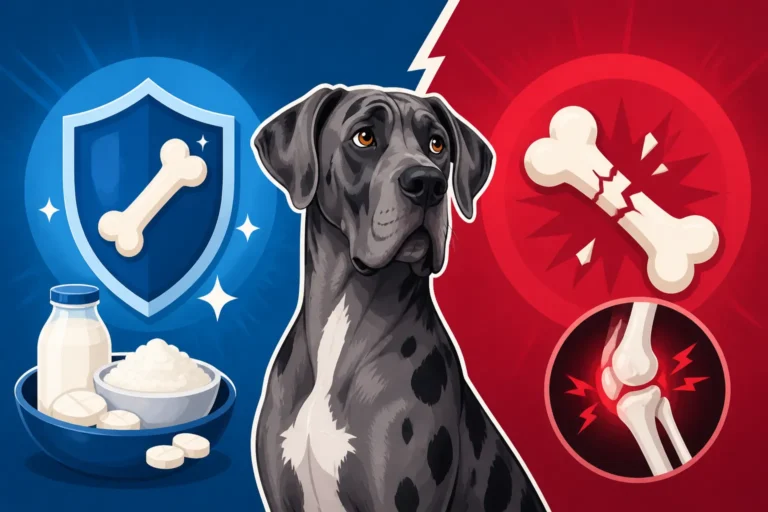
Similarly, if hip or elbow issues are present in the lineage, you'll be more vigilant about monitoring your puppy's gait, limiting strenuous exercise during growth, and considering joint supplements. These papers facilitate informed discussions with your veterinarian, allowing you to tailor a preventative health plan specific to your Great Dane's genetic background. They help you advocate for your dog's health more effectively, rather than reacting to problems as they arise. This proactive approach is particularly important for a breed known for its Why a Great Dane Only Lives Seven to Ten Years and susceptibility to complex health issues. Having a financial safety net is also incredibly important, and it’s wise to start Building a Fund Before a Great Dane Needs It to help cover potential vet bills.
The Role of Pet Insurance in Giant Breeds
Let's be realistic: Great Danes, while magnificent, are often associated with significant veterinary costs due to their size and predisposition to certain health conditions. Bloat (Gastric Dilatation and Volvulus), DCM, and orthopedic issues like hip and elbow dysplasia can lead to emergency surgeries and ongoing treatments that quickly run into the thousands, even tens of thousands, of dollars. This is where understanding your puppy's health papers, especially the hereditary risks, becomes intimately tied to financial preparedness.
Pet insurance is not just a luxury for Great Dane owners; it's often a necessity. Having a robust policy in place can be the difference between making difficult financial decisions and simply focusing on your beloved pet's recovery. Companies like Healthy Paws offer comprehensive pet insurance plans that can cover accidents, illnesses, and even hereditary conditions, provided they aren't pre-existing before enrollment or waiting periods are met. Reviewing your puppy's health papers helps you understand what potential claims you might face in the future, guiding your choice of an insurance plan with adequate coverage and deductibles. Enrolling your Great Dane puppy before any issues arise is critical, as most policies won't cover pre-existing conditions. Proactively insuring your Great Dane against bloat and heart bills is one of the smartest decisions a giant breed owner can make, and companies like Healthy Paws can provide much-needed peace of mind. For more on this, check out Insuring a Great Dane Against Bloat and Heart Bills.
Key Great Dane Puppy Health Documents Overview
To help you keep track, here's a quick reference table of the essential health documents you should expect for your Great Dane puppy and what to look for on each.
| Document Type | What It Shows | Key Information to Look For | Why It Matters |
|---|---|---|---|
| Pedigree/Registration | Lineage of your puppy, purebred status | Sire/Dam names, AKC/UKC numbers, dates of birth, breeder details | Confirms ancestry, helps trace genetic health predispositions. |
| OFA/PennHIP Clearances | Orthopedic health of parents (Hips/Elbows) | "Good" or "Excellent" hip scores, "Normal" elbow scores (OFA); low DI (PennHIP) | Reduces risk of hip/elbow dysplasia, prevents future mobility issues. |
| Cardiac Clearances | Heart health of parents (Echo/Holter) | Cardiologist's report: "Normal" echo, no significant arrhythmias | Crucial for preventing/managing Dilated Cardiomyopathy (DCM). |
| Thyroid/Eye Certifications | Thyroid and eye health of parents | "Normal" thyroid levels, "Clear" eye exams (OFA, ACVO) | Helps identify predispositions to hypothyroidism or hereditary eye conditions. |
| Vaccination Record | Dates and types of vaccines received | Vaccine names (e.g., DHPP), dates, vet's signature | Ensures your puppy is protected, guides future booster schedule. |
| Deworming History | Dates and types of dewormers administered | Dates of deworming, type of medication, fecal test results | Ensures puppy is free of common internal parasites. |
| Vet Check-Up Statement | General health report from breeder's vet | Confirmation of good health, no obvious defects, vet signature | Baseline health status at time of transfer, often part of health guarantee. |
| Microchip Information | Unique identification chip number | Microchip ID number, registration instructions | Crucial for identification and reuniting with a lost pet. |
| Health Guarantee/Contract | Terms of sale, breeder's health promise, buyer's responsibilities | Covered conditions, duration, remedies, spay/neuter clause | Protects buyer against specific genetic diseases, outlines ethical breeding terms. |
Disclaimer
The information provided in this article is for general informational purposes only and does not constitute veterinary advice. Always consult with a qualified veterinarian for any health concerns or before making any decisions about your Great Dane's medical care or diet.