Adding a Gastropexy to a Great Dane Spay
Bringing a young Great Dane into your home is a whirlwind of joy, excitement, and let's be honest, a fair bit of anxiety about their future health. One of the biggest worries for any Great Dane owner is the specter of bloat, or Gastric Dilatation-Volvulus (GDV), a life-threatening condition. When it comes time for spaying, many owners find themselves asking: can we address both concerns at once? This guide is here to walk you through the ins and outs of adding a gastropexy to your Great Dane's spay procedure, helping you understand the benefits, considerations, and what to expect.
Understanding the Great Dane Bloat Risk and Spaying Decisions
It's a fact that Great Danes are predisposed to certain health challenges, and the potential for bloat looms large in every owner's mind. Navigating the timing of surgical procedures, especially for a giant breed puppy, requires careful thought and consultation with your veterinarian.
The Ever-Present Threat of Gastric Dilatation-Volvulus GDV
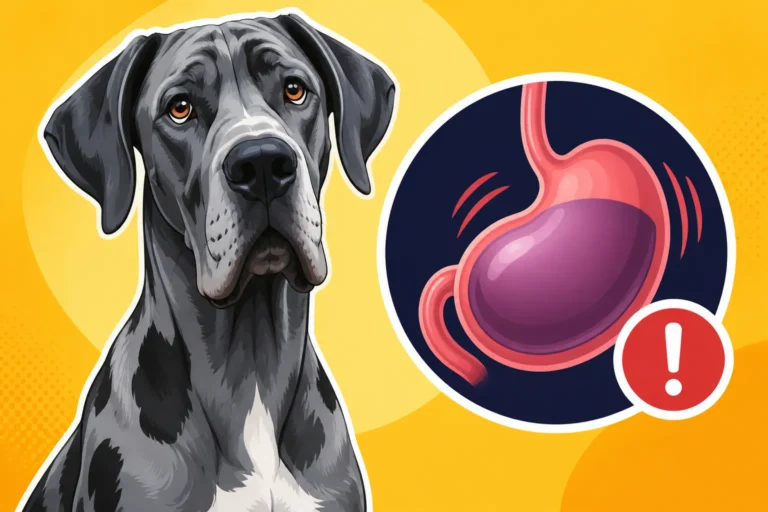
Gastric Dilatation-Volvulus, or GDV, is an emergency where a dog's stomach fills with gas, food, or fluid, then twists on itself. This twisting, known as volvulus, cuts off blood supply to the stomach and often the spleen, leading to rapid tissue death. It’s incredibly painful and can kill a dog within hours if not treated immediately. For Great Danes, this isn't just a rare possibility; it's a terrifyingly common occurrence, with some studies indicating a lifetime bloat risk in a Great Dane that's significantly higher than in other breeds. The deep, narrow chest conformation of Great Danes is believed to be a major contributing factor to why their stomachs are more prone to twisting. The signs of a Great Dane stomach twisting are unmistakable once you know them, but by then, time is already running out. Understanding the gravity of this condition is paramount when considering preventative measures.
Timing the Spay for a Great Dane
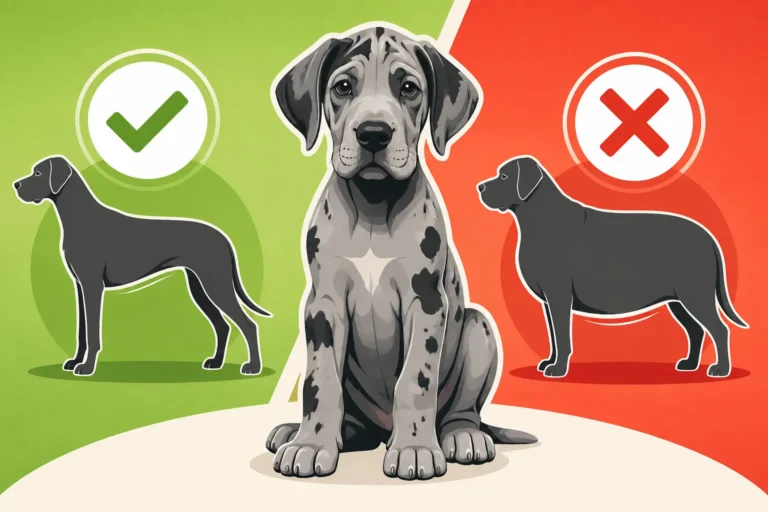
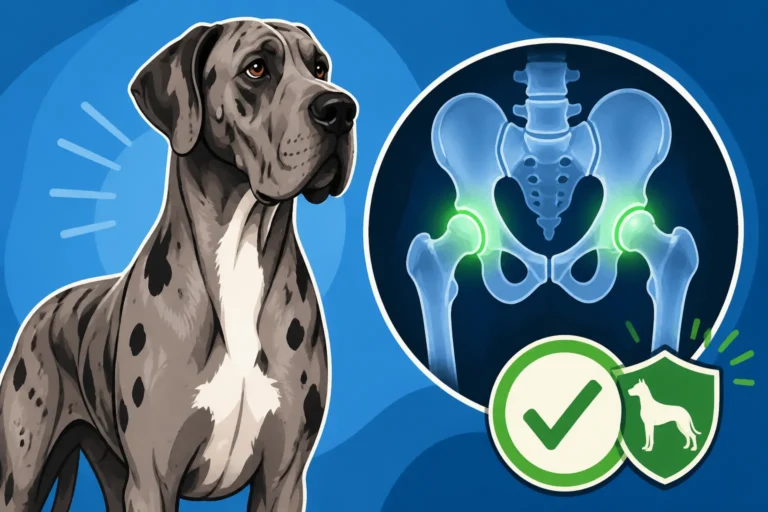
For years, the conventional wisdom was to spay female dogs around six months of age. However, for giant breeds like Great Danes, research suggests that delaying spaying might offer some orthopedic benefits, allowing their growth plates to close naturally. This can be a tough decision because delaying spaying also means navigating heat cycles and the risk of accidental pregnancy, not to mention the potential for mammary tumors later in life if left intact too long. You'll hear varying advice on when to book a Great Dane gastropexy, and it often goes hand-in-hand with the spay discussion. The critical thing is to have an open and honest conversation with your vet about the pros and cons of early versus delayed spaying for your individual dog, considering their growth, temperament, and your lifestyle.
What is a Gastropexy and How Does It Work?
Given the ever-present concern of bloat, many Great Dane owners choose a preventative surgery called a gastropexy. It’s a procedure designed to secure the stomach to the abdominal wall, significantly reducing the risk of the stomach twisting if bloat occurs.
The Mechanics of Stomach Tacking
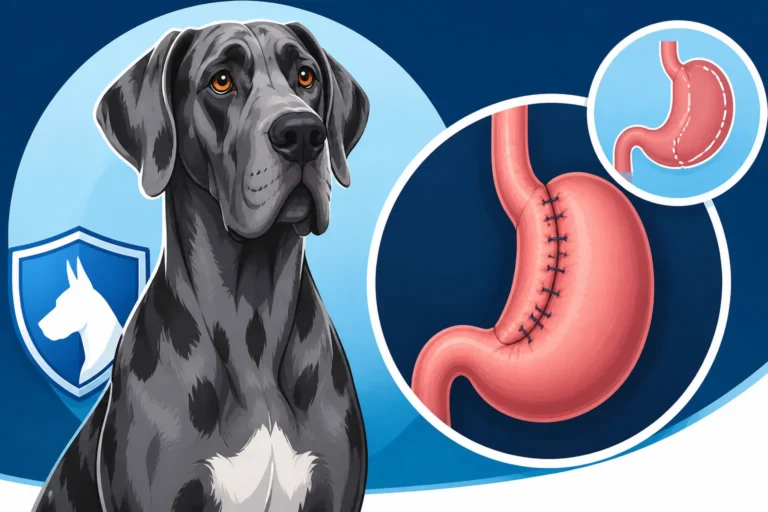
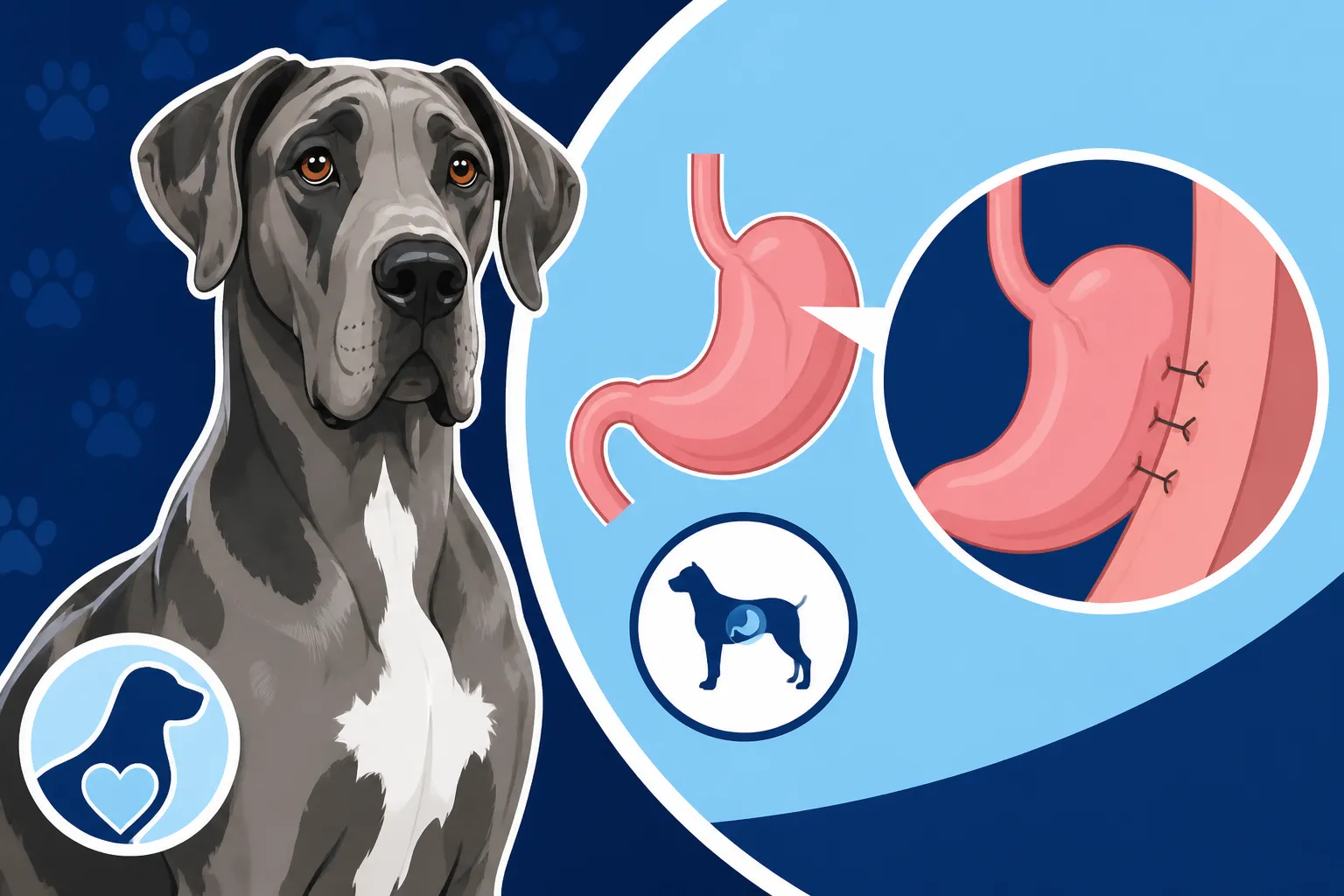
A gastropexy, often referred to as "stomach tacking," involves surgically attaching a part of the stomach, usually the pylorus (the exit part), to the inside of the abdominal wall. This permanent adhesion prevents the stomach from rotating or twisting, which is the most dangerous aspect of GDV. It doesn't prevent the stomach from dilating (filling with gas), but it stops the life-threatening volvulus. The procedure can be done in a couple of ways: an open incision surgery or a less invasive laparoscopic gastropexy on a Great Dane. Both methods aim to create a strong, permanent bond between the stomach and the body wall. When discussing how a Great Dane gastropexy is done, your vet will explain the technique they prefer and why. It’s a procedure that, while elective, offers immense peace of mind.
Gastropexy as a Proactive Measure
Think of a gastropexy as an insurance policy against the worst-case scenario of bloat. While a tacked Great Dane can still bloat, meaning their stomach can still fill with gas, the critical difference is that it cannot twist. This dramatically changes the prognosis from a sudden, often fatal emergency to a manageable, albeit uncomfortable, situation that your vet can treat without immediate, invasive surgery to untwist the stomach. For many Great Dane owners, this preventative measure is worth its weight in gold, potentially saving their beloved companion's life and avoiding the harrowing experience of rushing to the emergency vet with a bloating Great Dane. It doesn't entirely end Great Dane bloat risk, but it removes the most deadly component: the twist.
The Benefits and Considerations of Combining Procedures
Deciding to combine a gastropexy with a spay is a popular choice for Great Dane owners looking to minimize stress, expense, and recovery time. However, it's essential to understand both the advantages and any additional considerations.
Streamlining Surgeries and Reducing Anesthesia Events
The most significant benefit of combining a spay with a gastropexy is that your Great Dane only undergoes one anesthetic event. General anesthesia always carries some degree of risk, and for giant breeds, anesthesia risk in a Great Dane is a particular concern due to their size and potential underlying health issues, like dilated cardiomyopathy. Consolidating two surgeries into one means your dog is sedated once, recovers once, and you manage post-operative care for a single surgical site, rather than going through the entire process twice. This also means fewer stressful trips to the vet clinic, which can be a relief for both you and your giant dog. Your vet will conduct pre-surgery bloodwork on a Great Dane to ensure they are healthy enough for the combined procedure, mitigating as much risk as possible.
Weighing the Risks and Recovery
While there are clear benefits to combining surgeries, it's crucial to acknowledge the considerations. A combined procedure means a longer time under anesthesia and a larger surgical field, which could potentially increase the risk of complications like infection, though this is rare with proper sterile technique. The recovery might be slightly more involved than a spay alone because there are two surgical sites healing. Your vet will provide detailed instructions for recovery after Great Dane bloat surgery (in this case, preventive gastropexy) and spay, which will likely include strict activity restrictions, pain medication, and careful monitoring of both incisions.
Financial and Logistical Advantages
Let's talk about the practical side of things, because let's face it, owning a Great Dane often means bigger bills. Combining a gastropexy with a spay can often be more cost-effective than scheduling two separate surgeries. You'll typically only pay for one anesthetic session, one hospital stay, and potentially receive a reduced rate for the second procedure since the veterinary team is already in surgery. The price of a preventive Great Dane gastropexy can vary significantly, but bundling it with a spay usually results in savings compared to separate appointments. From a logistical standpoint, it means only taking time off work once, arranging pet care once, and only having to limit your dog's activity once. This can be a huge relief for busy households.
It's also where pet insurance can truly shine. Insurers like Healthy Paws often cover preventative gastropexies if they are performed in conjunction with another covered procedure, like a spay, especially if you enroll your Great Dane before anything happens. Considering whether pet insurance is essential for a Great Dane isn't a casual question, it's a financial planning necessity. Insuring a Great Dane before the bloat years can save you thousands if an emergency arises, or even for these crucial preventative surgeries.
| Feature | Separate Spay & Gastropexy | Combined Spay & Gastropexy |
|---|---|---|
| Anesthesia Events | Two separate events | One single event |
| Total Cost | Typically higher (two procedures, two anesthetic sessions, two recovery periods) | Generally lower (one anesthetic session, bundled procedure rates) |
| Recovery Period | Two separate recovery periods, extending overall restricted activity time | One consolidated recovery period, possibly slightly longer than a spay alone |
| Logistics | Two vet visits, two times arranging care, two times limiting activity | One vet visit, one time arranging care, one time limiting activity |
| Risk | Two separate exposures to surgical and anesthetic risks | One longer exposure to surgical and anesthetic risks |
| Peace of Mind | Addressing bloat risk separately | Addressing bloat risk simultaneously with spay |
Preparing for a Combined Spay and Gastropexy
The decision to proceed with a combined spay and gastropexy is a significant one, and proper preparation is key to a smooth process and successful recovery.
Finding an Experienced Veterinary Team
This is not a procedure you want to entrust to just any vet. You need a veterinary team experienced in giant breed surgery and, specifically, with gastropexy procedures. Don't be shy about asking questions: How many gastropexies have they performed? Do they prefer open or laparoscopic techniques? What is their protocol for anesthesia monitoring in giant breeds? A good breeder will emphasize the health testing a Great Dane breeder owes you, and similarly, a good vet will be transparent about their experience and recommendations. Feel free to seek a second opinion if you're not entirely comfortable, as the surgeon's expertise will directly impact the safety and success of your dog's surgery. Remember that why anesthesia costs more for a Great Dane is often due to the increased monitoring and specialized equipment required for their large size, so ensure your chosen clinic is well-equipped.
Post-Operative Care and Recovery Expectations
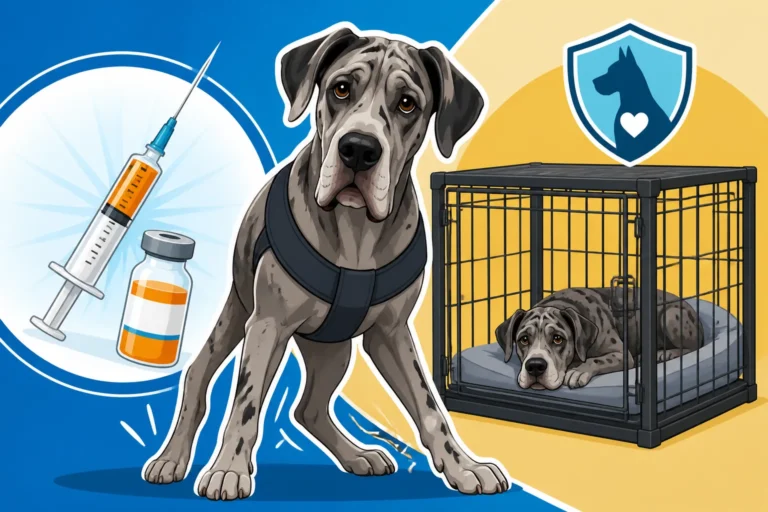
After the surgery, your Great Dane will need a calm, comfortable space to recover. This means a soft, supportive bed (perhaps an orthopedic bed if you have one), a quiet room away from household hustle and bustle, and easily accessible food and water. Expect your dog to be a bit groggy from the anesthesia and possibly uncomfortable for the first few days. Your vet will send you home with pain medication, antibiotics, and clear instructions.
Key aspects of post-operative care will include:
- Pain Management: Administering all prescribed pain medications on schedule to keep your Dane comfortable.
- Activity Restriction: This is crucial. No running, jumping, stairs, or rough play for several weeks. Leash walks only for bathroom breaks. Consider supporting a Great Dane's back end with a sling if they struggle with mobility.
- Incision Monitoring: Regularly check both the spay incision and the gastropexy incision for redness, swelling, discharge, or any signs of infection. If you notice anything unusual, contact your vet immediately.
- E-Collar: Your Great Dane will likely need to wear an Elizabethan collar (the "cone of shame") to prevent them from licking or chewing at their incisions, which can lead to infection or reopening stitches.
- Feeding and Hydration: Offer small, frequent meals as directed by your vet. Ensure constant access to fresh water.
Full recovery can take anywhere from two to four weeks, depending on the individual dog and the surgical technique used. Be patient, follow your vet's instructions diligently, and provide plenty of quiet reassurance. This recovery period is vital for ensuring the gastropexy site heals strongly and the spay incision closes without complication.
Disclaimer
The information provided in this article is for educational purposes only and is not a substitute for professional veterinary advice. Always consult with a qualified veterinarian regarding any health concerns or before making any decisions about your Great Dane's medical care.