Why a Great Dane Burns Through Its Years
It's a truth that hits every Great Dane owner right in the gut: these magnificent, gentle giants simply don't get to stay with us for as long as we'd wish. The profound love we have for them is often intertwined with the heartbreaking reality of their all-too-brief lifespans, averaging a mere seven to ten years. If you've ever found yourself wondering why these incredible dogs burn through their years so much faster than their smaller canine cousins, you're not alone. This guide aims to shed light on the complex factors that contribute to the Great Dane's accelerated aging and shorter journey through life, helping you understand the unique challenges they face.
The Accelerated Pace of Giant Breed Growth
It’s almost impossible to fully grasp the sheer speed at which a Great Dane puppy transforms into an adult. One minute they're a clumsy, adorable fluff ball that fits (just barely) on your lap, and the next, they're a majestic creature weighing over a hundred pounds and standing eye-level with you at the kitchen counter. This rapid, almost explosive growth, while awe-inspiring, comes at a significant cost to their developing bodies.
The Demands of Rapid Development
Think about it: a human baby might double its birth weight in six months, but a Great Dane puppy can easily multiply its birth weight by 50 to 100 times in its first year. This phenomenal rate of development puts immense strain on every system in their body, from their tiny bones and joints to their rapidly expanding organs. Their bodies are essentially working overtime, day in and day out, to build a colossal frame in a fraction of the time a smaller dog takes to reach maturity. This fast-track development phase doesn't just impact their skeletal structure; it also demands a lot from their cardiovascular system, digestive system, and metabolic processes, all of which are pushed to their limits to keep up with the demands of such rapid growth. This is why understanding Why a Great Dane Puppy Should Grow Slowly is so crucial, as improper nutrition or excessive exercise during this period can exacerbate existing vulnerabilities and contribute to long-term health problems. Many of these issues begin quietly, setting the stage for challenges down the road.
Skeletal and Joint Strain
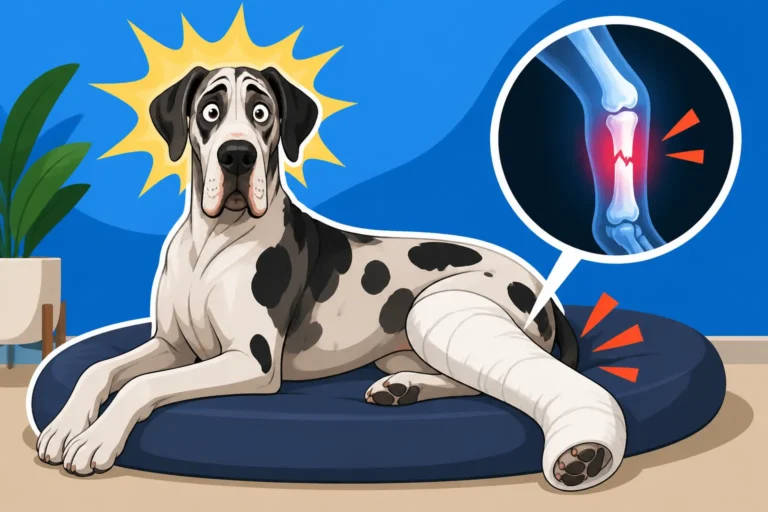
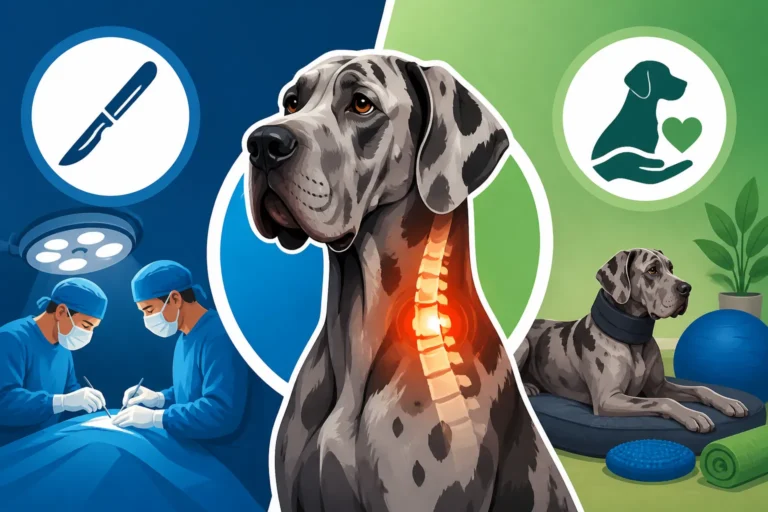
The sheer weight and rapid elongation of a Great Dane's bones and joints during their puppyhood is a critical factor in their shortened lifespan. Imagine a skyscraper being built at breakneck speed; corners might be cut, or foundational elements might not fully solidify before the next story is added. Similarly, a Great Dane's skeletal system is under constant stress. Conditions like Hypertrophic Osteodystrophy (HOD) and panosteitis (often referred to as "growing pains") are common in Great Dane puppies because their bones are growing faster than their bodies can properly supply nutrients or adequately manage the inflammation. This early stress can lead to permanent damage or predispose them to debilitating arthritis and other joint issues later in life, making movement painful and impacting their overall quality of life. For more detailed information on preventing these issues, our guide on Great Dane Hips, Elbows and Growing Joints offers valuable insights. Without careful management of their diet and exercise during these crucial months, you can inadvertently contribute to problems that manifest as Swollen Painful Joints in a Great Dane Puppy, which, while treatable, signal a body under stress.
Genetic Predispositions and Common Health Crises
Beyond the general demands of being a giant breed, Great Danes are unfortunately predisposed to several severe health conditions that significantly impact their lifespan. These aren't just minor inconveniences; they are life-threatening diseases that can strike suddenly or progress relentlessly.
The Shadow of Dilated Cardiomyopathy DCM
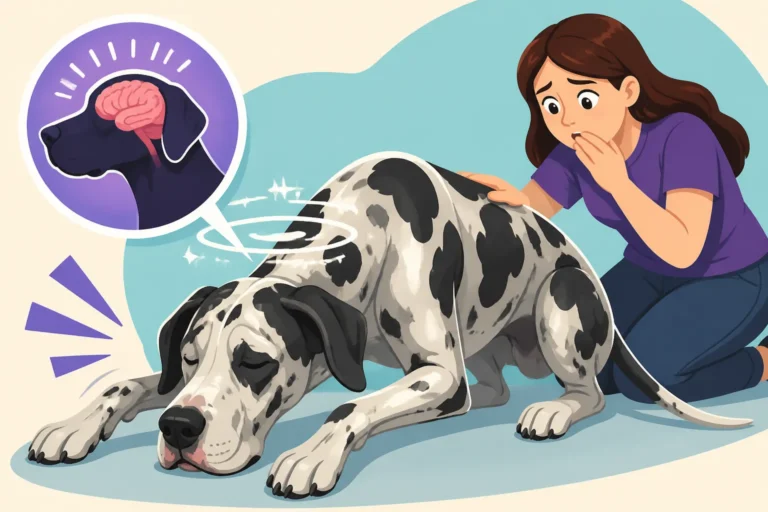
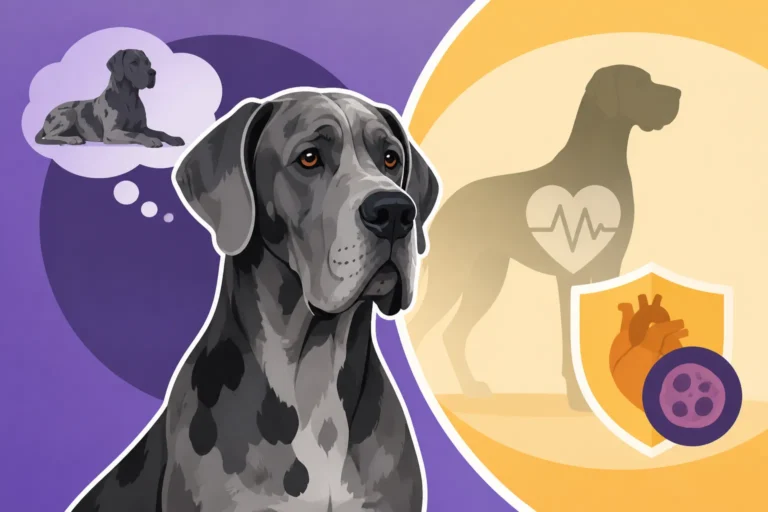
Perhaps one of the most devastating health conditions Great Danes face is Dilated Cardiomyopathy, or DCM. This is a progressive disease where the heart muscle becomes thin and weakened, leading to an enlarged heart that struggles to pump blood effectively. It’s like having a car engine that's too weak for the size of the vehicle, slowly wearing itself out. DCM often progresses silently for a long time before symptoms like lethargy, coughing, or fainting appear. By the time it's diagnosed, it can be quite advanced, and while medications can help manage symptoms, there is no cure. The average lifespan for a Great Dane diagnosed with DCM is tragically short after diagnosis. This condition is so prevalent that it's considered a hallmark of The Heart Muscle Disease Great Danes Are Prone To. Knowing the signs and seeking regular screenings are paramount, as early detection can sometimes allow for better management and a slightly improved prognosis. When it comes to managing conditions like this, the costs can add up quickly, which is where a robust pet insurance plan like those offered by Healthy Paws can be a lifesaver, helping to cover the ongoing vet visits and expensive medications that Great Danes with DCM often require, such as those discussed in Medication for a Great Dane With DCM.
The Silent Killer: Gastric Dilatation-Volvulus Bloat
No discussion of Great Dane health is complete without addressing bloat, or Gastric Dilatation-Volvulus (GDV). This terrifying condition is an acute, life-threatening emergency where the stomach fills with gas and can then twist on itself, cutting off blood flow and trapping air and food. It strikes without warning and can be fatal within hours, even minutes. The deep-chested anatomy of the Great Dane makes them particularly susceptible, and the statistics are grim: Bloat in a Great Dane and the One in Three Odds of it occurring in their lifetime are a constant worry for owners. Symptoms like unproductive retching, pacing, and a distended abdomen demand immediate emergency veterinary attention. Time is absolutely of the essence, as detailed in What to Do the Minute a Great Dane Bloats. Many owners opt for a prophylactic gastropexy—a surgery that tacks the stomach to the abdominal wall to prevent it from twisting—to reduce the risk. While even a tacked stomach can still bloat (fill with gas), it drastically reduces the chance of the fatal twist. Given the emergency nature and high cost of bloat surgery, having pet insurance like Healthy Paws can significantly ease the financial burden, allowing you to focus on your dog's recovery without added stress.
Cancer's High Toll
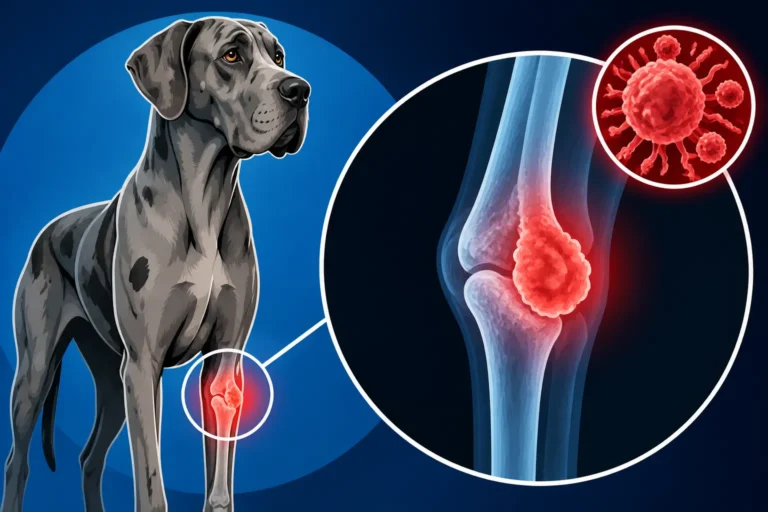
Great Danes, unfortunately, have a higher incidence of certain aggressive cancers compared to many other breeds. Osteosarcoma, a painful and rapidly spreading bone cancer, is particularly common in large and giant breeds. It often manifests as lameness or swelling in a limb, and by the time it's diagnosed, it may have already spread. The prognosis is typically poor, and treatment often involves amputation and chemotherapy, which can be incredibly difficult both emotionally and financially. Our guide on Bone Cancer in a Great Dane delves deeper into this challenging diagnosis. Other cancers, such as lymphoma or hemangiosarcoma, also appear with increased frequency. The sheer size of a Great Dane means a larger volume of cells, and potentially more opportunities for cellular mutations that can lead to cancer. While treatments like those explored in Amputation and Chemotherapy for a Great Dane can extend life, they are intensive and often serve to manage pain and improve comfort rather than provide a cure.
The Cumulative Impact of Being a Giant
It's not just about specific diseases; the sheer scale of a Great Dane's body means everything is bigger, heavier, and requires more effort to maintain. This cumulative strain contributes significantly to their shortened lifespan.
Organ Overload and Systemic Stress
Imagine a small engine trying to power a massive vehicle. Eventually, that engine will wear out faster than one powering a smaller car. Similarly, a Great Dane's organs—heart, lungs, kidneys, liver—are all working overtime to support their enormous body mass. Their hearts pump blood further, their lungs process more air, and their kidneys filter more waste. This constant, elevated workload can lead to accelerated wear and tear on these vital organs, causing them to age and fail sooner. For instance, the circulatory system, already prone to DCM, faces even greater demands in a large body. This systemic stress means that any illness, injury, or even routine medical procedure carries a heightened risk. Anesthesia, for example, is more complex and requires more careful monitoring for Great Danes due to their size and potential underlying health issues, as discussed in Anesthesia Risk in a Great Dane. The body's sheer volume means higher dosages of medication, greater demands on the liver and kidneys to metabolize those drugs, and a more extensive recovery process from any ailment. Navigating these ongoing health needs can be financially taxing, which is another area where pet insurance, like a comprehensive plan from Healthy Paws, can provide essential support for consistent, high-quality veterinary care throughout their lives.
Metabolic Rate and Cellular Turnover
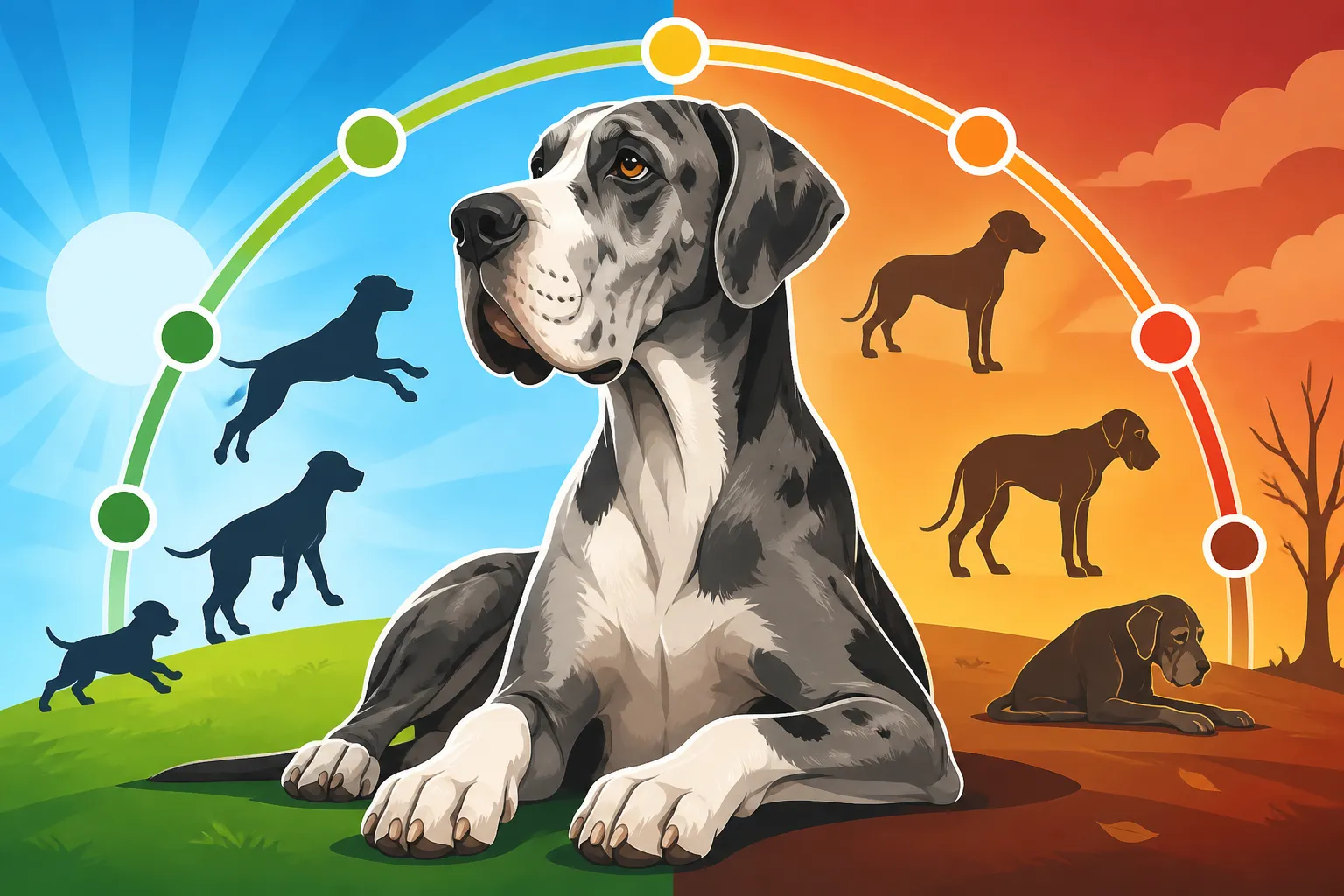
There's a fascinating biological theory often cited as a contributing factor to the shorter lifespan of giant breeds: the relationship between metabolic rate and aging. Generally, larger animals tend to have slower metabolic rates than smaller ones (think of a mouse versus an elephant). However, within a species like dogs, it's often the opposite: larger dogs have a faster metabolism per unit of body mass than smaller dogs, and this accelerated cellular activity is believed to lead to quicker cellular aging and a faster accumulation of cellular damage over time. It's almost as if their internal clocks run faster. This "live fast, die young" phenomenon is a common observation in the animal kingdom, where animals that mature quickly and grow to immense sizes often have compressed lifespans. This intrinsic biological acceleration helps explain Why a Great Dane Ages Faster Than Smaller Dogs. Their cells are simply working harder and replicating more frequently, leading to telomere shortening and an earlier onset of age-related diseases. This rapid cellular turnover means their bodies experience the equivalent of many "human years" in a relatively short calendar period, bringing with it the challenges typically associated with old age at a much younger chronological age.
Here's a quick look at how size generally correlates with canine lifespan:
| Dog Size Category | Average Adult Weight (lbs) | Typical Lifespan (Years) | Great Dane Comparison |
|---|---|---|---|
| Small | 10-25 | 12-15+ | Significantly Longer |
| Medium | 25-50 | 10-14 | Longer |
| Large | 50-90 | 8-12 | Comparable/Slightly Longer |
| Giant | 90+ | 6-10 | Within Range |
This table clearly illustrates the trend: as a dog's size increases, its average lifespan tends to decrease, with Great Danes sitting squarely in that "giant" category.
Caring for a Great Dane is an incredible privilege, and while their shorter lifespan is a heartbreaking reality, understanding the reasons behind it can help us appreciate every moment and provide the best possible care. From their rapid growth to their genetic predispositions and the sheer physical demands of being such magnificent creatures, their lives are packed with challenges and love.
Disclaimer
The information provided in this article is for educational and informational purposes only and does not constitute veterinary advice. Always consult with a qualified veterinarian for any health concerns or before making any decisions about your pet's health or treatment plan.