The Age to Tack a Great Dane’s Stomach
The moment you welcome a Great Dane into your home, the specter of bloat, or Gastric Dilatation-Volvulus (GDV), looms large. It’s a terrifying, life-threatening condition that strikes quickly and often without much warning, leaving owners scrambling to save their beloved giants. Understanding the optimal age to perform a prophylactic gastropexy – a surgery that "tacks" the stomach to prevent it from twisting – is one of the most critical decisions you’ll face to protect your gentle giant. This guide will walk you through everything you need to know about this vital preventative measure.
Understanding Gastric Dilatation-Volvulus (GDV) in Great Danes
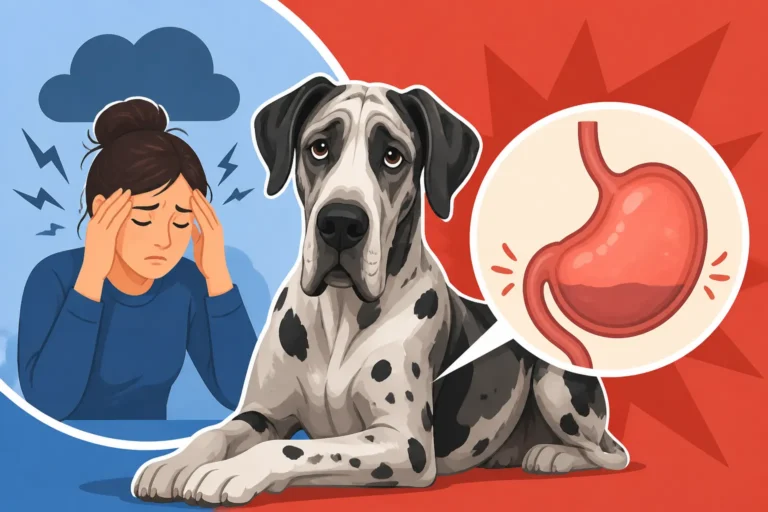
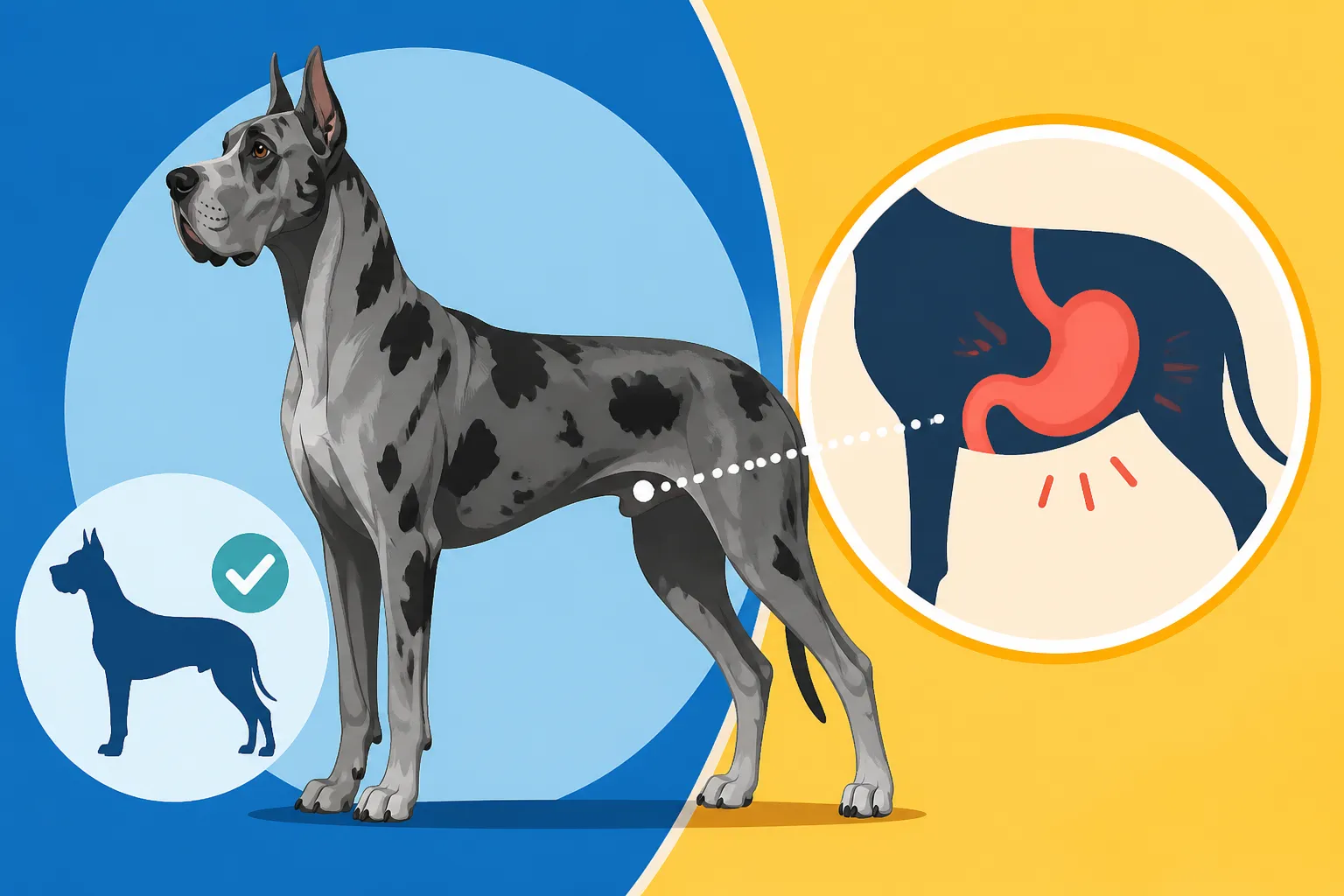
Gastric Dilatation-Volvulus, universally known as bloat, is not just a severe upset stomach; it's a medical emergency where the stomach first fills with gas and then twists on its axis. This twisting cuts off blood supply to the stomach and often the spleen, trapping gas and fluid, and quickly sending the dog into shock. For Great Dane owners, it's a constant, terrifying possibility, and it's why so many of us spend countless hours worrying and learning about prevention.
Why Great Danes Are So Susceptible to Bloat
It feels incredibly unfair that such a magnificent, sweet-natured breed is so prone to a condition as devastating as bloat. But unfortunately, the very physical traits that make Great Danes unique also put them at a higher risk. Their deep, narrow chests, a hallmark of the breed, are believed to be a significant anatomical factor. Imagine a balloon tied at both ends; it’s much harder to twist a full, round balloon than a long, slender one. A Great Dane's stomach has more room to swing and flip within that deep chest cavity compared to a dog with a broader, shallower ribcage. Genetics also play a huge role, with studies showing a strong heritable component. If your Dane's parents or grandparents bloated, their risk increases significantly. It's a cruel hand dealt by genetics and conformation, and it means we as owners have to be extra vigilant. For a deeper dive into this serious issue, you might want to read more about Bloat in a Great Dane and the One in Three Odds.
The Urgency of Bloat: What Happens When a Stomach Twists
When a Great Dane's stomach twists, every minute counts. The initial signs might be subtle: pacing, restlessness, attempting to vomit but bringing nothing up, or excessive drooling. As the condition progresses, their belly will distend, feel hard to the touch, and they'll show signs of extreme pain and discomfort. The twisting motion, known as volvulus, not only traps gas and fluid but also severely compromises blood flow to the stomach wall, leading to tissue death. Furthermore, it puts immense pressure on major blood vessels, impairing blood return to the heart, which can quickly lead to shock and multi-organ failure. Without immediate veterinary intervention, which typically means emergency surgery, the prognosis is grim. It’s not an exaggeration to say that within hours, or even less, bloat can be fatal. This stark reality underscores why prevention, specifically a gastropexy, is so often recommended for our beloved Danes. Knowing The Signs of a Great Dane Stomach Twisting is absolutely critical for any owner.
The Role of Gastropexy in Preventing GDV
Given the terrifying speed and fatality rate of GDV, preventing it is paramount. This is where the gastropexy procedure comes in. It’s a proactive step that can save your Great Dane’s life, transforming a potential catastrophe into a manageable emergency, should bloat still occur. While a gastropexy doesn't prevent the stomach from dilating with gas, it does prevent it from twisting, which is the most dangerous part of the condition.
What is a Gastropexy and How Does It Work?
A gastropexy is a surgical procedure where the stomach is permanently attached, or "tacked," to the abdominal wall. Think of it like stitching a specific part of a balloon to the inside of its box, so even if the balloon inflates, that stitched part can't spin around. In a Great Dane, a small section of the stomach wall is sutured to the right side of the abdominal wall, near the last rib. This creates a permanent adhesion that holds the stomach in its correct anatomical position. By doing this, even if your dog's stomach fills with gas (dilatation), it cannot perform the deadly twist (volvulus). This means that while your Dane could still experience bloat (gas accumulation), it would be a less severe, non-life-threatening event that could be addressed without emergency surgery for torsion. It significantly reduces the urgency and danger, giving you and your vet more time to address the underlying cause of the gas. You can learn more about Stomach Tacking Surgery for a Great Dane and its benefits.
Different Types of Gastropexy Procedures
Veterinary medicine has advanced, offering a couple of primary approaches to performing a gastropexy, each with its own benefits and considerations.
- Open Gastropexy: This is the traditional method, requiring a larger incision in the abdomen. The surgeon directly visualizes and manually attaches the stomach wall to the abdominal muscle. It’s a highly effective method, and often performed when a dog is already undergoing another abdominal surgery, like a spay or neuter.
- Laparoscopic-Assisted Gastropexy: This minimally invasive approach uses a small incision through which a laparoscope (a thin tube with a camera) and surgical instruments are inserted. The surgeon views the internal organs on a monitor and performs the tacking with specialized instruments. This method generally results in less pain, smaller scars, and a faster recovery time for the dog.
- Incisional Gastropexy: This is a variant of the open technique where a small incision is made in the stomach lining and matched to an incision in the abdominal wall, allowing for direct tissue-to-tissue healing. It's robust and often combined with a spay or neuter through the same incision.
The choice of procedure often depends on your veterinarian's expertise, the equipment available at their clinic, and your Great Dane's individual health status. While laparoscopic might sound ideal for its minimal invasiveness, it might not be available at all clinics. It’s important to discuss all options thoroughly with your vet to decide what’s best for your dog.
Determining the Best Age for a Great Dane Gastropexy
This is often the million-dollar question for Great Dane owners. When is the "right" time to tackle such an important preventative surgery? The general consensus among veterinarians and Great Dane enthusiasts is to perform the gastropexy before the highest risk period for GDV begins, which is typically as they approach adulthood.
Timing the Surgery with Spay or Neuter
For many Great Dane owners, the most practical and recommended time for a prophylactic gastropexy is to combine it with a spay or neuter surgery. This usually occurs between 6 to 18 months of age, though the exact timing for giant breeds like Great Danes is a nuanced discussion with your vet, especially concerning the optimal age for reproductive sterilization itself due to growth plate closure.
Combining the procedures means your Dane only undergoes anesthesia once, experiences a single recovery period, and only needs one round of pre-surgical bloodwork and post-surgical pain management. This can be a huge benefit both for your dog's comfort and your wallet. If you're planning to spay or neuter your Great Dane, definitely talk to your vet about adding a gastropexy at the same time. Many clinics are well-versed in this combined approach. Exploring Adding a Gastropexy to a Great Dane Spay can give you more insight into this common practice.
Considering Growth Plates and Anesthesia Risks
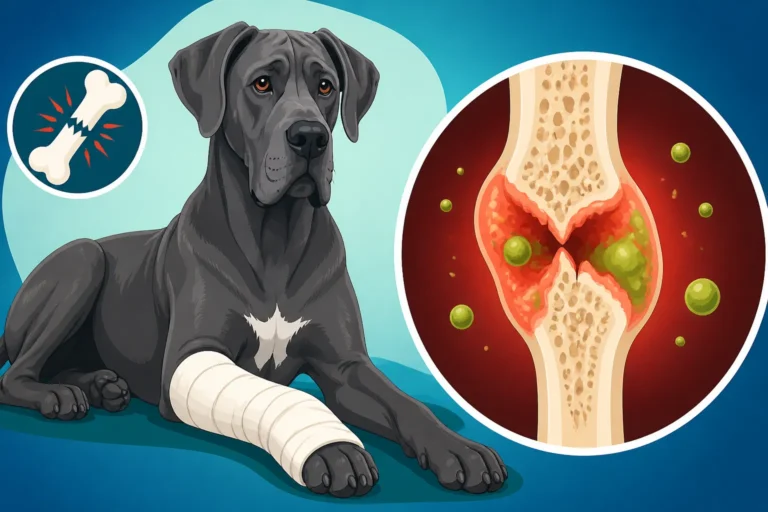
While earlier intervention offers bloat prevention sooner, the timing must also consider the unique growth patterns of a giant breed like the Great Dane. Their growth plates typically don't close until around 18-24 months of age. Performing spay/neuter too early, before growth plates are fully closed, can sometimes impact bone development and increase the risk of orthopedic issues later in life. This is why many vets recommend waiting until at least 12-18 months for spay/neuter in giant breeds, and by extension, for a combined gastropexy.
Additionally, any surgical procedure involving general anesthesia carries inherent risks, which can be amplified in giant breeds. Great Danes often require higher doses of anesthetic drugs due to their sheer size, and their recovery from anesthesia can sometimes be more complex. This is another reason why combining surgeries is often preferred – it minimizes the number of times your dog needs to go under. Your vet will conduct thorough pre-operative bloodwork and a physical exam to assess any potential risks and ensure your Dane is a good candidate for surgery. For this, even getting a good insurance policy like one from Healthy Paws can cover unexpected complications.
When an Adult Great Dane Might Still Need a Gastropexy
What if your Great Dane is already past the typical "puppy" age, say 2 or 3 years old, and hasn't had a gastropexy? It's absolutely not too late. The risk of bloat persists throughout their lives, and in some studies, actually increases with age. If you've adopted an older Dane or simply weren't aware of the benefits of a gastropexy when your dog was younger, you can still schedule the procedure as a standalone surgery.
Many adult Great Danes undergo prophylactic gastropexies successfully. The considerations remain similar: a thorough pre-surgical evaluation, discussions about the type of procedure, and a clear understanding of recovery. While the recovery might be slightly different for a fully grown, less flexible adult compared to a spry puppy, the long-term benefits of significantly reducing GDV risk far outweigh these considerations. It's a decision that provides immense peace of mind, knowing you've done everything possible to protect your dog from one of the breed's most insidious threats. Remember, even a tacking surgery doesn't eliminate all risk, and you can learn more about Whether a Tacked Great Dane Can Still Bloat.
Preparing for Your Great Dane's Gastropexy
Deciding to go ahead with a gastropexy is a responsible and loving choice for your Great Dane. However, like any surgery, it requires careful preparation and attentive post-operative care to ensure the best possible outcome. Don't underestimate the size and emotional needs of your Dane during this time; they rely on you completely.
Pre-Operative Health Checks and Considerations
Before your Great Dane undergoes a gastropexy, your veterinarian will perform a comprehensive health assessment. This isn't just a quick peek and poke; it's a critical step to ensure your dog is as healthy as possible for surgery.
- Physical Exam: A thorough head-to-tail check will be done to identify any existing health issues, assess heart and lung function, and confirm overall fitness.
- Bloodwork: Standard pre-anesthetic blood tests are crucial, especially for giant breeds. This usually includes a complete blood count (CBC) to check for anemia or infection, and a chemistry panel to evaluate organ function (liver, kidneys). This helps the vet identify any hidden conditions that could complicate anesthesia or recovery. For instance, sometimes a thyroid issue can be lurking, which is particularly relevant for large breeds. You can read more about Pre-Surgery Bloodwork on a Great Dane to understand its importance.
- Cardiac Screening: For a Great Dane, a pre-surgical cardiac screen might be recommended, especially if there are any murmurs or concerns about their heart. Dilated Cardiomyopathy (DCM) is a concern for the breed, and ensuring their heart is healthy enough for anesthesia is paramount.
- Fasting Instructions: You'll receive specific instructions on when to withhold food and water before surgery. This is critical to prevent aspiration during anesthesia.
- Medication Review: Inform your vet about all medications, supplements, or preventatives your Great Dane is currently taking. Some might need to be paused before surgery.
Open and honest communication with your veterinary team is key during this phase. Don't hesitate to ask questions or voice any concerns you have about the procedure or your dog's health. Pet insurance providers like Healthy Paws are often a great help here, covering a significant portion of these diagnostic tests, which can be a relief when budgeting for a giant breed.
Post-Operative Care and Recovery
Once the surgery is complete, your role in your Great Dane's recovery is just as vital as the vet's. Expect your dog to be a little groggy and uncomfortable initially, but with proper care, they'll be back to their loving, goofy selves in no time.
- Pain Management: Your vet will send you home with pain medication. Administer it exactly as prescribed, even if your dog seems comfortable. Managing pain is crucial for a smooth recovery and encourages proper rest.
- Rest and Activity Restriction: This is perhaps the hardest part for an active Great Dane. Strict rest is vital for 10-14 days to allow the surgical site to heal. No running, jumping, stairs, rough play, or off-leash activities. Short, controlled leash walks for potty breaks are usually permitted. This prevents tension on the sutures and reduces the risk of complications.
- Incision Care: Keep the incision site clean and dry. Check it daily for signs of redness, swelling, discharge, or any opening. Prevent your dog from licking or chewing the incision using an E-collar (cone) or a surgical recovery suit. A Great Dane's long legs make them surprisingly adept at getting around a cone, so be vigilant!
- Feeding: Follow your vet's instructions regarding when and what to feed your Dane after surgery. Often, smaller, more frequent meals are recommended initially. Continue with strategies that reduce bloat risk, such as feeding two to three smaller meals a day and avoiding exercise directly before or after eating.
- Follow-up Appointments: Attend all scheduled post-operative check-ups for incision evaluation and suture removal (if applicable).
- Watch for Complications: Be vigilant for any signs of complications, such as excessive lethargy, loss of appetite, vomiting, diarrhea, difficulty breathing, or changes in the incision site. Contact your vet immediately if you notice anything concerning. For more detail, consider reviewing Recovery After Great Dane Bloat Surgery.
Remember, while a gastropexy significantly reduces the risk of a twisted stomach, it doesn't eliminate the risk of gastric dilatation (the stomach filling with gas). Continue to be mindful of meal habits that can cut a Great Dane's twist risk, such as using slow feeders, avoiding strenuous exercise around meal times, and breaking meals into smaller portions throughout the day. Your ongoing vigilance is the best prevention.
Optimal Timing for Great Dane Gastropexy: A Comparison
| Factor | Early Timing (e.g., 6-12 months, with spay/neuter) | Later Timing (e.g., 18-24+ months, standalone) |
|---|---|---|
| Bloat Protection | Earlier protection against life-threatening twist. | Protection initiated later, meaning a longer period of higher risk before surgery. |
| Anesthesia Exposure | One anesthetic event if combined with spay/neuter. | Could be a separate anesthetic event if spay/neuter already done, increasing overall lifetime exposure. |
| Growth Plate Concerns | Potential conflict with growth plate closure if performed too early (pre-12 months). | Less concern about growth plates, as they are typically closed. |
| Recovery | Generally faster recovery due to younger age and smaller overall body size. | May be slightly longer/more uncomfortable recovery due to larger body mass and maturity. |
| Cost Efficiency | Often more cost-effective when combined with another surgery. | Likely higher cost if performed as a standalone procedure. |
| Behavioral Impact | Less chance for fear/anxiety associated with vet visits if handled well from a young age. | Could be more challenging for a larger, possibly more wary adult dog to manage confinement and discomfort. |
| Overall Risk Reduction | Provides the longest period of reduced GDV risk over the Dane's lifespan. | Still provides crucial risk reduction, but the window of vulnerability prior to surgery is longer. |
Final Thoughts on Great Dane Gastropexy
The decision to tack your Great Dane's stomach with a gastropexy is one of the most proactive and loving choices you can make for their health and longevity. The thought of your gentle giant succumbing to bloat is truly terrifying, and taking this preventative step can offer immense peace of mind. While the "perfect" age can vary depending on your individual dog, your veterinarian's recommendations, and whether you're combining it with other surgeries, the overall consensus leans towards performing it before the highest risk period kicks in – generally between 6 to 18 months, often coinciding with spay or neuter.
Remember that thorough preparation, including comprehensive pre-operative health checks, and dedicated post-operative care are just as crucial as the surgery itself. Staying vigilant for any signs of distress and adhering to recovery protocols will ensure your Great Dane bounces back quickly and can continue living their full, happy life with you. Don't hesitate to lean on your veterinary team and fellow Great Dane owners for support and advice; we're all in this together, striving to give these magnificent dogs the longest, healthiest lives possible.
Disclaimer
This article is intended for informational purposes only and does not constitute veterinary advice. Always consult with a qualified veterinarian regarding any health concerns or before making any decisions about your Great Dane's medical care, including surgical procedures like gastropexy.