Laparoscopic Gastropexy on a Great Dane
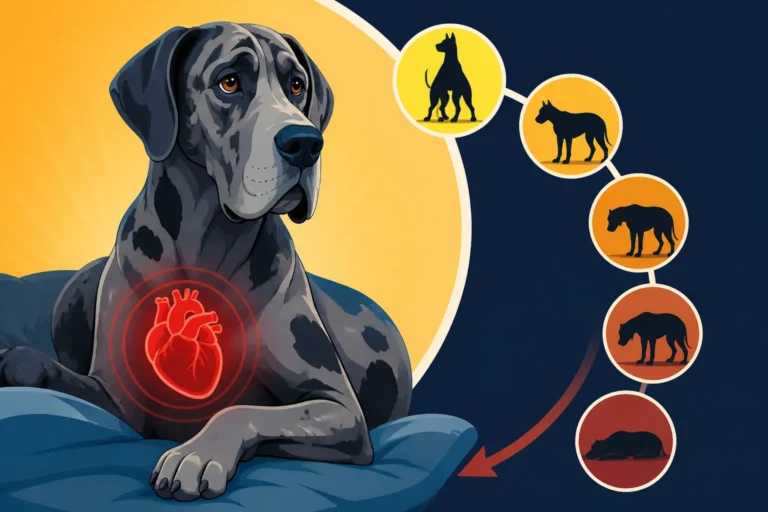
One of the most terrifying emergencies a Great Dane owner can face is bloat, or gastric dilatation-volvulus (GDV). This life-threatening condition sees your dog's stomach fill with gas, then twist upon itself, cutting off blood flow and causing rapid deterioration. It's a race against the clock, and the thought of it happening can keep you up at night. This comprehensive guide will walk you through laparoscopic gastropexy, a preventive surgical procedure that can dramatically reduce the risk of this devastating twist, offering peace of mind for you and a safer future for your beloved Dane.
Understanding the Threat of Bloat in Great Danes
Bloat isn't just an upset tummy; it's a critical, often fatal, medical crisis that disproportionately affects large, deep-chested breeds like our Great Danes. The speed at which a healthy, happy dog can go from playful to critical is astounding and heartbreaking.
Why Great Danes Are So Prone to GDV
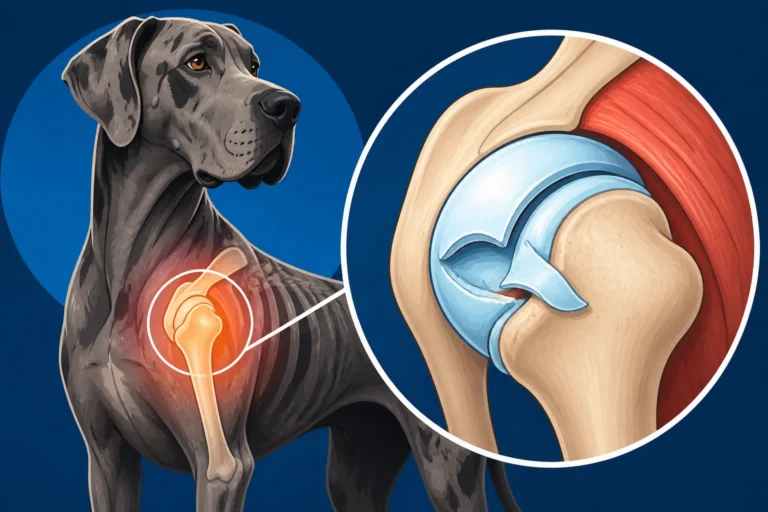
It feels unfair, doesn't it? Our gentle giants, with their big hearts and goofy personalities, are saddled with such a cruel predisposition. The truth is, their unique anatomy sets them up for this perfect storm. Great Danes have a deep, narrow chest cavity, which gives their stomach more room to swing and twist when it becomes distended with gas. Imagine a pendulum swinging in a wide-open space versus one restricted by tight walls – the Great Dane's stomach has that freedom to rotate. This anatomical factor is a major reason why the breed faces such a high risk. It's not about what you did or didn't do; it's often simply a biological lottery they didn't win.
Beyond anatomy, several other factors contribute to this elevated risk. Eating too quickly, consuming one large meal a day, excessive exercise before or after meals, stress, and even genetics can all play a role. It's a complex interplay, and identifying a single "cause" is often impossible, which only adds to the frustration and helplessness owners feel. Knowing that a Great Dane has a one in three chance of bloating in its lifetime is a sobering statistic that drives many to seek preventive measures.
The Devastating Impact of Gastric Dilatation-Volvulus (GDV)
When a Great Dane's stomach bloats and twists, it's not just discomfort they're experiencing; it's a full-blown systemic catastrophe. The twisted stomach traps gas, food, and fluid, causing immense pressure. This pressure compromises blood flow to the stomach wall, leading to tissue death. But it doesn't stop there. The enlarged stomach also presses on major blood vessels, restricting blood return to the heart, which can quickly lead to shock. The pain is excruciating, and the dog's condition can deteriorate rapidly, often within minutes to a couple of hours.
You might see your Dane pacing, drooling excessively, attempting to vomit without success, or exhibiting a visibly distended abdomen. These are all critical signs that demand immediate veterinary attention. Time is absolutely of the essence. If left untreated, GDV is almost always fatal. Even with emergency surgery, survival rates, while significantly improved, are not 100%. This harrowing reality makes prevention not just a good idea, but a vital consideration for many Great Dane families.
What Exactly is a Laparoscopic Gastropexy?
Given the terrifying nature of bloat, finding a way to prevent the stomach from twisting is a game-changer. That's where a gastropexy comes in, and specifically, the laparoscopic version offers significant advantages.
The Fundamental Principle of a Gastropexy
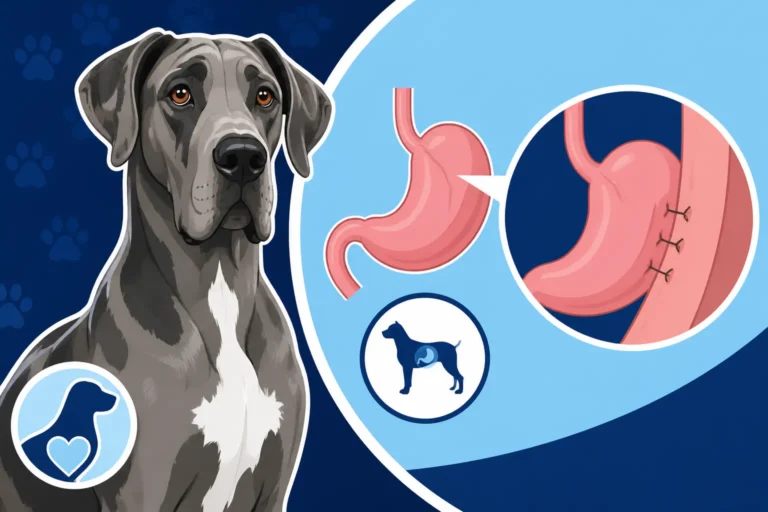
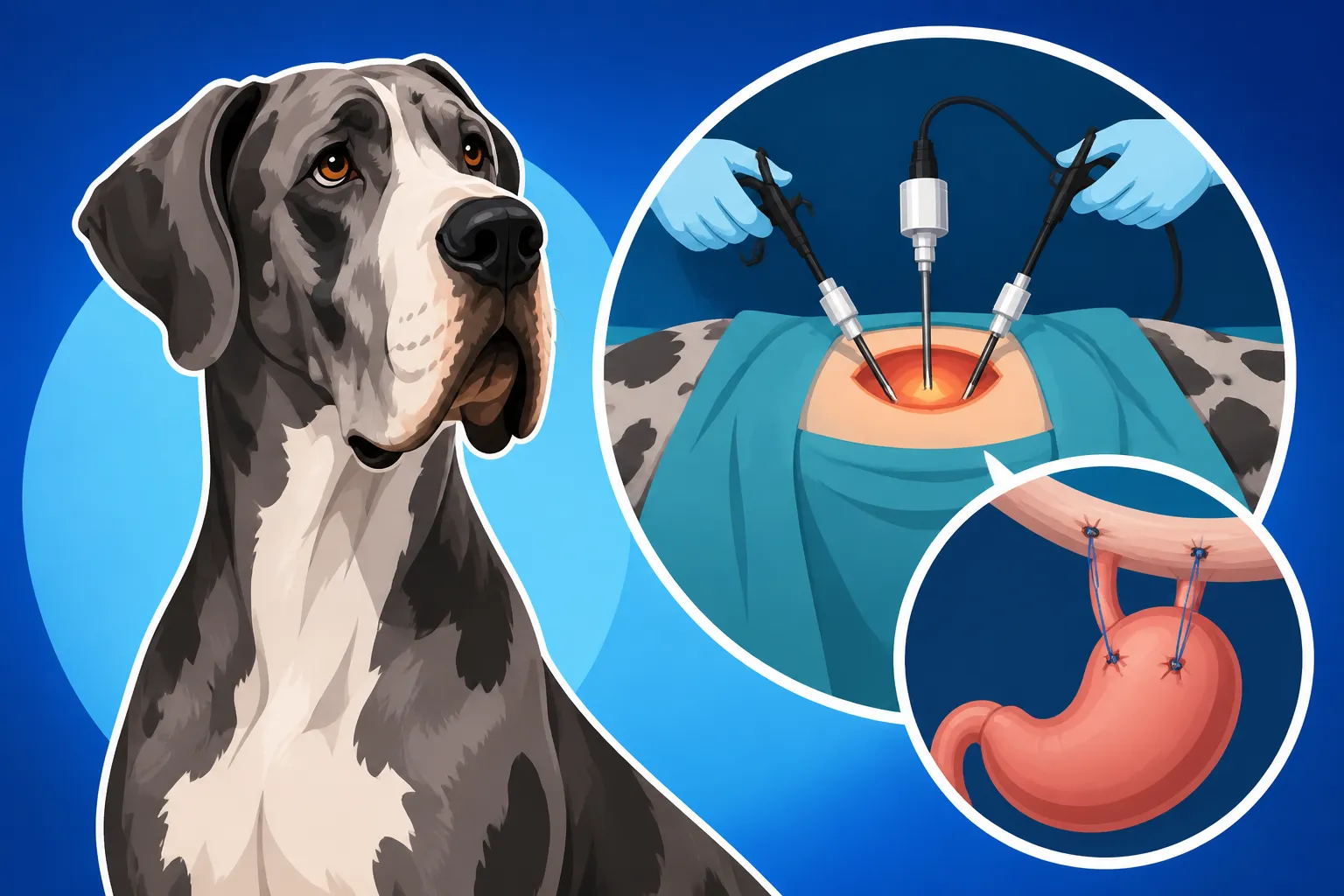
At its heart, a gastropexy is a surgical procedure designed to permanently attach a portion of the stomach wall to the abdominal wall. Think of it like tacking down a loose carpet. The goal isn't to prevent the stomach from bloating with gas – that can still happen. The crucial difference is that the stomach, once tacked, cannot rotate and twist upon itself. This eliminates the "volvulus" (the twist) part of GDV, which is the most dangerous aspect of the condition. While your Dane could still experience gastric dilatation (bloat without the twist), it would be a less severe, non-life-threatening event that your vet could typically address with decompression, rather than an emergency surgery. This distinction is paramount for peace of mind.
The procedure fundamentally changes the mechanics of how the stomach can move, transforming a potentially fatal crisis into a manageable discomfort. Many owners initially hesitate at the thought of elective surgery, but understanding the stark difference between bloat with a twist and bloat without one often clarifies the immense value of this preventive step. It's about mitigating the deadliest aspect of your Dane's lifetime risk.
How Laparoscopic Gastropexy Differs from Traditional Surgery
Historically, a gastropexy was performed via traditional open abdominal surgery, which involved a larger incision, more tissue trauma, and a longer, more painful recovery. While effective, it was a significant undertaking. Laparoscopic gastropexy, however, utilizes minimally invasive techniques, making it a much more appealing option for many.
In a laparoscopic procedure, your veterinary surgeon makes only a few small incisions, usually less than an inch long. They insert a tiny camera (laparoscope) and specialized instruments into the abdomen. The surgeon then identifies the appropriate section of the stomach and sutures it to the abdominal wall from the inside, guided by the camera's view on a monitor. This drastically reduces the incision size, minimizes muscle and tissue disruption, and typically results in less pain, fewer complications, and a much faster recovery time compared to the traditional "open" method. It's a modern advancement that truly benefits our giant breeds. For a deeper dive into the technique, understanding the specifics of the procedure can be very reassuring.
The Benefits and Considerations of This Procedure
Deciding on any surgery for your beloved Great Dane is a big deal, even a preventive one. It’s important to weigh the undeniable benefits against any potential downsides.
Significant Reduction in Life-Threatening GDV Risk
The most compelling benefit of a laparoscopic gastropexy is the dramatic reduction in the risk of gastric volvulus. While a tacked stomach can still bloat, it almost never twists. This means that if your Dane experiences bloat, it's far less likely to be the catastrophic, emergency situation that GDV typically is. For many Great Dane owners, this peace of mind is priceless. No longer will every burp or slightly distended belly send them into a panic, rushing to the emergency vet at 2 AM.
This procedure effectively removes the deadliest element from the equation. It means fewer late-night emergency visits, less fear, and ultimately, a better quality of life for both you and your dog. You can focus on enjoying your time together, knowing you've taken a significant step to protect them from this breed-specific vulnerability. Considering whether tacking completely eliminates risk is important; it reduces the twist, not the bloat itself, but that's the critical difference.
Faster Recovery and Less Discomfort
Because laparoscopic surgery is minimally invasive, the recovery period is typically much shorter and less painful than with traditional open surgery. Dogs usually experience less post-operative pain, require fewer strong pain medications, and can often return to their normal activities sooner. The smaller incisions also mean a reduced risk of infection and wound complications.
For a Great Dane, a breed that is often prone to joint issues and takes longer to heal simply due to its size, a quicker recovery is a huge advantage. This means less time on restricted activity, which can be challenging for an active dog, and a faster return to their usual joyful self. You'll likely see them bouncing back within days, rather than weeks, which is a massive relief for any owner watching their dog recover.
Financial and Emotional Considerations
While a laparoscopic gastropexy offers immense benefits, it's an elective surgery and comes with a cost. The price can vary widely depending on your location, the veterinary clinic, and whether it's bundled with other procedures like a spay or neuter. It's an investment, but many owners view it as a worthwhile one, especially when compared to the potential cost and emotional toll of emergency bloat surgery, which can run into thousands of dollars.
It's wise to plan for this expense. Many pet insurance providers, such as Healthy Paws, will cover preventive gastropexy if it's not a pre-existing condition, so it's worth checking your policy or considering insurance if you're getting a Great Dane puppy. The upfront cost of a preventive gastropexy can feel significant, but when you consider the cost of an emergency GDV surgery, which can often be double or triple the price, plus the emotional stress, it often makes financial sense in the long run.
Here's a quick comparison of the two surgical approaches:
| Feature | Traditional Open Gastropexy | Laparoscopic Gastropexy |
|---|---|---|
| Invasiveness | Highly invasive | Minimally invasive |
| Incision Size | Large (several inches) | Small (2-3 incisions, ~0.5-1 inch each) |
| Tissue Trauma | Significant muscle and tissue disruption | Minimal muscle and tissue disruption |
| Pain Level | Higher post-operative pain | Lower post-operative pain |
| Recovery Time | Longer (2-4 weeks restricted activity) | Shorter (1-2 weeks restricted activity) |
| Hospital Stay | Typically 1-3 nights | Usually overnight, sometimes same-day discharge |
| Risk of Complications | Slightly higher risk of wound complications | Lower risk of wound complications |
| Cost | Generally comparable to laparoscopic, but can vary | Often slightly higher due to specialized equipment, but can vary |
| Visibility | Direct visual and tactile | Camera-guided internal view |
Preparing Your Great Dane for Laparoscopic Gastropexy
Preparation is key for any surgery, and a gastropexy is no exception. A smooth procedure and recovery start long before your dog enters the operating room.
Timing the Surgery for Optimal Health
The timing of a gastropexy is crucial. For Great Dane puppies, many veterinarians recommend performing the procedure around 6 months of age, often at the same time as spaying or neutering. This timing is ideal because the puppy is old enough to handle anesthesia well, but still young enough that their growth plates haven't fully closed. Additionally, performing it concurrently with a spay or neuter means only one anesthetic event and one recovery period, which is less stressful for the dog and more convenient for you. Knowing the optimal age is a discussion to have early with your vet.
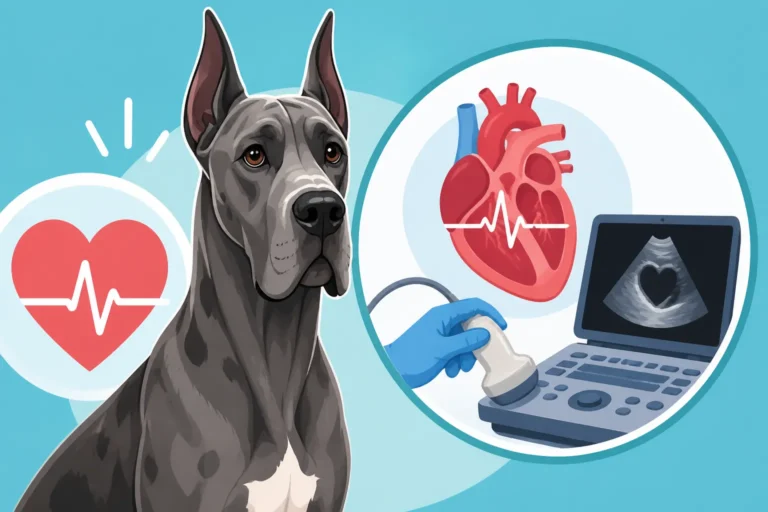
If your Great Dane is already an adult, a gastropexy can still be performed. In these cases, your vet will perform a thorough pre-surgical workup to ensure your dog is a good candidate for anesthesia and surgery. This usually includes blood tests, and sometimes chest X-rays or an ECG, to assess overall health and identify any underlying conditions.
Pre-Surgical Consultations and Diagnostics
Before any surgery, you'll have a detailed consultation with your veterinarian or a board-certified veterinary surgeon. This is your opportunity to ask all your questions and understand the procedure fully. They will explain the process, potential risks, and post-operative care. Don't hesitate to voice any concerns; a good vet will appreciate your thoroughness.
Pre-surgical diagnostics are a vital step to ensure your Great Dane is healthy enough for anesthesia and surgery. This typically includes a complete blood count (CBC) to check for infection or anemia, and a biochemistry panel to assess organ function (kidneys, liver, etc.). Sometimes, a coagulation profile might be done to check clotting ability. These tests provide a baseline and help the vet tailor the anesthetic protocol to your dog's individual needs, minimizing risks. If your vet suggests additional tests, understand that it's always in the best interest of your pet's safety.
Fasting and Pre-Anesthetic Care at Home
You'll receive specific instructions from your vet regarding food and water restrictions before surgery. Typically, your Great Dane will need to fast for 8-12 hours before the procedure, meaning no food from the night before. Water is often allowed until a few hours before the appointment, but always follow your vet's exact instructions. Fasting is critical to reduce the risk of aspiration (inhaling vomit) during anesthesia.
On the morning of surgery, make sure your Dane gets a good, thorough potty break. A calm, relaxed environment is also beneficial. While you might be anxious, try to keep your demeanor as normal as possible to avoid transmitting your stress to your dog. A confident and relaxed owner can make a big difference in how your dog approaches the vet visit.
What to Expect During and After the Surgery
The surgery itself is a critical period, but the recovery phase is just as important for ensuring a successful outcome. Knowing what to expect can help you manage your own anxieties and provide the best care for your Great Dane.
The Surgical Procedure Itself
When your Great Dane goes in for a laparoscopic gastropexy, they will first undergo a full pre-anesthetic exam, and then a tailored anesthetic protocol will be administered. Monitoring equipment will be attached to track their heart rate, breathing, blood pressure, and oxygen levels throughout the entire procedure. This vigilance is paramount, especially for large breeds.
Once anesthetized, the surgical site (usually the right side of the abdomen) will be shaved and meticulously disinfected. Small incisions, typically two or three, are made. Carbon dioxide gas is then used to inflate the abdominal cavity, creating space for the surgeon to work and visualize the organs. The laparoscope, with its camera, is inserted through one incision, and specialized instruments through the others. The surgeon then carefully identifies the pyloric (outlet) end of the stomach and sutures a section of its outer muscular layer to the inner abdominal wall. This permanent attachment is key to preventing future twisting. The process is precise and methodical, ensuring a strong, lasting bond. The surgery generally takes 45 minutes to 1.5 hours, depending on the individual dog and the surgeon's technique.
Immediate Post-Operative Care
After the surgery, your Great Dane will be carefully monitored as they recover from anesthesia. The veterinary team will ensure they are warm, comfortable, and that their vital signs are stable. Pain management is a high priority, and they will receive medication to keep them comfortable. Because it’s a minimally invasive procedure, many Danes are up and about, albeit a bit groggy, within hours. They typically spend at least one night at the veterinary clinic for close observation, especially given their breed-specific anesthesia risks.
During this time, the vet will be looking for any signs of complications, such as excessive bleeding, infection, or issues with anesthesia recovery. They'll also manage any post-operative nausea or pain. You'll likely receive a call once your Dane is awake and stable, which is often a huge relief.
Home Recovery and Activity Restrictions
Upon discharge, you'll receive detailed instructions for home care. This will include wound care for the small incisions, which might involve keeping them clean and dry, and preventing your Dane from licking or chewing them (an Elizabethan collar, or "cone of shame," is almost always necessary). You'll also be given pain medication and possibly antibiotics to administer at home.
Activity restrictions are crucial during the initial recovery period, typically 1-2 weeks. This means no running, jumping, stairs, or rough play. Leash walks for potty breaks are usually fine, but keep them short and controlled. It can be challenging to keep a Great Dane quiet, but it's essential for proper healing and to prevent internal sutures from tearing. Often, a cozy spot in a quiet room with soft bedding and plenty of supervision works best. Gradually, over the following weeks, you can increase their activity levels as advised by your vet. Remember that even with a laparoscopic procedure, the internal attachment needs time to heal securely.
Long-Term Care and Continued Vigilance
While a laparoscopic gastropexy drastically reduces the risk of GDV, it doesn't mean you can throw caution to the wind. Ongoing care and attention to your Great Dane's health remain paramount.
Understanding Remaining Bloat Risks
It's important to remember that a gastropexy prevents the stomach from twisting, but it does not prevent the stomach from bloating (gastric dilatation). Your Dane can still experience a gas-filled stomach, which can be uncomfortable and might require veterinary attention to decompress, but it's far less urgent and life-threatening than a twist. This is a critical distinction and understanding what remains possible is key.
You should still be vigilant about feeding practices that can contribute to bloat. This includes feeding multiple small meals throughout the day instead of one large one, using slow-feeder bowls if your dog eats too quickly, and avoiding strenuous exercise directly before or after meals. Even without the twist, severe bloat can cause pain and distress, so continuing preventive feeding habits is a smart move. Healthy Paws and other insurers often emphasize the importance of responsible pet ownership, which includes preventative measures and informed care like this.
Maintaining Optimal Digestive Health
Beyond the gastropexy, focusing on your Great Dane's overall digestive health is a lifelong commitment. A high-quality diet appropriate for large breeds is essential. Look for foods with good protein sources and controlled calcium levels, especially for growing puppies, to support healthy, steady growth. Some Great Dane owners opt for specific brands known for their digestive support or even explore fresh food options, always under veterinary guidance.
Additionally, ensure your Dane has access to fresh water at all times. Monitor their eating habits – any sudden changes in appetite, refusal to eat, or signs of discomfort after meals should prompt a call to your vet. Regular check-ups are also vital to catch any underlying issues early. While a gastropexy addresses a major concern, it's one piece of the puzzle in ensuring a long, healthy life for your Great Dane.
Regular Vet Check-Ups and Monitoring
Even after a successful gastropexy, regular veterinary check-ups are non-negotiable. These routine visits allow your vet to monitor your Great Dane's overall health, address any emerging concerns, and ensure that the gastropexy site is stable over time. Your vet can also provide guidance on nutrition, exercise, and parasite prevention, all tailored to your giant breed's specific needs.
If you ever notice any symptoms reminiscent of bloat – such as pacing, drooling, unsuccessful attempts to vomit, or abdominal distension – even after a gastropexy, you should still contact your vet immediately. While the threat of a twist is largely gone, understanding the need for prompt intervention for any gastric distress is crucial. Your veterinary team is your partner in maintaining your Great Dane's health, and open communication is key to their well-being.
Disclaimer
This article is for general informational purposes only and does not constitute professional advice. Laws, prices and regulations vary by location and change over time. Consult a qualified professional for guidance on your specific situation.