How Common Deafness Is in a White Great Dane
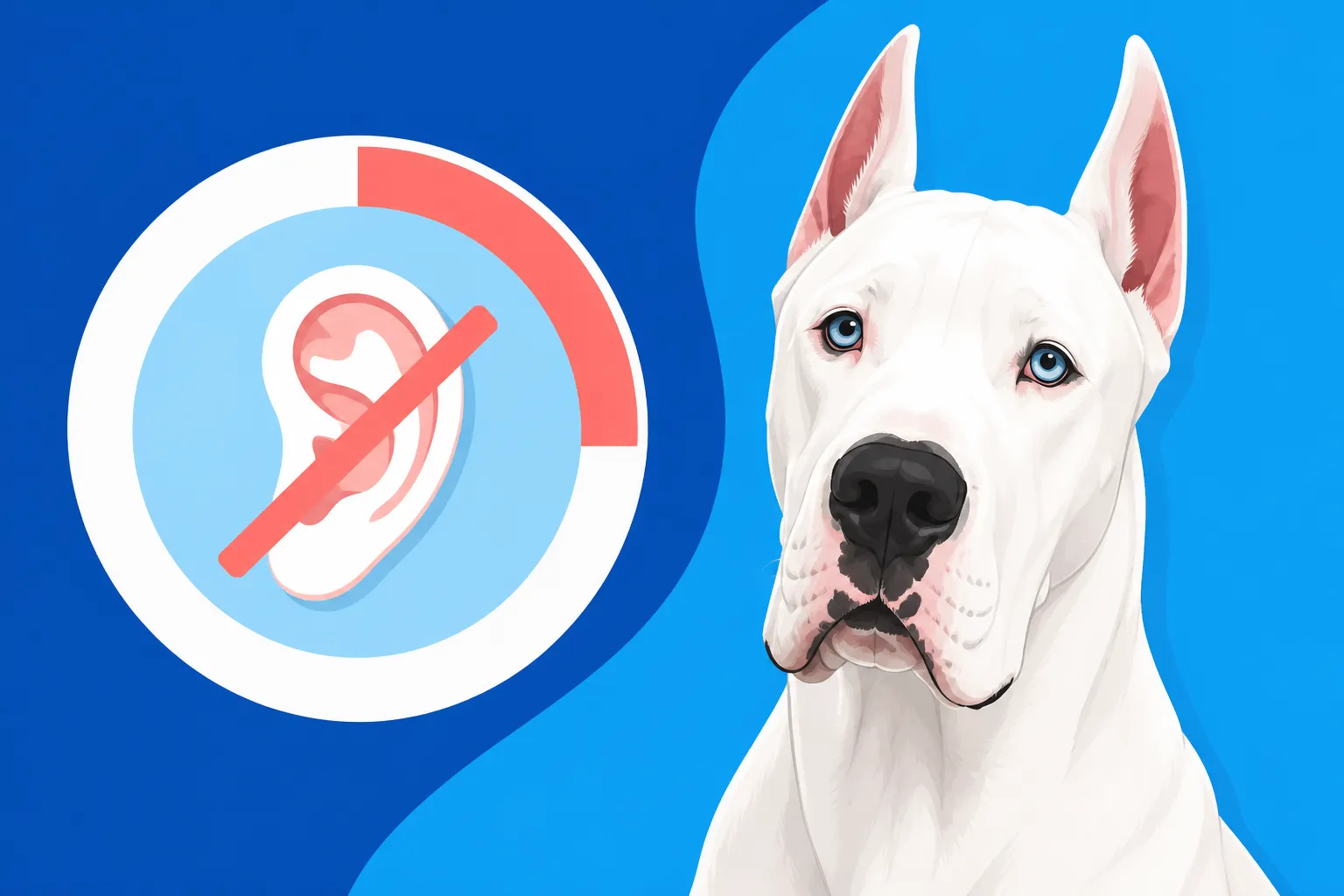
Finding yourself with an all-white Great Dane puppy can be a heartwarming experience, but it often comes with a deeply hidden concern that many new owners aren't prepared for: the increased likelihood of deafness. It's a heartbreaking reality that these stunning, often visually unique, pups are statistically far more prone to hearing loss, a condition stemming from specific genetic factors tied to their coat color. This guide will walk you through why this happens, how to identify deafness, and most importantly, how to provide a fulfilling life for your deaf Great Dane.
Understanding the Genetics Behind White Great Dane Deafness
The dazzling appearance of an all-white Great Dane can be incredibly striking, drawing many people in. However, this extreme lack of pigment isn't just skin deep; it's a significant indicator of underlying genetic factors that frequently lead to congenital deafness. It’s a complex interplay of genes, and understanding it is key to appreciating why these dogs face this particular challenge.
The Role of the Merle Gene
At the heart of deafness in many white Great Danes is the merle gene. This gene is responsible for the beautiful, mottled, or "dappled" patterns seen in merle-colored dogs, where patches of dilute pigment appear across the coat. Think of the classic "Harlequin" Great Dane with its white base and torn black patches; that's the merle gene at work, often combined with other factors to produce the pattern.
The problem arises when a puppy inherits two copies of the merle gene – one from each parent. This is known as a "double merle" or "homozygous merle." When a dog is a double merle, it experiences an extreme dilution of pigment throughout its body, not just in its coat. This can result in a predominantly white or even entirely white coat. Critically, this lack of pigment can extend to the cells within the inner ear, specifically the melanocytes, which are vital for the proper function of the auditory system. Without these cells, the nerve endings in the inner ear that transmit sound signals to the brain don't develop correctly or degenerate, leading to profound deafness. It’s not just a superficial aesthetic; it’s a systemic lack of pigment that impacts critical sensory organs. This is precisely why responsible breeders are extremely careful and educated about Why Two Merle Great Danes Should Not Be Bred This practice dramatically increases the risk of producing double merle puppies with serious health issues.
Why Extreme White is a Red Flag
When you see a Great Dane that is almost entirely white, or even solid white, it should immediately raise a red flag regarding potential health issues, particularly deafness and eye abnormalities. This isn't a recognized color pattern in the Great Dane breed standard; instead, it's often a manifestation of the double merle gene, or sometimes other genetic factors interacting to produce an extreme piebald (white spotting) effect that overlaps with merle expression. The striking white coat, while beautiful to some, is a visual cue of a pigment deficiency that has extended beyond the fur.
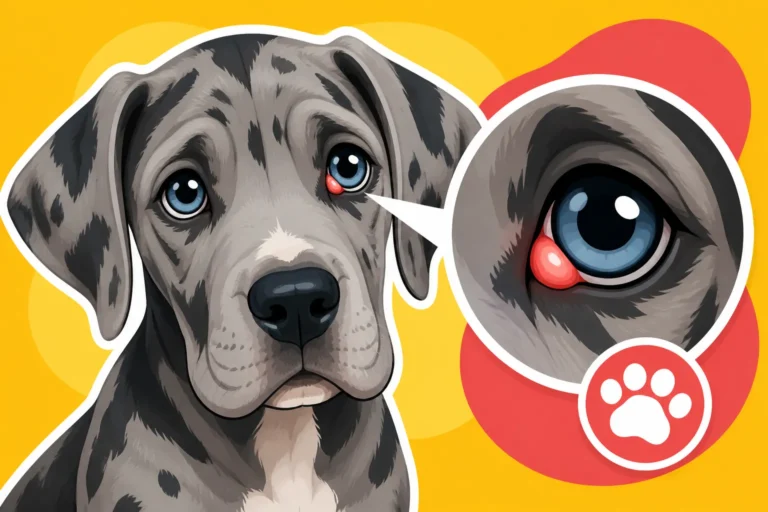
This absence of pigment means that the vital melanocytes that contribute to hearing and vision development might be absent or severely reduced. It’s a direct consequence of the genetic hand these pups are dealt. Beyond deafness, double merle dogs are also at a higher risk for ocular defects, ranging from microphthalmia (abnormally small eyes) to complete blindness or colobomas. These are sometimes referred to as "lethal white" genes in other breeds, though the term can be a bit misleading as the condition isn't always lethal, but rather severely disabling. For anyone considering such a pup, it's crucial to understand that their unique coloring is directly linked to an elevated risk of these serious health challenges. You can read more about other related issues in Missing Eyes and Small Eyes in White Great Danes
Recognizing the Signs of Deafness in a Great Dane Puppy
It can be difficult to tell if a puppy is deaf, especially when they're young and their world is already full of new sensations. Deaf puppies are often incredibly adaptable and compensate for their lack of hearing in surprising ways, making early detection a bit of a challenge for the untrained eye. However, knowing what to look for can make all the difference in providing your Great Dane with the best start in life.
Early Behavioral Clues
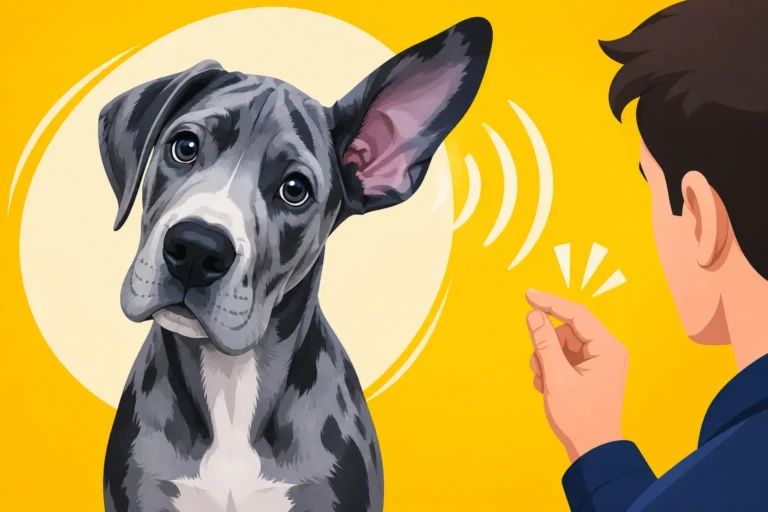
One of the first things you might notice in a deaf Great Dane puppy is a lack of response to sounds that would typically grab a hearing dog's attention. Think about loud noises like a dropped pan, a doorbell, or even someone clapping their hands loudly behind the pup. A hearing puppy would likely startle, turn its head, or at least flick an ear. A deaf puppy, however, might remain completely oblivious. They might appear to sleep very soundly, unaffected by household noises that would usually wake a dog.
Another common behavioral clue is how they interact with littermates or humans. They might rely more heavily on visual cues, touch, and scent. You might notice them startling easily if approached from behind without visual warning, as they can't hear you coming. Some deaf puppies might be more prone to nipping or mouthing when startled because they miss those auditory cues that teach them bite inhibition through the yelps of their playmates. It’s not aggression, but often a reaction to being surprised. Observing these subtle differences in their environment and interactions is critical. For instance, if you call their name and they never respond unless they see you, that's a strong indicator. They might also play harder than their littermates, sometimes even ignoring typical canine vocalizations during play, simply because they don't hear them. Early socialization is key for all Great Danes, but particularly so for those with sensory limitations, as discussed in Socializing a Great Dane Puppy Early
The BAER Test and Its Importance
While behavioral observations are a great starting point, the most definitive way to confirm or rule out deafness in a Great Dane puppy is through a Brainstem Auditory Evoked Response (BAER) test. This isn't just a simple check-up; it's a sophisticated neurological test that objectively measures the electrical activity in the brain in response to auditory stimuli. Essentially, tiny electrodes are placed on the puppy's scalp, and clicking sounds are played into each ear. The electrodes then record how the brain responds to these sounds.
The beauty of the BAER test is that it's non-invasive and can accurately determine if a puppy is deaf in one ear (unilateral deafness) or both ears (bilateral deafness). It’s typically performed between 6 and 8 weeks of age, after the ear canals have fully opened. Many responsible breeders of Great Danes, especially those breeding merle or Harlequin lines, will proactively have their entire litters BAER tested. This test is a critical piece of The Health Testing a Great Dane Breeder Owes You ensuring transparency and honesty about the health status of their puppies. If you are considering a white or merle-patterned Great Dane, always ask the breeder if the puppies have been BAER tested and request to see the results. If a breeder hasn't performed this test, it should be a major point of concern. For more detailed information on this process, you can explore Testing a Great Dane Puppy's Hearing
Living With and Loving a Deaf Great Dane
Bringing a deaf Great Dane into your home might seem daunting at first, but with a little extra preparation and understanding, these dogs thrive beautifully. They are still the loving, gentle giants we adore, and they form incredibly strong bonds with their human families. It’s all about adapting your approach and embracing different ways of communicating.
Training and Communication Strategies
Training a deaf Great Dane relies heavily on visual cues and body language. Forget verbal commands; your hands, facial expressions, and even your posture become your primary tools for communication. Start early with hand signals for basic commands like "sit," "stay," "come," and "down." There are many excellent resources available that provide standardized hand signals for deaf dogs, and consistency is absolutely key. Every family member needs to use the same signals for the same commands. Many deaf Great Danes excel in obedience and even advanced training because they are incredibly focused on their owners’ visual cues.
Another useful tool is a vibration collar. This isn't for punishment; it's purely for attention. A quick buzz can signal "look at me!" or "come here!" from a distance. Pair the vibration with a positive visual cue when they turn to you, and soon they’ll understand that the buzz means something good is about to happen. Consider enrolling in a positive reinforcement training class specifically for deaf dogs, or find a trainer experienced with them. They can offer invaluable personalized guidance. After all, Why Great Dane Training Cannot Wait applies just as much, if not more, to a deaf Great Dane, as clear communication is vital for their safety and well-being. For a deeper dive into specific techniques, check out Hand Signals for a Great Dane That Cannot Hear
Safety Considerations and Enrichment
Safety is paramount for a deaf Great Dane. They cannot hear approaching cars, bicycles, or other dangers. Therefore, a secure, fenced yard is non-negotiable. When outside the yard, your deaf Great Dane should always be on a leash. A brightly colored vest or collar that says "DEAF DOG" can also be a good idea to alert others, especially if they approach without warning. In the home, avoid startling them. Always approach from their field of vision, or gently touch them to wake them up rather than abruptly grabbing them.
Enrichment activities become even more important for deaf dogs to keep their minds engaged. Scent work, puzzle toys, and interactive games that rely on sight and smell are fantastic. Agility, where the dog follows visual commands, can also be a wonderful outlet for their energy and intelligence. Remember, a bored Great Dane, deaf or hearing, can become a destructive one! If you ever face unexpected veterinary bills or need specialized equipment for your deaf companion, pet insurance can be a lifesaver. Providers like Healthy Paws offer comprehensive plans that can help manage the costs of unforeseen accidents or illnesses, allowing you to focus on your dog's well-being without financial stress.
Ethical Breeding and Responsible Ownership
The prevalence of deafness in white Great Danes underscores the critical importance of ethical breeding practices and responsible ownership choices. It's a topic that touches on genetics, compassion, and the commitment we make to our beloved companions.
Breeder Responsibilities and Health Testing
Responsible Great Dane breeders play an absolutely vital role in minimizing the incidence of deafness and other genetic health issues. For any breeder working with merle lines, the practice of avoiding "merle to merle" breedings is non-negotiable. Breeding two merle-patterned dogs together dramatically increases the likelihood of producing double merle puppies, which are at a much higher risk for deafness, blindness, and other pigment-related health problems. Ethical breeders prioritize the health and well-being of their puppies over desirable, but risky, coat colors.
Beyond careful pairing, ethical breeders will conduct thorough health testing on their breeding stock and, crucially, on their puppies. This includes BAER testing for hearing. They will be transparent about any health conditions, including deafness, and provide all health certificates and test results to prospective owners. If a puppy is identified as deaf, a responsible breeder will ensure it goes to a home prepared and educated to care for a special needs dog, often at a reduced price or through a dedicated rescue. They understand their obligation to the dogs they bring into the world. When considering a Great Dane puppy, always ask about the parents' health clearances and the puppy's individual health history. This diligence aligns perfectly with the standards highlighted in The Health Testing a Great Dane Breeder Owes You
Supporting Deaf Great Danes in Rescue
Sadly, despite the best efforts of responsible breeders, or often due to irresponsible breeding, many deaf Great Danes find their way into rescue organizations. These dogs often face an uphill battle in finding forever homes because potential adopters can be hesitant about taking on a dog with a perceived "special need." This is where the truly dedicated hearts of rescue volunteers and adopters shine brightest. Rescues like Great Dane Rescue, Inc. work tirelessly to evaluate these dogs, provide them with necessary veterinary care, and educate potential families on how to successfully integrate a deaf dog into their lives.
Adopting a deaf Great Dane from a rescue can be an incredibly rewarding experience. These dogs are just as capable of giving and receiving immense love and can be just as well-behaved and happy as their hearing counterparts, given the right environment and consistent training. They teach us patience, adaptability, and an even deeper form of communication. When you consider adopting, remember that some pet insurance providers, like Healthy Paws, may offer coverage for accidents and illnesses even for adopted dogs, helping to ease the financial burden of unexpected health issues that can sometimes accompany rescue animals. Supporting these rescue efforts, either by adopting, fostering, or donating, makes a tangible difference in the lives of these magnificent dogs.
Great Dane Color Genetics and Deafness Risk
To help clarify the connection between coat color and deafness, here's a table summarizing the general risks associated with different Great Dane color genetics. This is a simplification, but it illustrates the key points.
| Genetic Combination / Coat Color Phenotype | Description | Deafness Risk (General) | Other Health Concerns |
|---|---|---|---|
| Non-Merle Colors | Fawn, Brindle, Blue, Black, Mantle (without merle present). These dogs carry no merle gene, or only a single copy that is 'hidden' by other genes (though this is rare in breed standards). | Low | Typical breed-specific health issues (bloat, DCM, etc.) |
| Single Merle (Mm) | Harlequin, Merle (with typical merle pattern). These dogs carry one copy of the merle gene. The merle pattern is visible. | Low to Moderate | Potential for reduced pigment in eyes (blue eyes common) |
| Double Merle (MM) | Predominantly white or solid white appearance, often with light blue eyes or other eye anomalies. Inherited two copies of the merle gene (one from each parent). | High (often profound) | Microphthalmia, coloboma, blindness, skin sensitivities |
| Cryptic Merle (Mc) | Carries the merle gene but it is not expressed visually on the coat, often appearing as a non-merle color. Can unknowingly be bred to another merle, producing double merles. | Low (if single Mc) | Risk for double merle offspring if bred to another merle. |
It's important to remember that this table provides a general overview. Genetic testing can definitively identify a dog's merle status, which is always recommended for breeding stock.
Disclaimer
The information provided in this article is for general informational purposes only and does not constitute veterinary advice. Always consult with a qualified veterinarian for any health concerns or before making any decisions about your pet's health or treatment.