Whether a Great Dane Feels Pain Differently
It's a question that weighs heavily on the hearts of many Great Dane owners: does my gentle giant feel pain differently than a smaller dog? You look at their impressive size, their stoic demeanor, and sometimes, it's easy to wonder if their pain threshold is higher, or if they simply hide their discomfort better. The truth is, while the fundamental mechanisms of pain are universal across all dogs, a Great Dane's unique physiology and inherent stoicism can make recognizing and managing their pain a very different experience for us devoted caregivers. This guide will delve deep into how Great Danes experience pain and what you, as their owner, can do to ensure their comfort and well-being.
The Unique Physiology of a Great Dane
Owning a Great Dane means understanding that their sheer size isn't just for show; it profoundly impacts their health and how they experience the world, including pain. Their rapid growth and immense stature come with a particular set of challenges that can influence both their likelihood of experiencing certain painful conditions and how those conditions manifest.
Size and Scale: How it Impacts Pain Perception
When you're sharing your home with a creature that can easily look you in the eye while standing on all fours, it's almost natural to project an image of robustness and invincibility onto them. Great Danes are magnificent, powerful dogs, and their size can sometimes lead owners to a subconscious belief that they are tougher, or less susceptible to pain, than a tiny Chihuahua. But this couldn't be further from the truth. Their impressive musculature and bone structure are still subject to the same biological principles as any other mammal.
In fact, their large size can actually exacerbate certain pain conditions. Think about the strain on joints when carrying well over a hundred pounds, or the impact of a minor slip or fall when you have that much mass hitting the ground. A sprain that might be a fleeting discomfort for a smaller dog could lead to significant, prolonged pain and mobility issues for a Great Dane simply due to the forces involved. It's not that they feel the initial injury more intensely, but the consequences of that injury can be far more profound and painful. It's crucial to remember that while their bodies are large, their nerve endings and pain receptors function just like any other dog's.
Rapid Growth and Joint Stress
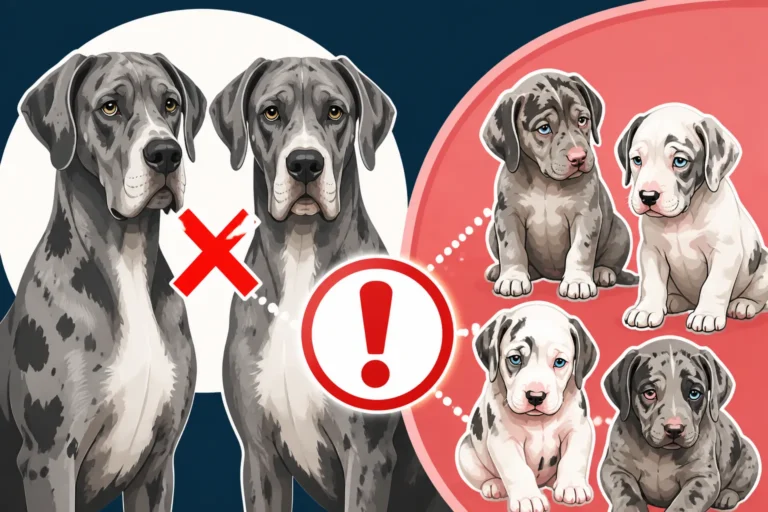
Great Dane puppies are adorable, gangly bundles of energy, but their incredibly rapid growth rate is a double-edged sword. They can go from a tiny pup to a massive adolescent in a blink of an eye, and this accelerated development places immense stress on their bones and joints. This is a critical period where many painful orthopedic conditions can take root.
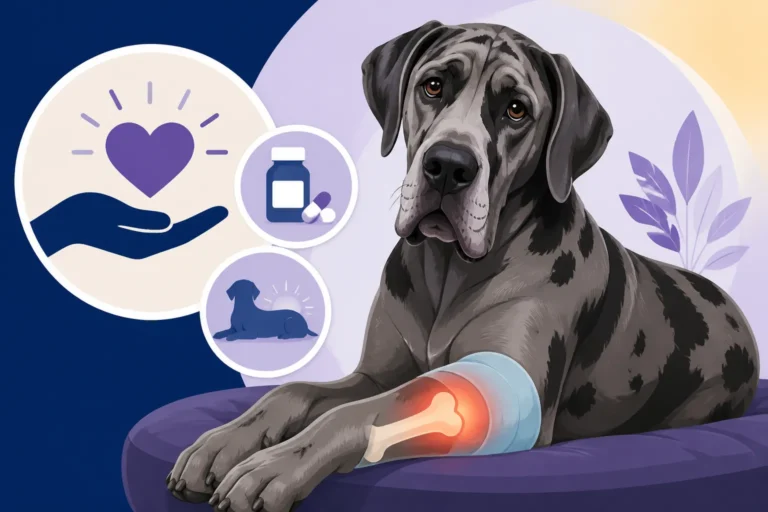
Conditions like Hypertrophic Osteodystrophy in a Great Dane (HOD), or panosteitis ("growing pains"), are unfortunately common. A Great Dane puppy experiencing HOD might suffer from swollen, hot, and intensely painful joints, often in their legs, making them reluctant to move or even bear weight. Similarly, panosteitis can cause shifting lameness and discomfort. These early experiences with significant, intermittent pain can sometimes lead to a stoic nature, where the dog learns to "tough it out" because the pain is a recurring part of their growth. This doesn't mean they don't feel the pain; it means they've adapted their outward response to it. Understanding Growth Disorders in a Great Dane Puppy is essential for owners to catch these issues early and provide appropriate veterinary care to mitigate long-term pain. The focus on slow, controlled growth, with proper nutrition and limited strenuous exercise, is paramount to minimizing these painful puppyhood experiences and setting them up for healthier adult lives.
Understanding Pain Perception in Dogs (and Great Danes)
It's a common misconception that some breeds have a naturally higher pain tolerance. While individual dogs, just like people, may have varying thresholds for expressing pain, the physiological experience of pain itself is remarkably consistent across species, and certainly across dog breeds.
The Universal Nature of Pain
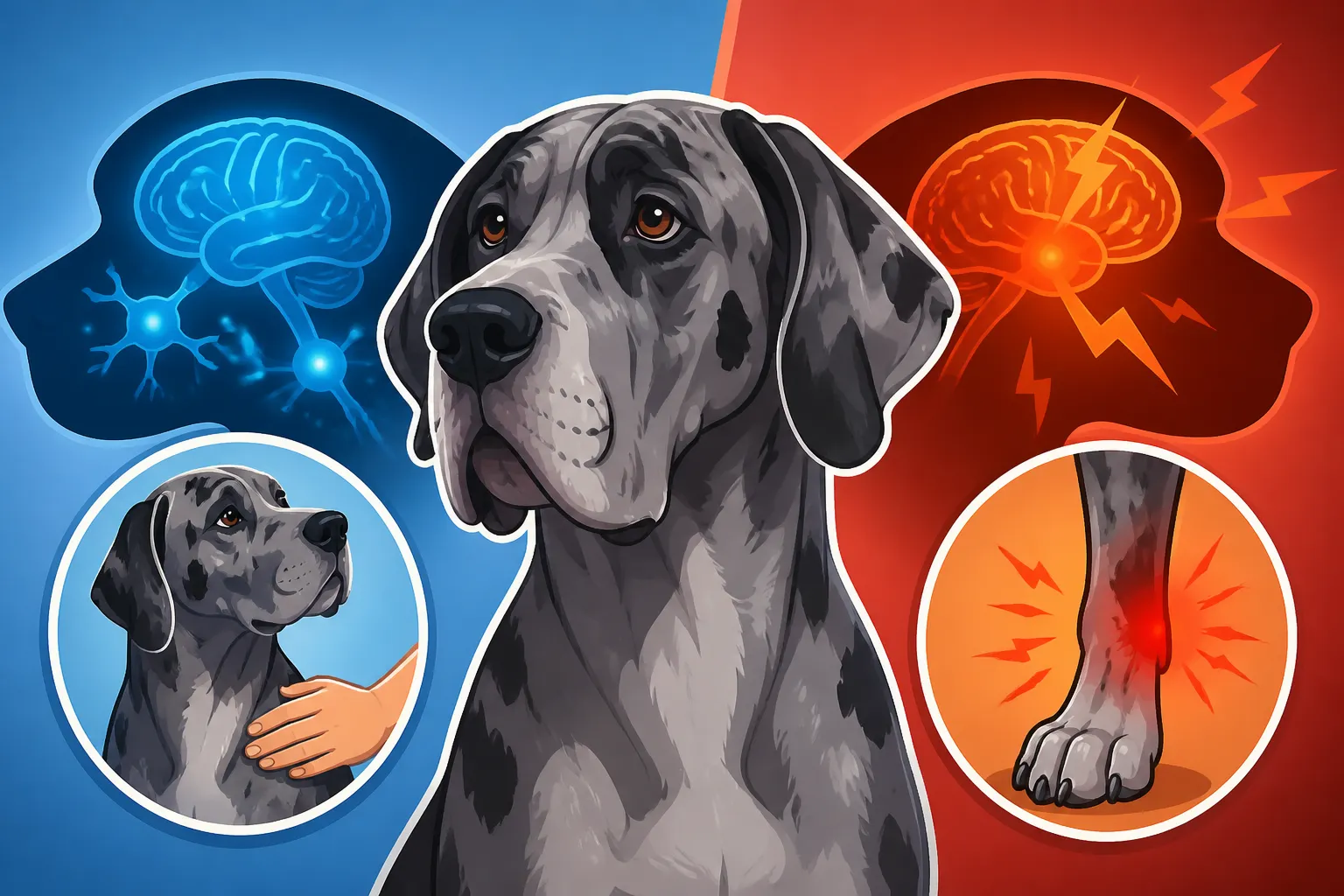
At its core, pain is a complex protective mechanism designed to alert an animal to potential or actual tissue damage. When your Great Dane steps on something sharp, or twists a leg awkwardly, specialized nerve endings called nociceptors send signals up their spinal cord to their brain. Their brain then processes these signals as pain, triggering a response – whether it's a yelp, a limp, or a refusal to put weight on the affected limb.
This neurological pathway is the same for a tiny Yorkshire Terrier as it is for a giant Great Dane. There's no scientific evidence to suggest that a Great Dane's pain receptors are somehow less sensitive or that their brains interpret pain signals with less intensity. The myth that larger dogs are "tougher" often stems from their sheer physical presence and sometimes, their breeding history for tasks that required endurance. However, this endurance doesn't translate to feeling less pain. They feel it just as acutely as any other dog. This understanding is vital because it means we cannot underestimate the discomfort our Great Danes might be experiencing simply because of their size.
Behavioral Indicators of Pain vs. Stoicism
Here's where the "gentle giant" personality of a Great Dane can really complicate things. Great Danes are often described as stoic. They're bred to be calm, devoted companions, and sometimes, this extends to their ability to hide discomfort. Unlike a yappy small dog who might vocalize every minor ache, a Great Dane might silently endure significant pain, making it challenging for their owners to recognize a problem until it's quite advanced.
Subtle changes in behavior are often the only clues. Instead of a dramatic limp, you might notice a slight hesitation when getting up, a slower gait, or a reluctance to jump into the car or climb stairs. They might become less enthusiastic about their favorite walk, or seem a bit more withdrawn and less playful. A dog in pain might also change their eating habits, either refusing food or eating more slowly. They might pace restlessly at night, struggle to find a comfortable sleeping position, or even start licking a particular area excessively. Watch for changes in posture; a Great Dane trying to alleviate abdominal pain from something like Bloat in a Great Dane and the One in Three Odds might stand with an arched back or refuse to lie down. Any deviation from your Dane's normal routine or personality warrants a closer look and, often, a visit to the vet.
Common Pain Conditions in Great Danes and Their Management
Great Danes, unfortunately, are predisposed to several significant health conditions that can cause considerable pain throughout their lives. Being aware of these and understanding their potential for discomfort is key to providing the best care.
Orthopedic Issues and Chronic Pain
Given their rapid growth and imposing size, orthopedic problems are almost a rite of passage for many Great Danes. Conditions like hip and elbow dysplasia are unfortunately common, leading to chronic, debilitating pain. Great Dane Hips, Elbows and Growing Joints are under immense strain, and poor joint formation can result in constant inflammation and discomfort. Dogs with these conditions might develop arthritis, a progressive and painful degeneration of the joints, even at a relatively young age.
Another concerning issue for Great Danes is Wobbler Syndrome, a neurological condition affecting the neck and spinal cord. The First Wobbler Signs in a Great Dane can be subtle, starting with a wobbly gait, particularly in the hind limbs, and progressing to severe pain and difficulty walking. The compression of the spinal cord causes intense discomfort.
Chronic pain, regardless of its origin, is insidious. It wears a dog down, affecting their mood, energy levels, and overall quality of life. What makes it even harder to detect in Great Danes is their aforementioned stoicism. They might not cry out, but the constant ache is always there. Owners might simply attribute their dog's slower pace or grumpiness to "old age" when, in fact, it's a treatable pain issue. Early diagnosis, comprehensive pain management plans involving medication, physical therapy, and appropriate activity modification, are essential to maintaining their comfort.
Acute Pain and Emergency Situations
While chronic pain is a long-term battle, Great Danes are also susceptible to acute, sudden, and excruciating pain in emergency situations. Two of the most terrifying examples are Gastric Dilatation-Volvulus (GDV), commonly known as bloat, and osteosarcoma (bone cancer).
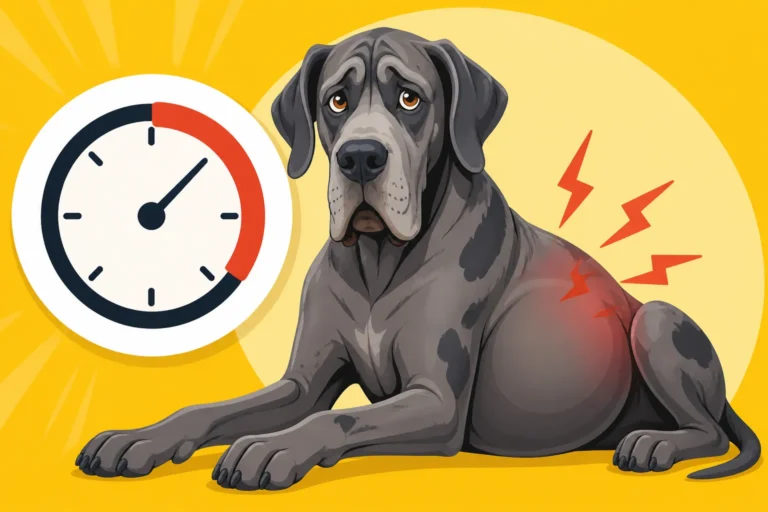
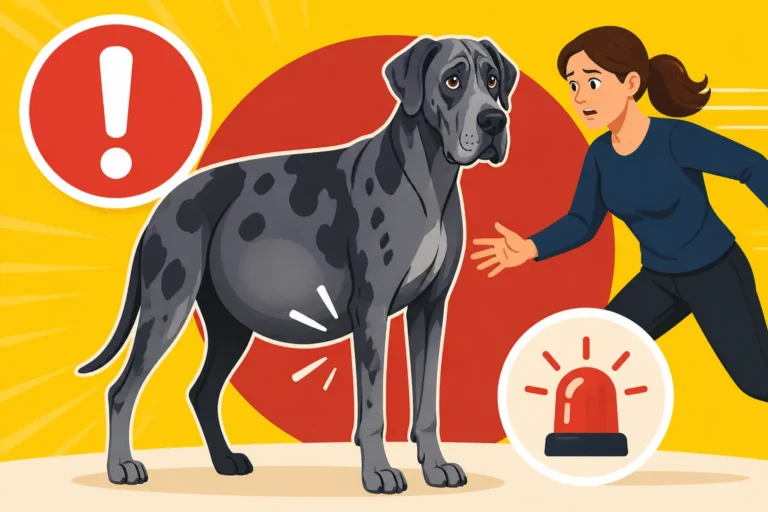
Bloat is a life-threatening condition where the stomach fills with gas and can twist, cutting off blood supply. This causes immediate and agonizing pain. A Great Dane experiencing bloat will typically show signs of extreme distress: pacing, restlessness, attempting to vomit but producing nothing, excessive drooling, and a rapidly expanding abdomen. This is an emergency that requires immediate veterinary intervention, and the pain is severe and unmistakable once recognized. You only have How Many Minutes a Bloating Great Dane Has before it becomes critical.
Bone cancer, or osteosarcoma, is another devastating condition frequently seen in Great Danes. Bone Cancer in a Great Dane often presents as a sudden lameness or swelling in a limb, and the pain associated with it can be intense and relentless. The tumor literally eats away at the bone, causing extreme tenderness and even spontaneous fractures. This acute, severe pain significantly impacts the dog's mobility and quality of life. Managing this pain effectively is a huge component of care, and understanding options for Pain Relief for a Great Dane With Bone Cancer is crucial for their comfort.
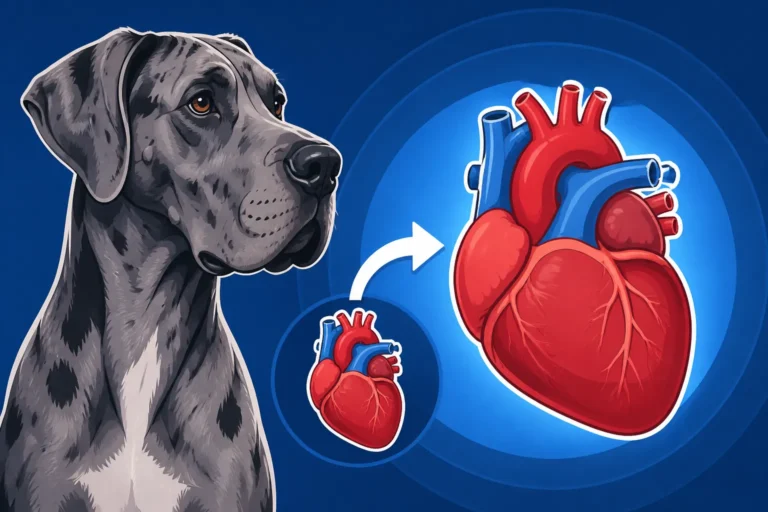
Another serious condition is The Heart Muscle Disease Great Danes Are Prone To, Dilated Cardiomyopathy (DCM). While not always acutely painful, as the disease progresses, heart failure can lead to fluid build-up in the lungs and abdomen, causing discomfort, difficulty breathing, and a generalized feeling of malaise that is deeply distressing.
Advocating for Your Great Dane's Comfort
As a Great Dane owner, you are their primary advocate. Recognizing pain, understanding their specific vulnerabilities, and working closely with your veterinary team are the cornerstones of ensuring they live a life as free from discomfort as possible.
Proactive Pain Management and Preventative Care
The best offense is a good defense, especially when it comes to managing potential pain in your Great Dane. Proactive care starts from puppyhood. Feeding a large breed puppy food designed for slow growth, limiting strenuous exercise during their formative months, and ensuring they maintain a lean body condition can significantly reduce stress on developing joints. Regular veterinary check-ups are non-negotiable, allowing your vet to monitor their health, assess their gait, and catch subtle signs of discomfort early.
Consider joint supplements containing glucosamine, chondroitin, and MSM, often recommended for giant breeds, though always consult your vet for appropriate dosing and efficacy. Providing comfortable, supportive bedding is also incredibly important. Orthopedic Beds a Great Dane Needs are not a luxury but a necessity to cushion their heavy joints and prevent pressure sores and calluses, especially as they age.
Crucially, consider pet insurance as a vital part of your preventative strategy. Companies like Healthy Paws offer comprehensive coverage that can literally be a lifesaver when unexpected illnesses or accidents strike. The costs associated with diagnosing and treating many of the painful conditions Great Danes face – from emergency bloat surgery to ongoing arthritis management or cancer treatment – can be astronomical. Having a plan like Healthy Paws can alleviate financial stress, allowing you to make treatment decisions based on what's best for your dog, not just your wallet. This is why Whether Pet Insurance Is Essential for a Great Dane is a resounding "yes" for many giant breed owners.
Working with Your Veterinarian for Pain Assessment
Your veterinarian is your most important partner in managing your Great Dane's health and comfort. Because Great Danes can be stoic, clear communication with your vet is absolutely critical. Don't dismiss any subtle changes you observe, no matter how small. Your observations are invaluable.
When you bring your Dane in, be prepared to describe specific behaviors:
- "He used to jump onto the sofa, but now he just stares at it and whines."
- "His morning walks used to be brisk; now he lags behind and limps after a block."
- "She's usually playful with the kids, but lately she just retreats to her bed."
- "He's been licking his left elbow constantly, even though there's no visible wound."
Your vet can use pain scales, conduct thorough physical exams, and may recommend diagnostic imaging like X-rays, MRI, or CT scans to pinpoint the source of pain. They can also formulate a multi-modal pain management plan, which might involve a combination of anti-inflammatory medications, nerve pain medications, joint injections, therapeutic laser treatments, or even acupuncture. Don't hesitate to ask questions and discuss all available options to ensure your Great Dane receives the most effective and compassionate pain relief possible, particularly as you start Caring for a Great Dane Past Six years of age.
Here's a quick reference table for common pain indicators to watch for:
| Type of Pain | Behavioral Indicators | Physical Indicators |
|---|---|---|
| General/Subtle | Reluctance to move, slower gait, lethargy, decreased appetite, withdrawn, excessive licking/grooming, pacing, restless sleep, changes in posture (e.g., arched back) | Muscle tension, shivering, panting (when not hot/exercising), increased heart rate, dilated pupils, sensitivity to touch in specific areas |
| Acute/Sudden | Yelping, growling when touched, sudden lameness/non-weight bearing, guarding an area, aggression (unusual for the dog), difficulty breathing, visible swelling, repeated attempts to vomit without production | Visible injury, swelling, heat in a specific area, rapid breathing, pale gums, fever, distended abdomen (bloat) |
| Chronic/Long-term | Gradual decrease in activity, difficulty with stairs/jumping, decreased enthusiasm for walks/play, irritability, changes in sleeping position, subtle limping, muscle atrophy, reluctance to be handled in certain areas | Stiffness (especially after rest), grinding or clicking sounds from joints, visible limping, changes in coat quality, pressure sores |
In conclusion, Great Danes feel pain just like any other dog. Their ability to hide it due to their stoic nature, combined with their predisposition to certain painful conditions, means that as owners, we have an even greater responsibility to be vigilant, proactive, and compassionate advocates for their comfort and well-being. Keeping an eye on those subtle changes and partnering with a trusted veterinarian, supported by resources like Healthy Paws, will make all the difference in helping your beloved giant live a full, happy, and as pain-free life as possible. After all, their lifespan of Why a Great Dane Only Lives Seven to Ten Years is already tragically short; every comfortable day counts.
Disclaimer
The information provided in this article is for general informational purposes only and is not intended as a substitute for professional veterinary advice. Always seek the advice of your veterinarian or other qualified animal health provider with any questions you may have regarding a medical condition or the health and welfare of your pet. Never disregard professional veterinary advice or delay in seeking it because of something you have read in this article.