Happy Tail Injuries in a Great Dane
There’s nothing quite like the boundless joy of a Great Dane, especially when that happiness manifests in a full-body, house-shaking tail wag. It’s an infectious sight that warms your heart, but for us Great Dane owners, it often comes with a secret dread: the dreaded "happy tail" injury. This isn't just a minor scrape; it's a painful, messy, and frustrating ordeal that can turn a beautiful, expressive tail into a mangled wound. This guide will delve deep into understanding happy tail, why our gentle giants are so prone, how to identify the signs, and crucially, what steps you can take for effective treatment and prevention.
Understanding the Great Dane Happy Tail Phenomenon
The sheer power and enthusiasm behind a Great Dane's tail wag are truly something to behold. They don't just wag their tails; they use their entire hindquarters, creating a powerful, sweeping motion that can clear a coffee table in seconds. But this magnificent display of affection, unfortunately, comes with a significant downside for their tails.
What Exactly is a "Happy Tail" Injury?
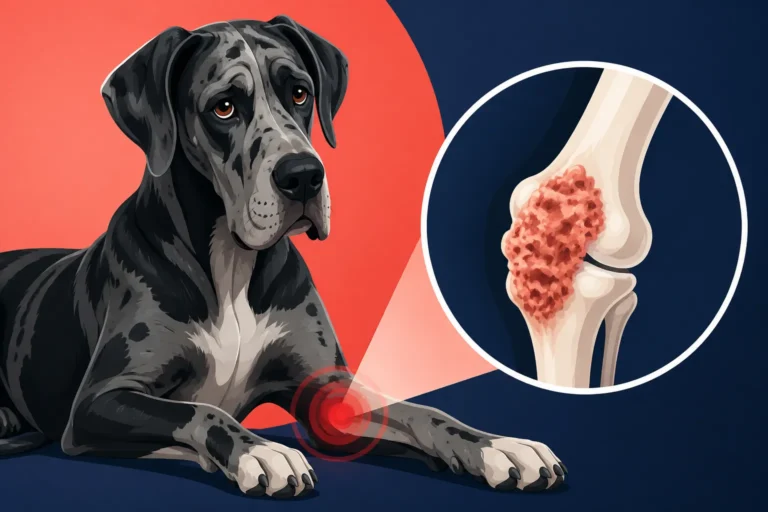
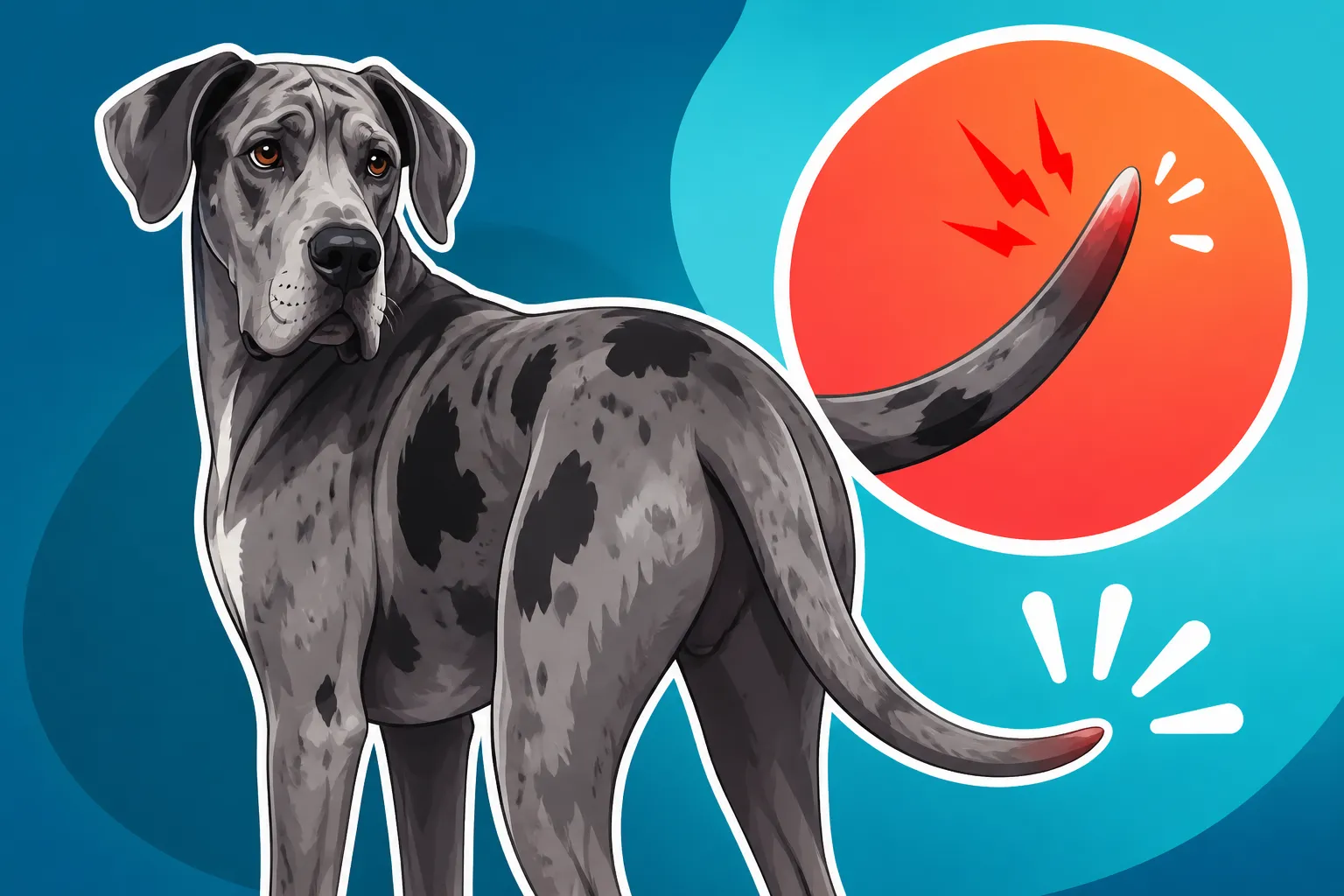
"Happy tail" is the rather misleadingly cheerful term for a traumatic injury to a dog's tail, usually at the tip or along the underside. It's not just a superficial scratch, but often a deep laceration that results from the tail repeatedly striking hard surfaces. Think of it: a Great Dane’s tail is essentially a thick, muscular rod, tipped with bone and covered in relatively thin skin. When that powerful club connects repeatedly with a door frame, a wall corner, furniture, or even the bars of a crate, the delicate skin and underlying tissue don't stand a chance.
The mechanics are simple but brutal: the impact causes the skin to break open. Because the tail is constantly moving, even with a minor injury, the wound struggles to heal. Every wag reopens the wound, rips out sutures, and can even tear away newly formed scabs. This makes it incredibly difficult for the body to repair itself, leading to a persistent, often bleeding, and incredibly frustrating wound that just won’t close. It can range from a small, raw spot to a completely de-gloved area where bone and tendon are exposed. It’s messy, painful for your dog, and can be quite alarming for you to deal with.
Why Great Danes are Especially Prone
Great Danes aren’t just big dogs; they have tails that are proportionate to their massive size – long, strong, and incredibly thick at the base, tapering to a surprisingly vulnerable tip. Their sheer height means their tail often hits surfaces at just the wrong angle. Combine this physical characteristic with their well-known exuberance and "gentle giant" personality, and you have a recipe for happy tail disaster.
Imagine your Dane greeting you after a long day. That tail isn't just wagging; it's practically vibrating, thumping a rhythmic drumbeat against anything within a five-foot radius. Their tails are like enthusiastic wrecking balls, and their happy, affectionate nature means they spend a lot of time wagging them, especially in confined spaces. Unlike some breeds with shorter or curlier tails, a Great Dane's tail is a long, powerful appendage, designed for balance and communication, not for enduring constant impact. Small hallways, kitchen corners, metal crate bars, or even the side of a dog bed can become an adversary. The very thing that makes them so endearing – their unbridled joy – can lead to these painful injuries. It's a cruel irony of owning such an affectionate, large breed.
Recognizing the Signs and Immediate Steps
Spotting a happy tail injury early can save a lot of heartache and a potentially expensive trip to the emergency vet. As Great Dane owners, we become acutely aware of our dogs' sounds and movements, and a happy tail injury often announces itself.
Early Warning Signs of Trouble
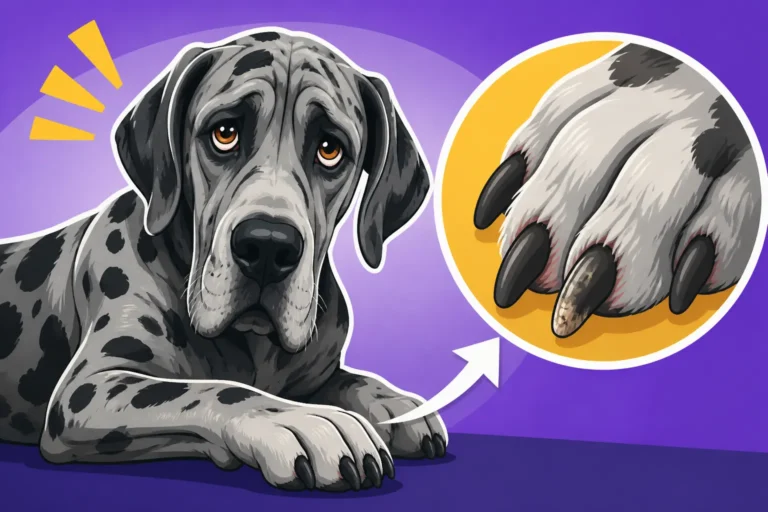
The first indication you might have a problem isn’t always blood, surprisingly enough. Often, it's the sound. You might start hearing a distinct, louder-than-usual thump-thump-thump as your Dane's tail connects with walls or furniture. That sound often precedes visible injury. Keep an eye out for tell-tale signs like small flecks of blood on walls or furniture, particularly at dog-tail height. You might also notice a thin, red streak on their tail fur, or a small area of matted fur where dried blood has clumped.
Sometimes, your dog might give you more direct clues. They might start licking or chewing at their tail tip excessively. If you notice a change in their tail wag – perhaps they're holding it a bit lower, or seem reluctant to wag with their usual gusto – it’s a huge red flag. Even with their high pain tolerance, a persistent injury can make them wary of their own tail. Always check their tail tip after a particularly enthusiastic greeting or a long play session, especially if they’ve been in new surroundings. If you're observing them from a distance, sometimes you'll see a spot of blood on the floor where they've been standing and wagging.
What to Do in the First Moments
The absolute first step is to stop the wagging. This is easier said than done with a happy Dane, but it's crucial to prevent further trauma. Gently guide your Great Dane to a calm, quiet area where they can't easily knock their tail against anything. A large, open space without hard corners or objects is ideal. You might need to use a leash or crate them briefly to restrict movement. For instance, putting them in their Crates and Gates Sized for a Great Dane might be beneficial, but ensure the crate doesn't have sharp edges they can hit.
Once contained, carefully examine the tail. If there's visible blood or an open wound, the priority is gentle cleaning. Use warm water and a mild antiseptic solution, like diluted povidone-iodine (Betadine) or chlorhexidine, to clean the area. Avoid harsh soaps or alcohol, which can cause more irritation. After cleaning, apply a thin layer of an antibiotic ointment, if you have one, and then try to apply a temporary bandage. This can be tricky with a tail, but using self-adhering veterinary wrap (like VetWrap) over a non-stick gauze pad is often effective. Make sure the bandage isn't too tight, as this can cut off circulation. Leave a small gap at the very tip of the tail to allow for blood flow, and monitor for swelling or coldness.
Any visible blood, a deep wound, or any sign of bone exposure warrants an immediate call to your veterinarian. Do not delay, as these injuries can become infected quickly and are notoriously difficult to heal. Even if it seems minor, getting professional advice is always the safest bet.
Veterinary Treatment and Long-Term Management
Once you’ve taken those crucial first steps, your vet will be your primary partner in getting your Great Dane’s tail back to health. Happy tail is a common issue, and vets have seen it all when it comes to these persistent injuries.
Diagnosing and Treating Happy Tail
When you get to the vet, they will thoroughly examine the tail, often cleaning it more effectively than you can at home and assessing the full extent of the damage. They'll look for signs of infection, determine how deep the wound is, and check for any underlying bone damage. Sometimes, X-rays might be recommended to rule out fractures or bone infections.
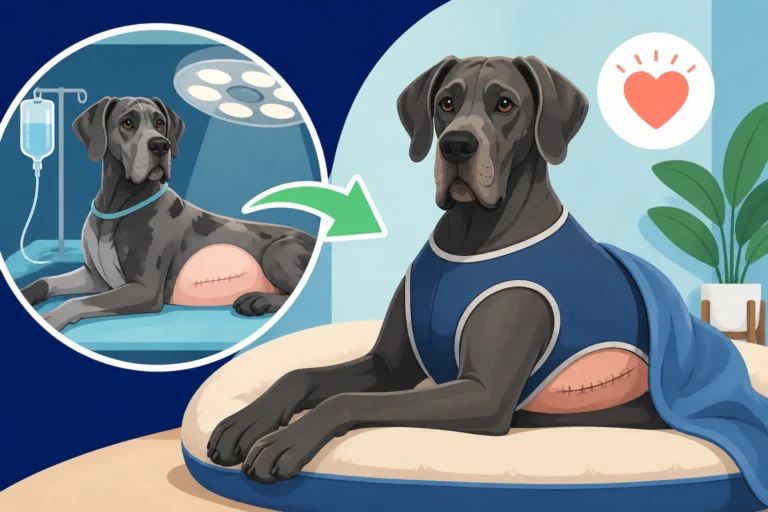
The core of treatment typically involves meticulous cleaning, debridement (removing any dead or damaged tissue), and careful bandaging. This isn't just a quick wrap; it's a multi-layered process designed to protect the wound, absorb discharge, and promote healing. Vets often use specialized padding and rigid splints within the bandage to provide stability and prevent further trauma. These bandages usually need to be changed every few days, which often means repeat vet visits, especially if your Dane is particularly resistant. Your vet will almost certainly prescribe pain medication, as these injuries are quite painful, and antibiotics to prevent or treat infection.
In severe, chronic cases where the wound simply won't heal despite diligent care, or if there's significant bone damage or necrosis, tail amputation might be considered. While this sounds drastic, it can be the kindest option for a dog suffering from a painful, open wound that constantly re-injures itself. It allows the dog to live pain-free and avoids ongoing medical interventions. Discussing all options with your vet is key; sometimes, a difficult choice leads to a better quality of life.
Preventing Recurrence and Providing Comfort
The best treatment, of course, is prevention. Once your Great Dane has experienced happy tail, you'll want to do everything you can to prevent a recurrence. Environmental modifications are crucial. Look around your home from your Great Dane's perspective. Are there sharp corners, narrow hallways, or heavy furniture items that their tail frequently strikes? Consider padding corners with foam bumpers, rearranging furniture to create wider pathways, or even using baby gates to restrict access to problematic areas. This is where investing in Crates and Gates Sized for a Great Dane that offer ample space and smooth surfaces can really pay off.
For dogs prone to happy tail, protective wraps or sleeves specifically designed for tails can be helpful, especially during periods of high excitement or if they’re still healing. These are often made from durable, flexible materials that can absorb impact. It's also worth considering specific dog beds. An Orthopedic Beds a Great Dane Needs can keep them comfortable, but make sure the design doesn't create edges their tail can hit when they shift or wag in their sleep.
Behavioral training can also play a role. Teaching a "calm" or "settle" command can help your Dane learn to moderate their enthusiasm in certain situations, reducing frantic tail wagging. This is a big part of The Manners a Great Dane Needs Before It Grows. While you never want to suppress their natural joy, teaching them impulse control can be beneficial for their overall well-being and, in this case, tail health. Remember, a happy tail isn't a sign of a badly behaved dog, but rather a breed-specific vulnerability that requires thoughtful management.
Living with a Recovering Great Dane and Financial Considerations
Dealing with a happy tail injury isn't a one-and-done vet visit. It's often a marathon of care, patience, and financial investment. Understanding this reality upfront can help you better prepare for the journey ahead.
The Road to Healing
Healing a happy tail can be a long, drawn-out process that tests your patience. You’ll be changing bandages, cleaning wounds, and constantly monitoring for signs of infection or re-injury. It’s incredibly frustrating when you think you’ve made progress, only for a moment of joyous tail wagging to undo days of healing. Your vet might suggest using an Elizabethan collar (the "cone of shame") to prevent your Dane from licking or chewing at the wound or bandage, which can add another layer of challenge to their daily life.
You might need to adjust your dog's routine to minimize opportunities for re-injury. This could mean more leashed walks in open areas rather than off-leash play in a confined yard, or simply ensuring calmer greetings for a while. Even something as simple as getting your Great Dane to settle on a softer surface, like a thick rug, instead of hard tile or wood, can help prevent impacts. It’s all about creating an environment where the tail has the best possible chance to heal undisturbed. Patience, diligence, and a lot of understanding for your perpetually happy, but sometimes clumsy, Great Dane are your best tools.
Financial Realities and Pet Insurance
Let's be blunt: Great Danes are expensive dogs to own, and vet bills are a significant part of that equation. A happy tail injury, especially one that requires multiple vet visits for bandaging, medication, and potential sedation, can quickly rack up costs. If surgery, like a partial tail amputation, becomes necessary, you're looking at a substantial bill. This is why having a financial plan or, better yet, a robust pet insurance policy, is absolutely critical for Great Dane owners.
Consider the potential costs:
| Service/Treatment | Estimated Cost Range (USD) | Notes |
|---|---|---|
| Initial Vet Exam | $50 – $150 | Plus any diagnostics like X-rays. |
| Wound Cleaning & Bandaging | $100 – $300 per visit | Often requires multiple visits over weeks. |
| Pain Medication | $30 – $80 per prescription | Depending on duration and type. |
| Antibiotics | $20 – $70 per prescription | Essential to prevent or treat infection. |
| Elizabethan Collar | $15 – $50 | Crucial for preventing licking/chewing. |
| Sedation for Bandage Changes | $50 – $150 per instance | If your Dane is uncooperative or in severe pain. |
| Partial Tail Amputation | $800 – $2,500+ | Includes anesthesia, surgery, post-op care, and medications. |
These costs can add up alarmingly fast. This is where a good pet insurance plan like Healthy Paws becomes an absolute lifesaver. They can help cover a significant portion of these unexpected expenses, providing immense relief when you're already stressed about your dog's health. While we often talk about Insuring a Great Dane Against Bloat and Heart Bills because of the severe financial impact of those conditions, routine injuries like happy tail can also become surprisingly costly. Knowing that a policy covers incidents like happy tail means you can focus on your dog's recovery without the added burden of crippling vet bills. It's a proactive step that truly pays off, especially given What a Great Dane Costs Across Eight Years of ownership. Just like knowing The Night a Great Dane Bloats and What It Costs, understanding the potential financial outlay for common injuries helps you prepare.
Disclaimer
The information provided in this article is for general informational purposes only and is not a substitute for professional veterinary advice. Always consult with a qualified veterinarian for any health concerns or before making any decisions related to your Great Dane's health and treatment. Individual results may vary, and the effectiveness of treatments or preventative measures can differ based on your dog's specific condition and circumstances.