Vaccination Reactions in a Great Dane Puppy
Bringing home a Great Dane puppy is an absolute joy, but it also comes with a unique set of worries, not least among them being the vaccination schedule. Watching your giant breed puppy grow is incredible, but the thought of them having a bad reaction to their shots can be genuinely terrifying. This guide will walk you through what to expect with Great Dane puppy vaccinations, how to recognize both mild and serious reactions, and what steps to take to keep your gentle giant safe and healthy.
Understanding the Great Dane Puppy Vaccination Protocol
Vaccinations are a cornerstone of preventative health for any dog, and Great Danes are no exception. They protect against serious, often fatal diseases like canine distemper, parvovirus, and rabies. However, the sheer size and rapid growth rate of a Great Dane puppy can make owners understandably anxious about vaccine protocols and potential side effects.
The Standard Vaccination Schedule for Giant Breeds
Just like any other puppy, Great Danes follow a standard vaccination protocol, typically starting at 6-8 weeks of age and continuing every 3-4 weeks until they are around 16 weeks old. The core vaccines usually include Distemper, Adenovirus (Hepatitis), Parvovirus, and Parainfluenza (often combined into a single DAPP or DHPP shot). Rabies is typically given as a single shot around 12-16 weeks, as mandated by law. Beyond the core vaccines, your vet might recommend non-core vaccines based on your region and your dog's lifestyle, such as Leptospirosis, Lyme disease, or Bordetella (kennel cough).
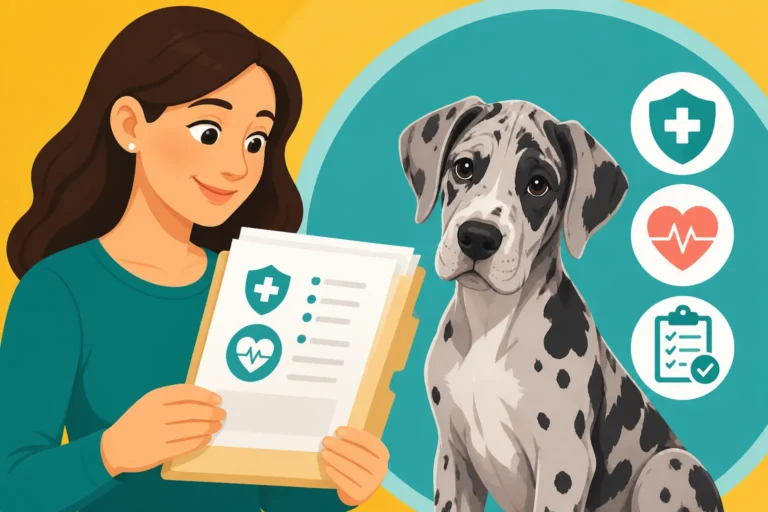
It’s easy to get overwhelmed by the sheer number of shots, especially when you consider that a young Great Dane puppy is still figuring out the world. Remember, each vaccine is designed to build immunity against a specific threat. Discussing the necessity of each vaccine with your veterinarian, and understanding the risks of the diseases they prevent, can help ease your mind. A responsible breeder will have already started this process, and it's vital to review Reading a Great Dane Puppy's Health Papers to know what shots your puppy has already received.
Why a Great Dane's Size Doesn't Mean More Vaccine
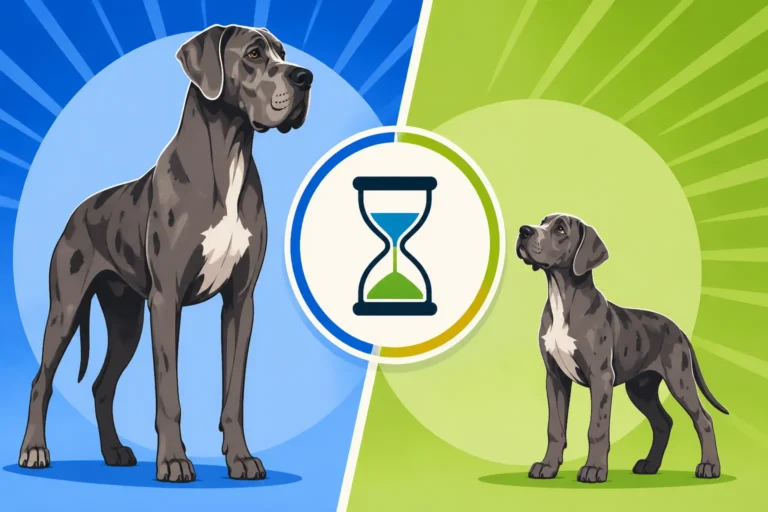
One common misconception that often worries Great Dane owners is whether their massive puppy needs a larger dose of vaccine. Thankfully, the answer is a resounding no! Vaccines are designed to trigger an immune response, and that response isn't directly proportional to the dog's body weight. A Chihuahua receives the same volume of vaccine as a Great Dane. Giving a giant breed puppy more vaccine does not provide more protection and could actually increase the risk of an adverse reaction.
What does matter is ensuring your Great Dane puppy is otherwise healthy and robust before vaccination. This includes paying close attention to Why Great Dane Puppy Food Is Different and making sure they're not growing too fast, which can affect their overall health and immune system. Always share any concerns about your puppy's well-being with your vet before they receive their shots. They might suggest delaying a vaccine if your puppy isn't feeling 100%.
Common and Mild Vaccination Reactions
Even with the best care, some Great Dane puppies will experience mild reactions to vaccinations. It's important to remember that these are often normal signs that your puppy's immune system is doing its job and building protection. Knowing what to look for can help you differentiate between a mild, expected reaction and something more serious.
Localized Soreness and Swelling
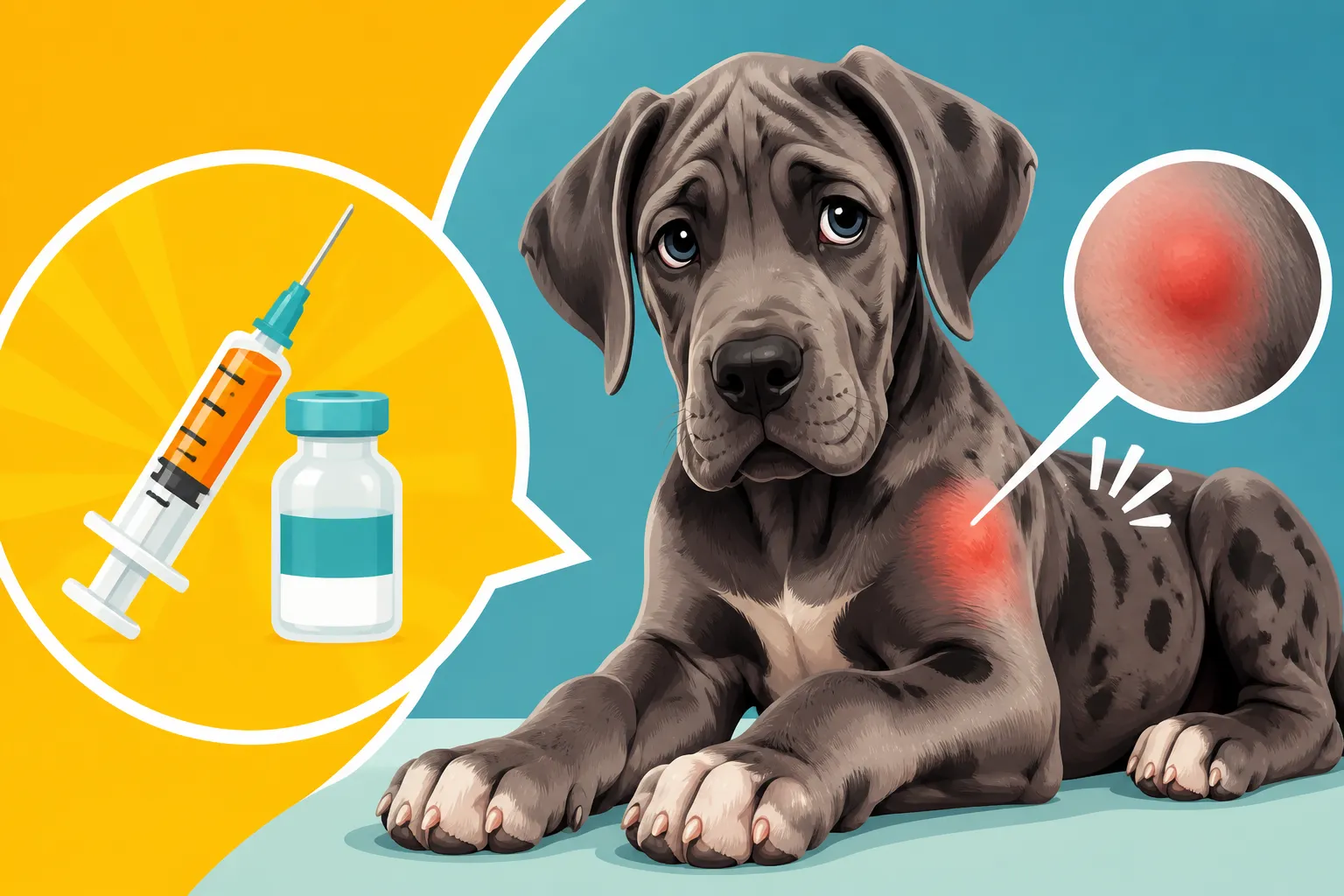
The most common reaction you might see is localized soreness, swelling, or a small lump at the injection site. Think about how your arm feels after a flu shot – achy, maybe a little red. Your Great Dane puppy can feel the same. They might limp slightly if the injection was in a leg, or be reluctant to have you touch the area. This usually appears within a few hours of the vaccine and should resolve on its own within 24-48 hours.
What you're seeing is a mild inflammatory response, which is a normal part of the immune system engaging. You can offer gentle comfort, keep an eye on the area, and ensure it doesn't get bigger or become intensely painful. If the swelling grows significantly, becomes hot to the touch, or persists for more than a couple of days, it's always best to check in with your veterinarian.
Systemic, But Mild, Reactions
Beyond the injection site, some Great Dane puppies might experience a more general, systemic reaction. These can include:
- Lethargy: Your usually boisterous puppy might be a bit more tired than usual, wanting to nap more or less enthusiastic about playtime.
- Low-grade fever: A slight increase in body temperature, which might manifest as a warm nose or ears.
- Decreased appetite: They might skip a meal or two, or not eat with their usual gusto.
- Mild gastrointestinal upset: Soft stool or a single episode of vomiting.
These reactions typically start within hours of vaccination and generally subside within 24 hours. Imagine feeling a little under the weather after your own vaccine – that's often what your puppy is experiencing. Providing a quiet, comfortable space, ensuring access to fresh water, and offering easy-to-digest food (if they're willing to eat) can help. Most importantly, give them space to rest. It's also a good idea to consider The Kit a Great Dane Puppy Needs First to ensure you have comfort items on hand, like soft bedding and maybe a favorite chew toy, to help them relax during recovery.
It's natural to worry when your giant puppy isn't their usual self. While these mild reactions are generally not dangerous, it's always wise to monitor your puppy closely. If any of these symptoms seem severe, persist longer than 24-48 hours, or worsen, contact your vet immediately.
Recognizing More Serious Allergic Reactions
While most vaccination reactions are mild, a small percentage of dogs can experience more severe, potentially life-threatening allergic reactions. Great Danes, due to their size and sometimes more sensitive systems, are not immune to these. Knowing the signs of an emergency is crucial for getting your puppy prompt medical attention.
Anaphylaxis: A Medical Emergency
Anaphylaxis is a severe, acute allergic reaction that occurs very quickly after exposure to an allergen, in this case, a vaccine. It's a true medical emergency that requires immediate veterinary intervention. Symptoms can escalate rapidly and include:
- Facial Swelling: Swelling around the muzzle, eyes (looking puffy), or ears. Your puppy might look like they ran into a beehive.
- Hives (Urticaria): Raised, itchy bumps that can appear anywhere on the body, especially on the torso, head, and neck.
- Difficulty Breathing: Wheezing, coughing, labored breathing, or blue-tinged gums.
- Vomiting and Diarrhea: Often severe and sudden.
- Weakness, Lethargy, Collapse: The puppy might become suddenly weak, unable to stand, or collapse completely.
- Pale Gums: A sign of shock.
If you observe any of these signs, especially facial swelling or difficulty breathing, you need to get your Great Dane puppy to an emergency veterinary clinic immediately. This is not a "wait and see" situation. Just like with How Many Minutes a Bloating Great Dane Has, time is of the essence. Call the vet on your way to give them a heads-up so they can prepare for your arrival. Pet insurance, like policies from Healthy Paws, can be incredibly helpful in covering the often-expensive emergency care needed for such a critical event, offering peace of mind when every second counts.
Other Potentially Serious Reactions
Beyond full-blown anaphylaxis, other reactions, while perhaps not immediately life-threatening, warrant immediate veterinary attention. These might include:
- Prolonged or Severe Vomiting/Diarrhea: More than a couple of episodes or lasting longer than 24 hours. Dehydration in a large breed puppy can become serious quickly.
- Severe Pain: Crying out, yelping, or intense guarding of the injection site that doesn't subside.
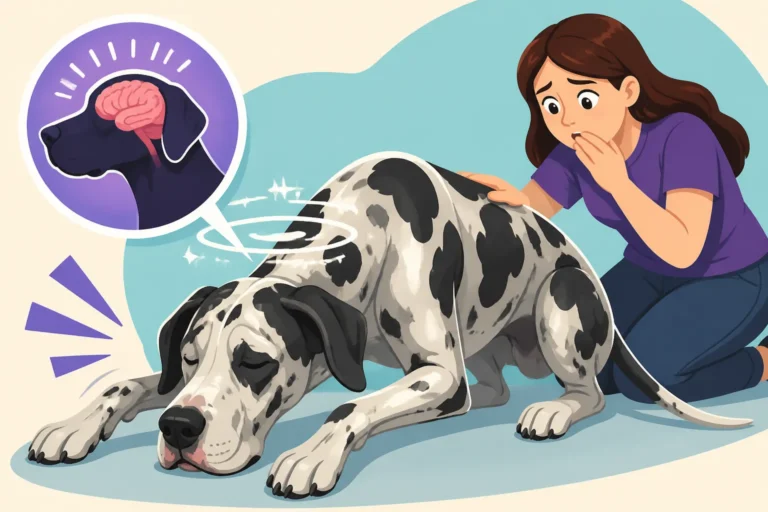
- Neurological Signs: Seizures, tremors, disorientation, or unusual behavioral changes. While rare, these can be very serious.
- Persistent High Fever: A fever that remains high or increases despite comfort measures.
It's vital to trust your gut. You know your Great Dane puppy best. If something feels truly "off" or beyond a mild, expected reaction, err on the side of caution and contact your vet. Having a plan in place for emergencies, including knowing the location of the nearest 24-hour veterinary hospital, is part of being a responsible Great Dane owner. Financial preparedness is also key; knowing that a provider like Healthy Paws can help with unexpected vet bills can reduce the stress during a crisis.
What to Do If Your Great Dane Puppy Has a Reaction
Experiencing a vaccine reaction can be scary, especially with such a large and beloved puppy. Your response depends on the severity of the symptoms.
Immediate Steps for Mild Reactions
For the mild symptoms discussed earlier (slight lethargy, localized soreness, a skipped meal):
- Observe Closely: Keep a keen eye on your puppy for the next 24-48 hours. Note any changes in behavior, appetite, or the injection site.
- Provide Comfort: Ensure a quiet, warm, comfortable resting spot. Offer fresh water frequently.
- Encourage Rest: Avoid strenuous play or long walks. Allow your puppy to sleep as much as they need. Remember that Exercise Limits While a Great Dane Is Still Growing are already in place, and this is another reason to prioritize rest.
- Gentle Touch: You can apply a cool compress to a very swollen injection site if your puppy tolerates it, but don't force it.
- Contact Your Vet for Guidance: If you're at all unsure, or if symptoms persist beyond 24-48 hours, a quick call to your vet for advice is always recommended. They might suggest a follow-up or provide specific instructions.
Emergency Protocol for Severe Reactions
If your Great Dane puppy is showing signs of a severe allergic reaction, such as facial swelling, hives, difficulty breathing, collapse, or prolonged vomiting/diarrhea:
- Remain Calm (as best you can): Panicking won't help your puppy. Take a deep breath.
- Call Your Emergency Vet Immediately: Explain your puppy's symptoms clearly and tell them you are on your way. This allows them to prepare for your arrival.
- Transport Safely: Carefully and quickly get your puppy into your vehicle. If they are struggling to breathe, try to keep their head and neck extended.
- Drive Directly to the Vet: Do not stop for anything else. Every minute counts in these situations.
Emergency veterinary care for a giant breed can be very costly, ranging into thousands of dollars depending on the severity and necessary treatments, which might include oxygen, IV fluids, antihistamines, and corticosteroids. Having robust pet insurance from a company like Healthy Paws can significantly reduce the financial burden during such a stressful time, allowing you to focus purely on your puppy's recovery. This is why many owners advocate for Enrolling a Great Dane Before Anything Happens, as waiting until after a reaction means it might be considered a pre-existing condition and not covered.
Discussing Future Vaccinations and Alternatives
Once your Great Dane puppy has recovered from a reaction, it's crucial to have a detailed discussion with your veterinarian about future vaccinations. Your vet might recommend several strategies:
- Pre-medication: Giving antihistamines (like diphenhydramine) or corticosteroids before vaccination to reduce the risk of a reaction.
- Splitting Vaccines: Administering individual vaccines separately over several days or weeks instead of combining them into one visit. This helps pinpoint which vaccine might be causing the reaction and reduces the overall immune system load at one time.
- Titers: These are blood tests that measure the level of antibodies in your dog's system, indicating if they still have immunity to a specific disease. If the titer is high enough, your vet might recommend delaying or skipping a booster, especially for distemper and parvovirus.
- Changing Vaccine Type: In some cases, a different brand or type of vaccine might be considered, though this is less common for core vaccines.
This individualized approach is essential for Great Danes, as their overall health and lifespan considerations are unique. You'll want to partner closely with your vet, especially given the various health concerns that can affect giant breeds, from Great Dane Hips, Elbows and Growing Joints to potential cardiac issues like The Heart Muscle Disease Great Danes Are Prone To. Every decision regarding their health needs careful consideration.
Here’s a helpful table summarizing common vaccine reactions, their symptoms, and appropriate responses:
| Reaction Type | Symptoms | Severity | What to Do |
|---|---|---|---|
| Localized Reaction | Soreness, swelling, small lump at injection site | Mild | Monitor for 24-48 hours. Offer comfort. Contact vet if swelling increases significantly, is hot, or persists beyond 48 hours. |
| Mild Systemic | Lethargy, low-grade fever, decreased appetite, mild GI upset (soft stool, single vomit) | Mild | Provide quiet rest, fresh water, light food if eating. Monitor closely. Contact vet if symptoms worsen or last more than 24-48 hours. |
| Moderate Allergic | Hives (urticaria), mild facial swelling (puffy eyes/muzzle), itching | Moderate | Contact vet immediately for advice. They may recommend an antihistamine. Monitor for escalation of symptoms. Healthy Paws can help with these vet visits. |
| Severe Allergic (Anaphylaxis) | Rapid facial/muzzle swelling, severe hives, difficulty breathing (wheezing, gasping), profuse vomiting/diarrhea, collapse, pale gums, seizures | Severe | EMERGENCY! Get to the nearest emergency vet immediately. Call ahead. This is life-threatening. |
| Other Serious | Persistent high fever, severe pain, neurological signs (tremors, disorientation) | Severe | EMERGENCY! Contact your vet or emergency vet immediately. These require professional diagnosis and treatment. |
Remember, your Great Dane puppy's health and well-being are paramount. While vaccinations are crucial for preventing serious diseases, it's also important to be prepared for potential reactions and work closely with your veterinarian to tailor the best possible health plan for your beloved giant. This proactive approach is part of ensuring they live a long, happy, and healthy life.
Disclaimer
This article is intended for informational purposes only and does not constitute medical advice. Always consult with a qualified veterinarian regarding your Great Dane's health and any medical concerns. Only a veterinarian can properly diagnose and recommend treatment for your pet.