Bone Cancer in a Great Dane
Discovering that your beloved Great Dane might have bone cancer is an utterly heartbreaking and terrifying experience for any owner. The sheer size and rapid growth of these gentle giants, coupled with their unfortunately shorter lifespans, make them tragically susceptible to aggressive diseases like osteosarcoma. This comprehensive guide is here to walk you through everything you need to know about bone cancer in Great Danes, from understanding the disease and recognizing early signs to navigating diagnostic steps, treatment options, and ultimately, providing the best possible care for your cherished companion.
Understanding Osteosarcoma in Great Danes
Bone cancer, or osteosarcoma, is a truly cruel diagnosis, especially when it strikes a breed as magnificent as the Great Dane. It’s an aggressive and often rapidly progressing disease that can turn your world upside down in an instant. Understanding what you’re up against is the first step in facing this challenge head-on.
What Exactly is Osteosarcoma?
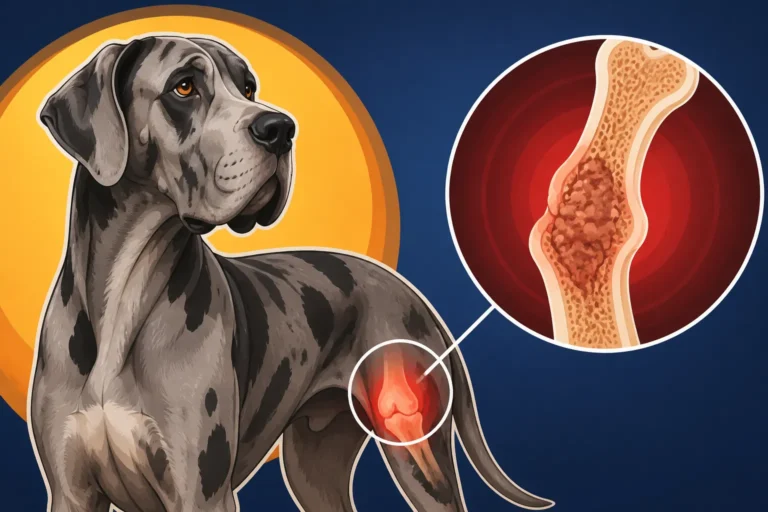
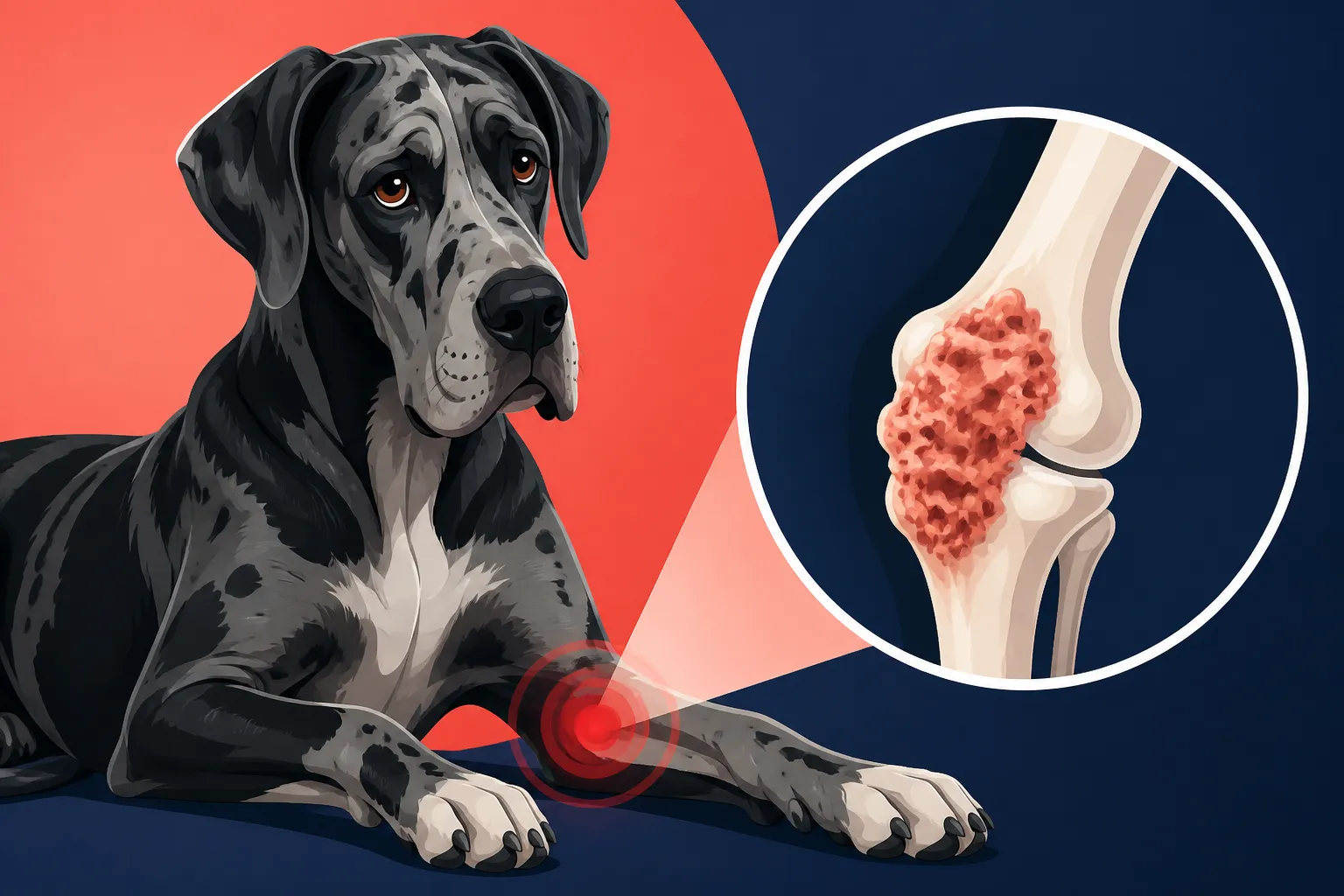
Osteosarcoma is the most common primary bone tumor found in dogs, accounting for over 85% of all canine bone cancers. Essentially, it's a malignant tumor of the bone-forming cells. What makes it so devastating is its highly aggressive nature – it doesn't just stay put in one spot. These tumors rapidly destroy healthy bone tissue, causing immense pain, and they have an alarming tendency to spread, or metastasize, to other parts of the body, most commonly the lungs, even before the primary tumor is fully diagnosed.
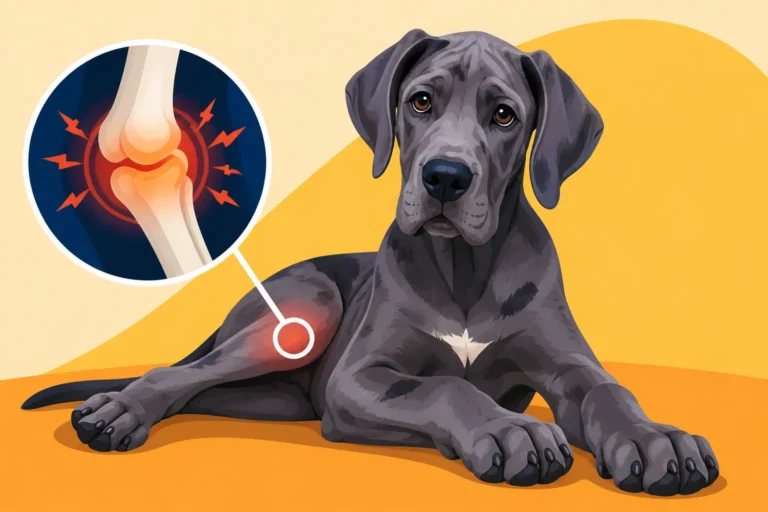
While any bone can be affected, osteosarcoma in Great Danes most frequently targets the long bones of the limbs. Think about the bones just above the knee (distal femur), below the knee (proximal tibia), above the elbow (proximal humerus), or below the elbow (distal radius and ulna). These locations are sometimes humorously, but grimly, referred to as "away from the elbow and towards the knee," indicating the typical sites where these tumors tend to develop in large and giant breeds. The cells essentially go haywire, growing uncontrollably and forming a destructive mass within the bone structure, which compromises its integrity and leads to excruciating discomfort.
Why Great Danes Are Particularly Susceptible
It feels so unfair, doesn't it? To have a dog whose very size and majesty seem to be a factor in their susceptibility to such a terrible disease. Unfortunately, Great Danes, along with other large and giant breeds like Irish Wolfhounds, Rottweilers, and Saint Bernards, have a significantly higher risk of developing osteosarcoma compared to smaller dogs. The exact reasons aren't fully understood, but veterinarians and researchers have several theories that point to the breed's unique physiology.
One leading theory ties the predisposition to their rapid growth rate and immense size. Great Danes grow incredibly quickly, putting significant stress and demand on their developing skeletal systems. This accelerated cell division and bone formation during their puppyhood and adolescence might create more opportunities for abnormal cells to develop and lead to cancerous mutations. It's a cruel irony that the very thing that makes them so imposing and magnificent – their towering stature – could also contribute to this vulnerability. This is also why responsible breeders prioritize why a Great Dane puppy should be kept lean, trying to manage growth to reduce stress on developing joints and bones.
Genetic factors also play a crucial role. There's a strong belief that certain genetic markers or inherited predispositions make some Great Dane lines more prone to developing osteosarcoma. This isn't necessarily a specific gene identified yet, but rather a complex interplay of genetic influences that collectively increase risk. This is a painful truth, as it means even with the best care, some dogs are simply dealt a difficult hand.
The Typical Age of Onset
One of the hardest parts of an osteosarcoma diagnosis in a Great Dane is often the age at which it strikes. While it can occur at any age, it most commonly affects middle-aged and older dogs. For a Great Dane, who already faces a Why a Great Dane Only Lives Seven to Ten Years lifespan, "middle-aged" can unfortunately mean as young as four to six years old, with incidence peaking between eight and ten years.
This means that many owners find themselves facing this devastating news when their dogs are still very much in the prime of their lives, full of energy and personality. It's not a disease typically associated with the very end of a long, full life, but often disrupts what should be some of their best years. The feeling of being robbed of precious time with your beloved companion is a heavy burden, and it's a frustration shared by countless Great Dane owners who have walked this difficult path.
Recognizing the Early Warning Signs of Bone Cancer
Catching bone cancer early in Great Danes is crucial, though often incredibly challenging. These dogs are stoic, and their sheer size can make subtle changes harder to notice. But knowing what to look for can make all the difference in getting a timely diagnosis and giving your gentle giant the best chance at managing this disease.
The Lingering or Intermittent Lameness
This is hands down the most common initial sign of osteosarcoma, and it's also one of the trickiest to interpret. Your Great Dane might start limping slightly, perhaps after a strenuous walk or a particularly playful session in the yard. Initially, it might seem minor, maybe just a bit of stiffness, and it often comes and goes. One day they're limping, the next they seem fine, leading you to believe it's just a sprain, a minor twist, or maybe even "growing pains" in a younger dog.
The insidious nature of this lameness is that it usually progresses. The "good days" become fewer, and the limp becomes more consistent and severe. What starts as a subtle favoring of a limb can escalate to a complete inability or extreme reluctance to put weight on it. This waxing and waning pattern can lead to delays in seeking veterinary attention, as owners hope it will simply resolve on its own, especially if the dog otherwise seems bright and happy. If you've ever had A Great Dane That Limps Without an Injury, you know how frustrating it is when the issue isn't obvious. Always, always have persistent or recurring lameness in a Great Dane checked out by your vet. Don't just attribute it to old age or a minor bump; their massive bones are prone to significant issues.
Swelling and Pain in the Affected Limb
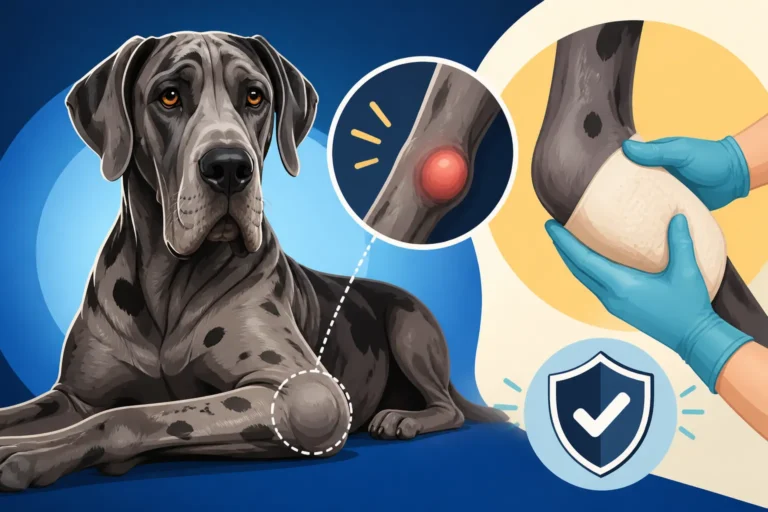
As the tumor grows and destroys more bone, it can lead to noticeable physical changes in the affected limb. You might start to feel or see a firm, non-movable swelling over the area where the tumor is developing. This swelling isn't typically soft and squishy like a fluid pocket; it's hard, as if the bone itself is expanding. This is especially true if the tumor is on a limb that doesn't have a lot of muscle mass covering it, like the lower leg.
Along with the swelling comes increasing pain. Your Great Dane might become very sensitive to touch in that area, yelping or pulling away if you try to examine it. They might also start licking or chewing excessively at the painful site, almost as if trying to soothe it. Changes in behavior are also key indicators: a normally playful Dane might become withdrawn, reluctant to engage in activities they once loved, or struggle to get up from a lying position. You might notice them shifting their weight constantly when standing, trying to alleviate pressure on the painful limb. This pain isn't just discomfort; it's often described as agonizing, and it will significantly impact their quality of life.
Unexplained Fractures and Reluctance to Bear Weight
One of the most devastating and unmistakable signs of advanced osteosarcoma is what's called a pathological fracture. Because the tumor weakens the bone by destroying its structure, the affected bone becomes incredibly fragile. This means it can fracture with minimal trauma – sometimes even just from the normal stress of walking or getting up. Imagine your big, powerful Great Dane simply taking a step, and suddenly their leg collapses. It’s a terrifying scenario.
If your Great Dane suddenly becomes acutely lame, completely unable to bear any weight on a limb, and there's no clear history of a significant injury, osteosarcoma must be considered a primary suspect. The bone has simply given way under normal strain because it's been eaten away from the inside by the tumor. This is an emergency situation and requires immediate veterinary attention. While a fracture can sometimes be the first obvious sign, it usually indicates that the disease has been present and progressing silently for some time, making the prognosis even more challenging.
The Diagnostic Journey for a Suspected Case
When your Great Dane shows signs that might point to bone cancer, the diagnostic process can feel like a whirlwind of appointments, tests, and agonizing waits. It's a stressful time, filled with uncertainty and fear, but moving through these steps is essential to get answers and formulate a plan.
Initial Vet Examination and X-Rays
Your journey usually begins with a visit to your primary care veterinarian. They'll conduct a thorough physical examination, focusing on palpating the affected limb, checking for swelling, warmth, and signs of pain. They'll also assess your dog's gait and range of motion. If bone cancer is suspected, the immediate next step will almost certainly be X-rays of the affected area.
X-rays are incredibly valuable because they often reveal characteristic changes associated with osteosarcoma. The vet will be looking for signs of bone lysis (bone destruction) and bone proliferation (new, abnormal bone growth) – a sort of chaotic, destructive remodeling of the bone. They might describe it as a "moth-eaten" appearance or a "sunburst" pattern on the bone. Often, multiple views of the bone are taken to get a comprehensive picture, as a tumor might be obscured in a single projection. It’s important to understand that while X-rays can strongly suggest osteosarcoma, they don't definitively diagnose cancer. Other bone conditions, like fungal infections or severe arthritis, can sometimes mimic the appearance of a tumor, which is why further steps are necessary.
Biopsy for a Definitive Diagnosis
Once X-rays raise a strong suspicion, the next critical step for a definitive diagnosis is a bone biopsy. This involves taking a small sample of the affected bone tissue for microscopic examination by a veterinary pathologist. There are a couple of common ways to perform a biopsy. One is a needle biopsy (sometimes called a core needle biopsy), where a special needle is used to extract a core of tissue. This is often done under heavy sedation or general anesthesia. Another method is an incisional biopsy, which is a small surgical procedure to remove a piece of tissue.
The biopsy is crucial because it's the only way to confirm if the cells are indeed cancerous osteosarcoma cells and to rule out other conditions. This waiting period for biopsy results can feel like an eternity, sometimes taking several days to over a week. It’s a tense time, fraught with anxiety, as you wait for the news that will dictate the path forward. While biopsies are generally safe, there’s always a small risk of complication, such as infection or, rarely, a pathological fracture due to the weakened bone. Your vet will discuss these risks with you before proceeding.
Staging the Cancer: Beyond the Primary Tumor
Receiving a definitive diagnosis of osteosarcoma is devastating, but the diagnostic journey isn't over yet. The next vital step is "staging" the cancer. This process determines whether the cancer has spread from its original site to other parts of your Great Dane's body, which is critical for understanding the prognosis and planning the most effective treatment. Unfortunately, osteosarcoma is notorious for metastasizing early, often before the primary tumor is even discovered.
Staging typically involves several tests. The most common include chest X-rays, as the lungs are the most frequent site for metastatic spread. The vet will be looking for any suspicious nodules or masses in the lung tissue. Sometimes, a CT scan of the chest is recommended for a more detailed view, as it can detect smaller metastases that might be missed on standard X-rays. An abdominal ultrasound may also be performed to check for spread to internal organs. Additionally, a thorough physical examination will include palpation of local lymph nodes, as cancer cells can travel through the lymphatic system. Bloodwork (complete blood count and chemistry panel) will also be done to assess your Dane's overall health, kidney and liver function, and to rule out other concurrent issues. This comprehensive staging helps paint a clearer picture of the disease's extent, allowing your veterinary oncology team to tailor the most appropriate and realistic treatment plan for your Great Dane.
Treatment Options and Goals
Facing a diagnosis of bone cancer in your Great Dane means grappling with a range of difficult treatment choices. There’s no easy answer, and the goal is always to balance extending life with maintaining the best possible quality of life for your beloved companion.
Amputation: A Difficult But Often Necessary Choice
For many Great Danes diagnosed with osteosarcoma in a limb, amputation of the affected leg is often recommended as the primary treatment. This is a profound and deeply emotional decision for owners, envisioning their massive dog living on three legs. It's okay to feel overwhelmed by this prospect. However, it's important to understand that amputation is performed for two critical reasons: to remove the source of immense pain caused by the tumor and to remove the primary tumor itself, which is often the largest and most destructive part of the cancer.
While it seems drastic, dogs, especially those with pain in the limb, adapt remarkably well to living on three legs. Their pain is often so severe before surgery that removing the limb provides immediate and significant relief, allowing them to move more freely and comfortably. Great Danes, despite their size, can often learn to manage on three legs, though it will require adjustments at home such as Mobility Aids for a Failing Great Dane and careful management of their environment. The primary goal of amputation is pain control and local tumor control; it does not, however, address microscopic cancer cells that may have already spread to other parts of the body. For that, further treatment like chemotherapy is typically recommended.
Chemotherapy: Extending Quality Time
Chemotherapy is commonly used in conjunction with amputation, or sometimes as a standalone treatment if amputation isn't an option. The purpose of chemotherapy for osteosarcoma is to target and kill any cancer cells that have already spread (metastasized) or are likely to spread, even if they're too small to be detected during staging. Because osteosarcoma is so aggressive and prone to metastasis, chemotherapy is vital for slowing the progression of the disease and extending a good quality of life.
Unlike in humans, canine chemotherapy protocols are generally designed to maximize quality of life rather than aggressively pursuing a cure at all costs. This means side effects are typically milder and less frequent. Your Great Dane might experience some lethargy, temporary loss of appetite, or mild gastrointestinal upset (vomiting or diarrhea) for a day or two after treatment, but severe side effects are less common. The specific drugs used and the protocol (how often and how many treatments) will depend on your dog's overall health, the specific type of tumor, and the oncologist's recommendations. Common chemotherapy drugs include Carboplatin and Doxorubicin. While chemotherapy doesn't typically cure osteosarcoma, it can significantly increase survival times and ensure your Dane enjoys more comfortable, active months. You can learn more about specific approaches in articles like Amputation and Chemotherapy for a Great Dane.
Radiation Therapy: Pain Management and Palliative Care
Radiation therapy offers another valuable treatment option, especially for Great Danes where amputation isn't feasible or desired. Its primary use in osteosarcoma is often for pain management, also known as palliative radiation. The intense pain caused by the bone tumor can be debilitating, and radiation can significantly alleviate this discomfort, improving your dog's quality of life without the need for surgery.
Palliative radiation involves a series of shorter, lower-dose radiation treatments aimed directly at the tumor site. The goal isn't to cure the cancer, but to reduce the tumor's size, slow its growth, and decrease the associated inflammation and pain. Many owners report a noticeable improvement in their dog's comfort and mobility after palliative radiation. While the side effects are usually localized to the treated area (e.g., temporary skin irritation or hair loss), the need for repeated anesthesia for each treatment session is a consideration, especially for a large breed like a Great Dane. Stereotactic Radiosurgery (SRS) is a more advanced form of radiation that delivers highly focused, high-dose radiation in fewer sessions, aiming for longer local tumor control, but it's not available everywhere.
Novel Therapies and Clinical Trials
The field of veterinary oncology is constantly evolving, and new therapies are always being investigated to improve outcomes for dogs with osteosarcoma. For Great Dane owners, exploring novel therapies and clinical trials can offer hope, especially when standard treatments aren't suitable or haven't been as effective as hoped. These trials might involve new chemotherapy drugs, targeted therapies that attack specific cancer pathways, immunotherapy approaches that boost the dog's own immune system to fight the cancer, or new combinations of existing treatments.
Participating in a clinical trial means your Great Dane would receive cutting-edge treatment that isn't yet widely available, and it also contributes invaluable data to veterinary science, potentially helping countless other dogs in the future. However, clinical trials also come with their own set of considerations: they may involve more frequent vet visits, specific eligibility criteria, and the possibility that the novel therapy may not be effective for every dog. Often, these trials are conducted at large veterinary university hospitals or specialized oncology centers. If you're considering this path, discussing it thoroughly with your veterinary oncologist is crucial to understand the potential benefits, risks, and commitment involved.
Managing Pain and Supporting Your Dane at Home
Living with a Great Dane diagnosed with bone cancer means becoming an expert in their comfort. Pain management and creating a supportive home environment are absolutely paramount to ensuring they have the best possible quality of life during this challenging time.
A Comprehensive Pain Management Plan
Pain is the enemy when it comes to bone cancer, and managing it effectively is the cornerstone of home care. Your veterinarian or veterinary oncologist will work with you to develop a multimodal pain management plan, often combining several medications to attack pain from different angles. This isn't just about making them "comfortable" but actively alleviating intense suffering.
Commonly prescribed medications include non-steroidal anti-inflammatory drugs (NSAIDs) like Rimadyl (carprofen), Metacam (meloxicam), or Previcox (firocoxib). These reduce inflammation and pain, but careful monitoring of liver and kidney function is essential, especially in giant breeds. Beyond NSAIDs, your vet might prescribe gabapentin, which helps with neuropathic pain (nerve pain) and also has a mild sedative effect, making your Dane more comfortable. Tramadol is another opioid pain reliever sometimes used, although its efficacy in dogs can vary. Amantadine is often added to help with chronic pain, particularly if it's not well-controlled by other medications. Sometimes, newer medications like Librela (bedinvetmab), a monoclonal antibody that targets nerve growth factor, are used for osteoarthritis pain but may also provide relief for bone pain. The key is consistent dosing and open communication with your vet about your dog's pain levels so adjustments can be made. For more detailed guidance, see Pain Relief for a Great Dane With Bone Cancer.
Creating a Comfortable Environment
Your Great Dane's home environment plays a massive role in their comfort and mobility. Think about every aspect of their daily life and how you can make it easier on their painful limbs. First and foremost, invest in truly supportive, thick orthopedic bedding. A thin pad on a hard floor is simply not enough for a dog of this size, especially when their bones are aching. Memory foam or gel-infused beds can provide excellent cushioning and support. You might even consider having multiple beds around the house, so they always have a soft place to rest, no matter where they choose to settle.
Consider installing ramps for getting into cars or up a few steps, rather than forcing them to jump or climb. Non-slip rugs or runners on hard floors are essential to prevent slips and falls, which can be disastrous for a dog with weakened bones or compromised mobility. When helping them up or supporting them, a supportive sling (often a towel or specially designed harness) under their belly can be invaluable, taking pressure off their legs. Keep food and water bowls easily accessible, perhaps in a raised feeder, though the science on The Raised Bowl Argument for Great Danes in relation to bloat risk is mixed. Most importantly, maintain a predictable routine and a calm atmosphere, as stress can exacerbate pain.
Nutritional Support and Appetite Stimulation
Maintaining a good appetite and healthy body condition can be a real struggle for Great Danes undergoing cancer treatment or experiencing significant pain. Nutritional support becomes vital, as they need calories and nutrients to fight the disease, heal, and maintain muscle mass. If your Dane is on chemotherapy, their appetite might wax and wane. Offering highly palatable, sometimes even cooked, meals can encourage them to eat. Your vet might recommend specific prescription diets designed for oncology patients, which are often higher in fat and protein.
Sometimes, appetite stimulants like mirtazapine or capromorelin (Entyce) may be prescribed to encourage eating. Keeping them hydrated is also crucial, so ensure fresh water is always available. You might even consider adding a little low-sodium broth to their water to entice them to drink more. Discussing dietary changes and supplements with your veterinary team is important to ensure you're providing the best possible support without interfering with medications or treatment protocols. They can advise on whether supplements like fish oil, known for its anti-inflammatory properties, might be beneficial.
The Emotional Toll and Making Difficult Decisions
Having a Great Dane means experiencing immense joy, but also facing the reality of their shorter lifespans. When that life is cut even shorter by something like bone cancer, the emotional impact is profound. Navigating this journey involves not only physical care but also immense emotional resilience and the strength to make unimaginably difficult choices.
Coping with a Devastating Diagnosis
Hearing that your Great Dane has osteosarcoma is like a punch to the gut. The initial shock, disbelief, and overwhelming sadness are completely normal. You might feel a range of emotions: anger, guilt, despair, and a profound sense of injustice. It's important to allow yourself to feel these emotions and not try to suppress them. This is a form of anticipatory grief, as you begin to mourn the future you envisioned with your dog.
Lean on your support system – family, friends, and even online communities of Great Dane owners who understand the unique challenges of the breed. Don't hesitate to seek support from your veterinary team, who often have resources for pet bereavement counseling. Managing your expectations is also key. While you hope for the best, it's important to understand the aggressive nature of this disease and focus on maximizing good quality days. This diagnosis is a heavy burden, and you don't have to carry it alone.
Quality of Life Assessment
As your Great Dane's cancer progresses, or as they navigate treatment, continually assessing their quality of life becomes paramount. This is arguably the most important, and often the most painful, part of managing chronic or terminal illness. It means objectively looking at your dog's daily experiences and determining if they are truly living, or merely existing in discomfort. This is often an ongoing conversation with your veterinary team and your family.
Tools like the "HHHHHMM Scale" (Hurting, Hunger, Hydration, Hygiene, Happiness, Mobility, More Good Days Than Bad) can be incredibly helpful for a systematic assessment. Are they still eating and drinking? Are they experiencing significant pain despite medication? Can they move around comfortably to relieve themselves or find a favorite spot? Do they still show interest in their favorite activities, even if modified? Are there more "good days" where they are engaged and comfortable, or are "bad days" starting to outnumber them? This evaluation helps you understand your Dane's true state, and it guides you in making informed decisions about their care, including when to transition to hospice or consider euthanasia.
Saying Goodbye: End-of-Life Care and Euthanasia
This is the conversation no pet owner ever wants to have, but for Great Dane owners facing osteosarcoma, it's an unfortunate inevitability. Deciding when to say goodbye is arguably the hardest decision you will ever make for your pet. It is an act of profound love and compassion to relieve suffering, even if it breaks your own heart. End-of-life care, or hospice care, focuses on keeping your Great Dane comfortable and pain-free in their final weeks or days. This might involve increasing pain medication, providing extra comfort measures, and simply cherishing every last moment.
When the time comes, euthanasia offers a peaceful and dignified exit. Many veterinary practices offer home euthanasia services, allowing your Great Dane to pass away in the comfort and familiarity of their own home, surrounded by those they love. This can significantly reduce stress for both you and your dog. It's a decision filled with immense guilt and self-doubt, but remember that you are preventing further pain and suffering. This choice is the ultimate act of kindness, allowing your beloved companion to transition peacefully. For support on this agonizing decision, look into resources like Whether to Treat or Let a Great Dane Go.
Financial Considerations and Planning
There’s no getting around it: owning a Great Dane is expensive, and a major health crisis like bone cancer can escalate those costs exponentially. Dealing with the emotional toll is hard enough without the added stress of financial worries. Understanding the potential costs and exploring options for managing them is a critical part of facing this diagnosis.
The Significant Costs of Diagnosis and Treatment
The moment you walk into the vet with a limping Great Dane, the meter starts running, and it climbs fast. Diagnostic tests alone can be substantial. Initial vet visits, X-rays, and subsequent specialist consultations (orthopedic surgeon, oncologist) can quickly add up. A bone biopsy, often requiring sedation or anesthesia, and the pathology lab fees are another significant expense. Staging tests, including chest X-rays or a CT scan, and abdominal ultrasounds to check for metastasis, further contribute to the bill.
If treatment proceeds, the costs become even more substantial. Amputation surgery for a Great Dane, due to their size and the complexity of anesthesia and recovery, can range from $2,000 to $5,000 or more, depending on your location and the veterinary facility. Chemotherapy protocols typically involve multiple sessions, with each session costing several hundred to over a thousand dollars, depending on the drugs used and your dog's weight, totaling thousands over the course of treatment. Radiation therapy also comes with a hefty price tag, potentially ranging from $3,000 to $8,000 or more for a course of treatment. This doesn't even include ongoing pain medications, supportive care, special bedding, or potential emergency visits. It's a stark reality that The Short Expensive Life of a Great Dane often comes with these devastating financial burdens.
The Role of Pet Insurance
For many Great Dane owners, pet insurance can be an absolute lifesaver when facing a bone cancer diagnosis. Imagine being able to make treatment decisions based on what’s best for your dog, rather than solely on what you can afford out-of-pocket. That’s the peace of mind pet insurance offers. Plans like those offered by Healthy Paws can cover a significant portion of veterinary bills for accidents and illnesses, including cancer treatments.
However, there's a crucial caveat: pet insurance typically does not cover pre-existing conditions. This means if your Great Dane is diagnosed with osteosarcoma before you enroll in a plan or before the waiting period for cancer coverage expires, those expenses likely won't be covered. This highlights the importance of enrolling your Great Dane in pet insurance as early as possible, ideally when they are a puppy, to ensure comprehensive coverage throughout their life. If you've already got a policy, check its terms carefully regarding cancer coverage and your deductible. Knowing you have a company like Healthy Paws to help with these bills can make a world of difference during such a difficult time. Understanding Insuring a Great Dane Against Bloat and Heart Bills is vital for all Great Dane owners.
Alternative Funding and Support
Even with pet insurance, or if you don't have it, the financial strain of bone cancer treatment can be immense. It's important to explore all available avenues for financial assistance. Many veterinary clinics understand these challenges and may offer payment plans, allowing you to spread out the cost over time. Organizations like the Pet Cancer Fund, The Magic Bullet Fund, or RedRover often provide financial aid to families whose pets are battling cancer or other life-threatening illnesses. These groups operate through donations and grants, so eligibility can vary.
Crowdfunding platforms like GoFundMe can also be effective for rallying support from your community, friends, and family. Sharing your Great Dane's story can often inspire incredible generosity. Additionally, some university veterinary teaching hospitals, which often have leading oncology departments, may have patient assistance programs or be involved in clinical trials that can reduce treatment costs. Don't be afraid to openly discuss financial concerns with your veterinary team; they want to help your Great Dane and can often guide you to resources or options you might not be aware of. Companies like Healthy Paws can alleviate much of this stress, but it's always good to know all your options.
Comparison of Osteosarcoma Treatment Options
| Treatment Option | Primary Goal | Typical Cost Range (USD) | Recovery Time | Potential Side Effects | Notes |
|---|---|---|---|---|---|
| Amputation | Pain relief, remove primary tumor | $2,000 – $5,000+ | 4-8 weeks (physical rehab) | Phantom limb pain (rare), adjustment to three legs, wound care | Provides immediate pain relief, does not address metastasis. |
| Chemotherapy | Delay metastasis, extend life | $3,000 – $10,000+ (course) | Varies (days after each dose) | Nausea, vomiting, diarrhea, lethargy, immune suppression | Usually combined with amputation. Aims for quality of life. |
| Radiation (Palliative) | Pain relief, slow local growth | $3,000 – $8,000+ (course) | Minimal (localized skin reaction) | Localized skin irritation, hair loss, fatigue | Used when amputation isn't an option or for pain control. Requires anesthesia. |
| Radiation (Stereotactic) | Longer local control, precise | $8,000 – $15,000+ | Minimal | Localized skin irritation, fatigue (less than palliative) | Less available, fewer treatments. Requires specialized equipment. |
Disclaimer
This article is intended for informational purposes only and does not constitute veterinary advice. Always consult with a qualified veterinarian or veterinary oncologist for any health concerns or before making any decisions about your Great Dane's medical care.