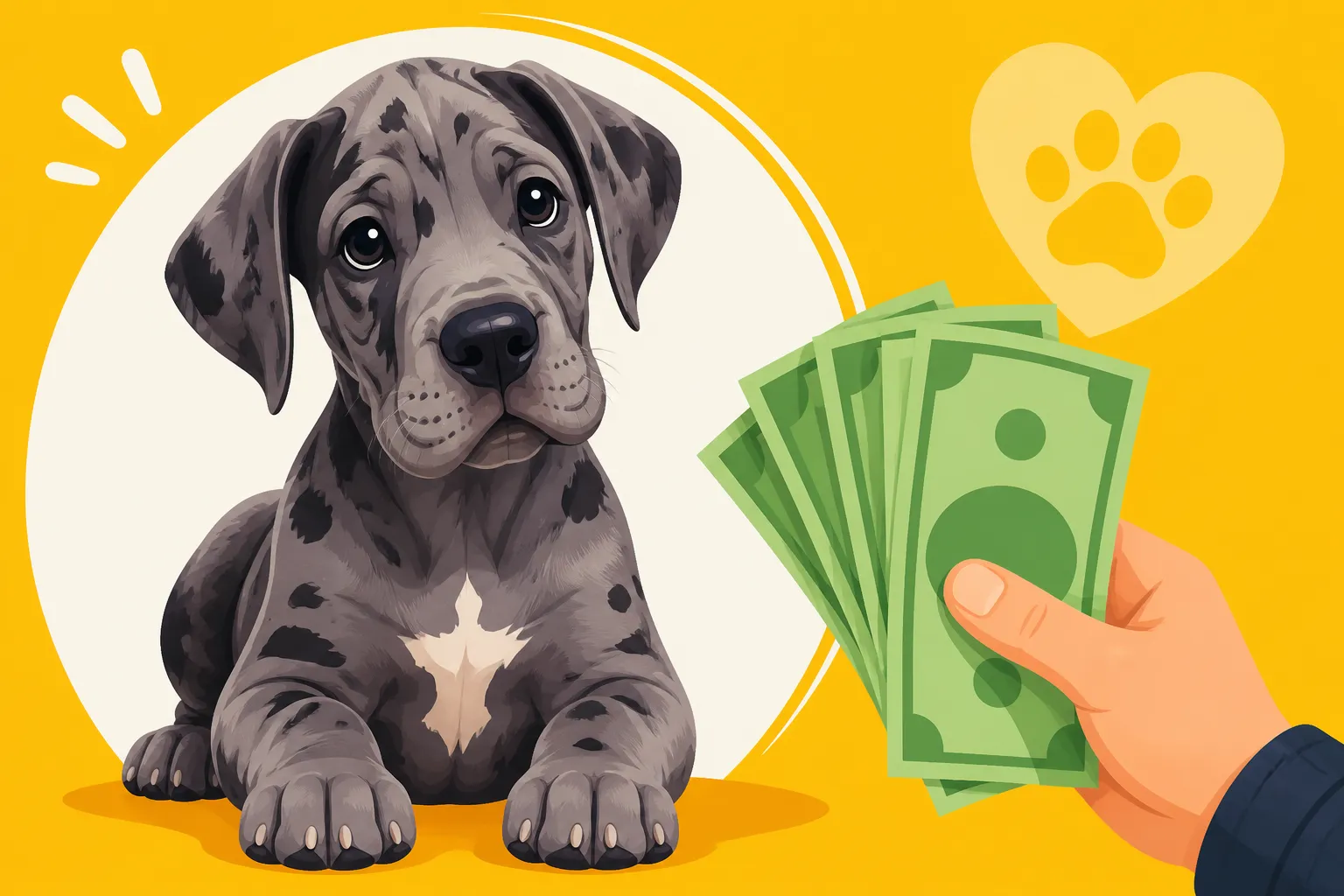
A Great Dane Puppy Priced Under a Thousand
It’s an undeniable truth that Great Danes steal hearts with their majestic presence and gentle eyes. When you start dreaming of bringing one of these magnificent giants into your life, it’s completely natural to look at the prices of puppies and sometimes feel a jolt – they can be substantial. So, when you stumble upon an ad for a Great Dane puppy priced under a thousand dollars, it can feel like you’ve hit the jackpot, a secret shortcut to your dream dog. But before you get swept away by the prospect of a bargain, it’s crucial to understand why such a low price can often signal future heartache and expenses that far outweigh any initial savings. This guide will walk you through the often-unseen realities of Great Dane puppy pricing, from the investments reputable breeders make to the hidden costs of cutting corners, helping you make an informed and responsible decision for your future companion.
The Allure of a Lower-Priced Great Dane Puppy
The desire for a Great Dane is powerful, and the cost of entry can be daunting. It’s a common frustration for aspiring owners to see price tags ranging from $1,500 to $3,000, sometimes even higher, from reputable breeders. This sticker shock often leads people down paths they might not have considered initially, hoping to find a more "affordable" option.
The Initial Sticker Shock of Reputable Breeders
When you first start looking for a Great Dane puppy, you quickly realize that these aren't cheap dogs. Reputable breeders typically charge a premium, and for good reason, as we'll explore. This initial price reflects a significant investment on their part into the health, temperament, and future well-being of their breeding dogs and the puppies they produce. They aren't just selling a cute face; they're selling years of dedicated work, careful genetic planning, and early care that sets the stage for a healthy life.
This can be a tough pill to swallow for many families, especially when you factor in all the other expenses that come with a giant breed. You start to think, "Is this really necessary? Can't I find a good dog without spending a fortune?" It’s a completely understandable reaction, and one that many future Great Dane owners grapple with. The temptation to bypass these higher prices is strong, especially when you see adorable puppy pictures online that seem to offer the same dream at a fraction of the cost.
Why a Low Price Tag Seems Like a Win
Imagine seeing an ad for a Great Dane puppy for $700 or $800 when others are asking for $2,500. It feels like finding a designer dress at a discount store, a smart financial move. For many, that lower price tag represents the difference between affording a Great Dane now or waiting years, if ever. It can feel like the universe is finally aligning to bring you your dream dog without breaking the bank. The immediate gratification of that lower price can overshadow the critical questions about why the price is so low.
People often assume that all puppies are more or less the same, and that a lower price simply means a breeder is less greedy or perhaps just not investing in expensive advertising. They might think they're rescuing a puppy that just needs a loving home, or that they’re smarter for finding a deal. Unfortunately, in the world of purebred dogs, especially giant breeds like Great Danes, a price that seems too good to be true almost always is, and it usually signals significant underlying issues that will eventually cost far more than the initial savings.
Understanding the True Cost: What a Reputable Breeder Invests In
When you pay a higher price for a Great Dane puppy from a reputable breeder, you're not just paying for the puppy itself. You're contributing to a complex ecosystem of responsible breeding practices that prioritize the long-term health and well-being of the breed. These breeders are passionate about Great Danes and are deeply invested in producing the best possible puppies.
Essential Health Testing for Great Dane Parents
One of the most significant investments a reputable Great Dane breeder makes is in comprehensive health testing for their breeding stock. Great Danes are prone to several serious, inherited health conditions that can be devastating emotionally and financially for owners. A responsible breeder understands these risks and works diligently to minimize them. This includes screening for:
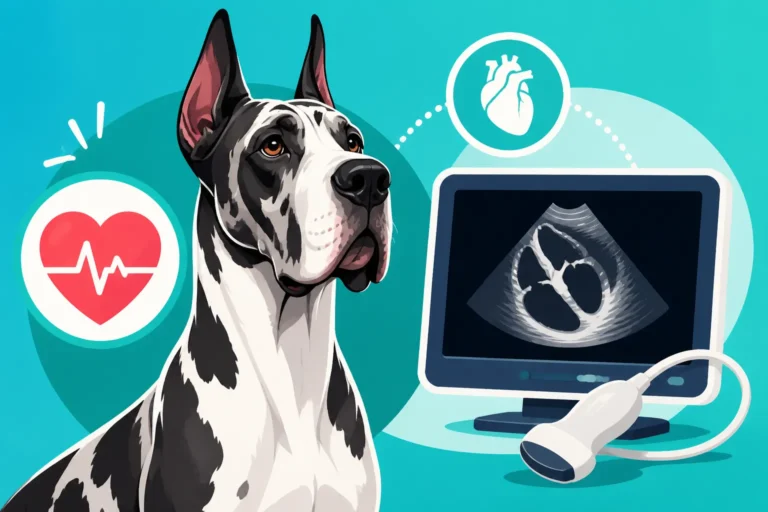
- Cardiac Issues: Dilated Cardiomyopathy (DCM) is a prevalent and often fatal heart condition in Great Danes. Reputable breeders will have their dogs screened by a board-certified veterinary cardiologist, often including an echocardiogram and sometimes Holter monitoring, to detect any signs of heart disease before breeding. You'll want to review "The Heart Muscle Disease Great Danes Are Prone To" to understand the gravity of this.
- Orthopedic Problems: Hip and elbow dysplasia are common in large breeds. Breeders will have X-rays submitted to organizations like the Orthopedic Foundation for Animals (OFA) to evaluate the structural soundness of their dogs' joints. These certifications help ensure that parents are less likely to pass on genes for painful, debilitating joint issues. Getting a good understanding of "Great Dane Hips, Elbows and Growing Joints" is crucial.
- Thyroid Function: Hypothyroidism can affect a Great Dane's coat, energy levels, and overall health.
- Eye Conditions: Although less common, some eye conditions can be hereditary.
These tests aren't cheap. Each test can cost hundreds of dollars, and responsible breeders perform them on all their breeding dogs, not just some. When you consider the cost of repeating these tests annually for cardiac health, for example, it adds up quickly. This commitment to "The Health Testing a Great Dane Breeder Owes You" is a non-negotiable part of responsible breeding and a major factor in the higher price tag. A breeder selling puppies for under a thousand dollars simply hasn't invested in these vital health screenings, leaving you to potentially inherit a lifetime of expensive veterinary bills.
Quality Care and Upbringing for Puppies
Beyond the parent dogs, a reputable breeder pours time, effort, and money into the puppies themselves. From the moment of conception, the dam receives top-notch veterinary care, a high-quality diet, and a stress-free environment. Once the puppies arrive, the work intensifies:
- Early Veterinary Care: Puppies receive their first vet checks, vaccinations, and deworming treatments. These are not just routine shots; they're vital for building immunity and catching any early health concerns.
- Nutrition: Growing Great Dane puppies have very specific nutritional needs to support their rapid growth without causing developmental problems. They are fed high-quality, large-breed puppy food formulated to ensure slow, steady growth, which helps prevent orthopedic issues later in life. This isn’t cheap, especially when you’re feeding a litter of potentially 8-12 hungry giants-in-training.
- Socialization and Stimulation: A good breeder spends countless hours socializing their puppies. This means exposing them to various sights, sounds, textures, and people in a positive way. They introduce them to crate training concepts, house-training basics, and good manners. This early foundation is absolutely critical for developing a confident, well-adjusted Great Dane who can handle the world gracefully. Puppies raised in sterile, isolated environments or without proper human interaction often develop behavioral problems that are incredibly difficult and costly to correct later on.
- Clean and Safe Environment: Puppies are raised in a clean, temperature-controlled environment designed for their safety and development. This minimizes exposure to diseases and injuries. This isn’t a quick setup; it requires dedicated space, equipment, and constant cleaning.
These combined efforts ensure that when you bring your puppy home, they are not only healthy but also well-adjusted and ready to integrate into your family. A breeder who cuts corners here might save money initially, but the buyer will almost certainly pay for it down the line in vet bills or behavioral training.
Breeder Experience and Ongoing Support
Another often overlooked aspect of a reputable breeder's price is their wealth of experience and the ongoing support they provide. Good breeders are not just dog owners; they are breed enthusiasts, mentors, and resources. They often participate in dog shows, conformation, or performance events, continually learning and striving to improve the breed standard. This expertise helps them match the right puppy with the right family, considering temperament, lifestyle, and energy levels.
Furthermore, a responsible breeder doesn't disappear once the transaction is complete. They offer lifetime support, happy to answer questions about health, training, or anything else that might come up as your puppy grows. They care deeply about where their puppies go and often include a health guarantee or a contract that stipulates the dog must be returned to them if the owner can no longer care for it, ensuring their dogs never end up in shelters. This kind of dedicated mentorship and safety net is invaluable, especially for first-time Great Dane owners, and it's something you simply won't get from someone selling cheap puppies out of a backyard or a puppy mill.
The Hidden Costs and Potential Heartbreak of an "Affordable" Puppy
While the initial price of a Great Dane puppy under a thousand dollars might seem appealing, it almost invariably comes with a much higher long-term cost, often in the form of devastating health issues and challenging behavioral problems. This is where the true expense lies, far exceeding any perceived savings.
Genetic Health Issues and Massive Vet Bills
When breeders skip essential health testing or breed indiscriminately, they are essentially rolling the dice with the puppies' genetic health. For a Great Dane, this can lead to a litany of heartbreaking and incredibly expensive conditions. Imagine bringing home your adorable, cheap puppy, only to discover within a few months or a year that they have severe hip dysplasia, a life-threatening heart condition, or are already showing signs of "Bloat in a Great Dane and the One in Three Odds". These are not minor issues; they require extensive veterinary intervention, specialist care, and potentially lifelong medication or surgeries.
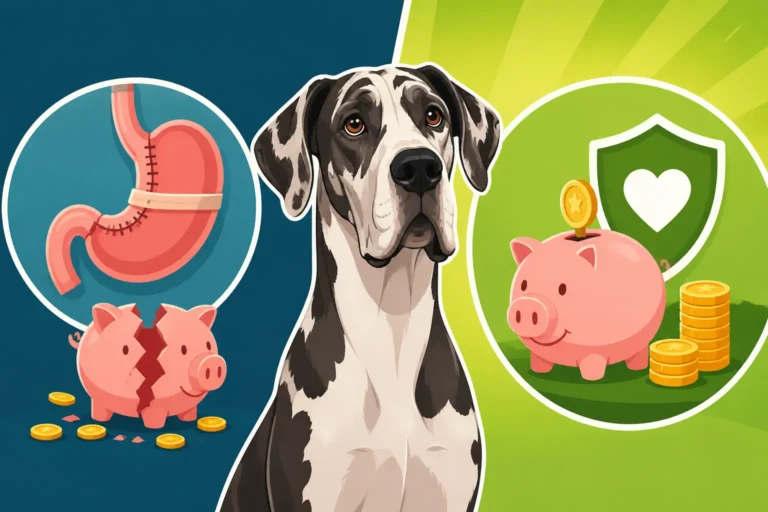
For instance, a surgery for hip dysplasia can cost upwards of $5,000 to $7,000 per hip. Treating DCM can involve multiple cardiology visits, diagnostic tests like Holter monitoring, and expensive daily medications like Pimobendan, which, at Great Dane doses, can quickly deplete savings. A bloat emergency can easily run into the tens of thousands. These are just a few examples. Poor breeding practices can also predispose dogs to "Bone Cancer in a Great Dane," another devastating and costly diagnosis. These are the kinds of bills that make pet owners choose between their dog's life and their financial stability. While no breeder can guarantee a dog will never get sick, reputable breeders significantly reduce the risk of inherited conditions, providing a much stronger foundation for a healthy life. This is why having pet insurance, like a comprehensive plan from Healthy Paws, is so critical for a Great Dane, regardless of where they come from. It can be the difference between getting necessary treatment and facing an impossible choice.
Behavioral Challenges and Training Expenses
Beyond physical health, the lack of proper early socialization and genetic screening for temperament in cheap puppies can lead to significant behavioral problems. Great Danes are massive dogs, and an unsocialized, fearful, or aggressive Great Dane is not only a handful but can also be a danger. Puppies from backyard breeders or puppy mills are often raised in less-than-ideal conditions, lacking the crucial early experiences that shape a confident, stable adult dog. They might be prone to:
- Extreme Shyness or Fear Aggression: A dog that hasn't been properly exposed to the world might become terrified of new people, places, or sounds. This fear can manifest as aggression out of self-preservation.
- Separation Anxiety: Dogs left alone for long periods or not properly acclimated to solitude can develop severe separation anxiety, leading to destructive behaviors, excessive barking, and self-harm.
- Leash Reactivity or Poor Manners: A poorly socialized Great Dane might lunge at other dogs or people on walks, making them impossible to manage, especially given their immense size. Getting "The Manners a Great Dane Needs Before It Grows" is essential for such a large breed.
Correcting these behavioral issues often requires expensive professional training, potentially with a certified dog behaviorist, which can cost hundreds to thousands of dollars. Sometimes, despite best efforts, these deep-seated issues can severely impact the quality of life for both the dog and the family, potentially leading to difficult decisions. The "savings" on the initial puppy price quickly vanish when you're paying for multiple rounds of training or damage repair.
Puppy Mill and Backyard Breeder Red Flags
A Great Dane puppy priced significantly below average is a flashing red light for either a puppy mill operation or an irresponsible backyard breeder. Both prioritize profit over the welfare of their animals.
- Puppy Mills: These are commercial breeding facilities that churn out puppies for profit, often keeping dogs in inhumane conditions with minimal veterinary care, poor nutrition, and no socialization. They typically breed dogs repeatedly without regard for genetic health or temperament. Puppies from mills are often sickly, undersocialized, and prone to severe health and behavioral problems. They'll often sell through pet stores or online classifieds, never allowing you to see where the puppies or parents live.
- Backyard Breeders: These are often well-meaning but uneducated individuals who breed their pets without understanding genetics, breed standards, or proper puppy care. They typically don't perform health testing, might breed dogs with known flaws, and often lack the facilities or knowledge for proper puppy socialization. Their low prices reflect their lack of investment and expertise. They might genuinely love their dogs, but their ignorance can lead to unhealthy or poorly adjusted puppies.
Both scenarios leave the buyer holding the bag for future expenses and heartbreak. When you see "Great Dane Ads With No Cardiac Paperwork" or signs that the breeder isn't asking you a lot of questions about your home and lifestyle, these are immediate red flags. A reputable breeder is like an interviewer, ensuring their puppy goes to the absolute best home.
Where to Find a Great Dane Responsibly
Deciding to bring a Great Dane into your life is a huge commitment, and finding the right source for your puppy or adult dog is paramount. It’s about making an ethical choice that supports responsible practices and sets you and your future companion up for success.
Reputable Breeders: The Gold Standard
While the initial price may be higher, a reputable breeder offers the best chance for a healthy, well-adjusted Great Dane puppy. They adhere to strict ethical guidelines and prioritize the health, temperament, and longevity of the breed. Here's what to look for and expect:
- Transparency and Documentation: A good breeder will be open about their breeding practices, health testing results, and the lineage of their dogs. They should provide official certifications for cardiac, hip, elbow, and thyroid screenings. They’ll share details on the puppy's vet visits, vaccinations, and deworming. They should readily provide the information outlined in "The Health Testing a Great Dane Breeder Owes You."
- Meet the Parents: They will allow you to meet the mother (dam) and often the father (sire) if he is on-site. This gives you a crucial insight into the temperament and living conditions of the adult dogs. The parents should be friendly, confident, and well-cared for.
- Clean and Stimulating Environment: The puppies should be raised in a clean, safe, and stimulating environment, ideally within the breeder's home, where they are exposed to normal household sights and sounds. This helps with early socialization, which is critical for a Great Dane’s development.
- Thorough Interview Process: A reputable breeder will ask you many questions about your lifestyle, experience with dogs, living situation, and what you’re looking for in a dog. They want to ensure their puppies go to suitable, loving homes. This is a good sign that they truly care about their dogs' welfare.
- Written Contract and Health Guarantee: Expect a comprehensive contract that outlines responsibilities, health guarantees against genetic defects, and a spay/neuter clause. Many contracts also stipulate that the dog must be returned to the breeder if you can no longer care for it.
- Support and Mentorship: A good breeder remains a resource for the lifetime of your dog, offering advice and support. They genuinely care about the long-term well-being of their puppies.
When considering a reputable breeder, expect prices typically ranging from $1,500 to $3,000, depending on the pedigree, region, and what's included. This investment is an upfront cost for a significantly reduced risk of expensive health and behavioral issues down the line.
Great Dane Rescues: A Fulfilling Alternative
If the price of a puppy from a reputable breeder is truly out of reach, or if you prefer to open your heart to an adult dog, a Great Dane rescue organization is an excellent option. Rescues provide loving homes for Danes that have been surrendered, abandoned, or neglected.
- Lower Adoption Fees: Adoption fees are typically much lower than breeder prices, often ranging from $200 to $600. These fees help cover the costs of veterinary care, food, and shelter for the dogs in their program. "The Fee a Great Dane Rescue Asks For" is a small fraction of what you might pay a breeder, but it goes directly to helping other Danes in need.
- Health and Temperament Evaluation: Reputable rescues ensure all dogs are spayed/neutered, up-to-date on vaccinations, microchipped, and have received any necessary medical treatment. They also conduct thorough temperament evaluations to match the right dog with the right family. While they may not have detailed genetic history, they often have a good understanding of the dog's current health and personality. Sometimes you might even find "What Comes Included in a Great Dane Adoption" is a dog that has already been stomach tacked, saving you future surgical costs.
- Variety of Ages and Personalities: Rescues have Danes of all ages, from puppies to seniors. Adopting an adult dog means you often bypass the most challenging puppy phases, and their personality is usually well-established. This can be particularly beneficial for first-time Great Dane owners who might be overwhelmed by a giant puppy.
- A Second Chance: Adopting from a rescue gives a deserving Great Dane a second chance at a loving home. Many of these dogs are wonderful companions who, through no fault of their own, found themselves in difficult situations.
While a rescue Great Dane might not come with a complete genetic history or the ability to meet the parents, the dedicated volunteers and foster families work hard to provide as much information as possible. It's a wonderful way to bring a Great Dane into your life and offer a deserving dog a forever home.
Preparing for the Real Financial Commitment
Regardless of whether you get your Great Dane from a reputable breeder or a rescue, the initial purchase price or adoption fee is just the tip of the iceberg when it comes to the overall financial commitment. Great Danes, by their very nature, come with higher ongoing costs than smaller breeds. Understanding and preparing for these expenses is crucial for responsible ownership.
Beyond the Purchase: Food, Supplies, and Training
The sheer size of a Great Dane dictates larger and more expensive versions of almost everything a dog needs. This isn't just a minor increase; it's a fundamental shift in your household budget.
- Food, Glorious Food: Great Danes eat a lot. A healthy adult Great Dane can easily consume 6 to 10 cups of high-quality kibble per day, sometimes more depending on their activity level and metabolism. This isn't just about quantity; it's about quality. Feeding "Feeding a Great Dane That Eats Ten Cups a Day" a premium large-breed formula is essential for their bone and joint health, and this adds up significantly. If you’re considering fresh food options, like those offered by Ollie, the cost can be even higher, though many owners find the health benefits worth it. Expect your "Monthly Food Spending on a Great Dane" to be substantial. Buying in bulk from retailers like Chewy can help manage these costs, but the volume remains undeniable.
- Supplies Built for Giants: Everything needs to be bigger and sturdier. Think about it: a giant crate, orthopedic dog beds that can support their weight and protect their joints, extra-strong leashes and harnesses, and toys that won’t be shredded in minutes. These items are inherently more expensive. Regular collars, beds, and toys simply won't hold up to the rigors of a powerful Great Dane. You'll likely need specialized equipment like heavy-duty car ramps or larger vehicles to accommodate your dog comfortably.
- Training and Socialization: As discussed, early training is not optional for a Great Dane; it's a necessity. Group puppy classes, individual sessions, or specialized behavioral consultations can be costly. Even if you do much of the training yourself, the treats and time investment are significant. Continuing socialization throughout their lives is also important, which might involve doggy daycare or social walks. You want your giant companion to be a well-mannered ambassador, not an unruly force of nature.
These everyday expenses, while seemingly small individually, accumulate rapidly and become a significant portion of your budget. They are non-negotiable aspects of responsible Great Dane ownership.
The Lifelong Reality of Great Dane Vet Costs
Great Danes have a shorter lifespan compared to many breeds, typically living "Why a Great Dane Only Lives Seven to Ten Years," and they are unfortunately prone to a range of serious health issues throughout their lives. This means higher vet bills, not just for emergencies, but for routine and preventative care.
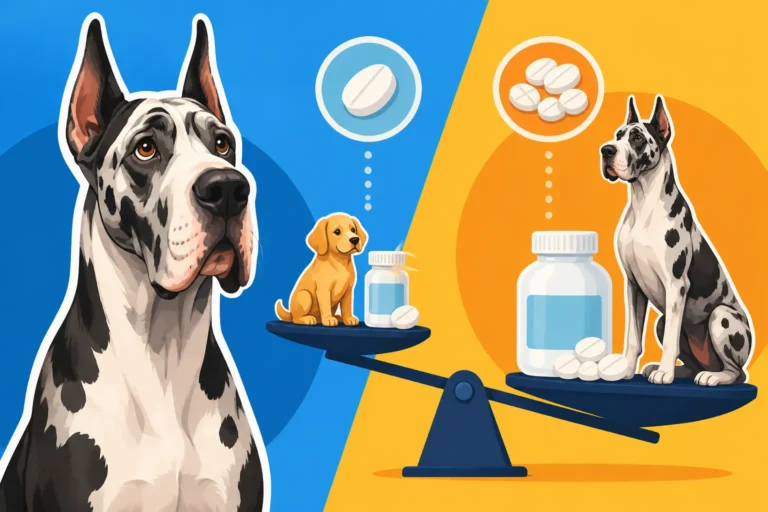
- Routine Care at a Giant Scale: Vaccinations, deworming, flea and tick prevention, and heartworm medication are all dosed by weight. For a 150-pound Great Dane, these medications cost significantly more than for a smaller dog.
- Preventative Procedures: Many Great Dane owners opt for a prophylactic gastropexy (stomach tacking) to reduce the risk of bloat, a life-threatening condition. This surgery, often done during spay/neuter, can cost several thousand dollars upfront. While it's a preventative measure, it's a substantial planned expense. You can delve into "Stomach Tacking Surgery for a Great Dane" to learn more.
- Age-Related Care: As Great Danes age, they are prone to arthritis, heart conditions, and various cancers. Caring for "Caring for a Great Dane Past Six" often involves ongoing medication, specialized diets, and more frequent vet visits, all of which add up rapidly. The "The Short Expensive Life of a Great Dane" often means an intense period of care with considerable costs.
- Emergency Situations: The biggest financial drain often comes from emergencies. A twisted stomach (GDV or bloat) is a true emergency requiring immediate, expensive surgery. Other sudden illnesses or injuries can also lead to huge bills. The larger the dog, the more medication, anesthesia, and surgical supplies are needed, leading to "Why Every Great Dane Bill Is Bigger."
It’s not uncommon for Great Dane owners to face vet bills running into the thousands, or even tens of thousands, over their dog's lifetime. This is the reality of owning such a magnificent, yet vulnerable, giant breed.
The Safety Net of Pet Insurance
Given the high propensity for serious health issues and the associated veterinary costs, pet insurance is not just an option for Great Dane owners; it's often a financial necessity. It provides a crucial safety net that can prevent you from facing an impossible choice between your dog's life and your financial well-being.
- Protecting Against High Costs: Pet insurance can cover a significant portion of unexpected veterinary expenses, from accidents to illnesses, including costly surgeries, specialist consultations, and long-term medications. For issues like bloat, DCM, or bone cancer, having insurance can make the difference. Looking into "Insuring a Great Dane Against Bloat and Heart Bills" is a must for any prospective owner.
- Choosing the Right Plan: It's vital to research different providers and plans. Companies like Healthy Paws offer comprehensive coverage, but you need to understand deductibles, reimbursement percentages, and annual limits. Pay close attention to waiting periods and what constitutes a pre-existing condition. Enrolling your Great Dane when they are a puppy, before any conditions arise, is always the best strategy to ensure maximum coverage.
- Peace of Mind: Knowing that you have financial support for major health crises offers immense peace of mind. It allows you to focus on your dog's recovery without the added stress of crushing debt. While premiums for Great Danes are higher due to their breed-specific risks, the cost is usually far less than what you would pay out of pocket for a single major emergency.
Ultimately, investing in pet insurance is an act of responsible ownership, acknowledging the specific health challenges of the breed and proactively preparing for them. It’s part of the real financial commitment that every Great Dane owner needs to consider, long before bringing that adorable puppy home.
Disclaimer
The information provided in this article is for general informational and educational purposes only and is not a substitute for professional veterinary advice. Always consult with a qualified veterinarian or animal health professional for any questions or concerns about your Great Dane's health and well-being.