Whether a Great Dane Gastropexy Pays for Itself
The question of whether a Great Dane gastropexy truly pays for itself is one that haunts the minds of many Great Dane owners. We've all heard the terrifying stories, or perhaps even lived through the panic, of realizing our beloved giant might be suffering from bloat – a condition that strikes with brutal speed and carries a heartbreakingly high mortality rate. This guide isn't just about comparing figures; it's about weighing the emotional toll, the peace of mind, and the very real chance of saving your dog's life against the upfront investment of a preventive procedure.
Understanding the Threat: Bloat in Great Danes
Let's face it, owning a Great Dane means living with the shadow of bloat, or Gastric Dilatation-Volvulus (GDV). It’s not just a concern; it's a terrifying reality that hangs over every meal, every energetic play session. The sheer size and deep chest of our Danes make them uniquely susceptible to this devastating condition, where the stomach fills with gas and then twists on itself, cutting off blood supply and trapping everything inside.
The Immediate Danger and Its Symptoms
When bloat strikes, it doesn't just cause discomfort; it's a rapidly progressing emergency that can turn fatal in a matter of hours. The signs are often subtle at first, then escalate quickly. You might notice your Dane pacing restlessly, attempting to vomit without success (dry heaving), or stretching uncomfortably. Their belly might appear distended or taut, especially on the left side, and they'll likely show signs of extreme pain or distress. They might drool excessively or even collapse. If you've ever witnessed it, you know the panic that sets in. There's a desperate race against time to get them to an emergency vet, and even then, survival is far from guaranteed. If you want to understand more about the immediate risk, consider reading about The Lifetime Bloat Risk in a Great Dane. The moment you see any of The Signs of a Great Dane Stomach Twisting, you know you have mere minutes to react.
The sheer speed at which GDV can become life-threatening is what makes it so terrifying. One minute your goofy giant is fine, the next they're in agony, and you're rushing to the nearest emergency clinic, heart pounding. This isn't just a medical crisis for your dog; it's an intense emotional and logistical nightmare for you. The desperation to save your companion, the frantic phone calls, the fear of losing them—these are all part of the immediate danger. It's a truly harrowing experience, and for many Dane owners, the memory of even a suspected bloat episode can linger for years.
The Staggering Cost of Emergency Bloat Surgery
Now, let's talk about the financial hit. An emergency bloat surgery is not just expensive; it's often astronomically so. When your Great Dane twists their stomach, it's not a planned procedure. It's a middle-of-the-night dash to an emergency veterinary hospital, where specialists are called in, and time is literally of the essence. The costs pile up quickly: emergency consultation fees, diagnostic imaging (X-rays), IV fluids, anesthesia, the surgery itself (which can be complex, involving untwisting the stomach and then performing a gastropexy to prevent recurrence), pain medication, overnight critical care, and often several days of hospitalization.
It's not uncommon for an emergency bloat surgery to run into thousands of dollars, easily reaching figures that can shock even the most prepared pet owner. This isn't just a basic surgery; it's life-saving intervention with significant aftercare needs. Many owners find themselves facing a bill that could rival a down payment on a car, and they have to make that decision under immense emotional duress. This is where pet insurance, from providers like Healthy Paws, really shines, potentially cushioning the blow, but only if it's in place before the emergency strikes. Without insurance or a significant emergency fund, owners can be forced into heartbreaking decisions, which is a devastating position to be in. For a deeper dive into these costs, you might find The Overnight Bill When a Great Dane Bloats a helpful read.
The Proactive Approach: What a Gastropexy Entails
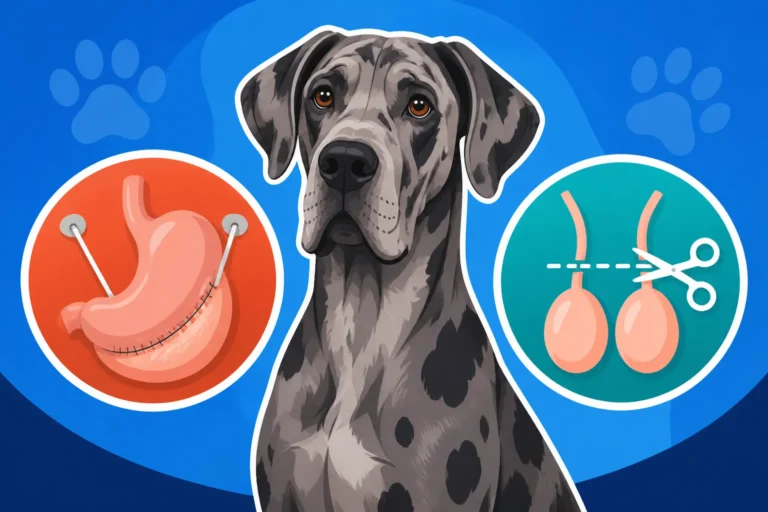
Given the dire consequences and high costs of emergency bloat, many Great Dane owners wisely consider a preventive gastropexy. This is a surgical procedure where the stomach is permanently attached to the abdominal wall, preventing it from twisting. It's an investment in your dog's future, designed to significantly reduce the risk of future GDV episodes, transforming a potentially fatal event into a far less critical situation if bloat does occur (as the stomach can still fill with gas, but it cannot twist).
Surgical Procedure and Recovery
A preventive gastropexy is typically performed electively, often when the dog is young, sometimes at the same time as a spay or neuter. This allows for a much more controlled environment than an emergency surgery. There are generally two main approaches: traditional open surgery or laparoscopic (minimally invasive) surgery. Laparoscopic surgery involves smaller incisions, which can mean less pain and a quicker recovery time for your Great Dane. During the procedure, the veterinary surgeon creates an adhesion between a section of the stomach wall and the inside of the abdominal wall. This "tacks" the stomach into place, preventing it from rotating.
Recovery from a preventive gastropexy is generally straightforward, especially if it’s done laparoscopically. Your dog will need rest, pain medication, and restricted activity for a few weeks while the surgical site heals. You'll need to monitor their incisions and ensure they don't lick or chew at them, possibly with the help of an Elizabethan collar. Most Danes bounce back remarkably well, and while it's still surgery, it's a far less traumatic recovery than that from an emergency bloat procedure. This kind of planned recovery also allows you to prepare for your dog's needs, perhaps stocking up on their favorite food from Chewy or preparing special, easily digestible meals. Understanding How a Great Dane Gastropexy Is Done can help ease some of the apprehension around the procedure.
The Upfront Cost of Preventive Gastropexy
The cost of a preventive gastropexy can vary significantly based on your geographic location, the veterinary clinic, the type of procedure (open vs. laparoscopic), and whether it's bundled with another surgery like spaying or neutering. Generally, you can expect the cost to be a substantial figure, but it is typically much lower than the price tag of an emergency bloat surgery. This is because it's a planned procedure, usually performed during regular business hours, with less urgency and often less intensive post-operative care required.
While specific figures aren't possible here, think of it as a significant, but manageable, investment. Many owners choose to get the procedure done when their Great Dane is around 6-18 months old, often at the same time as their spay or neuter to consolidate anesthesia and recovery time. This bundling can sometimes reduce the overall cost compared to two separate surgeries. It’s vital to discuss all options and costs with your veterinarian. This is an expense that you can budget for, unlike the sudden, unpredictable nature of an emergency. For detailed cost breakdowns of this preventive measure, check out The Price of a Preventive Great Dane Gastropexy.
Crunching the Numbers: Does Prevention Outweigh Emergency?
This is the crux of the "pays for itself" question. When you look at the potential costs side-by-side, the financial argument for preventive gastropexy becomes very compelling. However, it's not purely a financial decision; it's also about preventing immense suffering for your dog and incredible stress for you.
Comparing Costs: Gastropexy vs. Emergency Surgery
Let's lay it out in a table to make it clearer. Keep in mind that these are general descriptions of cost ranges and shapes, not specific dollar amounts, as those vary wildly.
| Factor | Preventive Gastropexy | Emergency Bloat Surgery (with Gastropexy) |
|---|---|---|
| Urgency | Planned, elective procedure | Immediate, life-threatening emergency |
| Timing | Regular veterinary hours, often bundled | Nights, weekends, holidays (emergency rates apply) |
| Pre-op Care | Standard bloodwork, physical exam | Extensive diagnostics, stabilization, IV fluids |
| Surgery Complexity | Relatively straightforward, less tissue manipulation | Complex, untwisting necrotic tissue, high stress on vet team |
| Anesthesia Risk | Lower, due to healthy patient and controlled conditions | Higher, due to shock, pain, and compromised patient |
| Post-op Care | Outpatient or 1-2 nights, standard monitoring | Multiple nights in critical care, intensive monitoring, longer recovery |
| Overall Cost Shape | Significant upfront investment, but predictable | Dramatically higher, unpredictable, often requiring financing |
| Recurrence Risk | Stomach can still bloat with gas, but cannot twist | High risk of recurrence if gastropexy isn't done, significantly reduced if it is |
| Survival Rate | Near 100% for the procedure | Varies, but significantly lower than preventive gastropexy |
As you can see, the cost difference isn't just a little bit; it's often a factor of several multiples. An emergency surgery is always going to incur higher costs due to its urgent nature, the need for specialized staffing after hours, and the intensive care required for a dog in crisis. The financial risk of not doing a preventive gastropexy is essentially the risk of facing that massive, unplanned bill for an emergency procedure. Many responsible Great Dane owners find that the proactive step allows them to manage a known cost rather than gamble on an unknown, potentially devastating one.
The Value of Peace of Mind and Reduced Risk
Beyond the purely financial aspect, the true value of a gastropexy lies in the peace of mind it offers. Imagine the scenario: your Great Dane starts showing mild signs of bloat – maybe some discomfort, a little dry heaving. If they've had a gastropexy, you can still be concerned and get them to the vet, but the immediate, heart-stopping terror of a twisted stomach is largely removed. The stomach can still fill with gas (dilatation), but it's physically prevented from twisting (volvulus). This means you have more time, and the situation is usually far less critical and treatable.
This peace of mind is invaluable. It reduces the stress on you as an owner, knowing you've taken a significant step to protect your dog from the most lethal aspect of bloat. It allows you to enjoy your Great Dane more fully, without the constant underlying worry. While Whether Tacking Ends Great Dane Bloat Risk clarifies that it doesn't eliminate all risk, it drastically reduces the life-threatening component. This allows you to focus on other aspects of their well-being, like ensuring they get the right nutrition, perhaps trying out a fresh food delivery service like Ollie, or finding toys big enough for their giant mouths.
Beyond the Dollars: Quality of Life and Long-Term Considerations
The decision to pursue a preventive gastropexy goes far beyond a simple cost-benefit analysis. It's about securing a better, safer life for your Great Dane and minimizing the emotional and physical toll on both of you.
Impact on Your Great Dane's Health and Your Stress Levels
A Great Dane that has undergone a preventive gastropexy enjoys a significantly reduced risk of succumbing to the most dangerous aspect of bloat. This means a healthier, less stressful life for them. They won't experience the excruciating pain and shock of a twisted stomach, and if gas accumulation occurs, it's typically a much more manageable veterinary visit. This proactive measure not only protects their physical health but also contributes to their overall quality of life by preventing a major source of potential trauma. Think of it as a permanent safety net.
For you, the owner, the reduction in stress levels is profound. Living with a Great Dane means always being hyper-aware of bloat symptoms. Every burp, every stretch, every moment of restlessness can trigger a wave of anxiety. Knowing that their stomach can't twist offers immense psychological relief. You'll worry less, sleep better, and truly be able to enjoy your dog's presence without that underlying dread. This emotional return on investment is often cited by owners as the primary reason they chose the gastropexy, even more so than the financial savings. It truly provides a sense of security that is priceless.
Insurance, Support, and Making the Decision
Making the decision for a preventive gastropexy should involve careful consideration and discussion with your veterinarian. They can advise on the best timing, surgical approach, and what to expect for recovery. It's also a crucial time to consider pet insurance. Many owners find that signing up for pet insurance, such as a plan from Healthy Paws, before any health issues (including bloat or the gastropexy itself) arise, can make a huge difference in managing costs. While the gastropexy itself might be an elective procedure that some plans cover differently, having comprehensive coverage for any emergency, or even general care, can be a game-changer for a breed prone to so many health issues. Reviewing Whether Pet Insurance Is Essential for a Great Dane can help you decide.
Consider how an insurance policy could protect you from future unexpected bills, not just bloat. Remember, if your dog has already bloated, it might be considered a pre-existing condition, affecting future coverage. Therefore, planning ahead is key. Additionally, discuss bundling the gastropexy with other procedures like spaying or neutering. This can often reduce the overall cost and the number of times your dog needs to go under anesthesia. Exploring Bundling a Great Dane Gastropexy With Neutering can give you more insights into this option. Ultimately, the decision to get a preventive gastropexy is one of the most impactful choices you can make for your Great Dane's long-term health and your own peace of mind as their devoted owner. It's an investment that many feel pays dividends far beyond the financial.
Disclaimer
This article is for general informational purposes only and does not constitute professional advice. Laws, prices and regulations vary by location and change over time. Consult a qualified professional for guidance on your specific situation.