Why Drugs Cost More at Great Dane Weight
One of the swift realities Great Dane owners face, often with a gasp, is the sheer financial impact of their dog's size, and nowhere is this more evident than when it comes to medication. It’s a frustrating truth that drugs prescribed for your beloved giant can cost many times more than those for a smaller breed, leaving many wondering why their vet bills always seem to hit a higher note. This guide will delve into the nitty-gritty of why drugs cost more at Great Dane weight, helping you understand the underlying reasons and offering practical ways to navigate these expenses.
The Weighty Reality of Great Dane Dosing
It’s easy to look at a prescription bottle and see a number of pills, thinking it’s a flat fee. But for a Great Dane, that assumption quickly crumbles under the weight of reality. Your Dane isn't just a big dog; they're a massive, majestic creature, and their physiology demands a different approach to medicine, which directly impacts your wallet.
It's All About Body Mass
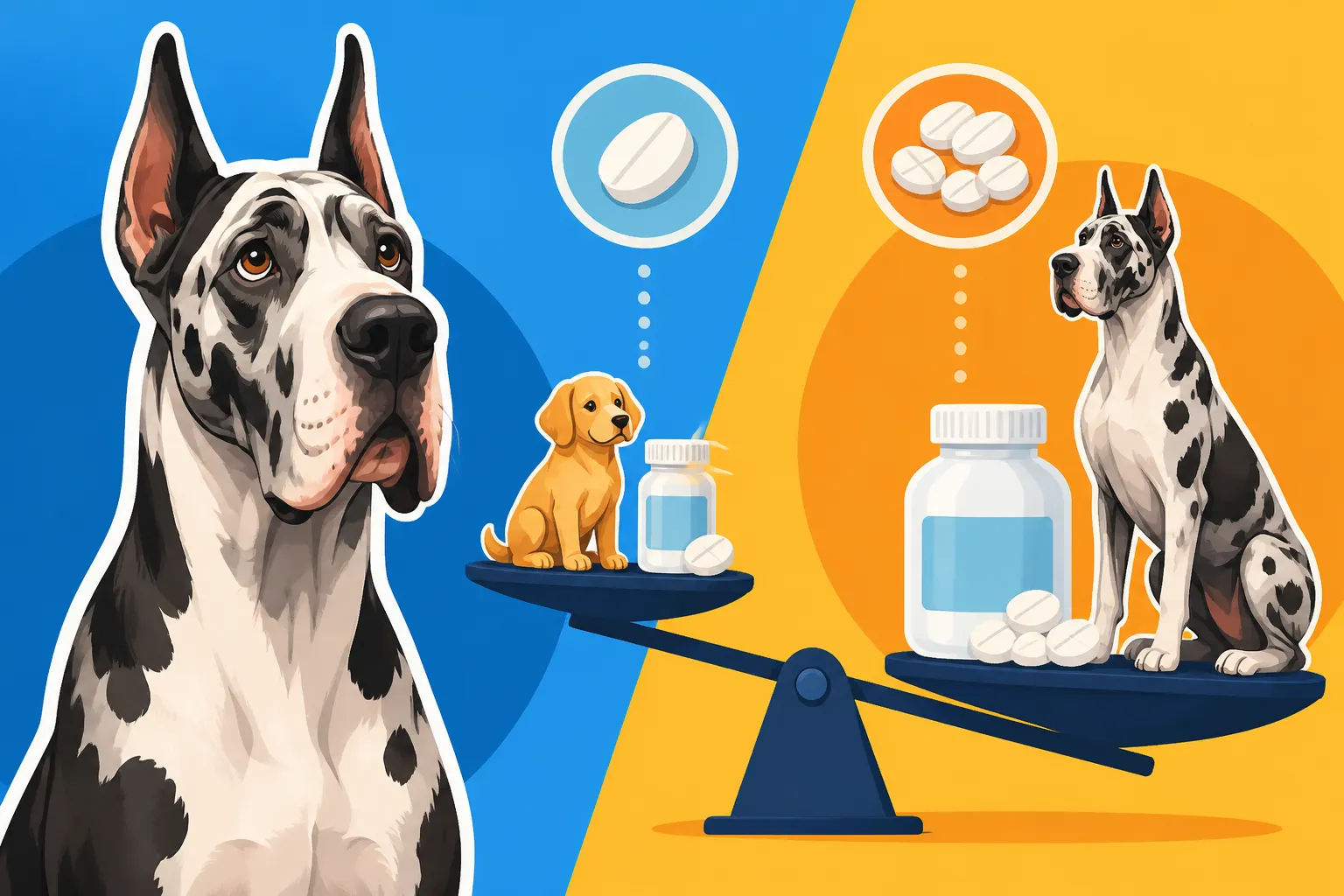
The fundamental reason for higher medication costs is quite simple: dosage is almost always calculated based on body weight. Imagine a tiny Chihuahua, barely weighing five pounds, compared to your strapping 150-pound Great Dane. The sheer volume of medication needed to achieve the same therapeutic effect in a body 30 times larger is astronomical. When a vet prescribes a drug, they're not guessing; they're working with precise pharmacological formulas designed to deliver the right concentration of medicine to the bloodstream to tackle an infection, manage pain, or regulate a heart condition. For a Great Dane, reaching that effective concentration means a significantly larger quantity of the active ingredient.
This means you’re often buying not just more pills, but higher milligram doses. For instance, a pain reliever that comes in a 5mg tablet might be sufficient for a terrier, but your Dane could need a 50mg tablet, or even multiple 50mg tablets, for a single dose. This isn't about pharmaceutical companies charging more simply because it's for a large dog; it's about the inherent cost of manufacturing and packaging a much greater amount of the drug. It's a stark reality that can hit hard when you compare your receipt to that of a friend with a much smaller companion, and it's completely valid to feel a bit of sticker shock.
When the Dosage Jumps to a New Tier
Many medications, particularly common ones like flea and tick preventatives or dewormers, are sold in weight-banded packages. You’ve probably seen them: "for dogs 0-10 lbs," "11-25 lbs," and so on. For Great Danes, this often means they fall into the absolute highest, and therefore most expensive, weight tier available. There's rarely a "super-giant" tier; they're simply at the top of the existing scale, consuming the maximum dose intended for the largest of dogs.
Consider monthly preventatives. A single chewable tablet for a Great Dane might cover up to 150 or even 200 pounds of body weight. The cost of that one tablet often rivals or exceeds the cost of a multi-dose package for a small dog, which might last for several months. It’s not uncommon for a single month’s supply for your Dane to cost as much as three or four months for a medium-sized dog. This isn't just a minor difference; it's a significant jump that adds up quickly over the lifespan of a dog, especially when we consider that Why a Great Dane Only Lives Seven to Ten Years. These fixed tier costs mean there's little room for economy of scale once you're in the Great Dane club; you're simply paying for the maximum dosage every time.
Common Medications and Their Elevated Costs
Understanding the "why" is one thing, but seeing it play out across various types of medications really drives home the financial commitment of owning a Great Dane. From routine maintenance to life-saving interventions, the larger dosage requirements consistently translate into higher bills.
Routine Preventatives: A Monthly Expense
Every responsible dog owner knows the importance of monthly heartworm and flea/tick prevention. These aren't optional; they're crucial for your Dane's health and can prevent far more expensive and dangerous diseases down the line. But for a Great Dane, these routine preventatives become a substantial monthly outlay. A single dose of heartworm medication for a 150-pound dog contains significantly more active ingredient than one for a 20-pound dog. The same goes for flea and tick treatments, whether they're topical or oral.
Imagine the cost of purchasing a year's supply of these preventatives. For a smaller dog, it might be a few hundred dollars. For a Great Dane, that figure can easily double or even triple. This is why many Great Dane owners look for ways to save, often turning to reputable online retailers like Chewy, which can sometimes offer slight discounts or subscription services that ease the financial burden slightly. Still, even with these options, the sheer volume required means the overall cost remains high. It’s an essential, unavoidable expense that owners must budget for from the moment they welcome their giant puppy home.
Managing Pain and Inflammation
Unfortunately, large breeds are susceptible to orthopedic issues and other conditions that require pain management and anti-inflammatory drugs. Whether it's post-surgical recovery, an acute injury, or the onset of age-related arthritis, your Great Dane will likely need these medications at some point. Conditions like Great Dane Hips, Elbows and Growing Joints or even a diagnosis of Bone Cancer in a Great Dane will necessitate ongoing pain relief.
When your vet prescribes an NSAID (Non-Steroidal Anti-Inflammatory Drug) or another type of pain reliever, they're calculating a dose that will effectively manage discomfort in a body weighing well over a hundred pounds. This typically means larger pills, or more pills per dose, compared to what a smaller dog would receive. A prescription that might last a small dog for a month could be gone in a week or two for a Great Dane, necessitating more frequent refills. Liquid medications are no different; a larger volume is needed per dose. The cost difference quickly adds up, transforming a routine prescription into a significant recurring expense, making the day-to-day management of chronic pain a substantial financial consideration for owners.
Lifelong Illnesses and Daily Drugs
Perhaps the most financially impactful scenario is when a Great Dane develops a lifelong illness requiring daily medication. One of the most common and devastating conditions in the breed is Dilated Cardiomyopathy (DCM), often referred to as The Heart Muscle Disease Great Danes Are Prone To. When a Great Dane is diagnosed with DCM, they often require multiple medications daily to manage their heart function, reduce fluid buildup, and improve quality of life.
Consider medications like Pimobendan or Furosemide. These drugs are dosed strictly by weight, and a Great Dane will receive a significantly higher milligram amount than a smaller dog. If your Dane needs these medications twice a day, every single day for the remainder of their life, the monthly cost becomes incredibly high. Even if generics are available, the sheer volume of pills needed means you're still looking at a substantial bill. These aren't short-term fixes; they're permanent parts of your dog's care routine, and the cumulative cost over months and years can be daunting. It's a testament to the immense love Great Dane owners have for their dogs that they commit to these expenses, but it’s crucial to be aware of the potential financial strain such conditions can place on a budget.
Strategies for Mitigating High Medication Costs
While the inherent costs due to size are unavoidable, there are proactive steps you can take to soften the blow and ensure you’re always able to provide your Great Dane with the best possible care without breaking the bank. Financial planning and smart choices can make a significant difference.
The Power of Pet Insurance
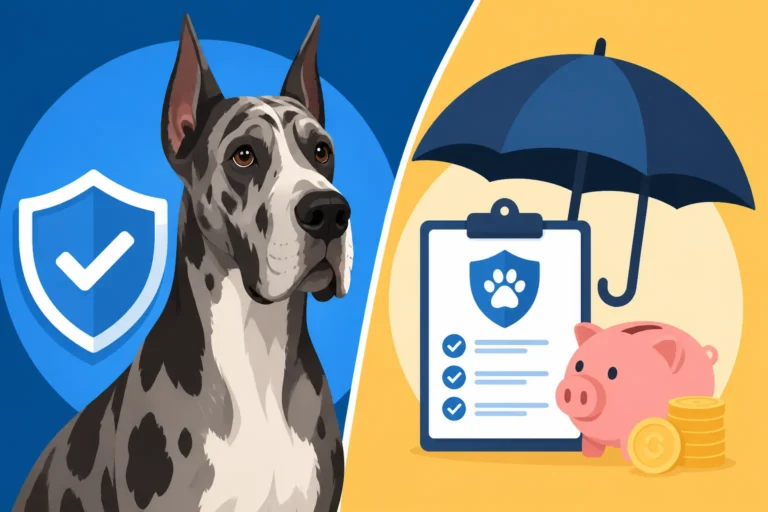
For a Great Dane, pet insurance isn't just a nice-to-have; it's often a necessity. Given their propensity for serious, expensive health issues like bloat (Bloat in a Great Dane and the One in Three Odds), heart disease, or orthopedic problems, the potential for massive veterinary bills is always looming. Pet insurance can be a lifesaver, covering a significant portion of medication costs, especially for chronic conditions or emergency treatments. Providers like Healthy Paws are popular choices, but it's essential to research different plans, deductibles, and reimbursement percentages to find one that fits your needs.
The key is to enroll your Great Dane as early as possible – ideally when they are a puppy. This ensures that any conditions that develop later in life aren't considered "pre-existing" and are therefore covered. Waiting until your dog is older or has already shown signs of illness will severely limit coverage options or exclude critical conditions entirely. Think of it as investing in peace of mind. Knowing you have a safety net for major medical expenses, including those ongoing medication costs for a lifelong illness, can alleviate immense stress. It's definitely worth exploring Whether Pet Insurance Is Essential for a Great Dane early on in your ownership journey.
Exploring Generic and Bulk Options
Always have an open conversation with your veterinarian about generic alternatives. For many common medications, a generic version is available, containing the same active ingredients as the brand-name drug but often at a lower cost. Your vet can advise you if a generic option is suitable and equally effective for your Great Dane's specific condition. Don't be shy about asking; it's a responsible way to manage expenses.
Beyond generics, consider purchasing certain medications, especially routine preventatives, from large, reputable online pharmacies or pet supply retailers. Companies like Chewy often offer competitive pricing, and sometimes you can even set up auto-shipments with a small discount. Buying larger quantities of medications (where appropriate and vet-approved) can also sometimes result in a lower per-dose cost. However, always ensure you're using a trusted source and that your vet approves the specific product, especially for sensitive medications. Never compromise on quality or safety to save a few dollars.
Lifestyle Management to Reduce Need
While you can't prevent every health issue, a significant number of expensive medication needs can be reduced through diligent preventive care and excellent lifestyle management. This starts from puppyhood. Proper nutrition designed for large breed puppies, such as that discussed in Feeding a Great Dane Puppy Slowly on Purpose, is crucial to prevent rapid growth that can lead to orthopedic problems later on. Keeping your Great Dane lean, as advised in Keeping a Great Dane Lean for Its Joints, reduces strain on their joints, potentially delaying or lessening the severity of arthritis, which in turn means less need for pain medication.
Regular veterinary check-ups are also paramount. Catching issues early, before they become advanced and require intensive (and expensive) treatment, is always beneficial. For example, proactive measures like a prophylactic gastropexy to prevent gastric dilatation-volvulus (GDV) – also known as bloat – can save your Dane’s life and spare you a catastrophic emergency vet bill, as detailed in Stomach Tacking Surgery for a Great Dane. While the surgery itself is an upfront cost, it often proves to be a long-term saving by avoiding emergency surgery that can easily run into thousands of dollars, not to mention the extensive medication required during recovery. Thoughtful care throughout their life can genuinely reduce the reliance on costly long-term medications.
The Unseen Costs: Administration and Anesthesia
Beyond the sheer volume of pills, there are other factors unique to Great Danes that drive up medication costs, often stemming from the logistical challenges of administering drugs to such a large animal or the increased resources needed for medical procedures.
Compounding and Specialized Preparations
Sometimes, a standard pill isn't going to cut it, or your Great Dane might simply refuse to take it. For precise dosing, especially for very large dogs, or when a specific medication isn't available in a high enough strength off-the-shelf, compounding pharmacies become invaluable. These specialized pharmacies can custom-prepare medications into specific dosages, different forms (like flavored liquids, pastes, or even transdermal creams), or combine multiple active ingredients into one dose.
While compounding is a fantastic resource for ensuring your Great Dane gets exactly what they need, it comes with a higher price tag. The labor, specialized ingredients, and unique equipment involved in custom preparations mean these medications inherently cost more than mass-produced versions. For a Great Dane, who might require a substantial amount of a compounded liquid or a very high-dose custom pill, this can add a significant premium to their medication costs. It’s a necessary expense for complex cases, but it certainly contributes to why drugs cost more at Great Dane weight.
Sedation and Anesthesia for Procedures
Any medical procedure that requires your Great Dane to be sedated or fully anesthetized will incur higher costs simply because of their size. This includes routine procedures like dental cleanings (Dental Work on a Great Dane), minor wound repairs, or extensive diagnostic imaging like X-rays or MRI scans. Anesthetic drugs are dosed by weight, and a Great Dane requires a significantly larger volume of sedatives, induction agents, and maintenance anesthetics compared to a smaller dog.
This isn't just about the drugs themselves; it's also about the increased time and monitoring required. A larger dog takes longer to induce and recover from anesthesia, and their massive body mass means temperature regulation and vital sign monitoring are more complex. More anesthetic gas is consumed, and more post-operative pain medication is needed to manage their recovery comfortably. This factor is so significant that it has its own discussion in topics like Why Great Dane Anesthesia Is Billed Higher. These added costs for sedation and anesthesia are an integral part of nearly any surgical or intensive diagnostic workup, making large-scale medical interventions for Great Danes inherently more expensive.
Table: Estimated Medication Cost Impact – Great Dane vs. Small Dog
| Medication Type | Small Dog (e.g., 20 lbs) | Great Dane (e.g., 150 lbs) | Cost Multiplier (Approx.) |
|---|---|---|---|
| Monthly Flea/Tick Chew | 1 tablet (low mg dose) | 1 tablet (high mg dose) | 2x – 4x |
| Monthly Heartworm Pill | 1 pill (low mg dose) | 1 pill (high mg dose) | 2x – 5x |
| NSAID (10-day course) | 1-2 pills/day (low mg) | 4-6 pills/day (high mg) | 3x – 6x |
| Cardiac Meds (daily) | 1 pill/day (low mg) | 3-5 pills/day (high mg) | 4x – 8x |
| Antibiotics (14-day) | Small quantity | Large quantity | 3x – 5x |
Note: These are approximations and actual costs vary widely based on specific medication, brand, veterinary clinic, and geographic location.
Disclaimer
This article is for general informational purposes only and does not constitute professional advice. Laws, prices and regulations vary by location and change over time. Consult a qualified professional for guidance on your specific situation.